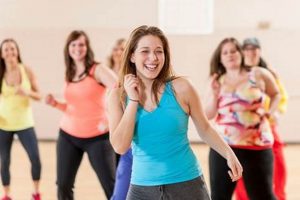
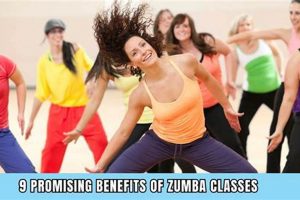
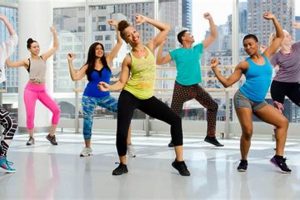
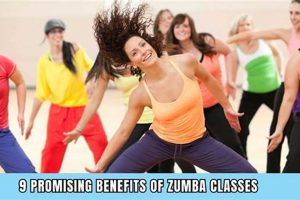
Appropriate attire for Zumba participation centers on clothing that facilitates freedom of movement and manages perspiration effectively. Examples include breathable tops crafted from moisture-wicking fabrics, supportive sports bras, and flexible athletic pants or shorts. Footwear considerations encompass lightweight, supportive athletic shoes designed for lateral movement and impact absorption.
The selection of suitable garments and footwear enhances participant comfort, safety, and performance during the class. Proper attire minimizes distractions, prevents overheating, and reduces the risk of injury. Historically, evolving fitness trends have influenced the development of specialized athletic apparel, emphasizing both functionality and style.
This article will address specific garment characteristics, fabric properties, and footwear features relevant to optimal participation in Zumba classes. Further considerations include accessories and undergarments that contribute to overall comfort and support.
Clothing and Footwear Recommendations for Zumba Class
Selecting appropriate attire is paramount for maximizing comfort, safety, and performance during Zumba sessions. The following recommendations address key considerations for both clothing and footwear.
Tip 1: Choose Breathable, Moisture-Wicking Fabrics: Opt for synthetic fabrics like polyester or nylon, which effectively wick away sweat and promote ventilation, preventing overheating and discomfort.
Tip 2: Prioritize Freedom of Movement: Select clothing that allows a full range of motion. Avoid restrictive garments that may hinder dance steps or contribute to muscle strain.
Tip 3: Select a Supportive Sports Bra: For female participants, a well-fitting sports bra is essential to minimize breast movement and provide adequate support during high-impact activities.
Tip 4: Consider Layering Options: Layering allows for temperature regulation throughout the class. A light jacket or cardigan can be removed as the body warms up.
Tip 5: Invest in Lightweight Athletic Shoes: Choose shoes designed for cross-training or dance fitness. These shoes provide adequate cushioning, support, and flexibility for lateral movements.
Tip 6: Ensure Adequate Arch Support: Individuals with flat feet or high arches may benefit from orthotic inserts to provide additional support and prevent foot pain.
Tip 7: Avoid Shoes with Excessive Tread: Shoes with aggressive tread patterns can hinder smooth transitions and increase the risk of ankle injury. Opt for smoother soles that allow for easy pivoting.
These guidelines enhance the Zumba experience by promoting comfort, preventing injuries, and allowing participants to focus on the physical activity. Proper attire contributes significantly to overall well-being and enjoyment.
The subsequent sections of this article will explore specific brands and styles of clothing and footwear that align with these recommendations, providing further guidance for making informed purchasing decisions.
1. Breathable fabrics

The selection of breathable fabrics is a critical element in determining appropriate attire. The intensity of Zumba sessions necessitates materials that effectively manage heat and moisture to maintain participant comfort and prevent overheating.
- Moisture-Wicking Capability
Breathable fabrics are designed to wick moisture away from the skin, facilitating evaporation and preventing the accumulation of sweat. Materials such as polyester, nylon, and merino wool possess inherent moisture-wicking properties, promoting a cooler and drier environment during exercise. Garments constructed from cotton, conversely, tend to retain moisture, leading to discomfort and potential chafing.
- Air Permeability
Air permeability, the ability of a fabric to allow air to pass through it, is a key attribute of breathable materials. Fabrics with high air permeability facilitate ventilation, enabling the body to regulate its temperature more effectively. Open-knit constructions and loosely woven fabrics generally exhibit greater air permeability than tightly woven or impermeable materials.
- Fabric Weight and Thickness
Lighter-weight and thinner fabrics tend to be more breathable than heavier, thicker materials. Garments designed for high-intensity activities like Zumba are often constructed from lightweight, breathable fabrics to minimize bulk and maximize airflow. Thick or layered garments can impede ventilation, leading to increased body temperature and discomfort.
- Construction and Design
The construction and design of a garment can also influence its breathability. Mesh panels, strategically placed ventilation zones, and looser-fitting styles can enhance airflow and promote cooling. Conversely, tight-fitting garments made from non-breathable materials can restrict ventilation and contribute to overheating.
The properties of breathable fabrics collectively contribute to a more comfortable and efficient Zumba experience. By selecting garments constructed from appropriate materials, participants can minimize the negative effects of heat and moisture, allowing them to focus on the physical activity. Ultimately, the choice of breathable fabrics is an integral aspect of ensuring both comfort and performance during Zumba classes.
2. Supportive Footwear

The selection of appropriate footwear is a critical component of attire. Its influence extends to participant safety, performance, and comfort during class participation, directly impacting the overall experience. Understanding the nuances of supportive footwear is therefore vital.
- Ankle Stability and Injury Prevention
Supportive footwear minimizes the risk of ankle sprains and other lower extremity injuries. Features such as reinforced heel counters and lateral support structures restrict excessive ankle movement. The rapid changes in direction inherent in Zumba place considerable stress on the ankle joint; adequate support is therefore paramount. Examples of supportive features include high-top designs and external bracing systems that enhance joint stability.
- Cushioning and Impact Absorption
Impact absorption is a primary function of supportive footwear. Cushioning materials, such as EVA foam and gel inserts, attenuate the forces generated during high-impact movements. This reduces stress on the joints, particularly the knees and hips, mitigating the risk of overuse injuries. Insufficient cushioning can lead to increased fatigue and discomfort, hindering performance and enjoyment.
- Arch Support and Foot Alignment
Proper arch support promotes optimal foot alignment and biomechanics. Footwear with inadequate arch support can contribute to overpronation or supination, leading to foot pain, plantar fasciitis, and other musculoskeletal issues. Orthotic inserts or shoes with built-in arch support can improve foot alignment and reduce stress on the lower extremities.
- Traction and Surface Contact
Adequate traction is essential for maintaining balance and preventing slips and falls. Non-slip outsoles with appropriate tread patterns provide secure grip on a variety of surfaces. Shoes with smooth soles or worn treads can increase the risk of instability and injury, particularly during rapid movements and changes in direction.
The attributes of supportive footwear collectively contribute to the safety and effectiveness of a workout. The selection process should carefully consider these factors to mitigate potential risks and enhance the participant’s experience. Footwear selection should prioritize features that promote stability, cushioning, arch support, and traction, thereby fostering a safe and enjoyable environment.
3. Freedom of movement
Freedom of movement is a primary determinant in selecting apparel for Zumba participation. Restrictive clothing inhibits proper execution of dance steps and may increase the risk of muscle strain or injury. The following points delineate key aspects of freedom of movement as it pertains to appropriate attire.
- Fabric Elasticity and Stretch
Garments constructed from elasticized fabrics, such as those containing spandex or elastane, allow for a greater range of motion compared to rigid materials. The ability of a fabric to stretch and recover its shape is essential for facilitating dynamic movements without constriction. Athletic pants, leggings, and shorts incorporating stretch fabrics enhance agility and permit unrestricted execution of dance routines. Fabrics offering four-way stretch capabilities provide optimal flexibility and responsiveness to body movements.
- Garment Fit and Cut
The cut and fit of garments significantly impact freedom of movement. Looser-fitting styles, such as flowy tops and wide-leg pants, provide ample room for movement but may also present challenges in maintaining a secure fit. Conversely, overly tight garments can restrict circulation and limit flexibility. Selecting apparel with a tailored fit that conforms to the body without being restrictive is crucial. Articulated designs, featuring strategically placed seams and panels, can further enhance mobility by accommodating natural body contours.
- Seam Placement and Construction
The placement and construction of seams can influence comfort and freedom of movement. Flatlock seams, which lie flush against the skin, minimize chafing and irritation during repetitive movements. Strategic seam placement away from high-friction areas, such as the inner thighs and underarms, reduces the risk of discomfort. Garments with minimal seams or seamless construction offer a streamlined fit and enhanced mobility.
- Garment Length and Coverage
The length and coverage of garments should align with individual preferences and the intensity of the activity. Shorter shorts or capri pants may allow for greater freedom of movement compared to full-length pants. However, some participants may prefer more coverage for modesty or support. Selecting garments with an appropriate length and fit that balances freedom of movement with personal comfort is essential. Considerations may include built-in shorts or liners for added support and coverage.
In conclusion, freedom of movement is a non-negotiable factor in selecting apparel. Elasticity, garment fit, seam construction, and garment length are all interrelated in facilitating unrestricted movement during exercise.
4. Moisture-wicking properties

The correlation between moisture-wicking properties and appropriate attire is fundamentally linked to the physiological demands of the exercise. Zumba classes inherently involve sustained periods of physical exertion, resulting in elevated body temperatures and subsequent perspiration. Fabrics lacking moisture-wicking capabilities retain this perspiration, creating a saturated microclimate against the skin. This dampness contributes to discomfort, chafing, and a compromised ability to regulate body temperature effectively. Conversely, textiles engineered with moisture-wicking properties actively transport perspiration away from the skin’s surface, promoting evaporation and maintaining a more comfortable and drier environment. This functionality is achieved through capillary action, where the fabric’s fibers draw moisture away from the body and spread it across a larger surface area for efficient evaporation.
The selection of garments with superior moisture-wicking capabilities directly influences participant comfort and performance during Zumba. For instance, a synthetic fabric blend such as polyester or nylon facilitates moisture transport and evaporation, whereas cotton fabrics tend to absorb and retain moisture, becoming heavy and uncomfortable. Real-world examples include athletic brands that specifically engineer fabrics with enhanced moisture-wicking technologies, leading to improved comfort levels and reduced instances of skin irritation during exercise. The practical significance of this understanding lies in the ability to make informed decisions when selecting activewear, prioritizing materials designed to manage perspiration effectively and optimize the overall exercise experience.
Understanding the role of moisture-wicking properties is vital for selecting suitable apparel for Zumba classes. Prioritizing garments made from fabrics engineered to manage perspiration not only enhances comfort but also contributes to improved performance and a reduced risk of skin irritation. While challenges may exist in differentiating between fabrics with varying degrees of moisture-wicking capabilities, informed purchasing decisions based on fabric composition and technology claims can significantly impact the overall exercise experience, reinforcing the direct link between appropriate attire and the physiological demands of the activity.
5. Comfortable fit

A comfortable fit constitutes a fundamental attribute of attire for Zumba participation. Clothing that fits well does not impede movement, cause chafing, or distract the participant during physical activity. Ill-fitting garments can lead to a variety of negative consequences, including reduced range of motion, skin irritation, and decreased concentration. Garments too tight may restrict blood flow and cause discomfort, while overly loose attire can snag or become entangled during dynamic movements. Therefore, selection should consider individual body shape and size to ensure optimal comfort and functionality. Examples include choosing appropriately sized athletic pants that stay in place during jumps and lunges, or selecting a sports bra that provides adequate support without constricting breathing.
The importance of fit extends beyond mere physical comfort. A well-fitted outfit contributes to a sense of confidence and self-assurance, which may positively impact performance and engagement in the class. When individuals feel comfortable and secure in their clothing, they are more likely to focus on the exercises and enjoy the overall experience. In contrast, constantly adjusting clothing or worrying about exposure can detract from the workout and diminish its effectiveness. Practical applications of this understanding involve taking accurate body measurements, consulting sizing charts, and trying on garments before purchase to ensure a proper fit. Considerations for various body types and preferences are also crucial, as what constitutes a comfortable fit for one person may not be suitable for another. The goal is to select attire that feels like a natural extension of the body, allowing for unrestricted movement and a heightened sense of well-being.
In summation, a comfortable fit is not merely a superficial consideration but rather an integral component of what constitutes suitable attire. Prioritizing fit ensures freedom of movement, prevents distractions, and contributes to a more positive and effective Zumba experience. While challenges may arise in finding garments that perfectly accommodate individual body types, attention to sizing, fabric properties, and design features can significantly enhance comfort and performance. Ultimately, the selection process should prioritize the participant’s subjective experience, ensuring that the chosen attire feels comfortable, supportive, and conducive to unrestricted movement.
6. Adequate support

Appropriate attire directly influences the physical demands inherent in the exercise. Specifically, the provision of sufficient support through suitable clothing and footwear is a critical factor in mitigating potential risks and maximizing performance during classes.
- Musculoskeletal Stabilization
Adequate support, particularly in the form of supportive footwear, contributes to musculoskeletal stabilization during high-impact movements. Ankle and arch support minimize excessive pronation or supination, reducing the risk of ankle sprains and plantar fasciitis. Garments that provide compression can also enhance muscle stability and reduce fatigue. For example, athletic shoes with reinforced heel counters and sturdy outsoles offer superior support and stability compared to standard sneakers. The absence of adequate musculoskeletal stabilization can lead to increased joint stress and a higher incidence of injuries.
- Breast Support
For female participants, adequate breast support is essential to minimize discomfort and prevent long-term tissue damage. High-impact activities can place significant stress on the Cooper’s ligaments, which support the breasts. A properly fitted sports bra with adequate encapsulation and compression reduces breast movement, minimizing strain and discomfort. A sports bra with adjustable straps and a supportive band can provide a customized fit and optimal support. Inadequate breast support can lead to pain, chafing, and potential sagging over time.
- Core Engagement and Posture
Certain types of athletic apparel can enhance core engagement and promote proper posture during exercise. Compression garments, for example, provide proprioceptive feedback that encourages activation of core muscles. Proper core engagement is crucial for maintaining stability and balance during Zumba routines. Clothing that allows for unrestricted movement while providing gentle support can contribute to improved posture and reduced strain on the back. Loose-fitting garments, conversely, may not offer the same level of support and can hinder proper posture.
- Impact Absorption and Joint Protection
Supportive footwear, in particular, plays a crucial role in impact absorption and joint protection. Features such as cushioned midsoles and gel inserts attenuate the forces generated during high-impact movements, reducing stress on the knees, hips, and spine. Shoes designed for cross-training or dance fitness typically provide superior cushioning and support compared to casual footwear. Choosing footwear with adequate impact absorption can help prevent overuse injuries and promote long-term joint health.
These facets collectively emphasize that simply selecting attractive attire is insufficient for participation; instead, consideration of the support offered by chosen garments is a critical safety and performance factor. Proper selection reduces injury potential and enhances the workout’s effectiveness.
7. Appropriate undergarments
The selection of appropriate undergarments directly influences comfort and performance during a Zumba class. Inadequate undergarments can cause discomfort, chafing, and distraction, thereby hindering participation. Garments that effectively manage moisture, provide support, and minimize friction are essential components of appropriate attire. The impact of ill-suited undergarments manifests in various ways, from chafing caused by non-breathable fabrics to inadequate support leading to discomfort during high-impact movements. The importance of appropriate undergarments lies in their ability to facilitate unrestricted movement and maintain a comfortable microclimate next to the skin. Examples include seamless sports bras designed to minimize friction and moisture-wicking underwear that promotes ventilation.
Practical applications of this understanding involve selecting undergarments based on fabric composition, construction, and intended function. Underwear constructed from synthetic materials like nylon or polyester offer superior moisture-wicking properties compared to cotton. Seamless designs minimize chafing and irritation. Sports bras with adjustable straps and a supportive band provide customized fit and impact reduction. Considerations should also include the level of support required based on individual needs and preferences. The choice between compression shorts and loose-fitting briefs, for instance, depends on individual comfort and the degree of support desired. Furthermore, ensuring correct sizing is paramount, as undergarments that are too tight or too loose can compromise both comfort and support.
In summary, the selection of appropriate undergarments is a critical aspect of what constitutes suitable attire. Prioritizing garments that manage moisture, provide support, and minimize friction ensures a more comfortable and effective exercise experience. While challenges may arise in finding the perfect fit and fabric combination, understanding the functional requirements of undergarments and selecting products accordingly can significantly enhance overall performance. Selecting the right material support and fit means that the right selection of what one wears to a class of Zumba will create a positive and enjoyable exercise experience.
Frequently Asked Questions
This section addresses frequently asked questions related to the selection of appropriate attire for Zumba participation. These answers aim to provide clarity and guidance on optimal clothing and footwear choices.
Question 1: Is there a specific dress code mandated for Zumba classes?
No, a strictly enforced dress code is generally not imposed. However, adherence to guidelines promoting comfort, safety, and freedom of movement is encouraged.
Question 2: Are there fabric types that should be avoided?
Cotton garments are generally discouraged due to their tendency to retain moisture. Fabrics with limited breathability can also cause discomfort and overheating.
Question 3: Is specialized footwear required, or can general athletic shoes be worn?
While not strictly required, shoes designed for cross-training or dance fitness are recommended. These shoes provide the necessary cushioning, support, and flexibility for lateral movements.
Question 4: How important is a supportive sports bra for female participants?
A well-fitting sports bra is essential to minimize breast movement and provide adequate support during high-impact activities. This contributes to comfort and prevents potential tissue damage.
Question 5: Can accessories, such as jewelry, be worn during class?
It is advisable to minimize the wearing of jewelry during class. Dangling earrings and necklaces can pose a safety hazard and interfere with movement.
Question 6: Are there considerations for varying weather conditions or studio temperatures?
Layering options are recommended to accommodate fluctuations in temperature. A light jacket or cardigan can be removed as the body warms up.
In summary, careful consideration should be given to fabric properties, footwear characteristics, and personal comfort when selecting attire. These factors collectively contribute to a positive and safe class experience.
The following section of this article will explore practical considerations for maintaining and caring for athletic apparel.
Conclusion
The preceding discussion has comprehensively addressed what constitutes appropriate attire, emphasizing the importance of fabric selection, footwear characteristics, and garment fit. Freedom of movement, moisture-wicking properties, adequate support, and a comfortable fit are paramount considerations for maximizing the safety, comfort, and effectiveness of Zumba participation. The selection of appropriate undergarments and the avoidance of restrictive materials further contribute to an optimal experience.
Ultimately, the selection should reflect an informed decision-making process, integrating individual preferences with the functional requirements of the activity. Prioritizing comfort, support, and freedom of movement facilitates unrestricted participation and fosters an environment conducive to physical well-being. Continuing research and development in athletic apparel may further refine recommendations and enhance the efficacy of attire. Therefore, remaining informed and adaptable to evolving standards remains crucial.