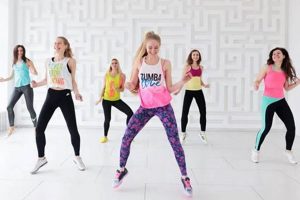
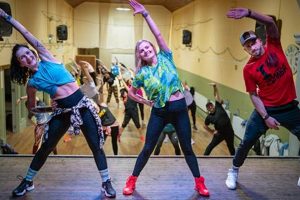
A real-time, instructor-led fitness session blending Zumba’s signature dance moves with the convenience of remote participation defines this type of offering. Participants engage in the workout from their preferred location, guided by a certified Zumba instructor via video conferencing. An example includes a scheduled session accessible through a platform like Zoom, where individuals follow the instructor’s choreography to music.
The availability of this format extends the accessibility of Zumba to a broader audience. It eliminates geographical barriers and scheduling conflicts, enabling individuals to participate who might otherwise be unable to attend in-person classes. This method fosters community engagement and provides a structured exercise routine, contributing to both physical and mental well-being. The concept has gained prominence alongside advancements in streaming technology and increasing demand for flexible fitness solutions.
Further investigation into the aspects of effective instruction, optimal platform selection, and the cultivation of a positive virtual community will provide a deeper understanding of the successful implementation and overall impact of these remotely delivered fitness programs.
Essential Considerations for Participating in Real-Time Remote Zumba Instruction
Successful engagement requires careful planning and execution. The following guidelines are designed to optimize the experience and maximize the benefits derived from virtual Zumba sessions.
Tip 1: Technological Preparedness: Verify internet connectivity and device functionality prior to session commencement. Ensure adequate bandwidth to maintain uninterrupted video streaming and audio clarity. For example, a wired Ethernet connection generally offers greater stability compared to wireless alternatives.
Tip 2: Space Optimization: Designate a dedicated area free from obstructions and potential hazards. Sufficient room for lateral movement and unrestricted limb extension is crucial to prevent injury. A minimum of six square feet of open space is recommended.
Tip 3: Attire and Hydration: Wear appropriate athletic apparel and supportive footwear. Hydration is paramount; keep a water bottle readily accessible throughout the session. Avoid restrictive clothing that inhibits movement.
Tip 4: Instructor Communication: Actively engage with the instructor by asking clarifying questions if needed. Utilizing chat functions or designated Q&A periods can enhance comprehension and ensure correct execution of movements.
Tip 5: Music Volume Management: Adjust audio levels to a comfortable and safe decibel range. Prolonged exposure to excessively loud music can lead to auditory damage. Employ headphones with volume controls for personalized adjustments.
Tip 6: Modify Movements: Adapt the intensity and complexity of the choreography to individual fitness levels and physical limitations. Avoid movements that induce pain or discomfort. Focus on maintaining proper form over speed or range of motion.
Tip 7: Session Recording Awareness: Be mindful of potential session recording policies. Confirm whether the session is being recorded and understand the implications for personal privacy. Obtain clarification on data usage and storage practices.
Adherence to these recommendations will contribute to a more productive, enjoyable, and safe experience. By prioritizing preparation and active participation, individuals can fully leverage the advantages of this exercise modality.
Attention to these details ensures that the integration of this type of fitness activity into a personal wellness program is a positive and sustainable endeavor.
1. Accessibility

Accessibility, in the context of remotely delivered Zumba instruction, signifies the ease with which individuals, irrespective of their geographical location, physical limitations, or scheduling constraints, can participate in and benefit from the fitness regimen. It is a crucial determinant of program reach and inclusivity.
- Geographical Reach
This facet refers to the ability of individuals in remote or underserved areas to access structured fitness programs that would otherwise be unavailable. For example, individuals residing in rural communities with limited local fitness facilities can participate in a session conducted remotely. The implications of expanded geographical reach include improved fitness levels and reduced health disparities in underserved populations.
- Accommodation of Physical Limitations
This involves the adaptation of exercises and instructional methods to accommodate individuals with disabilities, injuries, or other physical limitations. For instance, instructors can provide modifications for low-impact movements or offer seated variations of exercises. Addressing physical limitations through adaptive techniques enables broader participation and reduces the risk of injury.
- Flexibility in Scheduling
This aspect concerns the availability of class times that cater to diverse schedules and time zones. Offering classes at varying times of day or on different days of the week allows individuals with conflicting work or personal commitments to participate. Flexible scheduling increases accessibility by accommodating the demands of contemporary lifestyles.
- Cost-Effectiveness
Remote instruction can often be more financially accessible than traditional in-person classes due to reduced overhead costs. Lower tuition fees or subscription rates make participation more attainable for individuals with limited financial resources. Increased affordability promotes broader participation and democratizes access to fitness opportunities.
The interplay of geographical reach, accommodation of physical limitations, scheduling flexibility, and cost-effectiveness collectively defines the level of accessibility associated with these remotely delivered fitness options. Enhanced accessibility translates to greater participation, improved health outcomes, and a more inclusive fitness environment. The integration of these facets demonstrates a commitment to equitable access, ensuring that the benefits of Zumba are available to a diverse population.
2. Instructor Expertise

The proficiency and qualifications of the instructor are paramount to the efficacy of remotely delivered Zumba instruction. Instructor expertise directly impacts participant safety, motivation, and attainment of fitness goals. This facet requires careful consideration to ensure a positive and beneficial virtual experience.
- Certification and Training
Formal certification from a recognized Zumba training program is a baseline requirement. Certified instructors possess the requisite knowledge of Zumba choreography, safety protocols, and instructional techniques. For example, instructors should demonstrate proficiency in adapting routines to various fitness levels and identifying signs of participant distress. Failure to possess adequate certification may compromise participant safety and program effectiveness.
- Communication and Cueing Skills
Effective communication is critical in a virtual setting where instructors cannot provide physical guidance. Instructors must articulate instructions clearly, use precise cueing to guide movements, and provide constructive feedback. An example includes verbally breaking down complex steps into simpler components and offering modifications for varying skill levels. Strong communication skills enhance comprehension and minimize the risk of improper form, leading to potential injuries.
- Engagement and Motivation Techniques
Maintaining participant engagement and motivation in a remote environment requires specific strategies. Experienced instructors employ techniques such as positive reinforcement, interactive elements, and personalized attention. An example includes acknowledging individual progress, responding to participant comments, and fostering a sense of community. Sustained engagement contributes to adherence to the program and ultimately, the achievement of fitness objectives.
- Adaptability and Problem-Solving
The virtual setting presents unique challenges, necessitating adaptability and problem-solving skills. Instructors must be capable of troubleshooting technical issues, modifying routines in response to participant feedback, and adapting to unforeseen circumstances. An example includes providing alternative exercises for participants experiencing technical difficulties or adjusting the pace of the class based on the energy levels of the group. Adaptability ensures a seamless and effective experience, even in the face of unexpected challenges.
The multifaceted nature of instructor expertise underscores its importance in remotely delivered Zumba instruction. Comprehensive certification, effective communication, motivational techniques, and adaptability collectively contribute to a safe, engaging, and ultimately successful virtual fitness program. Prioritizing these elements ensures that participants derive maximum benefit from the activity and are guided by competent and qualified professionals.
3. Technology Integration

Technology integration forms a foundational element of the remotely delivered Zumba instruction paradigm. Its successful implementation dictates the reach, efficacy, and sustainability of this fitness modality. In the absence of robust technology, the concept of a “Zumba class live” delivered remotely becomes untenable. Real-life examples, such as the utilization of high-definition video conferencing platforms and streaming services, demonstrate the direct correlation between technological capabilities and the quality of the virtual fitness experience. The reliability of internet connectivity, the clarity of audio transmission, and the responsiveness of interactive features are all directly attributable to the level of technology integration.
The selection of suitable platforms and equipment directly influences the ability of instructors to deliver effective instruction and engage with participants. For instance, platforms that support real-time feedback mechanisms, such as chat functions or virtual hand-raising, enable instructors to address individual needs and foster a sense of community. Furthermore, the incorporation of wearable technology or motion-tracking devices can provide participants with personalized data on their performance, thereby enhancing motivation and promoting adherence to the program. The practical significance of understanding technology integration lies in the ability to optimize the virtual fitness environment for both instructors and participants, leading to improved outcomes and greater satisfaction.
In summary, technology integration is not merely an ancillary component but rather an integral aspect of remotely delivered Zumba instruction. Challenges such as ensuring equitable access to technology and addressing potential cybersecurity concerns must be proactively addressed. As technology continues to evolve, the effective integration of new advancements will be critical to maintaining the relevance and accessibility of remotely delivered Zumba classes. The ongoing commitment to optimizing technology integration will ensure the continued viability and impact of this mode of exercise delivery.
4. Space Optimization

Space optimization is a fundamental prerequisite for effective participation in real-time remote Zumba instruction. Inadequate space directly impedes the ability to execute dance movements safely and correctly, increasing the risk of injury. The limited physical guidance available in a virtual setting necessitates a participant-driven focus on self-awareness and environmental awareness. Therefore, participants must ensure a clear, unobstructed area before commencing any real-time remote fitness activity. For example, collisions with furniture or restricted range of motion due to spatial limitations can lead to sprains, strains, or more serious orthopedic injuries. This underscores the imperative for proactive space assessment and modification prior to engaging in the program.
Practical applications of space optimization principles involve several key considerations. Firstly, the designated area should be free of slip and trip hazards, such as loose rugs or electrical cords. Secondly, the dimensions of the space must accommodate a full range of motion, including lateral steps, arm extensions, and turns. For instance, an area measuring at least six feet by six feet is generally recommended for unrestricted movement. Furthermore, the presence of reflective surfaces, such as mirrors, can aid participants in self-correcting their form and alignment, thereby enhancing the effectiveness of the exercise. Adherence to these guidelines maximizes both safety and the quality of the Zumba experience.
In summary, space optimization is not merely a logistical concern but a critical component of ensuring safety and maximizing the benefits derived from remotely delivered Zumba sessions. The proactive identification and mitigation of spatial hazards, coupled with the creation of an environment conducive to unrestricted movement, is paramount. The understanding and application of these principles directly contributes to reduced injury risk and an enhanced virtual fitness experience, ultimately promoting participant well-being and program efficacy.
5. Community Building

In the context of remotely delivered Zumba instruction, community building transcends mere social interaction, evolving into a critical element that sustains engagement, fosters motivation, and enhances overall participant well-being. Its absence can lead to attrition and diminished program effectiveness.
- Shared Experience and Motivation
The synchronous nature of remotely delivered Zumba fosters a sense of shared experience, creating a virtual environment where participants exercise simultaneously. This shared experience serves as a potent motivator. For instance, witnessing other participants exert effort can encourage individual persistence, particularly during challenging routines. The implications of this shared motivation extend beyond individual sessions, promoting sustained engagement and adherence to the program.
- Social Support and Encouragement
Remotely delivered platforms often incorporate features such as chat functions or virtual forums, enabling participants to offer and receive social support. Verbal encouragement, shared experiences, and collaborative problem-solving can alleviate feelings of isolation and enhance overall well-being. For example, participants might share modifications for specific exercises or offer encouragement to those struggling with particular routines. This social support network bolsters program adherence and fosters a sense of belonging.
- Instructor-Led Interaction and Connection
The role of the instructor extends beyond choreography to encompass community facilitation. Instructors who actively engage with participants, acknowledge individual progress, and foster a sense of inclusivity contribute significantly to community building. For example, instructors might personalize shout-outs to participants celebrating milestones or encourage collaborative playlists. This instructor-led interaction strengthens the connection between participants and the program, promoting a more cohesive and supportive environment.
- Reduced Isolation and Enhanced Well-being
Participation in a remotely delivered Zumba community can mitigate feelings of isolation, particularly for individuals who are geographically isolated or experience limited social interaction. The structured social interaction and shared activity promote mental and emotional well-being. For instance, individuals with limited mobility may find increased social interaction and a sense of purpose through participation in the online community. The net effect is an enhanced sense of belonging and improved overall quality of life.
The interconnected facets of shared experience, social support, instructor-led interaction, and reduced isolation underscore the vital role of community building in remotely delivered Zumba instruction. The deliberate cultivation of a supportive and engaging virtual community is essential for sustaining participation, fostering motivation, and maximizing the overall benefits derived from this fitness modality. Programs that prioritize community building are more likely to achieve long-term success and contribute to the holistic well-being of their participants.
Frequently Asked Questions
The following questions address common inquiries and concerns regarding participation in remotely delivered Zumba sessions. These answers are intended to provide clarity and facilitate informed decision-making.
Question 1: What technical specifications are required to participate effectively in a Zumba class live?
Adequate internet bandwidth, a device with a functional camera and microphone, and a stable video conferencing platform are essential. Specific bandwidth requirements may vary depending on the platform used; however, a minimum upload and download speed of 5 Mbps is generally recommended. A dedicated, distraction-free space is also crucial to minimize interruptions and potential hazards.
Question 2: How is the safety of participants ensured in a Zumba class live environment?
Participants are responsible for ensuring a safe exercise environment, including adequate space and the absence of obstructions. Instructors typically provide modifications for various fitness levels and encourage participants to listen to their bodies and avoid movements that cause pain. It is also crucial that individuals with pre-existing medical conditions consult with a healthcare professional before commencing any new exercise program.
Question 3: What measures are in place to address potential technical difficulties during a Zumba class live?
Instructors often provide pre-session troubleshooting guides and offer real-time technical support during the class. Participants are encouraged to test their equipment and internet connection prior to the session start time. Some platforms also offer alternative viewing options, such as lower video resolution, to mitigate bandwidth limitations.
Question 4: How are Zumba class live sessions structured to accommodate varying fitness levels?
Certified instructors are trained to provide modifications and variations of exercises to accommodate participants with diverse fitness backgrounds. Clear cueing and visual demonstrations enable participants to adapt the intensity and complexity of movements to their individual capabilities. Participants are encouraged to prioritize proper form over speed or range of motion.
Question 5: What are the data privacy considerations associated with participating in a Zumba class live?
Participants should familiarize themselves with the privacy policies of the chosen video conferencing platform and the Zumba class provider. It is essential to understand how personal data, including video and audio recordings, are collected, used, and stored. Participants should also be aware of their rights regarding data access, modification, and deletion.
Question 6: What strategies are employed to foster a sense of community in a Zumba class live setting?
Instructors may utilize interactive features such as chat functions, virtual polls, and breakout rooms to encourage participant interaction and engagement. Some platforms also facilitate pre- and post-class social interaction through dedicated online forums or social media groups. These strategies aim to mitigate feelings of isolation and promote a supportive virtual environment.
Key takeaways include the importance of technical preparedness, adherence to safety guidelines, and proactive engagement in the virtual community. A clear understanding of these considerations will enhance the overall experience.
Further exploration of advanced techniques for optimizing the virtual Zumba environment is warranted to improve the efficacy and accessibility of this fitness modality.
Conclusion
This exploration has detailed the multifaceted nature of “Zumba class live,” emphasizing accessibility, instructor expertise, technology integration, space optimization, and community building as critical components. Each aspect contributes significantly to the overall efficacy and participant experience. The convergence of these elements dictates the sustainability and impact of remotely delivered fitness programs.
Continued refinement of these factors, particularly in the context of evolving technological landscapes, is essential. The future viability of virtual fitness modalities hinges on a commitment to optimizing accessibility, ensuring instructor competency, and fostering engaging, supportive online environments. Further investigation into quantifiable outcomes and long-term effects warrants dedicated research and analysis.