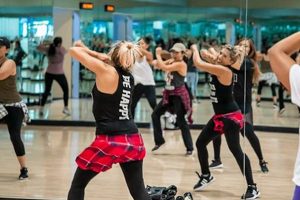
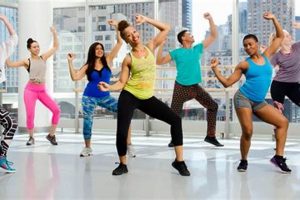
Group fitness programs that emulate the high-energy, dance-based workout style of Zumba have gained significant popularity. These programs typically incorporate Latin rhythms, international music, and simple choreography designed to be accessible to participants of varying fitness levels. An example includes classes that blend elements of salsa, merengue, and other dance forms into a structured exercise routine.
The appeal of these activities lies in their ability to provide a full-body workout while fostering a sense of community and enjoyment. They offer cardiovascular benefits, improve coordination, and can enhance mood through the release of endorphins. Their emergence reflects a broader trend toward exercise that is both effective and engaging, moving away from more traditional, repetitive gym routines. The inclusive nature of these classes helps individuals feel comfortable regardless of dance experience.
The following discussion will delve into the specific types of activities available, the considerations for selecting the right program, and the potential impact on overall health and wellness.
Guidance for Participating in Zumba-Inspired Fitness Programs
The following are recommendations designed to maximize the benefits and minimize the potential risks associated with dance-based fitness activities similar to Zumba.
Tip 1: Assess Physical Condition: Prior to engaging in any new exercise regimen, a consultation with a healthcare professional is advisable, particularly for individuals with pre-existing health conditions or those unaccustomed to regular physical activity. This assessment can identify potential limitations and ensure program suitability.
Tip 2: Gradual Progression: Begin with introductory level sessions. This allows for acclimatization to the intensity and complexity of the movements. Avoid overexertion, gradually increasing participation frequency and intensity as fitness levels improve.
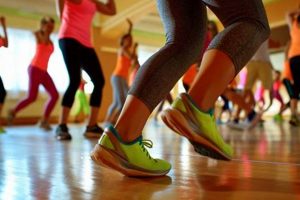
Tip 3: Proper Footwear Selection: Supportive athletic shoes with adequate cushioning are crucial for minimizing impact on joints. Consider shoes specifically designed for dance fitness, providing lateral support and traction on various floor surfaces.
Tip 4: Hydration and Nutrition: Adequate hydration is essential. Consume water before, during, and after each session. A balanced dietary intake supporting energy expenditure is also recommended.
Tip 5: Listen to the Body: Pay close attention to physical signals. Discontinue participation if pain, dizziness, or shortness of breath occurs. Modify movements as needed to accommodate individual limitations.
Tip 6: Qualified Instruction: Seek classes led by certified instructors with experience in dance fitness. Qualified instructors can provide guidance on proper form and technique, minimizing the risk of injury.
Tip 7: Understanding Modifications: Be aware that movements can be modified to accommodate varying fitness levels and physical limitations. Instructors should offer and demonstrate modifications.
Adhering to these guidelines promotes a safe and effective experience within dance-based fitness programs, optimizing the potential health and fitness benefits.
The subsequent section will explore specific class formats and variations within this genre of fitness activities.
1. Rhythm-based Choreography

Rhythm-based choreography forms the central, defining characteristic of fitness programs that emulate Zumba’s style. It is the integration of specific musical rhythms and structured dance steps that distinguishes these classes from general aerobic or cardio workouts. The choreography dictates the movements performed, influencing the intensity, target muscle groups, and overall energy expenditure. A direct correlation exists: the more diverse and dynamic the rhythmic elements, the broader the physical engagement and potential for cardiovascular improvement. For example, routines incorporating fast-paced merengue rhythms induce a higher heart rate compared to routines based on slower cumbia rhythms, directly affecting the workout’s impact.
The importance of rhythm-based choreography extends beyond mere aesthetic appeal. The structured steps provide a framework for participants, making the workout accessible to those with limited dance experience. The rhythmic cues guide movement, enhancing coordination and promoting kinesthetic awareness. Furthermore, the element of musicality contributes to adherence. Participants are more likely to remain engaged in an activity they find enjoyable, and the integration of music creates a motivational and immersive experience. This is evident in the sustained popularity of these activities despite the availability of other fitness options. Specific classes, like those that incorporate Latin or international music styles, often see higher retention rates due to the cultural familiarity and enjoyment of the rhythms.
Understanding the relationship between rhythm-based choreography and fitness outcomes is critical for both instructors and participants. Instructors must carefully select and sequence rhythms to achieve desired fitness goals, considering factors such as tempo, beat patterns, and the biomechanics of the movements. Participants should select classes that align with their fitness levels and musical preferences, recognizing that the specific rhythmic elements directly influence the intensity and overall experience. In conclusion, the success of these classes hinges on the synergistic integration of rhythm and choreography to create a fun, effective, and sustainable fitness routine.
2. Cardiovascular Enhancement

Dance-based fitness programs, mirroring the structure and style of Zumba, deliver significant cardiovascular benefits. The continuous, rhythmic movements elevate heart rate and increase oxygen consumption, directly challenging the cardiovascular system. Regular participation fosters improved cardiorespiratory fitness, as evidenced by reductions in resting heart rate and enhanced VO2 max values in study groups. The inherent structure of these programs, incorporating periods of high-intensity activity interspersed with brief recovery periods, emulates interval training principles, maximizing the cardiovascular stimulus. For example, a sustained series of salsa steps followed by a short break allows for both exertion and recovery, optimizing the training effect on the heart and lungs. The effectiveness hinges on consistent engagement and adherence to the program’s intensity guidelines.
The elevated cardiovascular demand has practical implications for overall health. Enhanced cardiorespiratory fitness translates to reduced risk of cardiovascular diseases, including coronary artery disease, stroke, and hypertension. Improvements in cardiovascular function also positively impact metabolic health, contributing to better glucose regulation and reduced risk of type 2 diabetes. Moreover, the weight management benefits associated with increased caloric expenditure further reduce cardiovascular risk factors. Consider the case of an individual with pre-existing hypertension who experiences a reduction in blood pressure through consistent participation in a dance-based fitness program. This scenario demonstrates the tangible health benefits derived from the cardiovascular enhancement induced by such activities. The practical application involves individuals seeking a enjoyable, sustainable, and effective way to improve their heart health.
In summary, the connection between dance-based fitness activities and cardiovascular enhancement is well-established. The rhythmic, high-intensity movements stimulate the cardiovascular system, leading to improved cardiorespiratory fitness and reduced risk of cardiovascular diseases. The key challenge lies in maintaining adherence and ensuring proper form to maximize benefits and minimize injury risk. This understanding underscores the value of dance-based fitness programs as a viable and enjoyable option for promoting cardiovascular health across diverse populations.
3. Community Engagement
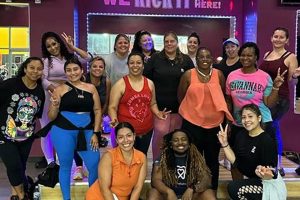
Community engagement constitutes a significant element within fitness programs that mirror Zumba’s structure. The group dynamic fosters social interaction and a sense of belonging, serving as a motivational factor and enhancing adherence to the fitness regimen. The shared experience of learning dance steps, exercising to music, and achieving fitness goals contributes to a collective identity. A supportive community environment can reduce feelings of isolation and promote positive mental health outcomes. For example, individuals new to exercise often find it less intimidating to participate in a group setting where shared challenges and successes are celebrated. This social aspect of participation directly influences the likelihood of sustained involvement.
The impact of community engagement extends beyond individual motivation. Shared goals and collective accountability create a self-reinforcing cycle of participation. Class participants often form friendships and social support networks that extend beyond the fitness setting, further solidifying their commitment to the program. Consider a situation where members of a fitness group organize social events or offer encouragement to one another outside of class time. This type of interaction demonstrates the practical application of community engagement in fostering a healthier lifestyle. The promotion of social interaction in Zumba-inspired fitness, thus, aids health.
In conclusion, community engagement is not merely a supplementary benefit but an integral component of the Zumba-inspired fitness experience. The social connections and shared support contribute significantly to participant motivation, adherence, and overall well-being. The challenge lies in cultivating and maintaining a welcoming and inclusive environment that caters to diverse individuals. Understanding the power of community engagement underscores the importance of fostering social connections within these fitness programs to maximize their effectiveness and impact.
4. Accessibility for All

Fitness programs mirroring Zumba’s style often prioritize accessibility for a broad range of participants. This focus aims to mitigate barriers to entry, encouraging greater participation and fostering a more inclusive fitness environment. The following facets highlight key elements contributing to this accessibility.
- Modification of Movements
The adaptation of choreography to accommodate varying fitness levels is a cornerstone of accessible dance-based fitness. Instructors provide modified versions of steps, allowing beginners or individuals with physical limitations to participate effectively without risk of injury. For example, a high-impact jump can be substituted with a low-impact step-touch, ensuring inclusivity across diverse physical capabilities. This adaptability ensures that the program remains challenging yet manageable for all participants.
- Variety of Class Formats
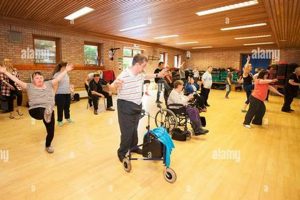
Offering a range of class formats caters to different preferences and needs. Shorter sessions, seated options, or classes specifically designed for older adults or individuals with disabilities expand accessibility. For instance, a 30-minute express class accommodates those with limited time, while a chair-based program allows individuals with mobility limitations to engage in physical activity. The diversification of class types reflects a commitment to reaching a wider audience.
- Inclusivity in Instructor Training
Instructor training programs increasingly incorporate principles of inclusivity, equipping instructors with the skills to effectively address diverse needs. This training emphasizes understanding physical limitations, cultural sensitivity, and creating a welcoming environment for all participants. An instructor trained in adaptive fitness techniques can modify routines and provide personalized guidance to individuals with disabilities, maximizing their engagement and success. This promotes participation.
- Affordable Pricing Options
Cost can be a significant barrier to participation in fitness programs. Offering a range of pricing options, such as discounted memberships, drop-in rates, or free community classes, can enhance accessibility for individuals with limited financial resources. Partnerships with local organizations or community centers to provide subsidized programs further expand opportunities for participation among underserved populations. Accessible cost contributes to greater participation.
These elements, when implemented comprehensively, contribute to creating fitness programs that are truly accessible for all. By addressing physical limitations, diverse preferences, instructor competency, and financial constraints, these activities transform from exclusive fitness regimes to inclusive community resources, improving the overall health and well-being of a broader spectrum of individuals.
5. Instructor Certification

The prevalence and popularity of Zumba-inspired fitness activities necessitate a focus on instructor certification. This certification serves as a key indicator of an instructor’s competence in safely and effectively leading these classes. The lack of standardized regulations across all fitness disciplines elevates the importance of recognized certifications in establishing a baseline level of knowledge and skill. An instructor possessing relevant certification demonstrates a commitment to understanding proper biomechanics, cueing techniques, and safety protocols specific to dance-based fitness formats. Such training reduces the risk of participant injury stemming from improper form or inadequate instruction. Certification ensures better instruction.
Certification programs generally incorporate training modules covering choreography, music interpretation, and class management. Practical application of this knowledge is often assessed through demonstration and evaluation components. The Zumba Instructor Training, for instance, provides participants with the foundational skills and knowledge to lead Zumba classes. Other certifications may focus on group fitness instruction with specialized modules in dance-based fitness. The practical significance lies in the assurance that participants are receiving guidance from individuals equipped to deliver a safe and effective workout experience. Without certified instruction, the potential for improper technique and subsequent injury increases substantially. A certified instructor is better equipped to meet participants goals.
In summary, instructor certification provides a measure of assurance within the domain of Zumba-inspired fitness activities. It serves to protect participants by ensuring instructors possess the necessary skills and knowledge to lead classes safely and effectively. While certification is not a guarantee of exceptional teaching ability, it establishes a baseline level of competence. Selecting classes led by certified instructors is a prudent decision for individuals seeking to engage in these fitness activities, supporting safer and more rewarding training experiences.
Frequently Asked Questions about Zumba-Like Classes
The following questions and answers address common inquiries and misconceptions regarding fitness programs that emulate the style and structure of Zumba.
Question 1: What constitutes a “Zumba-like class?”
These classes are group fitness activities that incorporate elements of dance, often Latin or international rhythms, into a structured workout routine. The choreography is typically designed to be accessible to participants of varying fitness levels.
Question 2: How do “Zumba-like classes” differ from traditional dance classes?
The primary distinction lies in the focus. While dance classes often emphasize technique and performance, these fitness activities prioritize cardiovascular fitness, calorie expenditure, and overall well-being. Choreography is simplified to maximize accessibility.
Question 3: Is prior dance experience required to participate in “Zumba-like classes?”
No prior dance experience is generally required. The routines are designed to be easy to follow, with instructors often providing modifications to accommodate different skill levels. The emphasis is on participation and enjoyment rather than technical perfection.
Question 4: What are the potential health benefits of engaging in “Zumba-like classes?”
Potential benefits include improved cardiovascular fitness, increased calorie expenditure, enhanced coordination, and stress reduction. Regular participation may contribute to weight management and a reduced risk of cardiovascular disease.
Question 5: Are “Zumba-like classes” suitable for individuals with physical limitations?
Individuals with physical limitations should consult with a healthcare professional before participating. Many classes offer modifications to accommodate different abilities, but it is crucial to ensure the activity is safe and appropriate for individual needs.
Question 6: How can one find qualified instructors for “Zumba-like classes?”
Inquire about instructor certifications and experience. Reputable programs often require instructors to complete specific training in dance-based fitness. Verifying instructor credentials ensures a higher level of expertise and safety.
Engaging in Zumba-inspired fitness presents a multi-faceted approach to improving physical and mental well-being. A careful evaluation of class structure, instructor qualifications, and individual fitness level is essential before embarking on this exercise approach.
The subsequent section will explore strategies for maximizing the effectiveness of Zumba-inspired fitness activities and mitigating potential risks.
Conclusion
This discussion has provided a comprehensive overview of fitness programs emulating the style of Zumba, commonly referred to as “zumba like classes.” Key aspects addressed include rhythm-based choreography, cardiovascular benefits, community engagement, accessibility, and instructor certification. These elements, when effectively integrated, contribute to the potential of “zumba like classes” to promote physical activity and improve overall well-being across diverse populations.
The increasing popularity of these programs underscores the demand for engaging and accessible fitness options. Further research and standardized instructor training are crucial to maximize the benefits and mitigate the risks associated with “zumba like classes.” Continued evaluation of program effectiveness and safety will ensure their sustained contribution to public health initiatives.