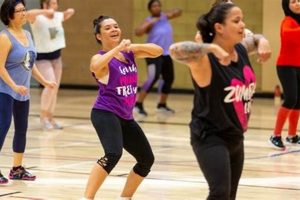
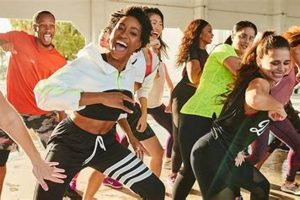
The act of initiating a Zumba program involves several key stages, from planning and securing a suitable venue to marketing and managing the classes. This process requires attention to detail, understanding the target demographic, and adhering to safety regulations for physical activity. A successful launch can offer a dynamic and engaging fitness experience for participants.
Establishing a Zumba offering can provide multiple benefits. It fosters community engagement, promotes physical and mental well-being through dance-based exercise, and can generate revenue for instructors or fitness centers. The Zumba program’s roots lie in Latin American rhythms and has evolved into a global fitness phenomenon, appealing to diverse populations seeking an enjoyable workout.
The subsequent sections will delve into critical aspects, including instructor certification, equipment needs, marketing strategies, liability considerations, and best practices for creating a positive and sustainable environment.
Guidance for Zumba Program Commencement
Implementing a Zumba program necessitates meticulous planning and a focus on participant well-being. The following tips provide essential direction for successful initiation.
Tip 1: Secure Certified Instruction: Qualified instructors are essential. Ensure Zumba instructors possess current certifications from Zumba Fitness, LLC. Verification of credentials safeguards against improper technique and potential injury.
Tip 2: Venue Selection Matters: Choose a space adequate for movement, with a suitable floor surface (avoiding excessively slippery or hard surfaces). Ample ventilation and climate control contribute to a comfortable environment.
Tip 3: Music Licensing is Critical: Adherence to copyright law is mandatory. Secure appropriate licenses for the music used in Zumba classes. Blanket licenses from performing rights organizations (e.g., ASCAP, BMI, SESAC) are typically required.
Tip 4: Prioritize Participant Safety: Implement a pre-class health screening process. Encourage participants to consult with their physicians before engaging in the program, particularly those with pre-existing medical conditions. Emphasize proper warm-up and cool-down routines.
Tip 5: Develop Targeted Marketing: Identify the intended audience and tailor promotional efforts accordingly. Community outreach programs and collaborations with local organizations can broaden reach.
Tip 6: Manage Liability Effectively: Secure appropriate liability insurance coverage. Participants should sign waivers acknowledging the inherent risks associated with physical activity.
Tip 7: Foster a Supportive Atmosphere: Cultivate a welcoming and inclusive environment. Encourage peer support and celebrate individual progress to promote long-term engagement.
These recommendations emphasize safety, legal compliance, and strategies for creating a thriving Zumba program.
The subsequent discussion will address the ongoing management and evolution of the Zumba initiative.
1. Instructor Certification

Instructor certification constitutes a foundational element in the responsible and effective launch of a Zumba program. It ensures that individuals leading classes possess the requisite knowledge, skills, and adherence to standardized methodologies. This certification directly impacts participant safety, program quality, and the overall reputation of the Zumba offering.
- Technical Proficiency
Certification programs mandate the acquisition of specific movement patterns, cueing techniques, and modifications appropriate for diverse fitness levels. Certified instructors demonstrate competence in delivering routines safely and effectively, minimizing the risk of injury. Example: A certified instructor understands how to modify a jump for participants with knee issues, ensuring inclusivity and preventing exacerbation of pre-existing conditions.
- Pedagogical Skills
Certification equips instructors with the ability to communicate effectively, motivate participants, and create a positive and engaging learning environment. Pedagogical training enhances class structure, pacing, and the overall participant experience. Example: A certified instructor utilizes verbal and non-verbal cues to guide participants through transitions, fostering a sense of accomplishment and reducing feelings of intimidation.
- Adherence to Brand Standards
Zumba Fitness, LLC, maintains specific brand standards regarding music usage, choreography, and marketing practices. Certification training reinforces these standards, ensuring consistency and protecting the integrity of the Zumba brand. Example: Certified instructors are aware of music licensing regulations and select appropriate tracks from authorized sources, avoiding copyright infringement.
- Liability Mitigation
Holding a current certification demonstrates a commitment to professional development and responsible instruction. While certification does not eliminate all liability, it serves as evidence of due diligence in the event of an injury or legal claim. Example: Insurance carriers often require proof of instructor certification for coverage related to group fitness activities, including Zumba.
The multifaceted benefits of instructor certification underscore its importance in establishing a credible and sustainable Zumba program. Investing in certified instructors safeguards participants, protects the brand, and contributes to the long-term success of the Zumba initiative.
2. Venue Accessibility

Venue accessibility represents a critical consideration in the successful commencement of a Zumba program. The physical space directly influences participant comfort, safety, and overall engagement, impacting program attendance and sustainability.
- Location Proximity and Transportation
The location of the venue influences accessibility based on geographic convenience and available transportation options. Locations near residential areas, public transit hubs, or major roadways tend to attract a larger and more consistent participant base. Example: A Zumba class held in a community center within walking distance of several apartment complexes is likely to have higher attendance than one located in an industrial park accessible only by car. Parking availability and proximity to public transport further enhance location accessibility.
- Physical Space and Layout
The interior space should accommodate the expected number of participants comfortably, allowing for unrestricted movement and choreography execution. Adequate floor space minimizes the risk of collisions and ensures a positive experience. Example: A cramped studio with limited floor space restricts movement and can lead to overcrowding, diminishing the quality of the Zumba class. An open layout with sufficient room for each participant enhances enjoyment and reduces potential hazards.
- Facility Amenities and Inclusivity
Amenities such as accessible restrooms, changing rooms, and water fountains contribute to overall participant comfort and satisfaction. Compliance with accessibility standards, including ramps, elevators, and accessible restrooms, ensures inclusivity for individuals with disabilities. Example: A Zumba class offered in a facility without accessible restrooms excludes potential participants with mobility limitations, reducing the program’s reach and inclusivity.
- Acoustics and Ambiance
The acoustic properties of the venue affect the audibility of the instructor’s cues and the impact of the music, both crucial elements in a Zumba class. Proper sound insulation minimizes distractions and prevents noise pollution. The ambiance, including lighting and decor, contributes to the overall mood and can enhance or detract from the workout experience. Example: A venue with poor acoustics and distracting background noise may hinder participants’ ability to follow the instructor’s cues and enjoy the music, negatively impacting their Zumba experience.
These facets of venue accessibility demonstrate its direct influence on the participant experience and the potential success of a Zumba program. Selecting a venue that prioritizes these considerations enhances program appeal, promotes inclusivity, and contributes to a positive and sustainable fitness offering.
3. Music Licensing
Music licensing constitutes a non-negotiable legal requirement for Zumba programs. The use of copyrighted musical works in a public performance, such as a Zumba class, necessitates obtaining permission from the copyright holders. Failure to secure appropriate licenses results in copyright infringement, exposing instructors and facilities to potential legal action, including fines and lawsuits. Zumba classes inherently rely on music for instruction, motivation, and rhythm, making music licensing an inextricable component of the programs legal and operational framework. A Zumba instructor using popular music without authorization is violating copyright law. This is unlike playing a CD at home or in private as the venue is being used for commercial purposes.
Organizations such as ASCAP (American Society of Composers, Authors and Publishers), BMI (Broadcast Music, Inc.), and SESAC (Society of European Stage Authors and Composers) represent the performing rights of songwriters and publishers. Blanket licenses obtained from these organizations grant permission to use their entire music catalogs in public performances. While Zumba Fitness, LLC, provides music options within its instructor network, instructors utilizing music outside of this curated selection remain responsible for securing independent licensing. A fitness center that hosts various group exercise classes, including Zumba, typically holds blanket licenses to cover music usage across all programs, thereby mitigating the risk of copyright infringement for its instructors.
In summation, adequate music licensing is not merely a formality, but a fundamental legal and ethical obligation for all Zumba programs. Understanding the intricacies of copyright law and proactively securing the required licenses protects instructors and facilities from legal repercussions, ensuring the sustainable and ethical operation of these fitness programs. The challenges faced are understanding this requirement and that this compliance is not optional. Ignoring the law can have consequences and can affect the Zumba class and instructor negatively.
4. Marketing Strategy
A well-defined marketing strategy is crucial for the successful launch and sustained operation of a Zumba program. It functions as the roadmap for attracting participants, building brand awareness, and differentiating the offering within a competitive fitness market.
- Target Audience Identification
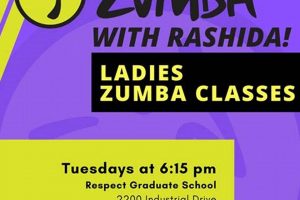
Effective marketing begins with understanding the intended participant demographic. This includes factors such as age, fitness level, socioeconomic status, and preferred exercise styles. Identifying the target audience allows for tailored messaging and targeted promotional efforts. For example, a Zumba program targeting young adults may focus on social media campaigns and collaborations with local universities, whereas a program designed for seniors may prioritize community outreach programs and partnerships with retirement homes.
- Value Proposition Communication
The marketing strategy should clearly communicate the unique value proposition of the Zumba program. This entails highlighting the benefits participants can expect to receive, such as improved fitness, stress reduction, social interaction, and an enjoyable workout experience. Differentiating factors, such as specialized instructors, unique class formats, or convenient scheduling, should also be emphasized. For example, a Zumba program may promote its unique focus on authentic Latin American dance styles or its experienced instructors with extensive dance backgrounds to attract participants seeking a more culturally immersive fitness experience.
- Promotional Channel Selection
The selection of appropriate promotional channels is critical for reaching the target audience effectively. This may include a combination of online and offline marketing tactics, such as social media advertising, website development, email marketing, print advertising, community events, and partnerships with local businesses. The optimal channel mix depends on the target audience and budget constraints. For example, a Zumba program may utilize targeted Facebook advertising to reach potential participants in a specific geographic area or collaborate with a local health food store to offer promotional discounts to their customers.
- Performance Monitoring and Adjustment
A successful marketing strategy involves ongoing performance monitoring and adjustment. Key performance indicators (KPIs), such as website traffic, lead generation, class attendance, and participant feedback, should be tracked regularly. Analyzing these metrics allows for identifying areas for improvement and optimizing marketing efforts over time. For example, if a Zumba program observes low attendance at a particular class time, it may adjust the schedule or offer promotional discounts to attract more participants.
The interrelation of these facets within a marketing strategy underscores its integral role in realizing success in any Zumba program. This ensures effective promotion and management that will impact in long term.
5. Liability Coverage

Liability coverage constitutes a fundamental aspect when initiating a Zumba program. This type of insurance serves as a financial safeguard against potential claims arising from injuries sustained during class participation. Without adequate coverage, instructors and facility owners risk significant financial losses due to legal settlements and related expenses.
- General Liability Insurance
This insurance type protects against claims of bodily injury or property damage sustained by participants. For instance, if a participant slips and falls during a class due to a wet floor, general liability insurance can cover the resulting medical expenses and potential legal fees. The coverage extends to incidents occurring on the premises during scheduled classes, protecting the instructor and the facility from financial repercussions.
- Professional Liability Insurance (Errors and Omissions)
This specific coverage protects against claims of negligence or professional malpractice. Should an instructor provide incorrect instruction leading to a participant’s injury, professional liability insurance can cover the legal defense costs and any subsequent settlements. The insurance covers claims arising from instructional errors, ensuring instructors are protected from financial strain due to unintended consequences of their teaching.
- Accident Medical Insurance
This form of coverage supplements general liability by providing medical payments for participants injured during a class, irrespective of fault. If a participant twists an ankle during a Zumba routine, accident medical insurance can assist with their medical bills, regardless of whether the instructor was negligent. This coverage offers a no-fault solution for minor injuries, fostering goodwill and potentially preventing further legal action.
- Waivers and Release Forms
While not insurance itself, well-drafted waivers are a crucial component of liability management. These forms, signed by participants, acknowledge the inherent risks associated with physical activity and release the instructor and facility from certain liabilities. The enforceability of waivers varies by jurisdiction; however, they serve as evidence that participants were informed of potential risks. A clearly worded waiver, reviewed by legal counsel, strengthens the defense against potential lawsuits.
These facets of liability coverage, combined with proper risk management practices, mitigate the financial and legal risks associated with conducting a Zumba program. Ensuring adequate protection enables instructors and facility owners to offer fitness classes with confidence, fostering a safe and sustainable environment for participants.
Frequently Asked Questions Regarding Starting a Zumba Class
This section addresses common inquiries and concerns related to initiating a Zumba program, providing factual and objective responses to guide informed decision-making.
Question 1: What are the minimum qualifications required to instruct a Zumba class?
Instructors must possess a valid Zumba Instructor Training certificate obtained through Zumba Fitness, LLC. Maintaining an active license and adhering to the organization’s guidelines is crucial for quality control and brand integrity.
Question 2: What are the primary legal considerations when selecting music for a Zumba class?
Copyright law necessitates obtaining proper licenses for all music used in public performances. Blanket licenses from performing rights organizations (PROs) such as ASCAP, BMI, and SESAC are typically required to legally play copyrighted music in a Zumba class.
Question 3: What type of insurance coverage is essential for a Zumba instructor?
General liability insurance is paramount to protect against claims of bodily injury or property damage. Professional liability insurance (errors and omissions) provides additional protection against claims of negligence related to instruction. These measures mitigate financial risk.
Question 4: What are the key elements of an effective marketing strategy for a Zumba class?
A successful marketing strategy involves identifying a target audience, communicating the unique value proposition, selecting appropriate promotional channels, and monitoring performance metrics to optimize efforts. It’s important to understand demographics and to meet the markets’ needs.
Question 5: What are the space requirements for hosting a Zumba class?
The venue should offer sufficient floor space to accommodate participants comfortably, allowing for freedom of movement without overcrowding. Considerations include flooring type (avoiding slippery or hard surfaces), ventilation, and climate control. Safety considerations are important to prevent injuries.
Question 6: How frequently should instructor certifications be renewed?
Zumba Instructor Training certificates typically require periodic renewal to ensure instructors remain current with the latest techniques, safety guidelines, and program updates. Renewal requirements are established by Zumba Fitness, LLC, and should be verified directly with the organization.
In summation, the successful establishment of a Zumba program necessitates meticulous attention to legal compliance, instructor qualifications, marketing effectiveness, and risk management. Adherence to these factors fosters a safe, sustainable, and appealing fitness experience.
The following section addresses strategies for long-term growth and sustainability.
Starting a Zumba Class
The preceding exploration of “starting a Zumba class” has detailed the essential components for successful implementation. These include instructor certification verification, adherence to music licensing regulations, securing adequate liability coverage, formulating targeted marketing strategies, and ensuring appropriate venue accessibility. Mastery of these elements is necessary for establishing a compliant and sustainable fitness offering.
Diligent attention to these aspects enables instructors and facility owners to provide a safe, engaging, and legally sound Zumba experience. As such, prospective program initiators are urged to prioritize these considerations, fostering a thriving and responsible Zumba community. The impact is more then just the act of starting, but setting the foundation for the future.