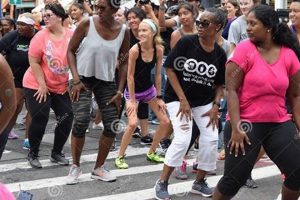
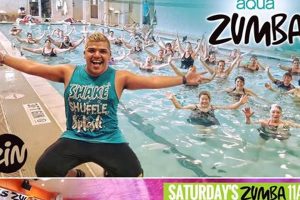
An introductory guide designed to familiarize individuals with Zumba, a fitness program that combines Latin and international music with dance moves, is a resource targeted towards beginners. This guide typically offers simplified instruction and modifications to accommodate varying fitness levels, allowing new participants to learn the basic steps and principles of the workout at their own pace. It serves as an accessible entry point for those intimidated by more advanced Zumba classes or unfamiliar with dance-based fitness routines.
The value of such a resource lies in its ability to demystify the world of Zumba, making it approachable and less daunting for prospective participants. It provides a structured learning environment, potentially increasing adherence to a fitness regimen by fostering confidence and competence in its practitioners. Historically, similar introductory guides have proven effective in broadening the appeal of various activities by reducing the perceived barrier to entry, ultimately promoting wider participation and improved health outcomes.
The subsequent sections of this article will explore the core elements of this fitness concept, including modifications, nutritional advice, and equipment recommendations. The article will also address common questions and concerns for beginners.
Essential Guidance for Zumba Novices
The following constitutes a series of recommendations intended to optimize the initial Zumba experience for individuals new to the fitness discipline.
Tip 1: Prioritize Foundational Movements. Focus on mastering the core steps, such as the Merengue, Salsa, and Cumbia, before attempting more complex choreography. This establishes a solid foundation, minimizing the risk of injury and maximizing the workout’s effectiveness.
Tip 2: Modify Intensity According to Fitness Level. Adapt the routines to suit individual capabilities. Lower-impact variations, such as reducing jump height or opting for walking instead of running in place, are permissible and encouraged to prevent overexertion.
Tip 3: Select Appropriate Footwear. Proper footwear is paramount to prevent injury. Shoes with adequate lateral support and cushioning are recommended. Avoid footwear with excessive grip, as it may hinder necessary pivoting motions.
Tip 4: Hydrate Consistently. Maintain adequate hydration throughout the Zumba session. Water should be consumed both before, during, and after the workout to replenish fluids lost through perspiration and maintain optimal performance.
Tip 5: Listen to the Body’s Signals. Pay close attention to any signs of discomfort or pain. If discomfort arises, immediately reduce intensity or discontinue the exercise. Ignoring such signals may lead to injury.
Tip 6: Utilize Available Resources. Leverage supplementary materials, such as online tutorials or beginner-specific classes, to reinforce proper technique and understanding of the routines. Consistent practice alongside these resources enhances proficiency.
Tip 7: Be Patient and Persistent. Proficiency in Zumba, like any fitness activity, requires consistent effort and time. Expect a learning curve and maintain a positive attitude, focusing on progress rather than immediate perfection.
Adhering to these guidelines will assist in mitigating potential risks and fostering a more enjoyable and effective introduction to Zumba. The benefits of a structured approach in Zumba are improved cardiovascular health, increased coordination, and enhanced overall well-being.
The subsequent segment of this article addresses nutritional recommendations for those engaging in Zumba as part of a broader fitness strategy.
1. Modifications

Within the context of Zumba fitness, especially when approached through introductory resources, modifications represent a cornerstone for accessibility and safety. These alterations to standard Zumba routines are critical for individuals of varying fitness levels, physical limitations, or prior dance experience, allowing for broader participation and reduced risk of injury.
- Impact Reduction
Impact reduction focuses on lowering the intensity of movements that involve jumping or high-impact steps. For example, instead of a full jump during a Salsa combination, the participant can perform a simple step touch or a shallow squat. This adaptation is crucial for individuals with joint issues or those who are new to exercise, minimizing stress on the knees, ankles, and hips.
- Tempo Adjustment
Slowing down the pace of the music and the movements is another essential modification. This allows beginners to learn the steps more effectively and provides more time to coordinate their movements. It also reduces the cardiovascular demand, making the workout more manageable for individuals with lower fitness levels or certain health conditions.
- Range of Motion Adaptation
Adjusting the range of motion is beneficial for individuals with limited flexibility or musculoskeletal issues. Reducing the depth of squats or the extent of arm movements ensures that the exercise remains within a comfortable and safe range. This prevents overextension and minimizes the risk of muscle strains or other injuries.
- Step Simplification
Simplifying the footwork or dance patterns is crucial for individuals with no prior dance experience or difficulty with coordination. Breaking down complex steps into smaller, more manageable components and focusing on the basic rhythm allows beginners to gradually build their skills and confidence. It prevents frustration and encourages continued participation.
The implementation of these modifications is directly linked to the concept of beginner-friendly fitness resources. By providing tailored adjustments, individuals can safely and effectively participate in Zumba, regardless of their current fitness level or physical limitations. These adaptive strategies are key to fostering a positive and inclusive exercise experience, promoting long-term engagement and adherence to a healthy lifestyle.
2. Basic steps
Within an introductory Zumba framework, commonly associated with beginner-oriented guides, fundamental movements form the bedrock of the exercise routine. Acquiring proficiency in these basic steps is paramount to progressing within the discipline and deriving its full benefits. These guides emphasize the importance of mastering foundational techniques before attempting more complex choreographic sequences.
- Merengue Foundation
The Merengue is a foundational step characterized by weight shifting from one foot to the other, generally accompanied by a slight hip sway. It serves as a core component in many Zumba routines, offering a relatively simple entry point for beginners while building coordination and rhythm. Its prevalence ensures that newcomers quickly become familiar with a common dance element.
- Salsa Integration
Salsa steps in Zumba are often simplified versions of traditional Salsa patterns, involving forward and backward steps, side steps, or variations on a basic rock step. These steps introduce a Latin flavor and contribute to the overall dynamic and energetic nature of the workout. Mastering these simplified Salsa steps provides a basis for potentially exploring more complex Salsa dance forms.
- Cumbia Variations
Cumbia steps generally involve a side-to-side movement, often combined with a slight forward or backward step, and are frequently incorporated in a repetitive, rhythmic manner. This step is beneficial for improving lateral movement skills and enhancing overall coordination. Its straightforward nature makes it accessible for individuals new to dance or exercise.
- Reggaeton Influence
While Reggaeton may present a more challenging rhythm, basic Reggaeton steps in Zumba typically involve a pulse or bounce, often combined with simple steps forward, backward, or to the side. This style introduces a more modern and energetic element to the workout and can help to improve coordination and cardiovascular fitness. Modifications are often implemented to accommodate beginners.
The systematic introduction and practice of these basic steps are crucial elements of an effective beginner’s Zumba program. They provide a foundation for more complex routines and help to ensure a safe and enjoyable exercise experience. The utilization of introductory guides allows participants to gradually build their skills and confidence, ultimately fostering long-term engagement with Zumba as a fitness activity.
3. Appropriate attire

Selecting the correct attire is a crucial aspect for individuals commencing a Zumba fitness program, particularly when using beginner-focused resources. Appropriate clothing and footwear significantly impact both performance and safety, facilitating ease of movement and minimizing the risk of injury.
- Supportive Footwear
Footwear designed for Zumba must provide adequate lateral support to accommodate the dynamic side-to-side movements inherent in the routines. Shoes with insufficient support may lead to ankle instability and potential injuries. Examples include cross-training shoes with moderate cushioning and non-marking soles. Improper footwear selection negates the benefits of modified routines for beginners.
- Breathable Fabrics
Zumba is a high-energy activity that generates significant body heat. Clothing constructed from breathable, moisture-wicking fabrics facilitates effective ventilation and temperature regulation. Examples include synthetic blends like polyester or nylon. The use of non-breathable materials can result in discomfort and reduced performance, hindering the individual’s ability to follow the routine effectively.
- Unrestricted Movement
Attire should allow for a full range of motion without constriction. Tight-fitting or restrictive garments may impede the ability to execute dance steps correctly and safely. Loose-fitting athletic wear, such as comfortable leggings or shorts and a tank top or t-shirt, provides ample room for movement. Overly restrictive clothing can limit flexibility and increase the risk of muscle strain.
- Consideration of Accessories
Accessories should be carefully considered and minimized to avoid distractions or potential hazards. Long necklaces or dangling earrings may interfere with movement and increase the risk of injury. Securely fastened hair accessories are advisable to maintain clear visibility. Failure to account for accessory safety can lead to accidents and impede the individual’s progress in learning Zumba fundamentals.
The proper selection of attire is integral to a safe and effective Zumba experience, especially when utilizing beginner-oriented resources. Footwear, fabric choice, freedom of movement, and accessory considerations directly impact the individual’s ability to learn and execute the routines correctly and safely. These factors are paramount for establishing a solid foundation in Zumba and preventing potential injuries.
4. Hydration

Adequate hydration is a critical component of any physical activity, and its importance is magnified within the context of a beginner’s introduction to Zumba. The high-intensity, dance-based nature of Zumba induces significant perspiration, leading to fluid loss and potential electrolyte imbalances. Failure to replenish these fluids can result in decreased performance, muscle cramping, dizziness, and, in severe cases, heat exhaustion. Resources geared toward beginners often emphasize this aspect to promote a safe and effective initial experience.
Zumba fitness resources tailored for novices often include specific guidelines regarding fluid intake before, during, and after a workout. For example, a recommendation might be to consume 16-20 ounces of water 2-3 hours prior to exercise, followed by another 8 ounces 20-30 minutes before commencing the routine. During the workout, small sips of water are advised every 15-20 minutes to maintain hydration levels. Post-exercise, replenishing fluids and electrolytes lost through sweat is crucial for recovery. Electrolyte-enhanced beverages or simple homemade solutions can aid in restoring balance.
The link between hydration and Zumba, especially for beginners, is undeniable. Neglecting proper fluid intake can negate the positive effects of the exercise and lead to adverse health outcomes. Introductory guides and instructional materials play a vital role in educating individuals about the necessity of hydration and providing practical strategies for maintaining optimal fluid balance throughout the Zumba experience, ensuring a safer and more enjoyable introduction to this fitness discipline.
5. Progressive Intensity

Progressive intensity, within the framework of beginner-oriented Zumba fitness resources, signifies the gradual increase in the demands of the exercise regimen. Its application is crucial for ensuring safety, adherence, and long-term engagement with the activity. A failure to implement this principle can result in injury, discouragement, and premature discontinuation of the program. Resources designed for novices typically incorporate specific strategies to manage intensity levels.
- Duration Management
Duration management refers to the systematic extension of the Zumba session’s length over time. Initially, beginners may commence with shorter sessions, such as 20-30 minutes, gradually increasing to the standard 45-60 minute class duration. This incremental approach allows the cardiovascular system and musculoskeletal structures to adapt to the demands of the exercise, reducing the risk of overexertion. Real-world examples include starting with half a Zumba class and adding 5-10 minutes each week. This aspect is paramount in “zumba fitness for dummies,” where the goal is to ease individuals into the activity without overwhelming them.
- Choreography Complexity
The complexity of the dance routines should increase progressively. Beginner programs often feature simplified versions of Zumba steps, focusing on mastering foundational movements before introducing more intricate sequences. This approach allows participants to develop coordination, rhythm, and muscle memory without feeling overwhelmed. For example, a class might begin with basic Merengue steps and slowly integrate Salsa variations. The implications for “zumba fitness for dummies” are significant, as it prevents beginners from becoming discouraged by overly complex routines.
- Impact Level Adjustment
Modifying the impact level of exercises is essential for accommodating different fitness levels and minimizing the risk of injury. Lower-impact variations, such as step-touches instead of jumps, are incorporated initially, gradually transitioning to higher-impact movements as fitness improves. A real-world example is modifying a Salsa step by removing the jump or hop. This facet directly addresses concerns in “zumba fitness for dummies” regarding potential joint stress or musculoskeletal strain, making the program more accessible.
- Resistance Integration
The incorporation of resistance, such as light weights or resistance bands, should be gradual and carefully managed. Beginners should focus on mastering proper form before adding external resistance to avoid injury. A typical approach is to introduce light hand weights during arm-focused segments of the routine. The implications for “zumba fitness for dummies” involve a measured introduction of resistance to enhance muscle strength and endurance, while prioritizing safety and technique.
The implementation of progressive intensity principles is integral to the success of beginner-oriented Zumba programs. By carefully managing duration, choreography complexity, impact level, and resistance integration, these resources ensure a safe, enjoyable, and effective introduction to Zumba. The ultimate goal is to foster long-term adherence and a positive association with physical activity.
Frequently Asked Questions about Introductory Zumba Resources
The following section addresses common inquiries regarding beginner-level Zumba instruction, providing clarity and guidance for individuals new to this fitness discipline.
Question 1: What constitutes a beginner-friendly Zumba resource?
A beginner-friendly Zumba resource typically includes simplified choreography, modified movements to accommodate varying fitness levels, and a gradual increase in intensity. The resource often provides detailed instructions and demonstrations of basic steps, focusing on proper form and technique. Supplemental materials, such as online tutorials or written guides, may also be included.
Question 2: Is prior dance experience necessary to engage with introductory Zumba materials?
Prior dance experience is not a prerequisite for participating in beginner-level Zumba programs. These programs are designed to be accessible to individuals with no prior dance background, emphasizing simple steps and gradual skill development. The focus is on fitness and enjoyment rather than technical dance proficiency.
Question 3: How can potential participants assess their readiness for a Zumba beginner program?
Individuals can assess their readiness by considering their current fitness level, any existing physical limitations, and their comfort level with physical activity. Consulting with a healthcare professional prior to starting any new exercise program is advisable, particularly for individuals with pre-existing medical conditions. A trial session or introductory class can provide a more practical assessment of suitability.
Question 4: What are the primary benefits of utilizing a beginner-level Zumba program?
Primary benefits include improved cardiovascular fitness, enhanced coordination, increased flexibility, and a reduction in stress levels. Beginner programs are designed to be accessible and enjoyable, promoting adherence and long-term engagement in physical activity. The social aspect of group Zumba classes can also contribute to increased motivation and a sense of community.
Question 5: What modifications are typically offered in beginner-level Zumba routines?
Common modifications include reducing the impact of jumps and other high-impact movements, slowing down the tempo of the music, simplifying the choreography, and providing alternative steps for individuals with physical limitations. The goal of these modifications is to ensure that the program is safe and accessible for participants of all fitness levels.
Question 6: How long does it typically take to progress from a beginner-level Zumba program to a more advanced level?
The timeframe for progressing to a more advanced Zumba level varies depending on individual factors such as fitness level, coordination, and frequency of participation. Consistent participation and gradual increases in intensity are key to progression. Some individuals may be ready to advance after several weeks, while others may require several months of consistent practice.
In summary, beginner-level Zumba resources provide a structured and accessible introduction to the fitness discipline, emphasizing safety, enjoyment, and gradual skill development.
The subsequent section explores equipment recommendations for engaging in Zumba.
Zumba Fitness for Dummies
This article explored the concept of Zumba fitness resources designed for novices. Key points included the necessity of modifications for varying fitness levels, the importance of mastering basic steps, appropriate attire selection, the critical role of hydration, and the application of progressive intensity. These elements contribute to a safer and more effective introduction to Zumba, mitigating potential risks and fostering a positive initial experience.
The successful implementation of the principles outlined herein is crucial for broadening access to Zumba and promoting long-term adherence to a fitness regimen. Continued attention to accessible instruction and safety measures will further solidify Zumba’s role as a valuable tool for improving public health.