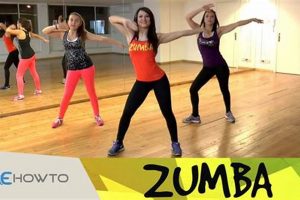
Apparel designed specifically for the Zumba fitness program caters to the unique demands of this energetic dance workout. Such attire prioritizes comfort, flexibility, and breathability, enabling participants to move freely and stay cool during high-intensity activity. Examples include moisture-wicking tops, supportive leggings, and comfortable athletic shoes.
The significance of appropriate garments lies in their ability to enhance the workout experience. Benefits include improved range of motion, reduced chafing, and regulation of body temperature. Historically, participants often wore standard athletic wear, but the evolution of specialized Zumba apparel reflects a growing awareness of its impact on performance and comfort.
Subsequent discussion will delve into the specific features to seek in high-quality garments, including fabric technology, design considerations, and practical advice for selecting suitable options. Furthermore, considerations for different body types and workout intensities will be addressed, providing a comprehensive guide for selecting the ideal workout wardrobe.
Guidance for Selecting Zumba Apparel
Choosing appropriate attire significantly impacts the Zumba experience. Considerations extend beyond aesthetics and include functionality and comfort to optimize performance.
Tip 1: Prioritize Moisture-Wicking Fabrics. Look for materials designed to draw sweat away from the body, such as polyester blends or performance knits. This aids in temperature regulation and prevents discomfort during vigorous activity.
Tip 2: Ensure Adequate Range of Motion. Select garments that allow unrestricted movement. Stretchy fabrics and articulated designs in areas like the shoulders and hips are crucial for Zumba’s dynamic choreography.
Tip 3: Opt for Supportive Undergarments. A high-impact sports bra is essential for minimizing bounce and providing support. Consider compression shorts or leggings to reduce muscle fatigue and improve circulation.
Tip 4: Consider Layering Options. A light jacket or wrap can be beneficial for warm-up and cool-down periods. Choose breathable fabrics to avoid overheating once the workout intensity increases.
Tip 5: Evaluate Shoe Support. Proper footwear is crucial for injury prevention. Look for shoes with adequate cushioning, arch support, and lateral stability to accommodate Zumba’s diverse movements.
Tip 6: Pay Attention to Fit. Garments should fit comfortably without being too loose or restrictive. A streamlined fit can reduce chafing and enhance freedom of movement.
Tip 7: Assess Durability. Zumba involves repetitive movements, so choose well-constructed garments with reinforced seams and durable fabrics that can withstand frequent wear and washing.
Selecting appropriate attire based on the outlined guidance enhances comfort, performance, and overall enjoyment of the Zumba program. Investing in quality garments tailored to the activity is a worthwhile endeavor.
The subsequent section will address the specific design features and style considerations that further contribute to an optimal Zumba experience.
1. Moisture-wicking
The integration of moisture-wicking technology within clothing designed for Zumba fitness directly addresses the physiological demands of this high-intensity workout. Zumba, characterized by its vigorous dance movements, induces significant perspiration. Without adequate moisture management, accumulated sweat leads to discomfort, chafing, and a decline in body temperature regulation, impeding performance and potentially increasing the risk of illness. Moisture-wicking fabrics mitigate these issues by drawing perspiration away from the skin’s surface, promoting evaporation and maintaining a more comfortable and drier microclimate. For instance, a Zumba participant wearing a cotton t-shirt will quickly become saturated with sweat, leading to discomfort and restricted movement. Conversely, a garment constructed from a moisture-wicking polyester blend will facilitate sweat evaporation, enhancing comfort and allowing for sustained, uninhibited participation.
The practical significance of understanding this relationship lies in informed purchasing decisions. Consumers seeking apparel for Zumba fitness should prioritize garments explicitly labeled as moisture-wicking. Marketing claims should be verified by examining the fabric composition; synthetic materials like polyester, nylon, and polypropylene, or blends incorporating these fibers, are generally more effective than natural fibers like cotton. Furthermore, the construction of the garment can influence its moisture-wicking capabilities. Mesh panels or strategically placed ventilation can enhance airflow and promote more efficient evaporation. A real-world application of this knowledge involves choosing a moisture-wicking sports bra over a conventional one, as the sports bra is in close contact with the skin and is prone to sweat accumulation during high-impact activities. By prioritizing this feature, individuals can significantly improve their comfort and performance during Zumba sessions.
In summary, the incorporation of moisture-wicking technology is not merely a desirable feature but a necessity for effective Zumba apparel. Its ability to manage perspiration directly impacts comfort, performance, and overall well-being. While challenges may include accurately identifying genuine moisture-wicking fabrics and balancing this feature with other considerations like cost and style, understanding the fundamental relationship between moisture-wicking and the demands of Zumba fitness empowers individuals to make informed choices that optimize their workout experience and supports a broader commitment to physical well-being and fitness goals.
2. Flexibility
The capacity for unrestricted movement is paramount in Zumba fitness, where choreography demands a wide range of motion. Consequently, the design and construction of apparel intended for this activity must prioritize flexibility. Inadequate garment flexibility directly impedes a participant’s ability to execute Zumba’s intricate steps, leading to decreased performance, potential injury, and diminished enjoyment. The connection between garment flexibility and freedom of movement represents a fundamental cause-and-effect relationship. A garment that restricts movement, due to stiff fabric or a poor cut, will inherently limit a participant’s ability to perform Zumba routines effectively. Conversely, apparel designed with flexibility in mind facilitates a fuller range of motion, allowing participants to maximize the workout’s benefits. For example, rigid denim jeans would severely restrict hip and leg movements, while stretchy leggings constructed from a spandex blend would allow for full extension and rotation.
The practical application of this understanding lies in the selection of apparel. Prioritizing fabrics with inherent stretch, such as spandex, elastane, or blends thereof, is crucial. Additionally, the cut and design of the garment must accommodate the dynamic movements characteristic of Zumba. Garments with articulated seams, gussets in areas like the crotch and underarms, and strategically placed stretch panels enhance flexibility. For example, a top with raglan sleeves allows for a greater range of arm movement compared to a traditional set-in sleeve. Similarly, leggings with a high waistband and four-way stretch fabric provide support and flexibility throughout the workout. Observing professional Zumba instructors and noting the types of apparel they wear provides valuable insight into suitable choices. The benefits of flexible garments extend beyond performance; they also contribute to comfort, preventing chafing and irritation caused by restricted movement. This is particularly important in Zumba, where prolonged and repetitive movements are common.
In summary, flexibility is not merely a desirable attribute but a fundamental requirement for apparel intended for Zumba fitness. Its impact on performance, comfort, and injury prevention is undeniable. While challenges may arise in distinguishing between genuinely flexible garments and those that merely appear so, a discerning approach that considers fabric composition, construction details, and user reviews will ultimately lead to a more informed and successful purchase. Selecting apparel that prioritizes flexibility empowers individuals to fully engage in the Zumba experience, maximizing its physical and mental benefits and fostering a sustained commitment to this dynamic fitness activity.
3. Support

Adequate support is a critical factor in selecting appropriate apparel for Zumba fitness, particularly for women. The high-impact nature of Zumba, characterized by repetitive jumping, twisting, and dynamic movements, places considerable stress on the body. Apparel that provides insufficient support can lead to discomfort, pain, and potentially, long-term injuries.
- Breast Support
A high-impact sports bra is essential for minimizing breast movement during Zumba. Insufficient breast support can result in pain, discomfort, and premature sagging. Sports bras designed for high-impact activities offer compression and encapsulation, reducing bounce and providing stability. Examples include racerback styles with adjustable straps and wide underbands. Neglecting this aspect can lead to chronic back and neck pain and hinder the ability to fully participate in Zumba routines.
- Muscle Support
Compression garments, such as leggings or shorts, can provide support to leg muscles. Compression helps to improve circulation, reduce muscle fatigue, and minimize soreness after intense workouts. For instance, compression leggings can support the quadriceps and hamstrings, reducing muscle vibration and improving proprioception. This support is particularly beneficial during Zumba sessions, which involve repetitive leg movements and high levels of impact.
- Core Support
Apparel that offers core support can improve posture and stability during Zumba. High-waisted leggings or shorts with a compressive waistband can engage the core muscles, promoting better alignment and reducing the risk of lower back pain. Core support is especially important during twisting and turning movements, which are common in Zumba choreography. A stable core allows for more efficient and controlled movements, enhancing performance and reducing the risk of injury.
- Foot Support
While not strictly clothing, footwear significantly contributes to overall support. Shoes designed for cross-training or dance fitness provide cushioning, arch support, and lateral stability. These features are essential for absorbing impact and preventing injuries to the feet, ankles, and knees. Shoes with inadequate support can lead to plantar fasciitis, shin splints, and other foot-related issues. Proper footwear complements supportive clothing, creating a cohesive system for optimal performance and injury prevention.
The provision of adequate support, encompassing breast, muscle, core, and foot support, is a fundamental consideration in selecting Zumba apparel. By prioritizing garments that offer these essential elements, individuals can enhance their comfort, improve their performance, and reduce their risk of injury, allowing them to fully enjoy the benefits of Zumba fitness.
4. Durability
Durability, in the context of Zumba fitness apparel, refers to the clothing’s ability to withstand the rigors of frequent, high-intensity workouts and repeated washings without significant degradation in performance or appearance. The connection between durability and Zumba garments is direct: the more durable the clothing, the longer it will maintain its intended function and aesthetic appeal. This is a cause-and-effect relationship; substandard materials or construction will inevitably lead to premature wear and tear, rendering the garment less effective and requiring more frequent replacements. For instance, leggings constructed from thin, poorly woven fabric may develop holes or lose their shape after only a few Zumba sessions, while those made from a robust, tightly knit fabric will endure considerably longer.
The importance of durability cannot be overstated. Zumba involves repetitive movements and exposure to sweat, factors that can accelerate the breakdown of clothing fibers. Garments lacking durability may lose their elasticity, resulting in a poor fit and reduced support. Faded colors, stretched seams, and pilling are common indicators of inadequate durability, compromising the garment’s appearance and functionality. Practically, this means that investing in durable apparel translates to long-term cost savings and a more comfortable and reliable workout experience. For example, a slightly more expensive pair of leggings with reinforced seams and a resilient fabric may last for years, ultimately costing less than purchasing several cheaper, less durable pairs over the same period. Furthermore, durable garments contribute to sustainability by reducing the need for frequent replacements, minimizing waste and environmental impact.
In summary, durability is a paramount consideration when selecting apparel for Zumba fitness. Its impact on garment longevity, performance, and overall value is undeniable. While the initial cost of durable garments may be higher, the long-term benefits outweigh the investment. Choosing wisely ensures sustained comfort, reliable support, and a reduced environmental footprint, contributing to a more fulfilling and sustainable Zumba experience. Identifying genuinely durable garments requires careful assessment of fabric quality, construction techniques, and user reviews, but the effort is well justified by the resulting benefits.
5. Style

Style, within the context of Zumba fitness apparel, extends beyond mere aesthetics. It represents a confluence of design elements that contribute to confidence, self-expression, and ultimately, enhanced motivation. While functionality remains paramount, the psychological impact of visually appealing attire directly influences a participant’s willingness to engage fully in the workout. A garment’s design, color palette, and overall aesthetic can positively affect body image and self-esteem, creating a more positive and encouraging exercise environment. For example, a participant who feels confident and stylish in their Zumba apparel is more likely to participate actively and consistently. The inverse is also true: ill-fitting or aesthetically unappealing clothing can contribute to self-consciousness and hinder performance.
The practical application of this understanding involves carefully considering personal preferences and body type when selecting garments. Retailers specializing in fitness apparel often offer a diverse range of styles, catering to various tastes and body shapes. Understanding how different cuts and colors complement individual features is crucial. For instance, darker colors can create a slimming effect, while brighter colors can inject energy and vibrancy. Additionally, considering the specific aesthetic of the Zumba program itself is important. Many Zumba instructors incorporate specific themes or color schemes into their classes, and aligning one’s attire with these themes can enhance the sense of belonging and community. It’s important to note that “style” does not equate to sacrificing functionality. Garments can be both stylish and functional, offering a blend of aesthetic appeal and performance-enhancing features.
In summary, style is an integral component of Zumba fitness apparel, contributing significantly to psychological well-being and workout adherence. While practical considerations like fabric, fit, and support remain essential, acknowledging and prioritizing style allows individuals to create a more positive and motivating exercise experience. Identifying garments that align with personal preferences and body type, while simultaneously meeting the functional demands of Zumba, requires careful consideration. However, the resulting boost in confidence and motivation makes the effort worthwhile. By embracing style as a key element, participants can enhance their overall Zumba experience and foster a more sustained commitment to their fitness goals.
Frequently Asked Questions About Zumba Fitness Apparel for Women
This section addresses common inquiries concerning the selection and maintenance of garments designed for the Zumba fitness program.
Question 1: What constitutes “Zumba fitness women’s clothing”?
This refers to apparel specifically designed to meet the demands of the Zumba workout. Key features include moisture-wicking fabrics, flexible construction, and supportive elements.
Question 2: Why is specialized apparel necessary for Zumba?
Standard athletic wear may not adequately address the intensity and range of motion required by Zumba. Specialized apparel enhances comfort, performance, and injury prevention.
Question 3: What are the most crucial features to look for in Zumba apparel?
Prioritize moisture-wicking capabilities, flexibility, adequate support, and durability. Style should complement these functional aspects.
Question 4: How does fabric composition affect performance in Zumba apparel?
Synthetic fabrics like polyester and spandex offer superior moisture-wicking and stretch compared to natural fibers like cotton. Fabric blends often combine these properties for optimal performance.
Question 5: What is the best way to care for Zumba apparel to maximize its lifespan?
Follow the manufacturer’s instructions carefully. Generally, washing in cold water and air-drying is recommended to preserve fabric integrity and elasticity. Avoid harsh detergents and bleach.
Question 6: How often should Zumba apparel be replaced?
The lifespan of Zumba apparel depends on factors such as frequency of use and garment quality. Signs of wear, such as loss of elasticity, fading, or damage, indicate the need for replacement.
Selecting appropriate apparel designed for the specific requirements of Zumba fitness is an investment in comfort, performance, and overall well-being.
The subsequent section will explore specific garment types suitable for Zumba, providing detailed recommendations for maximizing workout effectiveness.
Conclusion
The foregoing exploration of zumba fitness women’s clothing underscores the importance of specialized apparel in optimizing the exercise experience. Functional characteristics like moisture-wicking, flexibility, support, and durability contribute directly to performance, comfort, and injury prevention. The impact of style, while less tangible, is equally significant in fostering motivation and self-expression. Informed selection of garments, based on these criteria, represents a crucial element in maximizing the benefits of the Zumba program.
A continuing commitment to understanding the evolving landscape of fitness apparel and its impact on physical well-being remains paramount. The conscientious application of these principles will empower individuals to make informed choices, fostering sustained engagement with Zumba and promoting a healthier lifestyle. Further research and development in this area are essential to continue enhancing the design and functionality of garments tailored to the specific needs of active women.