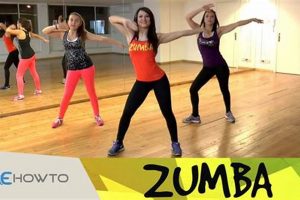
The term refers to structured educational programs that equip individuals with the knowledge and skills necessary to instruct Zumba, a popular dance fitness program. These programs, often delivered through workshops and online modules, cover topics such as Zumba’s core rhythms, instructional techniques, and cueing methods. Successful completion typically leads to a recognized credential allowing graduates to teach officially branded sessions.
Acquiring the relevant credential offers several advantages, including professional credibility, access to official Zumba resources, and the ability to legally teach Zumba classes. Historically, these programs have played a vital role in ensuring consistent quality and safety standards across the Zumba instructor network, contributing to the brand’s widespread popularity and global reach. Furthermore, they provide a standardized framework for individuals pursuing a career in the fitness industry, specializing in dance-based instruction.
The subsequent sections will delve into the different types of training offered, the prerequisites for participation, the curriculum details, and the process for maintaining certification. Additionally, this will cover the career opportunities available to certified professionals, as well as best practices for maximizing the benefits of undertaking such a program.
Essential Guidance for Aspiring Zumba Instructors
The following recommendations are designed to assist individuals considering enrollment in educational courses for Zumba instruction. Adherence to these suggestions can enhance the learning experience and increase the likelihood of professional success.
Tip 1: Thoroughly Research Available Programs: Prior to registration, prospective students should carefully examine the curriculum, instructor qualifications, and reputation of various course providers. Seek out programs that align with individual learning styles and career goals.
Tip 2: Establish a Strong Foundation in Dance and Fitness: While not always mandatory, a background in dance or fitness can significantly improve comprehension and practical application of the course material. Consider supplementary training in these areas beforehand.
Tip 3: Actively Participate in Class Sessions: Maximize learning opportunities by engaging actively in all practical and theoretical components of the curriculum. Ask clarifying questions and seek personalized feedback from instructors.
Tip 4: Practice Regularly: Consistent practice of Zumba routines and instructional techniques is crucial for developing proficiency and confidence. Allocate dedicated time for independent practice outside of scheduled class sessions.
Tip 5: Master Cueing Techniques: Effective cueing is essential for guiding participants safely and effectively through Zumba routines. Pay particular attention to learning and practicing clear, concise, and timely cueing methods.
Tip 6: Understand Zumba’s Core Rhythms: A comprehensive understanding of the fundamental rhythms that underpin Zumba is vital for creating authentic and engaging classes. Dedicate time to studying and internalizing these rhythms.
Tip 7: Network with Experienced Instructors: Building connections with established professionals can provide valuable mentorship and networking opportunities. Attend industry events and connect with instructors online.
These strategies are intended to empower prospective instructors with the knowledge and preparation needed to excel in their training and subsequent careers. Diligent application of these principles can contribute to a more fulfilling and successful journey as a Zumba instructor.
The final section will summarize the key elements of professional development and ongoing education for certified Zumba instructors.
1. Accreditation Standards

Accreditation standards serve as the cornerstone of legitimacy and quality control within programs of study focused on dance fitness instruction. In the context of instructor training, these standards ensure that prospective instructors receive education aligned with established industry best practices and safety protocols. Without these standardized benchmarks, educational programs could vary widely in content and quality, leading to inconsistencies in instructor competence and potential risks to class participants. For instance, a program lacking accreditation might neglect crucial safety instruction, potentially resulting in participant injuries during classes.
The Zumba brand, managed by Zumba Fitness, LLC, has specific guidelines and requirements for accreditation. Programs that meet these standards are authorized to grant certifications that are recognized within the Zumba instructor network. This not only assures employers and participants of an instructors qualifications but also allows instructors access to official Zumba resources and the legal right to use the Zumba brand. An example is a Zumba Basic 1 instructor training. Only official trainings provide legal rights to teach Zumba Classes.
Therefore, understanding the significance of accreditation is critical for individuals seeking education and credentials. Choosing a program that adheres to recognized standards not only enhances the instructors skills and knowledge but also contributes to the overall credibility and safety of Zumba classes. While challenges exist in maintaining consistent standards globally, the ongoing effort to uphold accreditation is vital for the continued success and integrity of the Zumba program.
2. Instructional Techniques

Effective instructional techniques are paramount within programs aiming to prepare qualified Zumba instructors. These techniques encompass methods for conveying choreography, managing class dynamics, and adapting to diverse participant needs, all of which directly influence the quality and safety of Zumba instruction.
- Cueing and Communication
Cueing refers to the strategic use of verbal and non-verbal signals to guide participants through dance movements. Certified instructors learn precise cueing methods to anticipate steps, correct form, and maintain class momentum. For example, a skilled instructor will provide anticipatory cues several beats before a change in choreography, allowing participants to adjust smoothly. Inadequate cueing can lead to confusion, improper execution, and potential injuries.
- Progressive Choreography Breakdown
Complex Zumba routines are broken down into simpler components to facilitate learning for participants of varying skill levels. This involves teaching individual steps slowly, combining them gradually, and providing modifications for those who require them. Consider the example of introducing a salsa combination. The instructor might first teach the basic step, then add arm movements, and finally incorporate turns, allowing each participant to progress at their own pace. Failure to progressively break down choreography can overwhelm beginners and lead to discouragement.
- Class Management and Engagement
Effective class management involves maintaining control of the class environment, ensuring participant safety, and fostering a positive and motivating atmosphere. This includes monitoring participants for signs of fatigue or injury, adjusting the intensity of the class as needed, and providing encouragement and positive reinforcement. For instance, a skilled instructor will observe participants closely and offer modifications to those struggling with a particular movement. Poor class management can lead to safety hazards and a decline in participant morale.
- Adaptation to Diverse Needs
Certified instructors are trained to adapt their teaching style and choreography to accommodate participants with varying fitness levels, physical limitations, or cultural backgrounds. This might involve providing low-impact modifications for individuals with joint problems, offering culturally sensitive music selections, or adapting choreography to accommodate wheelchair users. For example, instructors might show modified moves for seniors. Ignoring the diverse needs of participants can lead to exclusion and potentially exacerbate existing health conditions.
These instructional techniques, when properly implemented, significantly enhance the experience for participants and contribute to the overall success of Zumba classes. Mastery of these techniques is a critical component of formal training programs, ensuring that graduates are well-prepared to deliver safe, effective, and engaging classes.
3. Rhythm Mastery

Rhythm mastery is a foundational element within programs focused on Zumba instructor qualification. The connection between rhythmic proficiency and effective Zumba instruction is direct: accurate execution and transmission of Zumba’s core rhythms underpin the experience, ensuring participants receive an authentic and beneficial workout. The cause-and-effect relationship is evident; inadequate rhythmic understanding results in misrepresentation of the style, potentially leading to ineffective workouts and diminished participant engagement. Training programs therefore prioritize rhythm recognition, interpretation, and application as key competencies.
Real-life examples underscore this importance. An instructor who can accurately identify and execute the core steps of cumbia, salsa, or merengue, three foundational Zumba rhythms, delivers a more engaging and technically sound class. This leads to increased participant motivation and improved physical outcomes. Conversely, an instructor with a superficial understanding of these rhythms may inadvertently distort the steps, reducing the workout’s effectiveness and potentially increasing the risk of injury. Programs incorporate detailed rhythmic analysis and practice to mitigate these risks. They require candidates to demonstrate competence in distinguishing and executing core rhythmic patterns correctly. Additionally, real-world experience with the music and dance genres that influence Zumbas style is invaluable.
In conclusion, rhythm mastery is not merely an ancillary skill, but a prerequisite for qualified Zumba instruction. It dictates the integrity of the workout, affects participant engagement, and contributes directly to safety. Therefore, programs must continue to emphasize the acquisition and refinement of rhythmic competence, ensuring that graduates are equipped to deliver authentic and effective Zumba experiences. Continuous professional development in this area, through workshops and advanced training, also is important for seasoned instructors to maintain and enhance their expertise.
4. Safety Protocols
Safety protocols within certified instructor training constitute a critical component of responsible exercise leadership. These protocols are designed to minimize risks associated with physical activity and ensure a secure environment for participants. Emphasis on adherence to these guidelines reflects a commitment to participant well-being and professional responsibility.
- Emergency Response Training
Training programs incorporate emergency response procedures, equipping instructors to handle unforeseen situations such as injuries or medical emergencies. This includes CPR certification, basic first aid knowledge, and the ability to effectively communicate with emergency services. For example, instructors learn to recognize signs of heatstroke or cardiac distress and to initiate appropriate interventions. This preparedness mitigates potential harm and supports participant safety in unexpected events.
- Participant Screening and Assessment
Certified instructors are trained to conduct pre-class assessments of participants to identify any pre-existing conditions or limitations that may affect their ability to participate safely. This involves asking relevant health questions, observing participant movement, and providing modifications as needed. For instance, an instructor might inquire about joint problems or cardiovascular issues and offer lower-impact alternatives for individuals with such limitations. This proactive approach minimizes the risk of exacerbating existing health problems and promotes participant well-being.
- Appropriate Exercise Modifications
A core element of safety training involves the provision of exercise modifications to accommodate diverse fitness levels and physical abilities. Instructors learn to offer variations of exercises to reduce intensity or impact, ensuring that all participants can engage safely. For example, instructors may demonstrate low-impact modifications for jumping jacks or offer alternative arm movements for individuals with shoulder injuries. Such adaptations promote inclusivity and minimize the risk of injuries caused by overexertion or improper form.
- Facility and Equipment Safety
Instruction includes guidelines for assessing and maintaining a safe exercise environment. This encompasses checking equipment for proper function, ensuring adequate space for movement, and addressing potential hazards such as slippery floors. For example, instructors are trained to inspect weights and other equipment before use and to clear obstacles from the workout area. A safe facility minimizes the risk of accidents and promotes participant well-being.
These facets of safety protocols are integral to responsible instruction and underscore the importance of acquiring certification through reputable training programs. Adherence to these guidelines not only protects participants from potential harm but also enhances the instructor’s professional credibility and contributes to a positive and sustainable workout environment. Certified instructors demonstrate a commitment to ethical practice and prioritize participant safety above all else.
5. Continuing Education
Continuing education represents an indispensable component of sustained competence within the field of Zumba instruction. Initial certification, while providing a foundational skillset, does not represent the culmination of professional development. The dynamic nature of fitness trends, evolving safety guidelines, and the need to refine instructional techniques necessitates ongoing learning and skill enhancement.
- Maintaining Certification Validity
Many Zumba certifications require periodic renewal to ensure instructors remain current with established standards. Renewal often necessitates the completion of continuing education credits through approved workshops, online courses, or participation in industry events. Failure to meet these renewal requirements may result in a lapse of certification and the inability to legally teach branded Zumba classes. For instance, Zumba Fitness, LLC, mandates periodic recertification, requiring instructors to participate in specialized trainings or renew their license to legally represent the brand.
- Acquiring Advanced Specializations
Beyond basic certifications, continuing education offers opportunities for instructors to specialize in specific areas of Zumba, such as Zumba Kids, Zumba Gold (for older adults), or Zumba Toning. These specialized trainings provide instructors with the knowledge and skills to effectively cater to diverse populations and expand their marketability. For example, an instructor certified in Zumba Basic 1 may pursue Zumba Kids certification to offer classes tailored to children, enhancing their professional versatility.
- Enhancing Instructional Proficiency
Continuing education workshops and courses provide instructors with the opportunity to refine their instructional techniques, learn new choreography variations, and stay abreast of evolving fitness trends. These programs often feature experienced trainers who offer guidance on effective cueing, class management, and participant engagement. For example, a workshop may focus on incorporating new music styles or innovative movement patterns into Zumba classes, allowing instructors to revitalize their routines and maintain participant interest.
- Networking and Professional Development
Participation in continuing education events provides instructors with valuable networking opportunities to connect with other professionals, share best practices, and collaborate on new initiatives. These events often feature keynote speakers, panel discussions, and interactive workshops that foster professional growth and a sense of community. For example, attending a Zumba convention allows instructors to learn from leading experts in the field, exchange ideas with peers, and stay informed about the latest developments in Zumba fitness.
These facets of continuing education collectively contribute to the long-term success and professional growth of Zumba instructors. Ongoing learning ensures that instructors remain competent, adaptable, and capable of delivering high-quality, safe, and engaging Zumba experiences. This commitment to continued development is vital for maintaining credibility within the fitness industry and fostering a positive impact on the health and well-being of participants.
Frequently Asked Questions
This section addresses common inquiries regarding the process of acquiring qualifications to teach Zumba. The information presented aims to provide clarity on key aspects of the credentialing pathway.
Question 1: What are the prerequisites for enrolling in Zumba Basic 1 training?
While there are no formal prerequisites to attend Zumba Basic 1 training, it is beneficial to have some fitness background or dance experience. Zumba Fitness, LLC opens the training to all interested individuals, regardless of current fitness credentials. The primary requirement is the motivation to learn and the physical ability to participate in the movement-based training.
Question 2: How long does it take to become a certified Zumba instructor?
The initial Zumba Basic 1 training is typically a one- or two-day course. Upon completion, individuals are licensed to teach Zumba classes. Maintaining an active license requires continuing education; however, individuals are qualified to teach immediately following the initial training session. Additional specialized certifications (e.g., Zumba Kids, Zumba Gold) require separate training sessions of similar duration.
Question 3: What is the cost associated with Zumba Basic 1 training?
The cost of Zumba Basic 1 training varies depending on location and promotional offers. Generally, individuals can expect to invest several hundred dollars in the initial certification. Additional certifications and license renewals also entail separate fees. Prospective instructors should consult the official Zumba website for current pricing information.
Question 4: How often must a Zumba instructor license be renewed?
Zumba instructor licenses require renewal to maintain active status. The renewal frequency and specific requirements vary depending on the certification type. Typically, renewal involves completing continuing education credits and paying a renewal fee. Failure to renew the license will result in the inability to legally teach Zumba classes using the Zumba brand.
Question 5: Is it possible to teach Zumba without formal certification?
Instructing branded Zumba classes without formal certification is a violation of Zumba Fitness, LLC’s intellectual property rights. While general dance fitness classes can be taught without brand-specific credentials, the use of the Zumba name and trademarked choreography requires valid certification. Uncertified instruction can result in legal repercussions.
Question 6: What resources are available to certified Zumba instructors?
Certified instructors gain access to a range of resources from Zumba Fitness, LLC, including choreography, marketing materials, music playlists, and instructor support networks. These resources are designed to assist instructors in delivering high-quality, engaging Zumba classes. Additionally, certified instructors are listed on the official Zumba website, enhancing their visibility to potential clients.
In summary, acquiring and maintaining Zumba credentials requires an initial investment of time and resources, coupled with ongoing professional development. However, certification provides instructors with the legal right to teach Zumba and access to resources that support their success.
The subsequent section will explore the career opportunities available to qualified Zumba instructors.
Concluding Observations on Zumba Fitness Certification Classes
This discourse has systematically explored the multifaceted nature of Zumba fitness certification classes, encompassing their definition, benefits, curriculum components, and the critical role of accreditation. Emphasis was placed on the imperative for instructors to not only acquire initial certification but also to actively engage in continuing education. Furthermore, the importance of rhythm mastery, adherence to safety protocols, and the implications of uncertified instruction were delineated.
The pursuit of legitimate qualification represents a commitment to professional standards and participant well-being. Prospective instructors are encouraged to undertake rigorous due diligence in selecting accredited programs, thereby ensuring adherence to industry best practices. The continued vitality and credibility of dance fitness instruction hinge upon a dedication to excellence and the ongoing pursuit of knowledge.