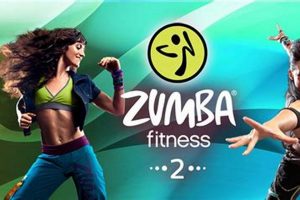
This interactive fitness program combines the principles of Zumba dance workouts with targeted core strengthening exercises, delivered through the Xbox 360 gaming console. It utilizes the Kinect sensor to track player movements, providing real-time feedback and enhancing the immersive experience. The program provides a structured exercise regime that can be performed within the home environment.
The advantage of such programs lies in their ability to provide engaging and accessible fitness options. Historical context reveals a growing trend of integrating technology into exercise, making workouts more convenient and personalized. The benefit of a core-focused approach is enhanced stability, improved posture, and increased overall fitness.
The following sections will elaborate on the features, benefits, and reception of this specific interactive fitness application, while also addressing considerations for potential users and comparing it with other fitness solutions.
Tips for Optimizing the Interactive Fitness Experience
The following recommendations can enhance the effectiveness and enjoyment derived from engaging with this interactive fitness application.
Tip 1: Ensure Adequate Space. The Kinect sensor requires a certain amount of unobstructed space to accurately track movement. A minimum of six feet between the user and the sensor is typically recommended. Adjust furniture or clear the area to prevent tracking errors and ensure safe execution of exercises.
Tip 2: Calibrate the Kinect Sensor. Proper calibration is essential for accurate motion tracking. Follow the on-screen instructions during the calibration process to ensure the sensor correctly identifies the user’s height and position. Recalibration may be necessary if the playing area is modified.
Tip 3: Maintain Proper Form. Focus on executing each movement with correct technique, even if it means reducing the intensity initially. Poor form can diminish the effectiveness of the workout and increase the risk of injury. Refer to the on-screen demonstrations and instructions for guidance.
Tip 4: Adjust Difficulty Level Appropriately. The program offers varying difficulty levels. Begin at a level that aligns with current fitness capacity and gradually increase the challenge as strength and endurance improve. Avoid pushing beyond current limitations to prevent overexertion and potential injury.
Tip 5: Utilize the Customization Options. Explore the available customization features to tailor the workout to individual preferences and fitness goals. Modify the playlist, adjust the duration, and select specific exercise routines to create a personalized fitness plan.
Tip 6: Stay Hydrated: Keep a water bottle nearby and drink water regularly throughout the workout to maintain hydration levels and support optimal performance.
Tip 7: Wear Appropriate Attire: Opt for comfortable and breathable clothing that allows for a full range of motion. Supportive athletic shoes are also recommended to provide stability and cushioning during high-impact movements.
Adhering to these tips will maximize the potential for achieving desired fitness outcomes while minimizing the risk of adverse effects.
The subsequent sections will delve deeper into specific aspects of the program, offering further insights and recommendations.
1. Core Engagement

Core engagement is a central element in achieving the intended fitness outcomes of this interactive experience. The program distinguishes itself by specifically targeting and strengthening the core musculature, going beyond general aerobic exercise. This emphasis on core stability and strength is interwoven into the dance-based routines.
- Abdominal Muscle Activation
The program incorporates a range of movements designed to activate various abdominal muscles, including the rectus abdominis, obliques, and transverse abdominis. Exercises such as crunches, twists, and planks are integrated into the dance routines, demanding continuous core stabilization. This constant activation improves core strength and endurance. Proper engagement is essential for optimal results and injury prevention.
- Postural Alignment and Stability
Core strength directly influences postural alignment. A strong core supports the spine, promoting proper posture and reducing the risk of back pain. The program’s focus on core engagement encourages users to maintain correct posture throughout the exercises, leading to improved balance and stability. Real-life implications include improved posture during everyday activities and a reduced risk of injury.
- Enhanced Athletic Performance
A strong core is fundamental to overall athletic performance. It serves as the foundation for generating power and transferring force throughout the body. By strengthening the core, the program enhances the user’s ability to perform other physical activities effectively. Examples include improved balance in sports, increased power in lifting, and enhanced agility in everyday movements.
- Functional Movement Improvement
The exercises integrated into the program promote functional movement patterns, mimicking movements used in daily life. Strengthening the core musculature facilitates these functional movements, making everyday tasks easier and safer. Examples include lifting objects, bending over, and twisting the torso. Improved functional movement contributes to enhanced quality of life and reduced risk of injury.
The integration of these facets of core engagement within the program contributes to its overall effectiveness. By targeting abdominal muscles, promoting postural alignment, enhancing athletic performance, and improving functional movement, the interactive fitness experience offers a comprehensive approach to core strengthening, extending its benefits beyond the virtual environment into real-world applications.
2. Kinect Integration

Kinect integration is fundamental to the functionality of this fitness program. It enables motion tracking, which is the primary mechanism by which user movements are translated into in-game actions and feedback. Without Kinect’s ability to capture and interpret body movements, the program would be reduced to a passive viewing experience, devoid of the interactive element crucial for its intended purpose. For example, if the Kinect sensor fails to accurately detect a player’s squat depth, the in-game avatar may not register the movement correctly, affecting the player’s score and potentially leading to incorrect form.
The practical significance of Kinect integration extends beyond mere gameplay. The real-time feedback provided by the sensor allows users to self-correct their form, mimicking the guidance of a virtual instructor. This is critical for maximizing the effectiveness of the workout and minimizing the risk of injury. Furthermore, the Kinect sensor can track calories burned and progress over time, providing quantifiable data that can motivate users and help them achieve their fitness goals. One notable advantage is the sensor’s ability to distinguish between different users, enabling multiple family members to engage with the program and track their individual progress.
However, the reliance on Kinect technology also presents certain challenges. Lighting conditions, available space, and sensor calibration can all affect the accuracy of motion tracking. Addressing these challenges is crucial for ensuring a consistent and reliable user experience. Ultimately, the successful integration of Kinect technology is what differentiates this fitness program from traditional workout DVDs or streaming services, transforming it into an immersive and interactive fitness tool.
3. Dance Fitness

Dance fitness forms the core methodology of the interactive workout experience. Its selection is not arbitrary; the rhythmic movements, combined with choreographed sequences, provide an engaging and accessible means of achieving cardiovascular fitness. The fusion of dance styles, frequently incorporating Latin rhythms, contributes to a dynamic and diverse workout that can sustain user interest over extended periods. The structure of the program leverages dance movements to conceal the rigor of the exercise, making it a more enjoyable alternative to conventional workouts. An example is the use of salsa steps to engage the core muscles while simultaneously elevating heart rate. Without the dance fitness component, the program’s appeal and adherence rates would likely diminish.
The program’s practical significance lies in its ability to offer a structured, low-impact exercise option that is readily available within the home environment. The dance routines are designed to be scalable, allowing users to adjust the intensity based on their individual fitness levels. Moreover, the interactive nature of the program, with its real-time feedback and visual cues, enhances the learning and execution of dance movements. This translates to not only physical benefits but also improved coordination and cognitive function. Real-world application includes the ability to participate more confidently in social dance settings or to simply enhance daily movement patterns.
In summary, dance fitness is an integral component of this interactive program, serving as both the medium and the method for achieving fitness goals. The program’s success hinges on the engaging nature of dance, which masks the physical exertion and promotes sustained participation. While challenges may arise in replicating the energy and social dynamics of a live class, the convenience and accessibility offered by the program represent a significant advantage for many users. This emphasis on dance fitness underscores the program’s focus on delivering a fun, effective, and accessible workout experience.
4. Home Convenience
The aspect of Home Convenience significantly influences the adoption and sustained use of interactive fitness programs. This convenience factor provides accessibility and flexibility that are often absent in traditional gym settings or structured fitness classes. The following details explore facets of home convenience within the context of interactive fitness.
- Elimination of Commute Time
The absence of travel to a physical fitness location is a primary convenience. Commute time, a significant barrier to regular exercise, is eliminated. This allows for more efficient allocation of time, enabling workouts to fit into busy schedules. Individuals can exercise during brief windows of opportunity, such as before work or during lunch breaks.
- Flexible Scheduling
Interactive fitness programs offer the flexibility to exercise at any time. This contrasts with fixed class schedules or gym hours, providing users control over their workout timing. Workouts can be adapted to individual energy levels and commitments, promoting adherence. A workout can be completed at 5 AM or 10 PM, according to personal preference.
- Privacy and Comfort
Exercising in the home environment offers privacy and comfort. Individuals may feel more comfortable exercising without the presence of others, especially those new to fitness. This privacy can reduce self-consciousness and promote a more relaxed and focused workout experience. Individuals have control over the environment, including temperature and music.
- Cost-Effectiveness
Long-term, interactive fitness programs can be cost-effective compared to gym memberships or fitness classes. The initial investment in the program and equipment may be offset by the ongoing savings in membership fees. The program becomes an asset within the home, available for use by multiple family members without incurring additional costs.
These facets of home convenience enhance the accessibility and feasibility of incorporating fitness into daily life. By removing barriers related to time, scheduling, privacy, and cost, interactive fitness programs facilitate greater engagement and adherence to exercise regimens. This increased convenience translates to more consistent participation and, potentially, improved fitness outcomes.
5. Fitness Gaming

Fitness gaming, also known as “exergaming,” merges video game mechanics with physical exercise, creating an interactive and engaging workout experience. Within the context of the specified title, fitness gaming constitutes a fundamental design principle. The program’s success hinges on transforming the mundane act of exercising into a stimulating and enjoyable activity. This is achieved through scorekeeping, virtual rewards, and on-screen avatars that mirror the user’s movements, providing a sense of immersion and accomplishment. A prime example is the tracking of calories burned, which can serve as a tangible metric of progress, encouraging sustained engagement. The absence of this gaming component would likely reduce adherence and diminish the overall effectiveness of the fitness program.
The practical significance of this integration lies in its ability to overcome the common barriers to exercise, such as boredom and lack of motivation. By incorporating game-like elements, the program encourages users to push themselves further than they might in a traditional workout setting. The competitive aspect, either against oneself or against other players (depending on the game mode), can further enhance motivation and drive. For example, a user striving to beat their previous score may perform more repetitions or increase the intensity of their movements. Moreover, the structured nature of the game provides a clear roadmap for the workout, guiding users through a series of exercises and preventing them from feeling overwhelmed or unsure of what to do.
In summary, fitness gaming is not merely an add-on to the specified interactive fitness application; it is an integral component that drives engagement, enhances motivation, and ultimately promotes sustained physical activity. While challenges exist in replicating the social dynamics of traditional fitness classes, the interactive and gamified approach offers a compelling alternative that can make exercise more accessible and enjoyable for a wider audience. The careful balance between exercise and game mechanics is key to the program’s overall success.
Frequently Asked Questions
This section addresses common inquiries regarding the fitness program to provide clarity and assist potential users in making informed decisions.
Question 1: What specific hardware is required to operate this program?
The program necessitates an Xbox 360 console and the Kinect sensor. The Kinect sensor is essential for motion tracking and interactive gameplay.
Question 2: Is prior dance experience necessary to participate?
No, prior dance experience is not a prerequisite. The program offers modifications and tutorials suitable for beginners. Users can progress at their own pace.
Question 3: What is the approximate duration of a typical workout session?
Workout sessions vary in length depending on the selected routines. Sessions range from approximately 15 minutes to 60 minutes. Users can customize workout durations to align with their schedules.
Question 4: What fitness level is recommended for engaging with this program?
The program is designed to accommodate various fitness levels. Modifications and difficulty adjustments are available. Individuals can begin at a comfortable intensity and gradually increase the challenge.
Question 5: Can the program be used by multiple users with individual profiles?
Yes, the program supports multiple user profiles. The Kinect sensor can distinguish between individuals, allowing each user to track their progress independently.
Question 6: What type of clothing and footwear is recommended for participation?
Comfortable, breathable clothing that allows for a full range of motion is recommended. Supportive athletic shoes are also advised to provide stability and cushioning during high-impact movements.
These FAQs offer a foundational understanding of the program’s requirements, accessibility, and functionality. The fitness application can be adapted to fit varied skill levels.
The upcoming segments will explore alternate interactive exercise programs and supplemental resources.
Conclusion
This examination has elucidated the multifaceted nature of zumba fitness core xbox 360. The analysis encompassed the integration of dance fitness, core strengthening exercises, and interactive gaming elements, all facilitated by the Kinect sensor technology. It explored the benefits of home convenience, personalization, and the importance of proper implementation for optimal outcomes. The FAQs addressed common user inquiries, providing practical guidance for potential adopters.
The program represents a confluence of entertainment and fitness. Its ultimate value resides in its capacity to encourage and sustain engagement in physical activity, thereby contributing to improved health and well-being. Continued exploration of innovative approaches that seamlessly blend technology and exercise is warranted to address the evolving needs of fitness enthusiasts.



![Best Places to Buy Zumba Fitness [Guide] Online/Near You | The Ultimate Zumba Guide: Dance Your Way to a Healthier You](https://mamazumba.com/wp-content/uploads/2026/04/th-399-300x200.jpg "Best Places to Buy Zumba Fitness [Guide] Online/Near You The Ultimate Zumba Guide: Dance Your Way to a Healthier You")