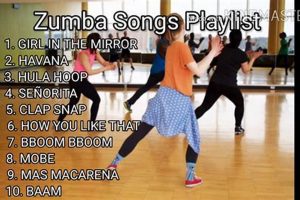
The inherent characteristic of Zumba music, specifically its capacity to invigorate and motivate participants, is a primary driver behind its popularity. This characteristic is manifested through a combination of rhythm, tempo, and instrumentation choices that contribute to an overall feeling of heightened activity and enthusiasm during the exercise routine. For instance, the use of fast-paced Latin rhythms paired with motivational lyrics promotes a sustained level of excitement.
This vital element fuels increased caloric expenditure and enhanced participant engagement. A higher level of motivation translates into a greater willingness to adhere to the exercise program, leading to improved fitness outcomes. Historically, the selection of music exhibiting these qualities has been central to the evolution and global adoption of Zumba as a preferred fitness activity. Its appeal extends beyond pure physical exertion, incorporating emotional and psychological benefits derived from the music’s stimulating properties.
The following analysis will delve into the specific components that contribute to this phenomenon within Zumba music, exploring the rhythmic structures, tempo variations, and lyrical content, and how each element interacts to produce a dynamic and engaging fitness experience. Further examination will cover the impact of this effect on participant behavior and overall program effectiveness.
Maximizing the Invigorating Qualities of Zumba Music
The selection and utilization of music within Zumba classes can significantly impact participant engagement and fitness outcomes. The following recommendations focus on leveraging the energizing aspects inherent in Zumba music to optimize the workout experience.
Tip 1: Select Music with High Tempo and Rhythmic Complexity: Zumba benefits from music that inherently encourages movement. Music incorporating rapid tempos and intricate rhythmic patterns sustains a feeling of excitement and promotes more vigorous physical activity.
Tip 2: Prioritize Latin Rhythms: The foundation of Zumba is rooted in Latin musical styles. Incorporating styles such as Salsa, Merengue, and Cumbia helps to provide an authentic experience and taps into the intrinsic movement qualities associated with these genres.
Tip 3: Consider Lyrical Content for Motivation: The selection of tracks featuring uplifting and encouraging lyrics can augment the physical benefits of the workout with positive reinforcement, helping to boost morale and foster a sense of community within the class.
Tip 4: Implement Strategic Tempo Variation: While sustained high tempo is beneficial, incorporating songs with tempo shifts allows for active recovery and builds endurance. Alternating between faster and slower tracks helps to prevent fatigue while maintaining participant interest.
Tip 5: Integrate Music with Positive Emotional Associations: Select music styles that evoke positive emotional responses. The choice of music can trigger the release of endorphins, the “feel good” chemicals in the body, enhancing the overall workout experience.
Tip 6: Structure Playlists for Progressive Intensity: Construct playlists with a gradual increase in intensity. Begin with moderately paced music and then progress to higher tempos, followed by a cool-down phase with slower, more relaxing songs.
Tip 7: Monitor Participant Responses: Pay close attention to participant energy levels and adjust music selection as needed. The class instructor is responsible for noticing trends in energy levels of the group and adjust musical choices to maximize participation and avoid fatigue.
Implementing these strategies will allow Zumba instructors to enhance the experience, further encouraging participant engagement and ultimately improving fitness outcomes. Selecting and implementing music strategically maximizes the motivating components within the Zumba session.
The subsequent discourse will examine the practical application of these guidelines within a Zumba class setting.
1. Rhythmic Impetus

The rhythmic impetus, as a core component of Zumba music, directly contributes to the overall invigorating qualities of a Zumba class. This impetus refers to the driving force generated by the music’s rhythm, specifically its capacity to stimulate physical movement and sustained activity. The intensity of this drive, reflected in the musical arrangements, is a primary factor determining the perceived energy levels during a Zumba session. For example, a Zumba track employing a consistent, fast-paced merengue rhythm compels participants to maintain a continuous, elevated level of movement, increasing the workout’s intensity.
The selection of rhythms with a robust rhythmic impetus is critical to ensuring optimal participant engagement and fitness outcomes. Musical arrangements that create a sense of urgency or excitement encourage more energetic participation. This heightened engagement, in turn, translates into greater caloric expenditure and improved cardiovascular health. Conversely, if the rhythmic impetus is weak, the perceived exercise level diminishes, decreasing the effectiveness of the workout. The instructor, therefore, must evaluate the music’s rhythmic density and percussive elements to accurately gauge the track’s energizing potential.
Understanding the relationship between rhythmic impetus and its energizing influence is essential for effective Zumba instruction. By strategically selecting music that embodies a strong rhythmic drive, instructors can positively impact participant motivation and optimize workout performance. This knowledge facilitates playlist construction that systematically maximizes the session’s energizing potential, ensuring participants experience a more intense and enjoyable fitness experience. Challenges lie in balancing rhythmic intensity with tempo to prevent participant fatigue, necessitating a well-informed approach to music selection and implementation.
2. Tempo Modulation

Tempo modulation, or the purposeful variation of musical speed within a Zumba class, directly influences the perceived energy level and overall efficacy of the workout. This modulation serves as a crucial mechanism for preventing participant fatigue, managing exertion levels, and maintaining engagement throughout the session. The effect of a song with an unchanging high tempo can lead to participant burnout, diminishing the session’s intended benefit. Conversely, consistent low tempos may not elicit the desired intensity necessary for cardiovascular improvement and caloric expenditure. Therefore, strategic tempo modulation is essential to regulate the physical demands of a Zumba class.
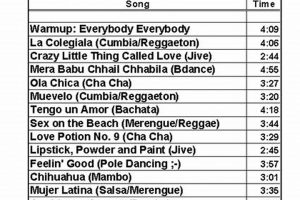
Consider a Zumba class where the instructor begins with a moderate tempo merengue track for warm-up, gradually transitioning to a faster salsa beat to elevate heart rate and intensify movement. Following this high-energy phase, the instructor introduces a slower cumbia song to allow for active recovery and reduce the risk of injury. The incorporation of a slightly accelerated reggae tune might serve as an interim tempo to bridge to higher-intensity songs, maintaining participant engagement without causing sudden spikes in exertion. This pattern of deliberate tempo shifts serves as an example of how effective tempo modulation is a key technique to optimize the Zumba energy levels and regulate the intensity of the workout. Furthermore, it contributes to improved adherence to the program by addressing varying fitness levels and preferences within the class.
The practical significance of understanding tempo modulation within the context of Zumba song selection is paramount for effective instruction. Implementation of proper tempo modulation techniques presents a challenge that requires a careful consideration of participant fitness levels and musical style. By effectively balancing periods of high and low intensity, instructors can optimize participant engagement and adherence to the fitness routine, ensuring a safer and more effective Zumba workout. The mindful application of varying speeds is key to maintaining energy and promoting consistent results.
3. Motivational Lyrics

The integration of lyrical content within Zumba music provides an additional layer of stimulus, directly influencing the overall energizing qualities inherent within the workout. Lyrics possessing positive affirmations, encouraging narratives, or themes of empowerment contribute to the psychological and emotional upliftment of participants, thereby augmenting the physical exertion.
- Enhancing Physical Endurance
Motivational lyrics often focus on themes of strength, perseverance, and overcoming challenges. These themes can psychologically embolden participants, potentially increasing their physical endurance during the workout. For example, a song with the chorus “Keep going, you’re almost there” can provide a mental boost during a particularly challenging routine, encouraging individuals to push through perceived limits. The effect is akin to a mental cue that overrides the body’s initial signals of fatigue.
- Cultivating a Positive Atmosphere
Lyrics emphasizing joy, celebration, and community contribute to a positive and supportive workout atmosphere. This communal spirit fosters a sense of belonging, which can further enhance motivation. A song with lyrics that promote self-acceptance and body positivity, for instance, can encourage participants to feel more comfortable and confident in their movements, leading to more engaged participation.
- Synchronizing Movement and Intention
The lyrical content, when strategically aligned with the choreography, can synchronize physical movement with a specific intention or emotion. This congruence enhances the overall impact of the exercise. For example, a song with lyrics describing a powerful, confident stance may be paired with movements that mirror this posture, amplifying the feeling of strength and self-assurance within the participant. Such synergy elevates the exercise beyond mere physical exertion.
- Promoting Cognitive Engagement
Lyrics can encourage active cognitive engagement, diverting attention from the physical strain of the workout and promoting a more enjoyable experience. A song with a catchy melody and engaging lyrical content can help participants stay focused on the music and movement rather than solely on the effort expended. This cognitive distraction can make the workout feel less arduous, promoting a greater willingness to participate and adhere to the fitness program.
In summary, the carefully curated application of motivational lyrics serves as a catalyst for enhancing the energizing effects of Zumba. Its impact extends beyond the physical realm, influencing psychological and emotional well-being and contributing to a holistic fitness experience. The effective use of positive and uplifting lyrical content is a pivotal element in maximizing the inherent invigorating qualities of Zumba as a fitness modality.
4. Emotional Evocation
Emotional evocation, in the context of Zumba music, is inextricably linked to the overall zumba song energy energy. The capacity of a song to elicit specific emotional responsesjoy, excitement, nostalgia, or even a sense of empowermentdirectly influences the participants’ engagement and physical exertion levels. When music successfully stimulates these emotions, individuals are more likely to become fully immersed in the activity, translating into heightened energy expenditure and enhanced workout benefits. The cause-and-effect relationship is evident: emotionally resonant music triggers a cascade of physiological and psychological responses that collectively contribute to increased activity and motivation.
The importance of emotional evocation as a component of zumba song energy energy is paramount. Without this element, Zumba risks becoming a purely physical exercise devoid of the psychological benefits that contribute to long-term adherence. For example, a Zumba instructor might incorporate a popular Latin song from the participants’ youth. The nostalgia evoked by this track not only makes the workout more enjoyable but can also unlock a wellspring of positive memories, enhancing mood and reducing perceived exertion. Similarly, songs with triumphant themes of overcoming adversity can instill a sense of personal empowerment, encouraging participants to push beyond their perceived limitations. The practical significance of this understanding lies in its ability to inform song selection and playlist construction, optimizing the Zumba experience for maximum physical and emotional impact. Instructors who prioritize emotional connection are more likely to create a dynamic, engaging atmosphere, fostering a stronger sense of community and ensuring the continued enthusiasm of participants.
In summary, emotional evocation is an essential ingredient in the recipe for successful Zumba instruction. It transcends the purely physical aspects of exercise, enriching the experience with psychological and emotional benefits. The challenge lies in the ability to effectively tap into individual emotional responses and tailor the music selections to cater to a diverse audience. Addressing this challenge directly through careful attention to cultural context, lyrical content, and musical style ensures Zumba maintains its appeal as a comprehensive and engaging fitness activity, providing not only physical benefits, but also a positive emotional release for all those involved.
5. Intensity Progression

Intensity progression represents a systematic approach to structuring a Zumba session, directly influencing the overall energy expenditure and perceived level of exertion by participants. The strategic sequencing of music tracks, varying in tempo and rhythmic complexity, dictates the gradual increase and subsequent decrease in physical demand. This systematic approach is crucial for maximizing the workout’s effectiveness while minimizing the risk of injury or fatigue. The correlation between intensity progression and the overarching energy dynamic of a Zumba class is evident: one directly shapes the other, influencing participant engagement and fitness outcomes.
- Gradual Warm-Up Phase
The initial phase of intensity progression involves utilizing music with a moderate tempo and simple choreography. This gradual warm-up serves to increase blood flow to muscles, improve joint mobility, and prepare the cardiovascular system for more strenuous activity. For example, starting with a merengue track at 120 beats per minute allows participants to acclimate to the movement patterns without overexertion. Failure to adequately warm up increases the risk of muscle strains and other injuries, negating the potential benefits of the entire session.
- Peak Intensity Interval
Following the warm-up, the intensity progression advances to a peak interval, incorporating faster-paced music with more complex choreography. This phase challenges the cardiovascular system and promotes maximal caloric expenditure. Integration of a salsa track at 160 beats per minute, for instance, elevates heart rate and engages multiple muscle groups simultaneously. The duration and frequency of peak intervals must be carefully balanced to avoid overtraining or burnout.
- Active Recovery Segments
Interspersed between peak intensity intervals are active recovery segments, utilizing music with slower tempos and simpler movements. These segments allow participants to recover momentarily while maintaining a baseline level of activity. Implementation of a cumbia track at 100 beats per minute facilitates muscle recovery and reduces the risk of lactic acid buildup. Active recovery is essential for sustaining energy levels and preventing premature fatigue.
- Cool-Down and Stretch Phase
The concluding phase of intensity progression involves a gradual cool-down, utilizing music with significantly slower tempos and focused stretching exercises. This phase facilitates the gradual return of heart rate and blood pressure to resting levels, minimizing the risk of dizziness or muscle cramping. Employing a Latin ballad at 70 beats per minute allows participants to relax and stretch major muscle groups. Proper cool-down is crucial for preventing post-exercise soreness and promoting muscle recovery.
In summation, intensity progression plays a central role in shaping the overall energy dynamic of a Zumba class. By systematically manipulating tempo and rhythmic complexity, instructors can effectively manage participant exertion levels, optimize caloric expenditure, and minimize the risk of injury. The mindful application of these elements is essential for fostering a positive and sustainable fitness experience, ensuring long-term adherence and maximizing the benefits derived from each Zumba session. Failure to follow a structured intensity progression jeopardizes participant safety and diminishes the potential fitness benefits of the workout.
Frequently Asked Questions Regarding Zumba Song Energy
The following section addresses common inquiries concerning the influence of Zumba music on participant energy levels and the effectiveness of the Zumba workout.
Question 1: What specific musical characteristics contribute most significantly to the energizing effect of Zumba songs?
Key musical attributes include a fast tempo, complex rhythmic structures, positive lyrical themes, and a harmonic structure that elicits an emotional response. These elements, when combined effectively, generate a stimulating and motivating environment conducive to heightened physical activity.
Question 2: How does tempo modulation in Zumba music impact participant exertion levels and overall workout effectiveness?
Strategic tempo modulation allows for periods of high intensity, followed by active recovery phases, which helps prevent participant fatigue. This technique promotes sustained engagement, optimizes caloric expenditure, and reduces the risk of injury. Without appropriate modulation, exertion can either become excessive or remain insufficient for achieving fitness goals.
Question 3: To what extent does lyrical content contribute to the motivational aspects of Zumba songs?
Lyrical themes that emphasize empowerment, self-confidence, and the joy of movement can positively reinforce participant behavior. Songs with encouraging narratives instill a sense of accomplishment and inspire greater effort during the workout. However, the effectiveness of lyrical content is culturally dependent and must resonate with the target audience.
Question 4: What role does emotional evocation play in enhancing the Zumba experience, and how is it achieved through music selection?
Emotional evocation taps into the participants’ psychological and emotional well-being, creating a more immersive and engaging experience. Zumba songs that trigger positive emotions, such as joy, nostalgia, or excitement, can increase motivation, reduce perceived exertion, and foster a stronger sense of community. Effective music selection requires careful consideration of cultural context and individual preferences.
Question 5: How does a well-structured intensity progression optimize the benefits of a Zumba workout?
A structured intensity progression, involving a gradual warm-up, peak exertion intervals, and a cool-down phase, is crucial for preparing the body for exercise, maximizing caloric expenditure, and promoting recovery. Failure to adhere to a progressive intensity can lead to injury, fatigue, or insufficient stimulus for achieving fitness improvements.
Question 6: What methods can be employed to assess the energizing effectiveness of Zumba songs during a class?
Observations of participant engagement, monitoring of heart rate responses, and feedback from class members are valuable tools for assessing the energizing effectiveness of Zumba music. Tracking participation levels, evaluating physical responses, and soliciting input provides insight into the perceived energy levels and overall workout experience.
In conclusion, the careful selection and strategic application of Zumba music, considering factors such as tempo, rhythm, lyrical content, emotional evocation, and intensity progression, are essential for maximizing participant engagement and the overall effectiveness of the Zumba workout.
The following section presents a comparative analysis of Zumba with other popular fitness modalities.
Zumba Song Energy Energy
This exposition has detailed the vital role of “zumba song energy energy” in shaping the Zumba experience. The analysis has underscored how rhythmic drive, tempo modulation, lyrical themes, emotional resonance, and structured intensity progression coalesce to form the energizing core of this fitness modality. The examination has highlighted the impact of these musical elements on participant engagement, workout intensity, and overall fitness outcomes. The strategic integration of musical factors has been found to be essential for optimizing the Zumba experience, influencing both physical exertion and psychological well-being.
Continued research and practical application should focus on refining the selection and sequencing of Zumba music to further enhance its energizing potential. Exploration of emerging musical trends, coupled with rigorous evaluation of participant responses, is essential for maintaining the vitality and effectiveness of Zumba as a leading fitness practice. The understanding and application of “zumba song energy energy” remains paramount for instructors and practitioners seeking to maximize the benefits of this dynamic exercise form.