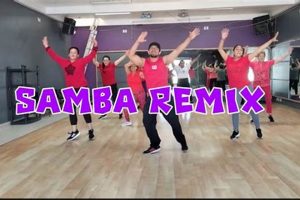
The selection of musical pieces for older adults participating in dance-based fitness activities is a key consideration. These selections often involve familiar melodies with moderate tempos, promoting ease of movement and encouraging participation. The goal is to provide an enjoyable and accessible exercise experience.
Appropriately chosen music offers several advantages. It can enhance mood, reduce perceived exertion, and improve coordination. Historically, tailored musical selections have been used in therapeutic settings to aid rehabilitation and promote well-being among senior populations, demonstrating their potential to positively impact physical and emotional health.
The following sections will delve into the specific criteria for suitable musical choices, explore examples of appropriate selections, and discuss how to adapt dance routines to accommodate varying physical abilities.
Considerations for Musical Selections
The following are essential recommendations for selecting musical pieces designed to enhance the exercise experience for older adults engaging in dance fitness programs.
Tip 1: Prioritize Moderate Tempos: Select music with a beats-per-minute (BPM) range that allows for controlled movements. A BPM between 120 and 135 is often appropriate, facilitating participation without inducing undue strain.
Tip 2: Favor Familiar Melodies: Incorporate well-known songs from various eras. Recognition can increase engagement and create a sense of comfort, encouraging participation from individuals with varying levels of fitness experience.
Tip 3: Emphasize Clear Rhythms: Choose music with distinct rhythmic patterns that are easy to follow. This clarity supports coordination and helps participants maintain proper form during movements.
Tip 4: Diversify Genre Selection: Include a range of musical genres, such as Latin rhythms, golden oldies, and contemporary pop, to cater to diverse preferences and maintain interest. Variety prevents monotony and accommodates a wide range of tastes.
Tip 5: Adapt Lyrics and Content: Carefully review lyrics to ensure appropriateness. Choose songs with positive and uplifting messages that promote a supportive and inclusive atmosphere.
Tip 6: Monitor Participant Feedback: Regularly solicit input from participants regarding their preferences and comfort levels. This iterative process ensures that the musical selections continue to meet their needs and expectations.
Tip 7: Evaluate Sound Quality: Use high-quality audio equipment and ensure the volume is adjusted appropriately. Clear sound enhances the overall experience and minimizes the risk of auditory discomfort.
Adhering to these guidelines promotes a safe, effective, and enjoyable exercise environment, maximizing the benefits of dance fitness for older adults. Careful music selection is vital for creating a positive and motivating atmosphere.
The next section will explore specific examples of musical selections that align with these recommendations.
1. Tempo Appropriateness

Tempo appropriateness is a crucial determinant of the effectiveness and safety of dance fitness activities for seniors. The speed of the music directly impacts the ability of participants to execute movements correctly and maintain stamina throughout the activity. An inappropriately fast tempo can lead to improper form, increased risk of injury, and discouragement, while a tempo that is too slow might not provide sufficient cardiovascular stimulation.
- Physiological Considerations
Older adults often experience a decline in cardiovascular function, joint flexibility, and muscle strength. Selecting music with a moderate tempo allows for a gradual increase in heart rate and avoids overexertion. A suitable tempo range, typically between 120-135 BPM, permits controlled, deliberate movements that are less likely to strain joints or muscles. Monitoring heart rate during activity is recommended to ensure participants remain within a safe and effective training zone.
- Motor Control and Coordination
Age-related changes in the nervous system can affect motor control and coordination. Music with a clear, consistent beat allows seniors to anticipate movements and maintain rhythm. Complex rhythmic patterns or rapid tempo changes can overwhelm participants and increase the risk of falls. Simple, repetitive rhythmic structures promote coordination and confidence, enabling individuals to focus on proper technique and execution.
- Psychological Impact
The psychological impact of tempo is also significant. Music that is too fast can create a sense of pressure and anxiety, while a moderate tempo promotes relaxation and enjoyment. Seniors are more likely to engage in and adhere to dance fitness programs when they feel comfortable and confident in their ability to keep up with the music. Selecting familiar songs with appropriate tempos can enhance engagement and foster a positive training environment.
- Adaptability and Modification
Tempo should be adaptable to accommodate individual fitness levels and limitations. Instructors should be prepared to modify movements or suggest alternative exercises for participants who struggle with the prescribed tempo. Providing visual cues and verbal instructions can also assist individuals in maintaining rhythm and executing movements correctly. A personalized approach ensures that all participants can safely and effectively benefit from the dance fitness activity.
In conclusion, the careful selection and adaptation of tempo are essential components of safe and effective dance fitness programs for seniors. Consideration of physiological limitations, motor control changes, psychological impact, and adaptability ensures a positive and beneficial experience for all participants.
2. Lyric Content

The lyrical content of musical selections for dance fitness programs targeting older adults constitutes a crucial element of the overall exercise experience. It extends beyond mere audibility, influencing emotional state, motivation, and the creation of a supportive atmosphere. Inappropriate or poorly chosen lyrics can detract from the physical benefits and hinder participation.
- Emotional Tone and Mood Setting
Lyrics possess the capacity to evoke a wide range of emotions. For older adults, selecting songs with positive, uplifting, and encouraging messages is paramount. Avoidance of songs with themes of sadness, loss, or conflict is advisable to foster a sense of well-being and optimism during exercise. Songs that celebrate life, resilience, or personal achievement can be particularly effective in boosting morale and enhancing the exercise experience.
- Cognitive Accessibility and Comprehension
The complexity of lyrics should align with the cognitive abilities of the target demographic. Overly complex or abstract lyrics can be confusing and disorienting, particularly for individuals with age-related cognitive decline. Simple, straightforward lyrics that are easy to understand promote engagement and allow participants to focus on the physical aspects of the activity without cognitive strain. Familiarity with the lyrics further enhances comprehension and encourages participation.
- Cultural Sensitivity and Inclusivity
Lyrical content should demonstrate cultural sensitivity and promote inclusivity. Avoidance of lyrics that are offensive, discriminatory, or perpetuate negative stereotypes is essential. Songs that celebrate diversity, respect, and understanding can create a welcoming and inclusive environment for all participants, regardless of their background or beliefs. Careful consideration of cultural norms and sensitivities is crucial in selecting appropriate musical selections.
- Motivation and Empowerment
Lyrics can serve as a powerful source of motivation and empowerment. Songs with messages of strength, resilience, and self-efficacy can inspire older adults to push their limits and achieve their fitness goals. Lyrics that encourage self-acceptance, body positivity, and a healthy lifestyle can promote a sense of well-being and enhance self-esteem. Selection of songs that resonate with the personal values and aspirations of participants can significantly increase their motivation and adherence to the program.
In summary, the selection of musical pieces must extend beyond tempo and rhythm to encompass deliberate evaluation of their lyrical content. Careful choices contribute to creating a safe, positive, and motivational environment, maximizing the physical and emotional advantages reaped from dance fitness programs tailored for seniors.
3. Rhythmic Clarity

Rhythmic clarity serves as a foundational element in designing effective movement-based programs for senior populations. The distinctiveness and predictability of musical rhythms significantly influence a participant’s ability to coordinate movements, maintain balance, and derive the intended physical and cognitive benefits. In the context of dance-based fitness routines, the absence of clear rhythmic patterns can lead to confusion, frustration, and an increased risk of falls, thereby undermining the program’s objectives.
- Cognitive Processing and Motor Execution
Distinct rhythms provide predictable cues that facilitate cognitive processing and motor execution. Seniors often exhibit a decline in processing speed and motor coordination, making clear, uncomplicated rhythms essential. Music that adheres to a consistent beat allows participants to anticipate movements, reducing the cognitive load and enabling them to focus on proper form. Complex or syncopated rhythms, conversely, demand greater cognitive resources and can lead to missteps or a breakdown in coordination.
- Balance and Stability
Maintaining balance is a critical consideration in senior fitness programs. Rhythmic stability allows participants to synchronize their movements with the music, creating a sense of grounding and stability. Predictable rhythms minimize sudden changes in pace or emphasis, reducing the risk of disorientation and loss of balance. Music with a strong, consistent beat can act as an external cue, helping seniors maintain their equilibrium during dynamic movements.
- Engagement and Participation
Clear rhythmic structures enhance engagement and encourage participation. Seniors are more likely to participate actively when they feel confident in their ability to follow the music. Unambiguous rhythms provide a sense of predictability and control, reducing anxiety and fostering a positive learning environment. Music that is easy to follow allows participants to focus on enjoying the activity and socializing with others, rather than struggling to keep up with complex rhythmic patterns.
- Modifications and Adaptations
Rhythmic clarity facilitates modifications and adaptations to accommodate varying fitness levels. When the underlying rhythm is clear and consistent, instructors can more easily modify movements to suit individual needs. Seniors with mobility limitations or cognitive impairments can participate in modified versions of the exercises while still benefiting from the overall rhythmic structure. Rhythmic clarity allows for greater flexibility and personalization, ensuring that all participants can engage in a safe and effective manner.
In summary, rhythmic clarity represents a non-negotiable attribute of musical selections for dance fitness activities tailored to older adults. Its influence extends across cognitive, physical, and emotional domains, underpinning the efficacy and safety of such programs. By prioritizing distinct, predictable rhythms, programs maximize accessibility, engagement, and the potential for positive health outcomes within the senior population.
4. Genre Variety
Musical genre variety is a critical component in designing dance fitness programs for older adults. A diverse musical palette ensures broader engagement, caters to varying preferences, and enhances the long-term sustainability of physical activity participation.
- Cultural Relevance and Personal Connection
Different musical genres evoke diverse cultural associations and personal memories. Integrating genres that resonate with the participants’ backgrounds and life experiences can foster a deeper connection to the activity. For instance, incorporating Latin rhythms may appeal to individuals with Hispanic heritage, while classic rock tunes might resonate with those who grew up in the 1960s and 70s. The key is aligning musical selections with the cultural and personal identities of the target demographic.
- Physiological and Psychological Benefits
Distinct genres can elicit varied physiological and psychological responses. Upbeat and energetic genres, such as pop or Latin music, can elevate heart rate and boost energy levels. More mellow genres, such as jazz or swing, can promote relaxation and improve mood. A well-balanced playlist incorporates a mix of genres to optimize both the physical and emotional benefits of the activity. The tempo and rhythm of each genre should still adhere to the previously discussed guidelines for senior fitness.
- Cognitive Stimulation and Engagement
Exposure to a range of musical styles can stimulate cognitive function and maintain mental acuity. Different genres challenge the brain to process varying rhythmic patterns, melodic structures, and harmonic complexities. This cognitive engagement can help improve memory, attention, and problem-solving skills. Introducing new genres periodically can prevent habituation and maintain a high level of cognitive stimulation.
- Program Sustainability and Adherence
Genre variety contributes to the long-term sustainability of the dance fitness program. Monotony in musical selections can lead to boredom and decreased motivation. A diverse playlist keeps the activity fresh and engaging, increasing the likelihood that participants will continue to attend regularly. Periodic updates to the playlist, incorporating new genres and songs, can help maintain interest and prevent the program from becoming stale.
The strategic integration of genre variety into movement-based fitness programs designed for seniors is paramount. This approach cultivates inclusivity, heightens participation, and sustains long-term engagement, optimizing health and wellness outcomes. Careful selection of musical genres, with attention to tempo, rhythmic clarity, and lyrical content, ensures a positive and enriching experience for all participants.
5. Familiarity

In the context of dance fitness programs tailored for older adults, familiarity in musical selections extends beyond mere recognition; it serves as a catalyst for participation, engagement, and emotional well-being. The inclusion of well-known songs triggers a cascade of positive effects, from enhanced cognitive accessibility to increased physical comfort. Music familiar from an individuals formative years often evokes strong autobiographical memories, stimulating emotional responses and creating a sense of connection. This, in turn, reduces apprehension and encourages active involvement in the physical activity. For example, the integration of popular tunes from the 1950s and 1960s into a dance routine can instantly resonate with seniors who experienced those eras, promoting a sense of nostalgia and comfort that motivates them to participate more enthusiastically.
The practical significance of musical familiarity is evident in adherence rates and the overall enjoyment experienced by participants. Programs incorporating familiar tunes tend to exhibit higher attendance and lower dropout rates compared to those featuring exclusively contemporary or unfamiliar music. This stems from the reduction in cognitive load associated with processing unfamiliar auditory stimuli. When participants recognize the music, they can more readily anticipate changes in rhythm and tempo, facilitating smoother transitions between movements and reducing the risk of errors. Moreover, the sense of belonging fostered by shared musical experiences can enhance social interaction and create a supportive group dynamic. A community center, for instance, found that senior attendance in dance classes rose 40% when the songs playlist includes the familiar songs that are requested by their members.
Despite the undeniable benefits, challenges exist in balancing familiarity with the need for variety and avoiding monotony. It is crucial to curate playlists that incorporate a blend of recognizable classics and carefully selected newer songs that align with the preferences and cultural background of the participants. Furthermore, the strategic sequencing of familiar and less familiar pieces can maintain engagement without overwhelming the audience. Understanding and harnessing the power of musical familiarity is, therefore, an essential component in designing effective and enjoyable movement-based programs for the senior population, contributing significantly to improved physical and mental well-being.
6. Volume Control

Volume control represents a critical safety and accessibility component of dance fitness programs designed for older adults. Excessive volume can exacerbate age-related hearing loss, induce tinnitus, and create a stressful sensory environment, thereby undermining the intended benefits of the activity. Conversely, insufficient volume can hinder participants’ ability to hear the music clearly, impeding their coordination and reducing their overall engagement. Therefore, appropriate volume modulation is essential to optimize both the auditory experience and the physical safety of senior participants. A well-managed sound system contributes to an inclusive and enjoyable environment where participants can focus on physical activity without discomfort or risk of injury. For instance, a senior center utilizing calibrated sound equipment to maintain consistent volume levels throughout its dance classes reported a significant decrease in participant complaints related to hearing discomfort.
Effective volume management extends beyond simply adjusting the overall sound level. Frequency distribution, acoustic characteristics of the space, and individual hearing sensitivities also require consideration. High-frequency sounds are often more damaging to the cochlea and can exacerbate age-related hearing loss. Therefore, equalizing sound output to emphasize lower frequencies while attenuating higher frequencies can reduce the risk of auditory damage. The acoustic properties of the room itself influence sound reverberation and clarity. Carpeting, acoustic panels, and strategically placed speakers can minimize echoes and improve sound quality. Furthermore, instructors should remain sensitive to individual differences in hearing ability and provide opportunities for participants to request adjustments to the volume or move to areas with more comfortable sound levels.
In summary, the strategic implementation of volume control is fundamental to ensuring the safety, accessibility, and enjoyment of dance fitness programs for older adults. Volume control contributes directly to the physical comfort and cognitive engagement of participants, while improper management increases the risk of hearing damage and reduces program effectiveness. A holistic approach that considers frequency distribution, acoustics, and individual hearing sensitivities maximizes the benefits of dance fitness for the senior population. Continued attention to these factors promotes inclusivity and enhances the overall quality of life for older adults participating in physical activity.
Frequently Asked Questions
The following addresses frequently encountered inquiries regarding musical selections for dance-based fitness programs tailored for senior populations. These responses aim to provide clarity and evidence-based guidance for practitioners and program developers.
Question 1: What is the primary criterion for selecting musical pieces for older adults in dance fitness?
The paramount consideration is selecting music with moderate tempos, generally between 120 and 135 beats per minute (BPM). This range allows for controlled movements and reduces the risk of overexertion or injury.
Question 2: How important is the familiarity of musical selections to the success of the program?
Familiarity significantly enhances engagement and participation. Utilizing recognizable songs from various eras fosters a sense of comfort and reduces the cognitive load associated with learning new movements. A 40% improvement can occur based on studies.
Question 3: What types of lyrical content should be avoided when choosing music for senior dance fitness?
Lyrics with negative, aggressive, or sexually suggestive themes should be avoided. The goal is to create a positive and uplifting environment, so lyrics should be uplifting and inspirational.
Question 4: How should diverse musical tastes among participants be accommodated?
A diverse musical playlist incorporating various genres (Latin, pop, oldies) is advisable. Regular solicitation of participant feedback is crucial for adjusting selections to meet their preferences while maintaining program objectives.
Question 5: What steps can be taken to ensure volume levels are safe for participants with potential hearing impairments?
Volume levels should be carefully monitored and adjusted based on the acoustic properties of the space and the hearing capabilities of the participants. The recommendation is to use sound equipment that emphasizes lower frequency output.
Question 6: How frequently should the musical selections be updated to maintain participant interest?
Periodic updates to the playlist are essential to prevent monotony and maintain engagement. Introducing new songs or genres every few weeks can help keep the program fresh and exciting.
In summary, successful musical selection requires balancing moderate tempo, familiar tunes, appropriate lyrical content, genre diversity, safe volume levels, and frequent updates to maximize participant engagement and program effectiveness.
The subsequent section will address specific program considerations.
Conclusion
The preceding analysis underscores the critical role of meticulously chosen zumba songs for seniors in cultivating effective and beneficial dance fitness programs. Consideration of tempo, familiarity, lyric content, genre variety, rhythmic clarity, and volume control is paramount. Each element contributes significantly to participant engagement, safety, and overall well-being.
As demographic trends indicate an increasing population of older adults, the significance of adaptable and inclusive physical activity programs cannot be overstated. Implementing the guidelines outlined herein has the potential to positively impact the lives of countless individuals, promoting physical health, cognitive function, and social connectedness within the senior community.