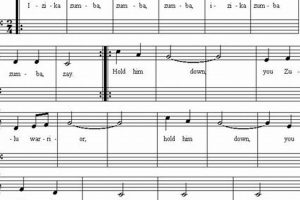
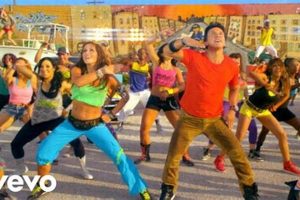
The composition of music utilized in energetic dance fitness programs significantly impacts participant engagement and workout effectiveness. These programs often incorporate a variety of rhythms and musical styles to create an immersive and enjoyable exercise experience. The selection of tracks can transform a standard workout into a vibrant and culturally diverse movement experience.
Carefully curated musical arrangements are essential for maximizing the aerobic and coordination benefits of these fitness activities. The tempo, beat patterns, and lyrical content contribute directly to motivation and the ability to maintain consistent movement. Furthermore, exposure to diverse global music styles can broaden cultural awareness and provide a more holistic wellness experience.
Therefore, understanding the nuances involved in selecting music for such dance-based fitness classes is paramount. Considerations include rhythm variations, instructor choreography, and the overall impact on participant motivation and performance. The following sections will delve into key factors influencing the selection of suitable musical tracks and their arrangement for optimal fitness results.
Considerations for Compiling Music for Dance Fitness Programs
Selecting appropriate musical compositions for dance-based fitness sessions requires careful evaluation. The following guidelines ensure the musical content supports an effective and engaging workout experience.
Tip 1: Genre Diversity: Integrate a broad spectrum of musical genres to accommodate varied participant preferences and introduce cultural influences. Incorporating Latin rhythms, international pop, and electronic dance music provides a comprehensive sonic landscape.
Tip 2: Tempo Variation: Strategically vary the tempo of musical selections to facilitate interval training. Alternating between high-energy, fast-paced tracks and slower, recovery-focused pieces enhances cardiovascular fitness and promotes active recovery.
Tip 3: Beat Matching: Ensure seamless transitions between tracks through effective beat matching. Utilizing music production software or pre-mixed compilations minimizes disruptions and maintains a consistent energy level throughout the session.
Tip 4: Phrasing Alignment: Choreography should align with the phrasing of the musical pieces. Syncing movements to specific musical cues, such as the start of a chorus or a change in instrumentation, enhances the overall aesthetic and improves participant coordination.
Tip 5: Legal Compliance: Adhere to copyright regulations by securing appropriate licensing for the use of musical recordings in a commercial fitness setting. Utilizing royalty-free music or obtaining performance licenses ensures legal compliance.
Tip 6: Participant Feedback: Solicit feedback from participants regarding their musical preferences. Conducting surveys or incorporating requests into session planning allows for continuous refinement of musical selections and promotes a sense of ownership.
Tip 7: Audio Quality: Ensure high-quality audio playback to maximize the impact of the music. Utilizing professional sound systems and encoding tracks at appropriate bitrates guarantees optimal auditory experiences and minimizes distractions.
Implementing these strategies will contribute to the development of dynamic and effective fitness experiences. The thoughtful selection of musical content not only enhances the physical benefits of these classes, but also cultivates a more engaging and enjoyable workout environment.
By understanding and applying these guidelines, fitness professionals can optimize the musical component of their offerings, leading to greater participant satisfaction and improved fitness outcomes.
1. Rhythmic Variety

Rhythmic variety is a fundamental component influencing participant engagement and physiological response in dance fitness formats. The selection of musical tracks with diverse rhythmic structures directly affects movement patterns and overall workout intensity. A carefully curated assortment of rhythms prevents monotony and promotes a well-rounded fitness experience.
- Tempo Modulation
Tempo modulation, or the strategic alteration of speed, is a critical aspect of rhythmic variety. Varying the tempo throughout a class allows for structured interval training, alternating between high-intensity bursts and periods of active recovery. For instance, transitioning from a fast-paced Latin rhythm to a slower, reggaeton-influenced track provides an opportunity to lower the heart rate while maintaining engagement. The physiological impact of tempo modulation includes improved cardiovascular function and enhanced calorie expenditure.
- Syncopation Incorporation
Syncopation, the displacement of beats in a musical phrase, introduces complexity and challenge to dance fitness routines. Incorporating syncopated rhythms compels participants to focus on nuanced movements, enhancing coordination and cognitive engagement. An example includes incorporating Afrobeat rhythms characterized by off-beat accents, which require participants to adapt to less predictable rhythmic patterns. The inclusion of syncopation promotes neuroplasticity and improves motor skills.
- Meter Alternation
Meter alternation, shifting between different time signatures, adds further complexity to rhythmic arrangements. Changing from duple meter (two beats per measure) to triple meter (three beats per measure) or compound meters challenges participants’ sense of rhythm and coordination. For example, integrating a waltz-inspired section with a contrasting salsa segment forces participants to adapt to distinct rhythmic feels, thereby enhancing rhythmic proficiency. This element promotes adaptability and rhythmic versatility.
- Polyrhythmic Application
Polyrhythms, the simultaneous use of two or more conflicting rhythms, create a complex and stimulating auditory environment. Introducing tracks featuring polyrhythms, such as those found in some African and Latin American musical traditions, challenges participants to differentiate and coordinate multiple rhythmic layers. For example, a song featuring a 4/4 drum beat alongside a 3/4 melodic line requires mental and physical dexterity to process and execute. The inclusion of polyrhythms can improve cognitive function and perceptual skills related to rhythm.
The incorporation of these rhythmic facets is vital for creating impactful and engaging dance fitness classes. By strategically varying tempo, incorporating syncopation, alternating meters, and applying polyrhythms, fitness instructors can craft dynamic experiences that enhance physical and cognitive fitness outcomes. A sophisticated understanding of rhythmic variety allows for the creation of musical programs that optimize participant motivation and drive sustainable adherence.
2. Tempo Synchronization

Tempo synchronization is a crucial aspect of dance fitness programs, directly influencing the effectiveness and perceived enjoyment of workout sessions. In the context of structured dance routines, precise alignment of movement with musical tempo optimizes physical exertion and promotes participant engagement.
- Physiological Response and Exercise Intensity
Tempo directly affects heart rate and perceived exertion. Faster tempos generally correspond to higher intensity levels, suitable for cardiovascular training and calorie expenditure. In choreographed sequences, accurately matching tempo to movement speed ensures that the physiological demand aligns with the intended workout goals. Example: A transition from a 130 BPM (beats per minute) merengue to a 145 BPM salsa should be paired with a commensurate increase in movement intensity to maintain a consistent cardiovascular challenge.
- Coordination and Motor Skill Development
Precise synchronization between musical tempo and choreographed steps enhances coordination and refines motor skills. When movements are timed perfectly with the music, participants can more effectively learn and execute complex routines. Example: In Zumba routines, specific dance steps such as the “basic step” or “cumbia step” are closely tied to the rhythm of the selected song. This synchronization assists participants in mastering these movements and enhancing their overall coordination.
- Motivational Impact and Adherence
The congruency between the tempo of music and the energy of the dance movements positively impacts participant motivation and class adherence. When movements are synchronized with upbeat, energetic music, participants are more likely to feel motivated and engaged, enhancing the overall workout experience. Example: Implementing songs with a steadily increasing tempo throughout the class can build momentum and maintain high levels of engagement, ultimately increasing the likelihood of continued participation in subsequent sessions.
- Instructor Cueing and Choreographic Structure
Tempo synchronization is essential for effective instructor cueing and choreographic structure. Instructors rely on tempo to time their verbal and visual cues, guiding participants through the routines seamlessly. Example: An instructor may use a specific beat within a song to cue a change in movement, ensuring that participants can anticipate and execute transitions smoothly. This level of synchronization enhances the fluidity of the class and promotes a positive learning environment.
In summation, tempo synchronization is a cornerstone of successful dance fitness programs. This careful alignment affects physiological response, motor skill development, motivation, and choreographic execution. Effective tempo synchronization requires careful selection of appropriate music and precise alignment of movements, ultimately enhancing both the physical and experiential elements of the workout.
3. Genre Inclusivity
Genre inclusivity is a pivotal element within curated musical catalogs for dance fitness, directly influencing participant engagement and cultural representation. The strategic incorporation of diverse musical styles reflects a commitment to appealing to a broad audience, acknowledging various cultural backgrounds and personal preferences. This multifaceted approach enhances the overall workout experience and promotes inclusivity within the fitness community.
- Expanding Participation Rates
The incorporation of diverse genres within a fitness program can directly expand participation rates. By offering musical styles that resonate with different cultural backgrounds and personal preferences, program administrators can attract individuals who might otherwise feel excluded. For instance, integrating Latin rhythms alongside Bollywood, African, and hip-hop tracks broadens the appeal of the class, attracting a more heterogeneous demographic. This approach acknowledges diverse musical tastes and enhances the overall inclusivity of the fitness environment.
- Promoting Cultural Awareness
Genre inclusivity fosters cultural awareness by exposing participants to musical forms originating from various regions of the world. Through consistent engagement with diverse rhythms and melodies, individuals develop an appreciation for global musical traditions. Example: A routine blending salsa steps with Afrobeat movements introduces participants to the rhythmic complexity and historical context of both genres. This cross-cultural exposure can break down stereotypes and promote a more comprehensive understanding of global cultures.
- Enhancing Exercise Motivation
Musical variety is a key factor in maintaining participant motivation during fitness activities. Monotonous playlists can lead to boredom and decreased engagement, whereas a diverse musical selection stimulates interest and provides a dynamic workout experience. Example: Alternating between high-energy Latin tracks and more relaxed reggae beats offers varying intensity levels and rhythmic patterns, keeping participants engaged and motivated throughout the session. The strategic use of diverse genres prevents fatigue and enhances overall workout satisfaction.
- Fostering Community and Belonging
The inclusion of diverse musical styles creates a sense of community and belonging among participants. When individuals hear music that reflects their cultural heritage or personal preferences, they are more likely to feel valued and connected to the group. Example: Featuring a song in a language spoken by a significant portion of the class can create a sense of solidarity and cultural pride. This inclusive approach fosters a supportive environment where individuals feel comfortable and motivated to participate actively.
In summary, the strategic application of genre inclusivity within musical programming for dance fitness formats serves to expand participation, promote cultural awareness, enhance exercise motivation, and foster a sense of community. This holistic approach acknowledges the diverse backgrounds and preferences of participants, thereby creating a more engaging and inclusive fitness experience.
4. Cultural Relevance
Cultural relevance holds significant importance in dance fitness programming, particularly in musical selection. The degree to which the musical content resonates with participants cultural identities and lived experiences profoundly impacts engagement, motivation, and overall satisfaction. A thoughtful approach to musical selection considers cultural context to create a positive and inclusive fitness environment.
- Musical Authenticity
Musical authenticity pertains to the accurate and respectful representation of cultural musical traditions. Selecting tracks that stay true to the original form, instrumentation, and lyrical content of a particular culture ensures a genuine and respectful experience for participants. For example, incorporating salsa music with authentic instrumentation and rhythmic patterns, as opposed to a generic or watered-down version, honors the tradition and provides a more engaging experience for individuals familiar with the genre. Maintaining authenticity is essential for building trust and fostering cultural appreciation.
- Linguistic Considerations
The language of the lyrics significantly influences the cultural relevance of a musical track. Including songs in languages that are familiar to participants enhances their connection to the music and facilitates a deeper understanding of the cultural context. For instance, in a community with a significant Spanish-speaking population, integrating songs with Spanish lyrics allows participants to connect on a more personal level. However, it is important to provide context or translations when using lyrics in unfamiliar languages to ensure all participants can engage with the cultural content.
- Movement Alignment
The choreography and movement patterns should align with the cultural origins of the music. Dance fitness routines should respect the traditional movements associated with each musical genre, avoiding cultural appropriation or misrepresentation. For example, if incorporating Afrobeat music, the movements should reflect the energetic and grounded style characteristic of traditional African dances. Engaging with cultural consultants or dancers from the respective traditions can ensure authentic and respectful movement interpretation.
- Contextual Presentation
Providing background information about the cultural origins of the music enhances participants understanding and appreciation. Brief introductions or explanations about the artists, historical significance, or cultural context of the songs can enrich the experience beyond the purely physical aspects of the workout. For instance, sharing information about the origins of samba music in Brazil or the social significance of reggae in Jamaica adds depth and meaning to the exercise session. Such contextualization transforms the fitness class into an opportunity for cultural learning and exchange.
Incorporating these facets of cultural relevance optimizes the impact of music within dance fitness. A considered approach to musical authenticity, linguistic elements, movement alignment, and contextual presentation builds a more inclusive and culturally sensitive fitness environment, ultimately enhancing participant engagement and satisfaction.
5. Motivational Lyrics

The inclusion of motivational lyrics within a dance fitness program’s music selection plays a pivotal role in enhancing participant engagement and optimizing workout effectiveness. In the context of a dynamically curated song selection, strategically selected phrases and messages embedded within the musical compositions influence psychological and physiological responses. The presence of uplifting and encouraging lyrical content within tracks facilitates a more positive and energetic workout atmosphere, directly contributing to participant adherence and fitness outcomes.
Specific examples illustrate the practical application of motivational lyrics. Songs incorporating phrases that emphasize personal empowerment, such as “I can do this” or “I am strong,” can reinforce self-efficacy beliefs among participants. The rhythmic repetition of these phrases, combined with the physical exertion of the exercise, serves as a powerful mechanism for promoting positive self-perception and sustained effort. Moreover, lyrical themes that promote community and collective achievement, like “together we can” or “we are a team,” can foster a sense of camaraderie and mutual support within the class, thus driving continued engagement.
Ultimately, the effective integration of motivational lyrics into dance fitness programs hinges on a comprehensive understanding of participant demographics, cultural sensitivities, and individual motivational drivers. While the inclusion of such content can significantly enhance the workout experience, it must be approached with careful consideration to avoid alienating or discouraging participants. When implemented thoughtfully, motivational lyrics serve as a valuable tool for enhancing workout intensity, fostering positive psychological states, and building a supportive fitness community.
6. Beat Consistency
Beat consistency is an essential factor in the composition of music utilized within dance fitness programs. Musical selections lacking a consistent beat structure can impede the flow of choreographed routines, disrupting the synchronization between movement and rhythm. For programs such as dance fitness, where the coordinated execution of dance steps to a specific tempo is central, a fluctuating or unpredictable beat can lead to participant frustration and a diminished workout experience. The underlying cause of this disruption stems from the difficulty in maintaining consistent movement patterns when the musical foundation is unstable. The effect is a decline in participant engagement and a reduction in the exercise’s intended physical benefits.
The importance of beat consistency is demonstrated through its impact on participant coordination and confidence. In a well-structured session, the steady beat allows participants to anticipate the timing of movements, promoting ease of execution and a sense of accomplishment. Conversely, inconsistent beat patterns necessitate constant adjustment, diverting cognitive resources away from proper form and physical exertion. This can result in reduced confidence and a higher likelihood of dropout. Consider, for instance, a routine incorporating a Latin-inspired track where the percussion instruments shift unexpectedly in prominence and tempo. Participants may struggle to maintain the appropriate rhythm and coordination, leading to a disjointed and less effective workout.
In summary, the establishment and maintenance of a consistent beat are paramount for the effectiveness of structured dance fitness. A steady beat underpins participant coordination, fosters confidence, and maximizes the intended physical benefits. A failure to uphold beat consistency introduces challenges that can negatively impact the overall workout experience, potentially diminishing participant engagement and program adherence. By prioritizing music with a stable and predictable beat, program planners can ensure the integrity and efficacy of their fitness offerings.
7. Energy Progression

Energy progression, a strategically designed sequence of varying intensity levels throughout a fitness session, is integral to optimizing physiological response and maintaining participant engagement. In the context of curated dance fitness playlists, carefully planned energy progression enhances the overall effectiveness and appeal of the workout experience.
- Warm-up Phase: Activation and Preparation
The initial phase involves selecting tracks with gradually increasing tempos and movement complexity. The purpose is to elevate heart rate and body temperature, preparing muscles for more intense activity. Examples include starting with slower Latin rhythms and gradually introducing more dynamic merengue or salsa. This prepares the cardiovascular system for exertion.
- Peak Intensity: Maximizing Cardiovascular Demand
The central segment of the class incorporates music characterized by high tempos and vigorous rhythms, such as high-energy soca or reggaeton. Choreography during this phase involves larger, more complex movements, maximizing calorie expenditure and cardiovascular demand. Sustaining this elevated intensity requires strategic selection of tracks to maintain participant motivation and prevent premature fatigue.
- Active Recovery: Transition and Sustained Effort
Active recovery segments utilize songs with moderate tempos and simpler movement patterns. This phase facilitates a gradual reduction in heart rate while maintaining muscular engagement. Examples include incorporating bachata or cumbia rhythms with simplified steps. The goal is to promote blood flow and reduce muscle soreness without completely ceasing activity.
- Cool-down Phase: Restoration and Flexibility
The concluding segment employs slow-tempo music with gentle movements, focusing on flexibility and relaxation. Tracks with acoustic or ambient elements are suitable for this phase. Stretching exercises are incorporated to improve flexibility and reduce muscle tension. This phase promotes a return to baseline physiological parameters and enhances recovery.
These carefully orchestrated phases, when integrated within a curated dance fitness experience, not only optimize physical benefits but also enhance psychological engagement. The effective application of energy progression, via precise musical selection, transforms a collection of songs into a structured and effective fitness program, contributing significantly to both individual results and overall class satisfaction.
Frequently Asked Questions
The following questions address common concerns regarding musical content utilized in dance fitness programs.
Question 1: What are the primary criteria for selecting songs for dance fitness classes?
Song selection should prioritize a consistent beat, appropriate tempo for the intended exercise intensity, and appeal to a diverse range of participant preferences. Adherence to copyright regulations is also crucial.
Question 2: How does musical tempo affect the intensity of a dance fitness workout?
Musical tempo directly correlates with exercise intensity. Faster tempos elevate heart rate and promote increased calorie expenditure. Slower tempos are appropriate for warm-up, cool-down, and active recovery periods.
Question 3: Is it necessary to incorporate a variety of musical genres into dance fitness sessions?
Genre diversity enhances participant engagement and caters to varied cultural backgrounds and musical tastes. A broad musical selection can improve adherence and overall enjoyment.
Question 4: What is the significance of rhythmic variety in dance fitness music?
Rhythmic variety promotes coordination, engages multiple muscle groups, and prevents monotony. Incorporating diverse rhythmic patterns enhances the effectiveness of the workout.
Question 5: How can instructors ensure cultural sensitivity in their musical selections?
Instructors should select authentic musical tracks, respect traditional movements associated with each genre, and provide context regarding the cultural origins of the music. Consultation with cultural experts can further ensure sensitivity.
Question 6: What role do motivational lyrics play in dance fitness programs?
Motivational lyrics can enhance participant self-efficacy and foster a sense of community. Strategic integration of positive and encouraging lyrical content can improve workout intensity and overall psychological well-being.
Careful attention to musical selection is essential for optimizing participant engagement and achieving desired fitness outcomes. A well-curated playlist contributes significantly to a positive and effective workout experience.
The next section will explore specific strategies for choreographing routines to complement various musical styles.
Conclusion
The preceding analysis underscores the multifaceted importance of musical selections in structured fitness environments. Considerations ranging from tempo synchronization and rhythmic variation to cultural relevance and lyric content exert a demonstrable influence on participant engagement and physiological outcomes. The proper arrangement of these musical elements warrants careful attention to achieve optimal results.
Therefore, ongoing evaluation and refinement of musical selections are essential to maintain program efficacy and maximize participant satisfaction. A continued commitment to thoughtful curation will ensure that dance fitness endeavors remain both effective and engaging, contributing to sustained participation and improved fitness levels.