The elements of a current musical composition used in a dance fitness program are central to its success and appeal. Fresh tracks keep participants motivated and engaged, introducing novel rhythms and movements that complement the established Zumba methodology. For instance, a recently released Latin pop hit, remixed to enhance its tempo and bass, may quickly find its way into a fitness instructor’s playlist.
The significance of introducing recent musical pieces lies in several factors. Current material often reflects prevailing trends and cultural influences, making the workout feel contemporary and relevant. This can boost participation rates and maintain long-term interest. Furthermore, exposure to up-to-date selections ensures that routines remain dynamic and do not stagnate, providing continuous physical and mental stimulation. The incorporation of these tracks also provides context to the routine. The recent incorporation of Reggaeton into many classes gives the routines more dynamic flow.
The subsequent discussion will delve into specific considerations regarding the selection, licensing, and integration of this fresh musical content within the Zumba framework. This includes examining sources for identifying popular music, legal aspects of usage rights, and effective strategies for choreography to these selections.
Guidance on Incorporating Recent Musical Compositions in Zumba
The following recommendations address the effective and responsible integration of the current Zumba soundtracks into fitness routines, emphasizing legal compliance and participant engagement.
Tip 1: Monitor Music Charts: Consistently review prominent music charts, streaming service trends, and dance music publications to identify potentially suitable songs. This ensures awareness of popular and trending compositions.
Tip 2: Evaluate Tempo and Rhythm: Assess the beats per minute (BPM) and rhythmic patterns of potential tracks to ensure they align with the Zumba format’s intensity and dance styles. Prioritize songs that facilitate fluid transitions between different movement sequences.
Tip 3: Secure Legal Rights: Obtain the necessary licenses or permissions from music publishers or rights organizations before using copyrighted material in a commercial fitness class. This avoids potential legal repercussions and supports the integrity of the music industry.
Tip 4: Adapt Choreography Carefully: Modify the dance steps and routines to synchronize with the musical selection’s structure and dynamics. This includes identifying distinct musical phrases, building intensity during crescendos, and creating rest periods during quieter sections.
Tip 5: Test with a Small Group: Before fully integrating a composition into regular classes, conduct trial sessions with a limited number of participants. Gather feedback on the song’s suitability, the choreography’s effectiveness, and the overall workout experience.
Tip 6: Offer Variety: Regularly introduce recent musical content, but also maintain a balance with established classics and genre diversity. This prevents monotony and caters to a wider range of participant preferences.
Tip 7: Prioritize Audio Quality: Use high-quality audio equipment and files to ensure clear and distortion-free sound reproduction during classes. This enhances the listening experience and minimizes potential distractions.
Integrating new and popular music effectively hinges on responsible rights management, careful tempo analysis, and thoughtful adaptation. Implementing these suggestions results in elevated fitness classes and continued engagement.
The subsequent sections will address the practical aspects of building class playlists and ongoing monitoring of trending songs.
1. Fresh Rhythm

The presence of compelling rhythms serves as a foundational element in the selection of recent musical compositions for Zumba programs. A captivating, contemporary rhythm is a primary driver of engagement and motivation. The incorporation of current musical rhythms can elevate the workout experience, encouraging greater participation and adherence to the fitness program. The integration of this rhythm also leads to the exploration of different parts of the body in movement.
For example, the introduction of a recent Latin pop track, characterized by its complex polyrhythms and syncopated beats, can challenge participants to execute more intricate and nuanced movements. Similarly, the integration of African rhythms may introduce distinct dance styles and movement vocabularies. The selection process should prioritize music featuring rhythm diversity.
In essence, fresh rhythm is not simply an aesthetic consideration, but a functional component that directly impacts the effectiveness and appeal of the Zumba workout. Identifying and integrating this rhythm effectively allows fitness instructors to ensure the routines remain relevant, challenging, and, above all, enjoyable for the participants.
2. Tempo Compatibility

Tempo compatibility is a crucial determinant in the effective integration of any current musical composition into a Zumba program. The tempo, measured in beats per minute (BPM), dictates the pace of the movements and, consequently, the intensity of the workout. Incompatibility between a song’s tempo and the intended Zumba routine can lead to disjointed movements, reduced participant engagement, and a compromised fitness experience. For example, a track with an excessively high BPM may prove unsustainable for extended periods, causing fatigue and potential injury, while a track with a very low BPM may fail to provide the necessary energy and stimulation for an effective workout. Therefore, selecting musical compositions with appropriate tempo rangestypically between 130 and 150 BPM for Zumba routinesis essential for maximizing the benefits of the program.
The assessment of tempo compatibility also extends beyond simply matching the BPM. It requires considering the rhythmic structure and musical phrasing of the selection. A song with a consistent and predictable tempo allows the instructor to design choreography that flows smoothly and naturally. Conversely, songs with abrupt tempo changes or complex rhythmic patterns may present challenges in creating cohesive and accessible routines. This careful consideration allows the fitness instructor to produce new routines that are engaging for their participants. Real-world applications of this understanding include instructors using BPM analyzer software to precisely determine the tempo of a given track prior to incorporating it into a class, and then building the choreography in alignment with the music’s structure.
In summary, tempo compatibility stands as a fundamental criterion for integrating fresh music within Zumba classes. The process demands a precise evaluation of a composition’s tempo and rhythmic structure, coupled with a strategic alignment of choreography. Failing to adequately address this aspect can detract from the overall effectiveness and enjoyment of the Zumba experience. Addressing this challenge is vital, linking directly to the broader theme of creating fitness routines that are both enjoyable and beneficial.
3. Copyright Clearance
The legal authorization to use copyrighted musical compositions is a critical element in the integration of any recent music into Zumba fitness programs. The utilization of musical works without proper authorization constitutes copyright infringement, potentially leading to legal repercussions. The intricacies of copyright law and the obligations of fitness instructors necessitate a thorough understanding of the principles and practices of obtaining rights for musical performance.
- Public Performance Rights
Public performance rights grant the authorization to play copyrighted music in a public setting, such as a fitness class. These rights are typically managed by Performing Rights Organizations (PROs) like ASCAP, BMI, and SESAC. Zumba instructors or the fitness facilities where they operate must secure blanket licenses from these PROs to legally play their affiliated songs. Failure to obtain these licenses constitutes copyright infringement, potentially leading to fines and legal action. For example, if a Zumba class uses a popular song without a license, the PRO representing the copyright holder can pursue legal recourse.
- Synchronization Rights
Synchronization rights pertain to the use of a musical work in conjunction with visual media, such as online Zumba classes or promotional videos featuring choreography. These rights are distinct from public performance rights and require separate negotiation and licensing with the copyright holder, typically the music publisher. The absence of synchronization rights can result in copyright infringement penalties if music is used in video content without authorization.
- Mechanical Rights
Mechanical rights relate to the reproduction and distribution of copyrighted musical works. In the context of Zumba, these rights become relevant if instructors create and distribute CDs or digital files of their class playlists. Obtaining mechanical licenses from the copyright owner or through agencies like the Harry Fox Agency is essential for legally distributing such materials.
- Fair Use Doctrine Limitations
The “fair use” doctrine permits limited use of copyrighted material without permission for purposes such as criticism, commentary, news reporting, teaching, scholarship, or research. While the fair use doctrine may offer some limited protection for educational purposes, it generally does not extend to commercial fitness classes where instructors profit from using copyrighted music. Reliance on fair use without careful consideration of the specific circumstances and relevant legal precedents can be a risky endeavor.
Given the complexity of copyright law, Zumba instructors are obligated to seek legal counsel to ensure that all their activities comply with applicable copyright laws. This proactive approach minimizes the risk of infringement and ensures the sustained viability of their Zumba practice. This proactive work of copyright and clearance facilitates the class in exploring songs and music and choreography.
4. Choreography Fit

The integration of current musical compositions into Zumba routines necessitates a meticulous evaluation of choreography fit. This consideration determines the extent to which dance steps and movements harmonize with the rhythmic structure, tempo, and overall dynamics of the music. A successful alignment of choreography and musicality ensures a seamless and engaging experience for participants, enhancing the effectiveness of the workout.
- Rhythmic Synchronization
Rhythmic synchronization involves aligning specific dance movements with corresponding beats, accents, and rhythmic patterns within a musical composition. Movements should naturally complement the rhythmic structure of the music, allowing for a cohesive and intuitive dance experience. Failure to achieve rhythmic synchronization can result in disjointed and awkward movements, detracting from the overall flow of the workout. For example, if a song features a prominent percussive beat on every fourth count, the choreography might incorporate a powerful step or arm movement on that beat to accentuate the rhythm.
- Tempo Adaptation
Tempo adaptation requires adjusting the pace and complexity of dance movements to match the tempo of the musical selection. Higher tempos typically necessitate faster and more energetic movements, while slower tempos may call for more controlled and deliberate actions. The choreography should be adapted to maintain a consistent level of intensity and engagement that aligns with the tempo of the song. Discrepancies between the tempo of the music and the pace of the movements can lead to fatigue or boredom among participants. A song with a slow tempo requires flowing and well-paced movements.
- Musical Phrasing
Musical phrasing encompasses the structure and organization of a song, including its distinct sections, verses, choruses, and bridges. Effective choreography should acknowledge and reflect these structural elements by incorporating variations in movement intensity and style. Transitions between different sections of a song provide opportunities to introduce new steps or modify existing movements to create a dynamic and engaging routine. Recognizing these phrases facilitates the class.
- Genre-Specific Movements
Different musical genres are often associated with specific dance styles and movement vocabularies. Choreography should incorporate elements of these dance styles to create a routine that is authentic and respectful of the musical source material. For example, when utilizing a Latin song, movements such as salsa steps and merengue turns can be incorporated to reflect the genre’s characteristic movements. When exploring Reggaeton, the dance instructors can utilize hip movements. Adherence to this style enriches the experience.
The integration of current compositions into Zumba fitness classes is contingent upon careful consideration. By prioritizing rhythmic synchronization, tempo adaptation, musical phrasing, and genre-specific movements, fitness instructors can create classes that are exciting for the participants. The outcome is improved fitness and engagement by the class participant.
5. Participant feedback

Participant feedback serves as a vital compass in navigating the ever-evolving landscape of musical integration within Zumba programs. It provides critical insights into the effectiveness and appeal of recent compositions, guiding instructors toward selections that resonate with their students and enhance the overall fitness experience.
- Preference Identification
Feedback mechanisms, such as surveys, verbal cues, or post-class discussions, enable instructors to identify specific musical genres, artists, or even individual songs that are particularly well-received by participants. For example, if a significant portion of the class expresses enthusiasm for a recent Latin pop hit, the instructor can prioritize similar selections in future playlists. Conversely, negative feedback regarding a song’s tempo, rhythm, or overall suitability can inform decisions to remove or modify its integration into the routine. One example is students complaining if a song is too complex or moves to fast.
- Engagement Level Assessment
Observing participants’ non-verbal cues, such as their energy levels, enthusiasm, and participation rates, provides valuable insight into how effectively a recent musical composition is engaging the class. Higher energy levels and increased participation typically indicate that the song is resonating with the participants, while lower energy levels or disengagement may suggest that the song is not a good fit. For instance, if a class consistently displays higher levels of energy and enthusiasm during a routine featuring a particular song, it signifies the composition’s positive impact on their overall experience. Another example is students that seem distracted during a song.
- Choreography Effectiveness Evaluation
Participant feedback can shed light on the effectiveness of the choreography designed to accompany a particular musical composition. Constructive criticism regarding the complexity, clarity, or overall suitability of the dance movements can inform adjustments to the choreography, ensuring that it is both engaging and accessible to participants of varying skill levels. For example, if a participant expresses difficulty following the steps during a specific section of a routine, the instructor can modify the choreography to simplify the movements or provide clearer instruction. This insight of the music leads to instructor improvement, helping students learn best.
- Overall Enjoyment Gauge
Ultimately, participant feedback provides a direct measure of how much enjoyment individuals derive from a Zumba class incorporating a given music composition. Positive feedback, such as verbal expressions of enjoyment, increased smiles, or enthusiastic applause, indicates that the music is effectively contributing to a positive and fulfilling fitness experience. Conversely, negative feedback or a general lack of enthusiasm may suggest that the music is detracting from the overall enjoyment of the class. The most simple example is simply asking at the end of class “How did everyone like the new song?”
Participant feedback loops are essential for optimizing the selection and integration process, leading to more engaging and successful Zumba experiences. By actively soliciting, analyzing, and responding to feedback, instructors can ensure that their Zumba classes continue to evolve and meet the changing needs and preferences of their participants, ultimately fostering a more rewarding and sustainable fitness program. Zumba programs can use such insights to maximize the benefits and make necessary course corrections.
6. Genre Variety
The incorporation of a diverse spectrum of musical genres is paramount in the selection and integration of recent musical compositions into Zumba programs. Genre variety expands the appeal of the workout, catering to a broader range of preferences and ensuring sustained participant engagement.
- Cultural Exposure
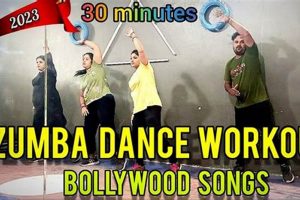
Exposure to diverse musical styles introduces participants to different cultures and traditions. By incorporating genres such as salsa, merengue, cumbia, reggaeton, Bollywood, and African rhythms, Zumba classes become a vehicle for cultural exploration and appreciation. This, in turn, enhances the educational and social aspects of the program. The inclusion of these types of genres will expose participants to cultures that they might not otherwise engage with. For example, Bollywood music brings with it unique instruments, rhythms, and even movement qualities that differentiate it from standard Western pop music.
- Movement Vocabulary Expansion
Different genres necessitate different movement styles and techniques. The incorporation of genre variety pushes participants to expand their movement vocabulary and develop new physical skills. For instance, salsa rhythms require precise footwork and hip movements, while reggaeton demands more dynamic and energetic body isolations. By mastering these diverse movements, participants enhance their overall coordination, agility, and body awareness. The body is also being used in a variety of ways.
- Motivational Impact
The selection of musical genres has a profound impact on participant motivation and engagement. Different genres evoke different emotions and energy levels, and by strategically varying the musical selection, instructors can create a dynamic and stimulating workout environment. Some participants may be energized by high-tempo Latin rhythms, while others may be drawn to the more sensual and fluid movements associated with Bollywood or contemporary pop. This allows the instructor to have maximum engagement with the class.
- Long-Term Adherence
Genre variety is a crucial factor in maintaining long-term adherence to Zumba programs. By consistently introducing recent songs of differing genres, instructors prevent monotony and keep the workout experience fresh and exciting. This ensures that participants remain engaged and motivated over time, increasing their likelihood of sticking with the program and achieving their fitness goals. This means the retention rate for the class is greater than a routine class.
The careful curation of musical genres within Zumba is essential for maximizing the benefits of the program. It promotes cultural awareness, expands movement capabilities, enhances motivation, and sustains long-term adherence, contributing to a more holistic and rewarding fitness experience. This means it creates more enjoyment for the class participants.
7. Audio quality

The fidelity of sound reproduction is a critical, often understated, element in the successful incorporation of recently released musical compositions within Zumba fitness programs. Optimal audio quality ensures that the intended rhythmic nuances and sonic textures of the music are accurately conveyed, directly influencing participant engagement and the overall effectiveness of the workout.
- Clarity and Definition
Clarity in audio reproduction ensures that individual instruments and vocal elements within a song are distinctly audible. High-quality audio equipment reveals the subtle details of a recent musical composition, allowing participants to fully appreciate the intricacies of the rhythm and melody. This improved definition aids in synchronizing movements with the music, thereby enhancing the effectiveness of the choreography. Conversely, poor audio quality can result in a muddy or indistinct sound, making it difficult to discern rhythmic cues and hindering movement synchronization.
- Dynamic Range
Dynamic range refers to the difference between the quietest and loudest sounds within a song. High-quality audio systems accurately reproduce the full dynamic range of recent musical compositions, preserving the intended emotional impact and energy levels. A wide dynamic range allows for subtle variations in volume and intensity to be conveyed effectively, creating a more engaging and immersive workout experience. Limited dynamic range compresses the sound, reducing the contrast between quiet and loud passages, and diminishing the overall sonic impact.
- Distortion Reduction
Audio distortion, such as clipping or static, degrades the listening experience and can distract participants from the workout. High-quality audio equipment minimizes distortion, ensuring a clean and unadulterated sound reproduction. This is particularly important when using recent musical compositions, which may contain complex sonic textures and electronic elements. Distortion can mask the sonic detail and lead to listener fatigue. The minimizing of the degradation is what allows the instructor to be dynamic.
- Frequency Response
Frequency response describes the range of frequencies that an audio system can accurately reproduce, from the lowest bass notes to the highest treble tones. A wide and balanced frequency response ensures that all elements of a musical composition are faithfully reproduced, creating a full and immersive soundscape. This enhances the listening experience and allows participants to fully appreciate the sonic details of recent musical releases. A narrow or uneven frequency response can result in certain frequencies being emphasized or attenuated, leading to an unbalanced and unnatural sound.
Given the importance of auditory cues in Zumba, the quality of the audio reproduction system directly impacts the overall efficacy and enjoyment of the fitness program. Investing in high-quality audio equipment, using lossless audio formats, and optimizing the sound system setup are essential steps for ensuring that the recent musical compositions are presented in their best light, thereby enhancing participant engagement and maximizing the benefits of the workout.
Frequently Asked Questions
This section addresses common inquiries regarding the selection, legal usage, and practical application of incorporating recent musical compositions into Zumba fitness routines.
Question 1: What factors determine the suitability of a new song for a Zumba class?
Tempo, rhythmic structure, genre alignment, and licensing availability are principal considerations. A song should possess a BPM conducive to Zumba routines, a rhythm that complements dance movements, a genre appropriate for the class demographic, and readily obtainable performance licenses.
Question 2: How is copyright compliance ensured when using current musical compositions?
Securing public performance licenses from Performing Rights Organizations (PROs) such as ASCAP, BMI, and SESAC is paramount. Zumba instructors and fitness facilities must maintain blanket licenses covering the use of affiliated songs in their classes. Additional licenses may be needed for online streaming or video recordings.
Question 3: What strategies optimize choreography for recently released music in Zumba?
Choreography should synchronize with the song’s rhythmic accents, tempo variations, and musical phrasing. Instructors should adapt movements to match the song’s overall energy and style, while ensuring accessibility for participants of varying skill levels.
Question 4: How can participant feedback be effectively incorporated in the selection of fresh songs?
Soliciting direct feedback through surveys, informal discussions, or observing non-verbal cues provides valuable insights. Monitoring participant enthusiasm and energy levels during routines helps assess the suitability of newly introduced musical selections.
Question 5: What are the best sources for identifying new, Zumba-appropriate songs?
Popular music charts, streaming service trends, and dance music publications offer valuable sources for discovering potentially suitable songs. Zumba instructor networks and professional music pools may also provide curated playlists.
Question 6: How is a balance maintained between incorporating new tracks and retaining established Zumba favorites?
Gradual integration of recent compositions alongside established routines promotes variety and maintains participant engagement. Introducing one or two new songs per class or rotating playlists helps strike a balance between novelty and familiarity.
Careful attention to copyright regulations and musical characteristics will ensure enjoyment for both the Zumba instructor and the class participants.
The subsequent section explores advanced playlist creation and integration.
Conclusion
The preceding exploration of zumba song new has underscored the multifaceted considerations involved in integrating current musical compositions into dance fitness programs. Effective selection necessitates meticulous attention to tempo, rhythm, legal compliance, and choreography compatibility. Participant feedback provides invaluable guidance in refining musical choices to optimize engagement and enjoyment.
Continued diligence in these areas is essential for maintaining the vitality and relevance of Zumba routines. A proactive approach to music licensing, coupled with a thoughtful incorporation of diverse musical styles, will ensure a sustainable and rewarding experience for both instructors and participants. The ongoing pursuit of fresh musical content will undoubtedly shape the future of dance fitness.