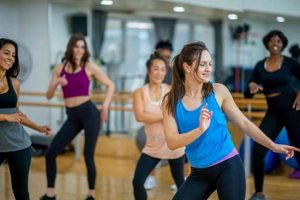
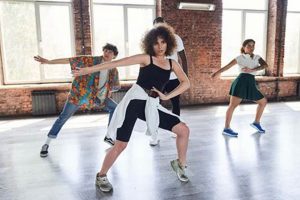
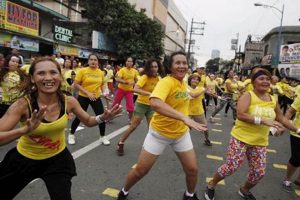
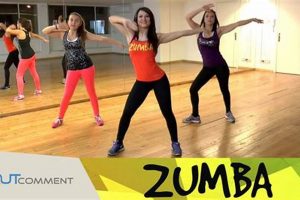
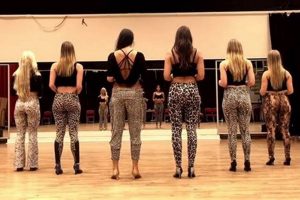
This contemporary fitness activity blends high-energy Latin rhythms with easy-to-follow dance steps. The routines incorporate interval training, alternating between fast and slow tempos, to improve cardiovascular fitness. Many studios now offer variations incorporating current musical trends, further broadening its appeal and accessibility to diverse populations. For example, a class might feature choreography inspired by reggaeton alongside more traditional salsa moves.
Its popularity stems from several factors, including its ability to provide a full-body workout while feeling less like exercise and more like a party. The engaging music and social atmosphere contribute to increased adherence and motivation. Furthermore, the aerobic nature of the workout improves cardiovascular health, boosts mood through endorphin release, and helps with weight management. While its roots lie in traditional Latin styles, it has evolved to incorporate global influences, making it a constantly evolving and relevant form of exercise.
The following sections will delve into the specific musical styles commonly utilized, the diverse range of physical benefits participants can expect, and the ways in which instructors adapt their teaching methods to suit various fitness levels and individual needs.
Guidance for Contemporary Zumba Participation
This section provides practical guidance to maximize the benefits and minimize the risks associated with participation in this fitness activity. Consider the following recommendations for a safe and effective experience.
Tip 1: Prioritize Proper Footwear: Footwear designed for cross-training is essential. Such shoes provide adequate support, cushioning, and lateral stability, reducing the risk of ankle and knee injuries during rapid movements and changes in direction. Avoid running shoes, as they lack lateral support.
Tip 2: Master Foundational Steps: Familiarize yourself with the core steps common in the routines. Attending beginner classes or watching instructional videos can build a strong base. Understanding the fundamental movements enhances coordination and allows for smoother transitions during more complex choreography.
Tip 3: Maintain Hydration: Due to the high-intensity nature of the activity, adequate hydration is paramount. Consume water before, during, and after the session to replenish fluids lost through perspiration. Dehydration can lead to fatigue, muscle cramps, and decreased performance.
Tip 4: Listen to Your Body: Pay attention to physical signals. If experiencing pain, modify the movements or take a break. Pushing through discomfort can result in injury. Individuals with pre-existing health conditions should consult a healthcare professional before commencing this or any new exercise program.
Tip 5: Adapt Intensity Levels: Modify movements to suit individual fitness levels. High-impact steps, such as jumps and leaps, can be modified to lower-impact variations. Focus on maintaining proper form rather than striving to keep pace with advanced participants.
Tip 6: Engage Core Muscles: Actively engage the core muscles throughout the session to improve stability, protect the spine, and enhance the effectiveness of the workout. Proper core engagement supports posture and minimizes the risk of lower back pain.
Tip 7: Choose Appropriate Attire: Wear comfortable, breathable clothing that allows for a full range of motion. Avoid restrictive garments that may impede movement or cause overheating. Moisture-wicking fabrics are recommended to keep the body cool and dry.
Adhering to these guidelines will contribute to a safer, more enjoyable, and ultimately more effective experience, allowing for the full realization of the activity’s physical and mental benefits.
The following section will address potential safety considerations and common pitfalls to avoid when participating in group fitness settings.
1. Evolving Choreography

The ongoing development of dance routines is a defining characteristic. Static choreography would lead to participant disengagement and diminish the program’s effectiveness. The continuous integration of new steps, musical genres, and fitness trends is a primary driver of its sustained popularity and ability to attract diverse demographics. A stagnant routine quickly becomes predictable, failing to challenge participants physically or maintain their interest. This necessitates a constant influx of novel movements and combinations.
A practical example of this can be seen in the incorporation of hip-hop influenced choreography. While traditionally rooted in Latin rhythms, classes frequently integrate hip-hop steps to appeal to wider audience. Similarly, the inclusion of international music trends ensures relevance and caters to participants with varying cultural backgrounds. Instructors who fail to adapt their choreography risk alienating participants seeking fresh and engaging experiences.
The continuous evolution of dance routines is therefore not merely an aesthetic consideration, but a critical element for ensuring its longevity, expanding its reach, and maximizing its fitness benefits. The willingness to adapt to emerging trends and preferences is what differentiates it from other group fitness programs and ensures its continued success.
2. Global Rhythmic Fusion

The integration of diverse musical genres significantly contributes to the appeal and effectiveness of contemporary variations. This fusion distinguishes it from traditional Latin-focused fitness activities, broadening its accessibility and ensuring sustained participant engagement.
- Expansion of Musical Palette
The incorporation of rhythms beyond traditional Latin styles, such as hip-hop, Afrobeat, Bollywood, and pop, diversifies the musical landscape. This allows instructors to cater to a wider range of musical preferences, attracting participants who may not be drawn to solely Latin-based classes. The inclusion of recognizable contemporary hits alongside traditional rhythms creates a more familiar and engaging environment.
- Cultural Inclusivity
The blending of musical styles promotes cultural inclusivity by exposing participants to diverse sounds and traditions. This can foster a sense of community among individuals from different backgrounds and enhance the overall social experience. Incorporating music from various regions demonstrates a commitment to cultural sensitivity and broadens the program’s appeal to multicultural audiences.
- Enhanced Choreographic Possibilities
Global rhythmic fusion expands the choreographic possibilities available to instructors. Different musical styles lend themselves to distinct movement patterns and intensities. This allows for more varied and dynamic routines that challenge participants in new ways and prevent monotony. The fusion of styles can also lead to innovative and unexpected dance combinations, enhancing the creative expression of both instructors and participants.
- Modernization and Relevance
The integration of contemporary musical trends ensures that it remains relevant and appealing to younger generations. By incorporating current pop hits and emerging global sounds, it avoids becoming stagnant and maintains its position as a cutting-edge fitness program. This adaptability is crucial for attracting and retaining participants in a rapidly evolving fitness landscape.
The strategic incorporation of global rhythms is not merely a superficial addition but a core element of the modern iteration. It facilitates broader appeal, fosters cultural inclusivity, enhances choreographic creativity, and ensures ongoing relevance in the dynamic world of fitness.
3. Cardiovascular Enhancement

The rhythmic and continuous movements inherent in this contemporary fitness activity directly contribute to improved cardiovascular health. As a high-intensity, interval-based workout, it elevates heart rate and respiration, challenging the cardiovascular system to adapt and strengthen. The alternating periods of high-energy activity and brief recovery engage both aerobic and anaerobic pathways, maximizing caloric expenditure and promoting efficient oxygen utilization. For example, a typical 60-minute session can elevate an individual’s heart rate into the target zone for cardiovascular conditioning, depending on their fitness level, leading to measurable improvements in VO2 max and reduced resting heart rate over time. This heightened cardiovascular function is a key benefit, translating into reduced risk of heart disease, stroke, and other related ailments.
The specific impact on cardiovascular health is further amplified by the incorporation of diverse dance styles, each with its unique movement patterns and intensity levels. The integration of salsa, merengue, and reggaeton, for instance, engages different muscle groups and challenges the cardiovascular system in varied ways. Moreover, the inherent social aspect of group classes can influence adherence and consistency. The supportive environment and engaging atmosphere contribute to increased motivation, leading to more frequent participation and sustained cardiovascular benefits. Studies have shown that individuals participating in regular fitness activities, particularly those involving social interaction, exhibit improved blood pressure control and reduced stress levels, further enhancing cardiovascular well-being.
In summary, the connection between this modern dance-based fitness and cardiovascular enhancement is significant and multifaceted. The continuous, rhythmic movement, combined with the integration of diverse dance styles and the supportive social environment, promotes a robust cardiovascular response. Recognizing this connection is essential for both instructors and participants, enabling them to optimize training regimens and maximize the long-term health benefits associated with consistent participation. The challenge lies in ensuring proper form and intensity levels to avoid injury while maintaining an effective cardiovascular workout.
4. Inclusive Social Dynamic

The element of an inclusive social dynamic is integral to the sustained engagement and widespread appeal of contemporary variations. This dimension transcends mere physical fitness, fostering a sense of community and belonging that significantly enhances participant experience. The group fitness setting creates an environment where individuals from diverse backgrounds, fitness levels, and age groups converge, united by the common goal of physical activity and enjoyment. This shared experience encourages interaction, support, and camaraderie, leading to enhanced motivation and adherence. For example, beginners often find encouragement and guidance from more experienced participants, creating a peer-to-peer mentorship dynamic that reinforces positive behavior. Furthermore, instructors frequently cultivate a welcoming atmosphere, actively promoting interaction and inclusivity through partner work, group challenges, and social events outside of class. The effect is a reduction in feelings of intimidation or isolation often associated with traditional gym environments, replaced by a sense of shared purpose and mutual support.
The presence of this inclusive social dynamic directly impacts participant retention and overall program success. Individuals are more likely to consistently attend classes when they feel connected to the community and valued as members. This sense of belonging can mitigate feelings of self-consciousness or performance anxiety, allowing participants to focus on the physical activity and reap its benefits. Real-world examples include anecdotal evidence from studios that report higher attendance rates and positive word-of-mouth referrals among participants who actively engage in the social aspects of the program. Furthermore, online communities and social media groups dedicated to specific classes foster ongoing connection and support beyond the physical studio, extending the benefits of the inclusive environment. The ability to build relationships, share experiences, and celebrate achievements within a supportive community contributes significantly to the long-term sustainability of participation.
Understanding the importance of this social dimension necessitates that instructors prioritize the creation and maintenance of an inclusive environment. This involves actively promoting interaction, adapting routines to accommodate diverse fitness levels, and fostering a sense of mutual respect and support. By recognizing and nurturing this social aspect, studios and instructors can enhance participant satisfaction, improve retention rates, and ultimately contribute to the broader goal of promoting physical and mental well-being through accessible and engaging fitness activities. Failure to cultivate this inclusive environment can result in decreased participant engagement and a diminished sense of community, negatively impacting the long-term success of the program and its ability to reach a broad and diverse audience.
5. Adaptable Fitness Levels
The characteristic of adaptable fitness levels is foundational to the widespread participation in contemporary dance fitness. Without the ability to modify intensity and complexity, the activity would be limited to a specific demographic of already fit individuals. This adaptability ensures inclusivity and caters to a diverse range of physical capabilities and limitations.
- Modification of Movements
The cornerstone of adaptable fitness levels lies in the modification of movements. High-impact steps, such as jumps and leaps, can be replaced with lower-impact alternatives, like steps or marches. Instructors can demonstrate both advanced and modified versions of each movement, allowing participants to choose the option that aligns with their current fitness level and physical limitations. This ensures that individuals with joint issues, limited mobility, or varying degrees of cardiovascular fitness can participate without undue stress or risk of injury. The emphasis is on maintaining proper form and engagement, regardless of the specific modification chosen.
- Intensity Regulation
Participants regulate intensity levels through adjustments in range of motion, speed, and the addition of resistance. Increasing the range of motion, such as extending arms further or bending deeper into squats, amplifies the intensity. Similarly, increasing the speed of movements elevates heart rate and caloric expenditure. The incorporation of light weights or resistance bands provides an additional challenge for those seeking to further intensify the workout. The ability to control these variables empowers individuals to tailor the activity to their specific fitness goals and energy levels on any given day.
- Choreographic Variation
Instructors can adapt choreography to accommodate different skill levels by breaking down complex steps into simpler components and providing progressive learning opportunities. New participants may initially focus on mastering the basic steps before gradually incorporating more intricate arm movements or footwork patterns. This tiered approach ensures that individuals of all skill levels can participate and experience a sense of accomplishment. The availability of beginner-level classes or workshops provides an additional avenue for those who prefer a more gradual introduction to the routines.
- Emphasis on Individual Pace
Adaptable fitness levels are further reinforced by an emphasis on individual pace. Participants are encouraged to listen to their bodies and prioritize proper form over keeping up with the instructor or other participants. Taking breaks when needed and modifying movements to suit individual capabilities are actively encouraged. This non-competitive environment fosters a sense of self-awareness and promotes responsible participation, minimizing the risk of overexertion or injury. The focus is on achieving personal fitness goals rather than competing with others.
The adaptable nature directly contributes to its broad appeal and accessibility. By providing opportunities for modification, regulation, variation, and individual pacing, it empowers individuals of all fitness levels to participate and reap the physical and social benefits. The emphasis on inclusivity ensures that individuals are not intimidated or discouraged, fostering a positive and sustainable approach to physical activity and well-being. This inclusivity is a key factor in its continued popularity and ability to promote healthy lifestyles across diverse populations.
Frequently Asked Questions
This section addresses common inquiries regarding contemporary iterations of this popular fitness activity. The aim is to provide clear and concise information to prospective participants and current practitioners.
Question 1: Is prior dance experience required to participate?
No. Routines are designed to be accessible to individuals with varying levels of dance experience. Instructors typically break down steps and provide modifications to accommodate beginners. The focus is on cardiovascular fitness and enjoyment rather than technical proficiency.
Question 2: What are the typical physical requirements for participation?
A moderate level of cardiovascular fitness is generally recommended. Individuals with pre-existing health conditions, such as joint problems or heart ailments, should consult with a physician before participating. Modifications can be made to reduce the impact of movements.
Question 3: What type of footwear is most appropriate for classes?
Cross-training shoes are recommended. These shoes provide adequate support, cushioning, and lateral stability, minimizing the risk of ankle and knee injuries. Running shoes typically lack sufficient lateral support for the rapid movements involved.
Question 4: How does this differ from traditional Latin dance classes?
It incorporates a wider range of musical genres and dance styles beyond traditional Latin rhythms. Routines often include elements of hip-hop, pop, and other contemporary styles. The focus is primarily on fitness rather than mastering specific dance techniques.
Question 5: What are the potential benefits of regular participation?
Potential benefits include improved cardiovascular health, increased muscular endurance, enhanced coordination, and stress reduction. The social aspect of group classes can also contribute to improved mental well-being.
Question 6: Are there any specific safety precautions that should be taken?
Staying hydrated, listening to the body, and modifying movements as needed are crucial safety precautions. Proper warm-up and cool-down routines are also essential. Consult with a healthcare professional if experiencing pain or discomfort.
In summary, the modern dance variant is an adaptable and engaging fitness option suitable for individuals of diverse backgrounds and fitness levels. Adherence to proper safety guidelines and modifications ensures a positive and effective workout experience.
The subsequent section will explore the various ways in which this program can be integrated into a comprehensive fitness plan.
Conclusion
The preceding exploration of “modern zumba dance” highlights its multifaceted nature as a fitness activity. Its appeal stems from the fusion of dynamic dance routines, diverse musical influences, and adaptable intensity levels. As a form of exercise, it offers both cardiovascular and social benefits, fostering a sense of community among participants. The key to its enduring success lies in its ability to evolve and remain relevant in a constantly shifting fitness landscape.
Given its accessible format and inclusive environment, “modern zumba dance” presents a viable option for individuals seeking to enhance their physical well-being. Its ongoing adaptation ensures that it will continue to resonate within the fitness community, offering a pathway towards improved health and social connection for years to come. Further research into its long-term effects and potential benefits for specific populations is warranted, but its current impact is undeniable.