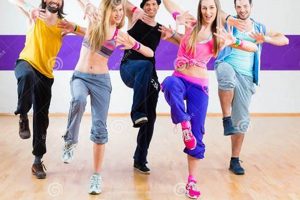
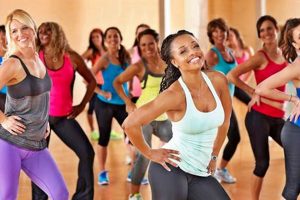
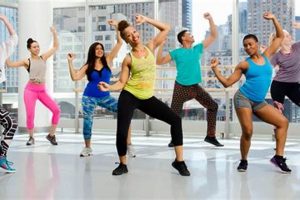
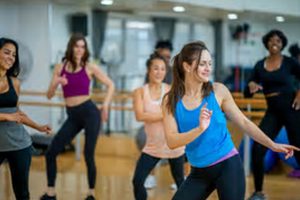
Participation in Zumba, a dance fitness program, provides multiple physical and mental benefits. It blends Latin and international music with dance movements, creating a dynamic and engaging exercise experience. This approach offers an enjoyable alternative to traditional workout routines. For instance, individuals often report improved cardiovascular health and increased calorie expenditure through regular Zumba participation.
The significance of this fitness activity lies in its capacity to enhance overall well-being. Regular engagement promotes cardiovascular fitness, improves coordination, and contributes to stress reduction. Historically, Zumba has gained popularity as an accessible and motivating form of exercise, attracting individuals of diverse fitness levels and backgrounds. Its inclusive nature fosters a sense of community and encourages consistent participation.
The subsequent sections will delve into specific areas of improvement and positive outcomes associated with consistent participation. These will include an examination of its impact on physical health, mental well-being, and social engagement, providing a comprehensive overview of the positive impact it provides.
Enhancing the Positive Outcomes
To maximize the benefits derived from dance fitness, adherence to fundamental principles is paramount. Consistent application of these guidelines will contribute to improved fitness levels and overall well-being.
Tip 1: Prioritize Proper Form: Emphasize correct technique in each movement. Focus on controlled motions rather than speed to minimize risk of injury and maximize muscle engagement.
Tip 2: Maintain Hydration: Consume adequate water before, during, and after each session. Dehydration can impede performance and increase susceptibility to muscle cramps.
Tip 3: Listen to the Body: Recognize and respect physical limitations. Modify movements as needed to avoid overexertion or strain. Progressive adaptation is more beneficial than immediate intensity.
Tip 4: Incorporate Varied Intensity: Integrate intervals of high and low intensity to challenge cardiovascular fitness and promote efficient calorie expenditure. Strategic variation enhances physiological adaptation.
Tip 5: Engage Core Muscles: Actively engage core muscles throughout each routine. Core stabilization improves posture, balance, and overall body control.
Tip 6: Ensure Adequate Warm-Up and Cool-Down: Dedicate sufficient time to warming up muscles prior to activity and cooling down afterwards. This prepares the body for exercise and aids in recovery.
Tip 7: Maintain Consistency: Aim for regular participation, ideally several times per week. Consistent engagement is crucial for achieving sustained improvements in fitness and well-being.
By diligently implementing these strategies, individuals can amplify the positive effects of participation. These guidelines promote safety, optimize performance, and facilitate long-term adherence to the fitness program.
The concluding section will provide a synthesis of the key points discussed and offer a final perspective on the multifaceted advantages of regular engagement.
1. Calorie Expenditure

Calorie expenditure represents a primary physiological effect of engaging in Zumba. The inherent dynamic movements, coupled with the sustained aerobic activity, elicit a metabolic response that results in a measurable consumption of energy. The degree of caloric burn is contingent on factors such as individual body weight, fitness level, and the intensity of the Zumba session. Higher intensity and greater body mass generally correlate with increased energy utilization. For instance, a study published in the Journal of Strength and Conditioning Research indicated that participants in a Zumba class expended an average of 369 calories in a 39-minute session. This energy expenditure contributes directly to weight management and reduction of body fat percentage.
The practical significance of calorie expenditure in Zumba extends beyond simple weight loss. The increased metabolic rate induced by exercise, including Zumba, can improve insulin sensitivity and glucose metabolism. Furthermore, the reduction of excess body fat is associated with a decreased risk of developing cardiovascular diseases, type 2 diabetes, and certain types of cancer. In real-world scenarios, individuals who consistently participate in Zumba often report a noticeable decrease in waist circumference and an overall improvement in body composition. This is due to the combined effect of calorie expenditure during the class and the subsequent increase in resting metabolic rate. Furthermore, the sustained effort to dance contribute in muscle definition and helps to burn calories more effectively even during rest.
In summary, calorie expenditure is a crucial physiological outcome and a significant advantage. The ability to burn a substantial number of calories in an enjoyable and engaging environment is a key factor contributing to Zumba’s popularity as a fitness modality. While individual results may vary, the potential for enhanced metabolic health, weight management, and reduced disease risk underscores the importance of this connection. The challenge lies in maintaining consistency and adjusting intensity to optimize energy expenditure and achieve desired health outcomes.
2. Cardiovascular improvement

Cardiovascular improvement is intrinsically linked to dance fitness as an advantage. The rhythmic and sustained movements elevate heart rate and increase blood circulation, stimulating physiological adaptations that strengthen the cardiovascular system. Regular Zumba participation, therefore, promotes cardiac efficiency, reducing the resting heart rate and improving the heart’s capacity to pump blood effectively. This enhanced cardiovascular function translates to improved endurance, reduced risk of heart disease, and better overall health.
The connection between dance fitness and cardiovascular health extends to vascular function. The increased blood flow during exercise helps to improve the elasticity of blood vessels and reduce the buildup of plaque. For instance, clinical studies have shown that individuals who engage in regular aerobic exercise experience improvements in endothelial function, the inner lining of blood vessels, which is crucial for maintaining vascular health and preventing atherosclerosis. The practical significance of this improvement becomes apparent in everyday activities. Individuals with enhanced cardiovascular fitness often experience less fatigue, increased energy levels, and an improved ability to perform physical tasks without shortness of breath or chest pain. The impact may be particularly profound for individuals at risk for cardiovascular disease.
In summary, the benefit on cardiovascular system constitutes a significant advantage. Consistent engagement serves as a preventative measure against cardiovascular disease, enhancing endurance, and contributing to an overall sense of well-being. While genetic predisposition and lifestyle factors also play a role in cardiovascular health, regular engagement promotes optimal function and reduces the risk of adverse cardiovascular events. This synergistic relationship highlights the potential for dance fitness to positively influence long-term health outcomes.
3. Stress reduction
Zumba, as a form of physical activity, elicits physiological responses that contribute to stress reduction. The release of endorphins during exercise acts as a natural mood elevator and pain reliever. Endorphins interact with receptors in the brain, reducing the perception of pain and triggering a positive feeling in the body. This biochemical response provides a countermeasure to the physiological effects of stress, such as elevated cortisol levels and increased blood pressure. For instance, individuals often report a feeling of reduced anxiety and improved mood following a Zumba session, attributable to the endorphin release. The rhythmic movements and engaging music further enhance this effect, creating a distracting and enjoyable environment that shifts focus away from stressors.
The importance of stress reduction as a component lies in its impact on overall well-being. Chronic stress can contribute to various health problems, including cardiovascular disease, depression, and immune system dysfunction. Zumba provides a structured and accessible outlet for stress management, promoting both physical and mental health. For example, workplaces are integrating Zumba classes into their wellness programs, as empirical data suggest that employees who participate in regular exercise experience reduced levels of stress and improved productivity. This proactive approach underscores the practical significance of understanding and utilizing fitness activities as tools for stress management, with potential long-term benefits for individual health and organizational performance.
In summary, the stress reduction offers a notable advantage that promotes both physical and mental health. The ability of Zumba to induce endorphin release, divert attention from stressors, and provide a social outlet contributes to its effectiveness. As a component of a holistic approach to well-being, consistent engagement offers a valuable tool for mitigating the negative effects of stress and promoting overall quality of life. However, it’s important to recognize that Zumba alone may not be sufficient for managing severe stress or mental health conditions, and professional guidance may be necessary in such cases.
4. Coordination enhancement

Coordination enhancement represents a key neurological and physical benefit derived from consistent participation. The need to synchronize body movements with musical rhythms challenges and refines motor skills, resulting in improved agility, balance, and spatial awareness. Coordination, in this context, is not merely the ability to perform dance steps but an improvement in the nervous system’s capacity to efficiently control and execute movements.
- Neural Pathway Development
The learning and repetition of dance routines stimulates the creation and strengthening of neural pathways involved in motor control. This process, known as neuroplasticity, allows the brain to become more efficient in processing sensory information and coordinating muscle contractions. For instance, as one becomes more proficient in Zumba, the need for conscious effort in executing steps decreases, indicating an enhancement in the automaticity of movement. This can improve reaction time in everyday activities.
- Proprioceptive Awareness
Proprioception, or body awareness, is heightened as participants navigate complex movement patterns. The integration of various dance styles forces individuals to become more attuned to the position of their body in space. For instance, maintaining balance during turns and transitions requires a heightened sense of where limbs are relative to each other and the environment. Improved proprioception can reduce the risk of falls and enhance athletic performance.
- Motor Skill Refinement
The diverse steps involved contribute to the refinement of gross and fine motor skills. Gross motor skills are improved through large, rhythmic movements, while fine motor skills are engaged when executing intricate hand and footwork. For example, the ability to quickly transition between different dance styles in Zumba enhances the precision and control of muscle movements. This improvement can manifest in everyday tasks requiring dexterity and coordination.
- Cognitive Function Integration
Cognitive function is integrated during participation through memorization of routines and anticipating changes in music and choreography. This active engagement of cognitive processes alongside physical activity supports brain health and enhances cognitive flexibility. For example, the need to remember sequences of steps while simultaneously coordinating movements contributes to improved memory and attention span. This cognitive-motor integration strengthens neural connections and supports cognitive reserve.
The aforementioned aspects significantly enhance physical and cognitive abilities, and contribute to overall well-being. The improvements in motor skills, balance, and spatial awareness extend beyond the dance floor, positively impacting daily life activities. The integration of cognitive processes further supports brain health, underscoring the comprehensive impact.
5. Social interaction

Social interaction constitutes a notable dimension. The group fitness environment fosters a sense of community and provides opportunities for participants to connect with like-minded individuals. Shared participation in dance fitness enhances social bonds, reduces feelings of isolation, and creates a supportive atmosphere that encourages consistent engagement. The cause-and-effect relationship is evident: shared experiences within the Zumba context lead to strengthened social connections, which, in turn, increase motivation and adherence to the fitness program. Social interaction as a component contributes significantly to its advantages by addressing not only physical health but also psychological well-being. Individuals often report feeling a greater sense of belonging and social support, which positively impacts their mental and emotional state.
Real-life examples illustrate the practical significance of social interaction within the framework. Fitness classes often develop into tightly-knit groups that extend beyond the studio. Participants may form friendships, organize social events, and provide mutual support, both within and outside the context. This level of social engagement contributes to long-term participation, as individuals are more likely to maintain a fitness routine when they feel connected to a supportive community. Workplaces increasingly recognize the value of fostering social interaction through wellness programs. Studies have shown that employees who participate in group fitness activities, such as Zumba, experience improved morale, increased teamwork, and reduced stress levels. These benefits extend beyond the individual, contributing to a more positive and productive work environment.
In summary, the element is a crucial determinant of its overall advantages. By promoting social connections, reducing isolation, and fostering a sense of community, group participation supports physical and mental health. Recognizing and leveraging this aspect is essential for optimizing the benefits, encouraging long-term engagement, and cultivating a supportive fitness environment. While individual preferences and introversion should be respected, the potential positive impact of social interaction on adherence and well-being should not be underestimated. The synthesis creates a more attractive offer and promote sustainable fitness routines.
6. Mood elevation
Mood elevation is a significant psychological outcome of participation, contributing substantially to its overall advantages. The synergistic effect of physical activity, music, and social interaction creates an environment conducive to improved mental and emotional well-being. The underlying mechanisms and practical implications warrant further examination.
- Endorphin Release and Neurotransmitter Modulation
Physical exertion stimulates the release of endorphins, natural mood elevators that interact with receptors in the brain. Dance fitness also influences neurotransmitter systems, increasing levels of serotonin and dopamine, which play a role in regulating mood, sleep, and appetite. This neurochemical modulation reduces feelings of anxiety and depression, contributing to a sense of well-being. For instance, individuals who consistently participate in these fitness classes often report a reduction in symptoms associated with mood disorders.
- Stress Reduction and Cortisol Regulation
Dance fitness serves as a stress management tool, reducing the production of cortisol, a stress hormone associated with negative mood states. Engaging in rhythmic, repetitive movements distracts from stressors and promotes relaxation. The combined effect of reduced cortisol levels and increased endorphin release promotes a sense of calm and emotional equilibrium. Real-world examples include workplaces incorporating Zumba classes into wellness programs, observing a decrease in employee stress and burnout.
- Enhanced Self-Esteem and Body Image
Participation can contribute to improved self-esteem and body image. As individuals progress in their fitness journey, they experience a sense of accomplishment and increased physical competence. This enhances self-perception and reduces negative feelings associated with body image concerns. The positive feedback and social support within the group further reinforce self-esteem and promote a more positive body image. Individuals often report feeling more confident and accepting of their bodies as they achieve fitness goals.
- Social Interaction and Emotional Support
The social aspect provides opportunities for emotional support and connection. Interacting with like-minded individuals fosters a sense of belonging and reduces feelings of isolation. Sharing experiences and providing mutual encouragement promotes emotional well-being. For example, individuals experiencing challenging life events often find solace and support within the group. The sense of community and shared purpose contributes significantly to mood elevation and resilience.
The interconnectedness of these facets underscores the multifaceted impact. The combination of neurochemical changes, stress reduction, enhanced self-esteem, and social support creates a comprehensive approach to mood enhancement. While individual responses may vary, the overall benefits of consistent engagement are substantial, contributing to a more positive and resilient mental state. The findings suggest that integrating dance fitness into a holistic approach to well-being can positively impact both physical and psychological health.
Frequently Asked Questions about Zumba’s Merits
The following questions address common inquiries regarding the beneficial aspects of participation. These responses aim to provide clear and accurate information based on current understanding.
Question 1: Does dance fitness increase cardiovascular fitness even in individuals with pre-existing health conditions?
For individuals with pre-existing health conditions, consultation with a healthcare professional is essential prior to commencing any new fitness regimen. Provided that participation is deemed safe and appropriate, its adaptive nature allows for modifications to accommodate varied fitness levels and health considerations. Improvements in cardiovascular function can be achieved through consistent engagement, with intensity carefully calibrated to individual tolerance levels.
Question 2: To what extent can it contribute to weight loss efforts, and what dietary considerations are necessary?
Participation can complement weight loss efforts when combined with a balanced dietary intake. The degree of weight loss depends on factors such as calorie expenditure during sessions, overall energy balance, and adherence to a healthy eating plan. Sustainable weight loss requires a holistic approach, encompassing both physical activity and dietary modifications. Consultation with a registered dietitian can provide personalized guidance.
Question 3: What measures can mitigate the risk of injury during dance fitness activities?
To mitigate the risk of injury, emphasis should be placed on proper form and technique. Adequate warm-up and cool-down routines are essential for preparing the body for activity and facilitating recovery. Listening to the body and modifying movements as needed can prevent overexertion or strain. Appropriate footwear and a supportive environment further contribute to safety.
Question 4: Are there age restrictions or limitations associated with participating in dance fitness programs?
Dance fitness programs are generally adaptable to individuals across a wide range of age groups and fitness levels. However, specific age restrictions or limitations may vary depending on the program and facility. It is advisable to consult with the program provider to determine the suitability of the class for individual needs and abilities.
Question 5: How often should one participate to experience significant improvements in fitness and well-being?
The optimal frequency of participation depends on individual goals, fitness levels, and time constraints. As a general guideline, aiming for at least three sessions per week can yield noticeable improvements in fitness and well-being. Consistency is key, and gradual progression is preferable to sudden increases in intensity or frequency.
Question 6: What is the role of certified instructors in maximizing benefits and ensuring safety?
Certified instructors play a critical role in maximizing benefits and ensuring safety. Certified professionals possess the knowledge and skills to lead effective and safe sessions, provide guidance on proper form and technique, and adapt movements to accommodate individual needs. Their expertise contributes to a more positive and rewarding fitness experience.
The responses provided aim to address common questions and misconceptions. While participation offers numerous advantages, individual results may vary. Consultation with healthcare professionals and certified instructors is recommended to personalize the fitness journey and optimize outcomes.
The subsequent section will offer concluding thoughts and emphasize the importance of a balanced approach to wellness.
Advantages of Zumba Dance
This article has explored multifaceted improvements. The synthesis of physical activity, musical engagement, and social interaction yields significant benefits, encompassing cardiovascular health, weight management, stress reduction, coordination enhancement, and mood elevation. Consistent engagement fosters holistic well-being, promoting both physical and psychological resilience.
The long-term impact on individual and community health warrants continued consideration. Incorporating this form of activity as a component of a balanced lifestyle strategy offers the potential to enhance quality of life and promote sustainable wellness practices. Prioritization of individual needs and professional guidance remains paramount in maximizing positive outcomes and ensuring safe participation.