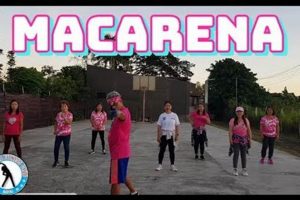
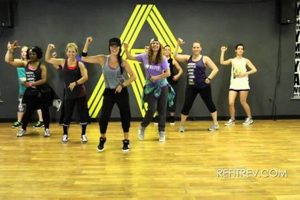
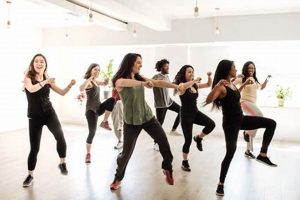
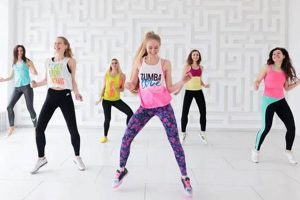
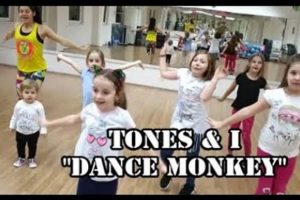
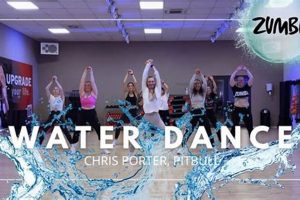
This activity blends Latin-American rhythms and international music with dance steps, creating a dynamic fitness program. It incorporates various styles, including salsa, merengue, cumbia, and reggaeton, offering a diverse and energetic workout. For example, a typical class might involve a salsa-inspired warm-up followed by a sequence of routines drawing from different Latin dance genres.
The popularity of this dance-fitness format stems from its accessibility and effectiveness. It provides cardiovascular benefits, improves coordination, and boosts mood. Historically, it emerged as a happy accident when an aerobics instructor forgot his regular music and improvised with Latin music tapes he had in his car. This led to the development of a structured program that rapidly gained international recognition.
The following sections will delve deeper into the specific components that define this dance-fitness approach, its suitability for diverse populations, and its impact on the global fitness landscape. Further details on its choreography, musical elements, and potential health advantages will also be explored.
Guidance for Engaging in this Dance-Fitness Program
The following provides essential guidance for individuals considering participation in this dance-fitness program, ensuring a safe and effective experience.
Tip 1: Prioritize Proper Footwear. Adequate support is paramount. Select athletic shoes designed for lateral movement and impact absorption to minimize the risk of ankle or knee injuries.
Tip 2: Hydrate Consistently. Maintain optimal hydration levels throughout the class. Dehydration can lead to fatigue and muscle cramps. Consume water before, during, and after the session.
Tip 3: Master Basic Steps. Familiarize with fundamental dance steps beforehand. Understanding basic salsa, merengue, and cumbia steps enhances the overall experience and reduces confusion.
Tip 4: Adjust Intensity as Needed. Modify movements to accommodate individual fitness levels. High-impact variations can be replaced with low-impact alternatives to reduce stress on joints.
Tip 5: Listen to the Body’s Signals. Recognize the difference between muscle fatigue and pain. Discontinue the activity immediately if experiencing sharp or persistent pain.
Tip 6: Engage the Core. Consciously engage core muscles during movements. This provides stability and improves posture, contributing to injury prevention and enhanced performance.
Tip 7: Follow the Instructor. Pay close attention to the instructor’s cues and demonstrations. Correct form is crucial for maximizing benefits and minimizing risks.
Adhering to these guidelines promotes a safer, more enjoyable, and ultimately more effective engagement with this fitness modality. Consistent application of these principles contributes to long-term health and fitness benefits.
The subsequent section will address common misconceptions about this fitness program and offer clarifications based on current research and expert opinions.
1. Aerobic Intervals

Aerobic intervals form a cornerstone of many dance-fitness programs, contributing significantly to their effectiveness as cardiovascular workouts. Within the context of this approach, strategically implemented aerobic intervals elevate and sustain heart rate, promoting increased caloric expenditure and improved cardiovascular health.
- High-Intensity Bursts
High-intensity aerobic intervals involve short periods of maximal effort followed by periods of lower-intensity recovery. In a typical session, participants may engage in routines featuring rapid footwork and large arm movements during the high-intensity phases, maximizing oxygen consumption and anaerobic contribution. This alternating intensity enhances the workout’s overall impact on cardiovascular fitness.
- Sustained Elevation of Heart Rate
These routines utilize consistent and prolonged aerobic activity to maintain an elevated heart rate within a target zone. Continuous dance movements, such as salsa-inspired combinations, sustain heart rate over an extended period, promoting fat burning and improved endurance. The duration of these sustained periods is crucial for realizing the aerobic benefits.
- Variety in Movement Patterns
The incorporation of diverse dance styles contributes to the effectiveness of aerobic intervals. Switching between different dance rhythms and movements, such as cumbia, reggaeton, and merengue, challenges different muscle groups and prevents adaptation. This variety also helps maintain participant engagement and reduces the likelihood of plateauing in fitness gains.
- Integration with Recovery Periods
Proper integration of recovery periods is essential for optimizing the benefits of aerobic intervals. These recovery periods, often involving slower, less demanding movements, allow the body to recover and prepare for subsequent high-intensity bursts. Strategically planned recovery periods improve the overall workout experience and reduce the risk of overexertion.
The strategic incorporation of these varied aerobic intervals allows for a more effective and engaging cardiovascular workout. By blending high-intensity bursts with sustained elevation and carefully managed recovery periods, the aerobic interval aspect significantly contributes to the overall fitness benefits associated with this dance-fitness format, making it an accessible and effective exercise option.
2. Latin Rhythms

Latin rhythms are fundamental to this dance-fitness program, serving as the rhythmic and stylistic foundation upon which its choreography and energy are built. These rhythms are not merely background music but integral components that dictate movement patterns, intensity levels, and overall experience.
- Salsa as a Foundation
Salsa, characterized by its quick tempo and syncopated rhythms, is a core element. Its presence necessitates rapid footwork and dynamic hip movements. Instructors integrate salsa steps to build stamina and improve coordination, embodying a key component of rhythmic execution in this dance-fitness activity.
- Merengue’s Role in Simplicity and Energy
Merengue, with its straightforward two-beat rhythm, provides accessible segments within classes. Its repetitive, energetic nature allows participants to maintain a high level of activity without complex choreography, offering a balance of simplicity and vigor within this fitness domain.
- Cumbia’s Influence on Grounded Movements
Cumbia, with its slower, more grounded rhythm, introduces moments of controlled movement and deliberate weight shifts. This rhythm emphasizes connection to the ground and encourages a wider range of motion, adding a layer of complexity and balance to the rhythmic palette found within this activity.
- Reggaeton’s Modern Infusion
Reggaeton, a more contemporary Latin rhythm, injects a modern, urban energy into classes. Its incorporation allows for a more current soundscape, attracting a diverse demographic and illustrating an effort to blend traditional rhythms with contemporary trends in popular music and dance.
The utilization of these diverse Latin rhythms creates a varied and engaging experience. They dictate movement patterns, impact intensity, and contribute significantly to the overall enjoyment and effectiveness of this dance-fitness modality, showcasing the vital interconnection between Latin rhythms and this fitness discipline’s intrinsic nature.
3. Cardiovascular workout
Cardiovascular fitness is a critical aspect of overall health, and its enhancement is a primary objective for many individuals engaging in exercise. Within the context of this dance-fitness program, a cardiovascular workout is not merely a byproduct but a central, intentionally designed component.
- Elevated Heart Rate Zones
A core function of the dance-fitness class is to elevate and maintain heart rates within specified training zones. For example, routines incorporate high-energy movements that raise heart rate to a moderate-to-vigorous intensity level, sustaining it for extended durations. This is achieved through dynamic dance steps and rhythmic patterns designed to challenge the cardiovascular system, promoting improved heart health and endurance.
- Increased Caloric Expenditure
The continuous movement inherent to this dance format results in a significant increase in caloric expenditure. Activities such as salsa-inspired steps, merengue rhythms, and reggaeton sequences contribute to a high-energy environment that burns calories efficiently. This sustained physical exertion supports weight management and contributes to metabolic health improvements, making it a favorable option for those seeking to achieve or maintain a healthy weight.
- Improved Oxygen Consumption
Regular participation in this dance-fitness promotes increased oxygen consumption, indicating enhanced cardiovascular efficiency. The body’s ability to utilize oxygen is directly linked to its capacity for sustained physical activity and overall fitness. As individuals engage in these classes, their cardiovascular systems adapt to handle the increased oxygen demands, leading to improved athletic performance and enhanced daily functioning.
- Reduced Risk of Cardiovascular Disease
Engaging in regular cardiovascular workouts, as offered by this dance method, correlates with a reduced risk of cardiovascular disease. Consistent participation can lower blood pressure, reduce cholesterol levels, and improve vascular function. These physiological adaptations collectively contribute to a healthier cardiovascular system and a decreased likelihood of developing conditions such as heart disease and stroke.
In summary, the components of elevated heart rate zones, increased caloric expenditure, improved oxygen consumption, and reduced cardiovascular disease risk coalesce to define this dance-fitness as an effective method for achieving cardiovascular fitness. Its blend of dance and exercise yields both physical and mental benefits, making it a sustainable and enjoyable means of promoting overall well-being.
4. Choreographed routines

The sequenced dance steps are essential to defining this type of fitness class. These routines dictate the structure and flow of each session, distinguishing it from free-form dance or general aerobic exercise. The choreography is specifically designed to incorporate diverse Latin rhythms and movements, ensuring that participants engage in a full-body workout while maintaining a consistent, repeatable format. Without structured sequences, the activity would lack the coordinated rhythm and physical intensity characteristic of this dance-fitness offering.
Real-world examples illustrate the significance of this aspect. A typical class will consist of multiple choreographed segments, each lasting several minutes and transitioning smoothly from one to the next. Instructors guide participants through these pre-set routines, providing visual cues and verbal instructions to ensure proper form and timing. The choreography is often tailored to specific skill levels, allowing participants of varying fitness backgrounds to engage and progress effectively. The routines often change over time, keeping the classes fresh and challenging, which is key to maintaining participant motivation. Without the specific choreographed dance and fitness moves set to latin rhythm, zumba cannot be zumba.
Understanding this structure is practically significant for several reasons. It allows participants to anticipate and master movements, improving their coordination and physical performance over time. It also facilitates the creation of a consistent and predictable workout experience, enabling individuals to track their progress and set realistic fitness goals. The choreographed aspect contributes to the class’s overall accessibility; individuals can easily join and follow along, even with limited dance experience. Ultimately, the sequenced patterns play a critical role in the effectiveness, appeal, and sustainability of the class as a fitness modality.
5. Inclusive environment
The concept of an inclusive environment is particularly relevant to the dance-fitness program known for blending Latin rhythms with exercise. This environment fosters accessibility and encourages participation from individuals of diverse backgrounds and fitness levels, shaping the overall experience and impact of the activity.
- Adaptable Movement Modifications
The inclusive nature of this activity is supported by the adaptability of movements. Instructors often provide modifications for various steps, allowing individuals to adjust the intensity and complexity based on their physical capabilities. For instance, high-impact jumps can be substituted with low-impact alternatives, ensuring that participants with joint issues or lower fitness levels can still engage effectively. This approach promotes wider participation by catering to diverse needs.
- Non-Judgmental Atmosphere
A supportive and non-judgmental atmosphere is crucial for inclusion. Classes emphasize enjoyment and participation rather than perfection in technique. Participants are encouraged to move at their own pace without fear of criticism or comparison. This encourages newcomers to feel comfortable and motivated to continue, fostering a sense of community and belonging.
- Diverse Music and Cultural Representation
The integration of diverse Latin rhythms and musical styles contributes to inclusivity. By celebrating various cultural expressions, the program resonates with a broader range of participants. For instance, the incorporation of salsa, merengue, cumbia, and reggaeton represents different Latin American traditions, appealing to individuals from various cultural backgrounds and fostering an appreciation for diverse musical forms.
- Age and Fitness Level Neutrality
Classes are often designed to be age and fitness level neutral. The structured yet flexible nature of the choreography allows participants of different ages and physical conditions to participate actively. Instructors tailor the class to accommodate varying levels of experience and physical capacity, ensuring that everyone can engage at a comfortable and challenging pace, fostering an environment where all participants feel welcome and valued.
These facets collectively contribute to creating an inclusive environment, where participants from diverse backgrounds and fitness levels can engage. This approach makes this dance-fitness program accessible and welcoming to a wide audience, and enhances its appeal and sustainability as a form of physical activity that promotes both physical and social well-being.
6. Fitness benefits

The measurable improvements to physical well-being derived from participation are central to the appeal and efficacy of this dance-fitness program. The inherent structure and activities are conducive to promoting various physiological and psychological advantages.
- Cardiovascular Enhancement
Engaging in this type of dance-fitness promotes significant cardiovascular improvements. The continuous, rhythmic movements characteristic of the format elevate heart rate and improve circulation. An individual regularly participating might experience lowered resting heart rate, increased stamina, and reduced risk factors associated with cardiovascular diseases.
- Caloric Expenditure and Weight Management
The high-energy nature of this dance form facilitates substantial caloric expenditure. Consistent participation can lead to effective weight management by creating a caloric deficit, aiding in the reduction of body fat and the maintenance of a healthy body composition. This is particularly effective when combined with a balanced diet.
- Improved Coordination and Motor Skills
Participation enhances coordination and motor skills. The need to follow complex rhythmic patterns and execute precise movements requires the synchronization of various muscle groups and sensory inputs. Over time, this results in improved agility, balance, and overall motor control, which translates to enhanced performance in other physical activities and daily tasks.
- Mood Elevation and Stress Reduction
The dance-fitness format contributes significantly to mood elevation and stress reduction. The combination of music, movement, and social interaction stimulates the release of endorphins, resulting in feelings of euphoria and relaxation. This can help mitigate the symptoms of anxiety and depression, promoting an overall sense of well-being.
The combined effects of cardiovascular enhancement, caloric expenditure, improved coordination, and mood elevation underscore the holistic fitness benefits. These advantages solidify its position as a viable option for individuals seeking a fun, engaging, and effective means of improving their physical and mental health, showcasing how it successfully merges exercise and enjoyment.
Frequently Asked Questions
This section addresses common inquiries concerning the nature, benefits, and practical aspects of Zumba, providing clarification and detailed insights based on established fitness principles.
Question 1: Is Zumba solely a dance class, or does it offer legitimate fitness benefits?
Zumba integrates dance elements with structured fitness routines. It provides a comprehensive cardiovascular workout, enhances muscular endurance, and promotes caloric expenditure. Its classification as a dance class does not diminish its capacity to deliver tangible fitness advantages.
Question 2: What specific types of dance are incorporated?
It primarily incorporates Latin American dance styles, including but not limited to salsa, merengue, cumbia, and reggaeton. It can also integrate elements from other international dance forms, expanding its stylistic range. This fusion of styles contributes to the diversity and dynamism of the workout.
Question 3: Is prior dance experience required to participate effectively?
Prior dance experience is not a prerequisite. The choreography is designed to be accessible to individuals of varying skill levels. Instructors typically offer modifications to accommodate beginners, ensuring that all participants can engage safely and effectively. Over time, participants develop improved coordination and rhythmic ability.
Question 4: What are the primary cardiovascular benefits?
Cardiovascular benefits include improved heart rate variability, increased stroke volume, and enhanced oxygen uptake. The sustained aerobic activity characteristic of the dance format strengthens the heart muscle and promotes efficient circulation. Regular participation can reduce the risk of cardiovascular diseases.
Question 5: Can it contribute to weight loss or weight management?
It contributes to weight loss or management by increasing caloric expenditure and promoting fat oxidation. The intensity of the workout elevates metabolic rate, facilitating the burning of calories. Consistent participation, combined with a balanced diet, can result in significant weight reduction and improved body composition.
Question 6: Are there any potential risks or contraindications to consider?
Potential risks include musculoskeletal injuries, particularly if proper form is not maintained. Individuals with pre-existing joint problems or cardiovascular conditions should consult a healthcare professional before participating. Proper warm-up and cool-down routines are essential for minimizing injury risk.
In summary, this fitness method is an accessible exercise modality that offers genuine cardiovascular and metabolic benefits. Its blend of dance and fitness appeals to a wide audience, promoting sustained engagement and positive health outcomes.
The subsequent section will explore the historical evolution and worldwide recognition of this fitness program, providing a broader perspective on its impact on the global fitness community.
Zumba’s Categorization as a Dance-Fitness Modality
This exploration has clarified the positioning of zumba as a dance-fitness fusion. It is a structured program integrating Latin-inspired dance steps with aerobic exercise principles. The method facilitates cardiovascular conditioning, enhances motor skills, and promotes caloric expenditure within a social, engaging environment. Its defining characteristic resides in the blend of rhythmic dance movements with established fitness techniques.
Recognition of this modality’s multifaceted nature encourages informed participation and realistic expectations. Understanding the blend of dance and fitness elements allows individuals to approach the activity with a clear understanding of its potential benefits and limitations, ultimately contributing to a more sustainable and effective fitness journey.