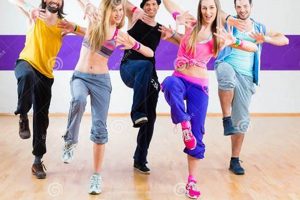
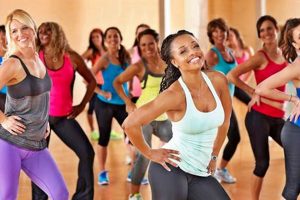
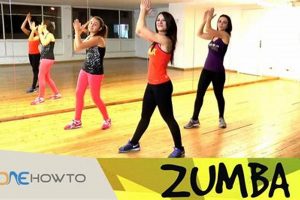
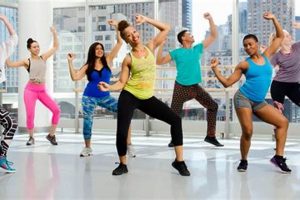
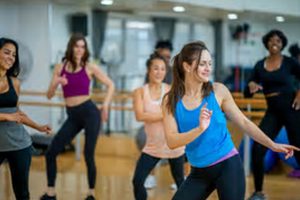
Zumba combines Latin and international music with dance moves, creating a dynamic fitness program. This approach offers an engaging alternative to traditional workout routines. Participants experience a blend of aerobic exercise and cultural rhythms in a group setting.
The program’s appeal stems from its ability to improve cardiovascular health and muscle conditioning. Regular participation can lead to increased energy levels, enhanced coordination, and improved mood. The social aspect of group classes contributes to a supportive environment, fostering motivation and adherence to fitness goals. Its origins lie in the desire to create a more enjoyable and accessible form of exercise.
The following sections will detail specific physiological and psychological advantages. Examination of the program’s impact on weight management, stress reduction, and overall well-being will be presented. Furthermore, the adaptable nature of the program will be discussed, highlighting its suitability for diverse populations and fitness levels.
Guidance for Optimal Engagement
To maximize the advantages of this fitness regimen, specific strategies are recommended. These guidelines aim to enhance effectiveness and ensure participant safety.
Tip 1: Prioritize Proper Form: Maintaining correct posture and executing movements accurately minimizes the risk of injury. Focus on engaging the core muscles throughout the session.
Tip 2: Hydrate Adequately: Consume water before, during, and after each session to prevent dehydration and maintain optimal performance. Water intake is crucial for regulating body temperature and facilitating muscle function.
Tip 3: Listen to the Body’s Signals: Adjust intensity and range of motion according to individual limitations. Discomfort or pain should prompt immediate cessation of activity.
Tip 4: Select Appropriate Footwear: Wear supportive athletic shoes designed for lateral movement and high-impact activity. This can reduce the likelihood of ankle and knee injuries.
Tip 5: Gradually Increase Intensity: Avoid overexertion by progressively increasing the duration and intensity of workouts. This approach allows the body to adapt and strengthens its capacity.
Tip 6: Incorporate Variety: Attending different class formats and instructors can prevent plateaus and maintain engagement. Variety challenges the body in new ways and enhances overall fitness.
Effective engagement requires attention to form, hydration, and pacing. Individual limitations must be respected, and progression should be gradual. A diversified approach ensures sustained interest and continued progress.
The following sections will summarize the comprehensive information presented, reiterating the key principles for a fulfilling and advantageous experience.
1. Cardiovascular Improvement

Cardiovascular improvement constitutes a central advantage derived from engagement with Zumba. Its impact extends beyond immediate fitness gains, influencing long-term health outcomes. This section details the specific facets through which Zumba promotes enhanced cardiovascular function.
- Elevated Heart Rate Training
Zumba sessions incorporate periods of high-intensity movement, thereby elevating the heart rate into target training zones. This repeated elevation strengthens the cardiac muscle and improves its efficiency in pumping blood. The alternating rhythms of the dance routines naturally provide interval training, further enhancing cardiovascular adaptation.
- Improved Blood Circulation
The rhythmic movements inherent in Zumba facilitate improved blood circulation throughout the body. Enhanced circulation ensures that oxygen and nutrients are delivered more effectively to tissues and organs. This improved perfusion contributes to reduced blood pressure and decreased risk of peripheral artery disease.
- Increased Aerobic Capacity
Regular participation in Zumba can lead to a measurable increase in aerobic capacity, as reflected in VO2 max values. This signifies an enhanced ability to utilize oxygen during physical exertion. The sustained aerobic activity characteristic of Zumba sessions directly contributes to this improvement, boosting endurance and overall fitness levels.
- Reduced Risk of Cardiovascular Disease
The combined effects of elevated heart rate training, improved blood circulation, and increased aerobic capacity collectively contribute to a reduced risk of cardiovascular disease. Consistent engagement with Zumba can lower cholesterol levels, reduce blood pressure, and improve overall cardiovascular health, mitigating the likelihood of future cardiac events.
These facets demonstrate the pronounced impact of Zumba on cardiovascular health. The integration of dance and fitness provides a sustainable and enjoyable method for achieving and maintaining optimal cardiac function, offering a proactive approach to preventing cardiovascular disease and promoting overall well-being.
2. Calorie Expenditure

Calorie expenditure represents a significant component of the positive outcomes associated with Zumba dance. It directly impacts weight management, body composition, and overall metabolic health. Understanding the mechanisms through which Zumba promotes calorie expenditure is crucial for appreciating its fitness benefits.
- High-Intensity Interval Training (HIIT) Effects
Zumba’s structure often incorporates elements of HIIT, alternating between periods of high-intensity movement and brief recovery periods. This approach elevates metabolic rate not only during the session but also post-exercise, leading to prolonged calorie burning. For example, a 60-minute Zumba class can burn between 300 and 600 calories depending on intensity, participant weight, and fitness level.
- Full-Body Engagement
Zumba involves a wide range of movements that engage muscles throughout the entire body. The incorporation of Latin rhythms and dance steps requires coordinated muscle activation, leading to increased energy expenditure. Unlike isolated exercises that target specific muscle groups, Zumba promotes holistic muscle engagement, contributing to a higher caloric burn.
- Increased Metabolic Rate
Regular participation in Zumba can lead to an increase in resting metabolic rate (RMR). As muscle mass increases, the body requires more energy to maintain itself at rest, leading to greater daily calorie expenditure. This sustained increase in metabolism can contribute to long-term weight management and improved body composition.
- Enhanced Fat Oxidation
The aerobic nature of Zumba promotes fat oxidation, the process of using stored fat as energy. Sustained periods of elevated heart rate during Zumba sessions encourage the body to tap into fat reserves for fuel. This process is further enhanced by the increased metabolic rate and muscle activation, promoting efficient fat burning.
The combination of HIIT effects, full-body engagement, increased metabolic rate, and enhanced fat oxidation underscores the significant role of calorie expenditure in the fitness advantages associated with Zumba. By promoting a high caloric burn and improving metabolic health, Zumba contributes to effective weight management, enhanced body composition, and an overall improvement in physical well-being.
3. Mood enhancement

The link between Zumba and enhanced mood is grounded in physiological and psychological responses to physical activity. Dance-based fitness programs, like Zumba, stimulate the release of endorphins, which act as natural mood elevators. This hormonal response mitigates symptoms of stress and anxiety, fostering a sense of well-being. Furthermore, the social component inherent in group fitness classes cultivates a sense of community and belonging, contributing to improved emotional health. For instance, participation in regular Zumba classes has been observed to alleviate symptoms of mild to moderate depression in some individuals, offering a non-pharmaceutical approach to mood management.
The rhythmic movements and engaging music characteristic of Zumba contribute to a state of flow, where individuals become fully immersed in the activity. This focused attention reduces the cognitive burden associated with daily stressors, providing a temporary escape from negative thought patterns. Moreover, the achievement of mastering new dance steps and improving fitness levels fosters a sense of accomplishment and self-efficacy, which further enhances mood and self-esteem. Studies have demonstrated a correlation between physical activity, particularly enjoyable activities like dance, and increased levels of serotonin, a neurotransmitter associated with feelings of happiness and contentment.
In summary, the enhancement of mood as a result of Zumba stems from a combination of physiological and psychological factors. Endorphin release, social interaction, stress reduction, and increased self-esteem collectively contribute to a more positive emotional state. This aspect of Zumba is particularly significant, offering a holistic approach to well-being that addresses both physical and mental health concerns.
4. Coordination skills
Coordination skills, encompassing balance, agility, and spatial awareness, are significantly enhanced through regular participation in Zumba dance. This improvement is not merely a peripheral benefit but rather a core element contributing to overall physical competence and reduced risk of injury. The multi-directional movements and rhythmic patterns inherent in Zumba challenge the neuromuscular system, resulting in tangible gains in coordinated movement.
- Neuromuscular Enhancement
Zumba requires the brain to synchronize the actions of multiple muscle groups simultaneously. This process strengthens the communication pathways between the brain and the muscles, leading to improved neuromuscular control. An example of this is seen in the precise footwork required for salsa-inspired steps, demanding acute coordination between the lower limbs, core stability, and arm movements.
- Improved Proprioception
Proprioception, or body awareness, is the sense of one’s body position in space. Zumba routines, with their dynamic movements and changes in direction, stimulate proprioceptors in the muscles and joints. This stimulation enhances the individual’s ability to sense their body’s orientation, contributing to improved balance and a reduced risk of falls. The practice of executing complex dance sequences strengthens this sense, allowing for more fluid and controlled movements.
- Enhanced Motor Planning
Motor planning involves the cognitive processes required to plan and execute movements. Zumba necessitates anticipating and sequencing dance steps, thereby enhancing motor planning abilities. As participants learn and memorize routines, their capacity to coordinate complex movements improves, which translates to improved motor skills in other physical activities.
- Agility and Reaction Time
The fast-paced nature of Zumba routines demands quick reactions and agile movements. Participants must respond rapidly to changes in tempo and direction, improving their agility and reaction time. This heightened responsiveness has implications beyond the dance floor, enhancing performance in sports and contributing to improved reflexes in everyday situations.
The facets of neuromuscular enhancement, improved proprioception, enhanced motor planning, and heightened agility collectively demonstrate the substantial impact of Zumba on coordination skills. These enhanced skills contribute to increased physical competence, improved balance, and a reduced risk of injury, underscoring the multifaceted of Zumba as a comprehensive fitness modality.
5. Social interaction

Social interaction, as a facet of Zumba participation, extends beyond mere physical activity. It establishes a supportive environment that enhances adherence, motivation, and overall well-being. This social dimension contributes significantly to the multifaceted advantages derived from Zumba dance.
- Community Building
Zumba classes foster a sense of community among participants. Regular attendance allows individuals to form connections with like-minded people who share similar fitness goals. This sense of belonging mitigates feelings of isolation and promotes a supportive network that encourages continued participation. The shared experience of learning and executing dance routines contributes to camaraderie, transforming exercise into a social event.
- Enhanced Motivation
The presence of others in a Zumba class can significantly enhance motivation. Group dynamics create a sense of accountability and friendly competition, encouraging individuals to push themselves further than they might in a solo workout. The shared energy and encouragement from fellow participants serve as a powerful motivator, making exercise more enjoyable and sustainable.
- Reduced Social Anxiety
For individuals who experience social anxiety, Zumba classes can provide a structured and supportive environment to practice social interaction. The focus on dance and fitness reduces the pressure to engage in extensive conversation, allowing individuals to gradually become more comfortable interacting with others. The shared activity serves as a common ground, facilitating social engagement in a low-pressure setting.
- Improved Emotional Well-being
Social interaction is a critical component of emotional well-being. Zumba classes provide opportunities for social connection, laughter, and shared experiences, all of which contribute to improved mood and reduced stress. The supportive environment fosters a sense of belonging and reduces feelings of loneliness, leading to enhanced emotional resilience. The positive social interactions within a Zumba class promote mental health alongside physical fitness.
The communal aspect of Zumba bolsters commitment. It lessens anxiety and promotes social wellness. The combination highlights the program’s impact in supporting the health for each participant.
6. Stress reduction

Stress reduction represents a significant physiological and psychological benefit derived from participation in Zumba dance. The program’s inherent elements combine to mitigate the negative effects of stress, promoting mental and emotional equilibrium.
- Endorphin Release
Zumba sessions stimulate the release of endorphins, natural mood elevators that counteract the effects of stress hormones. The physical exertion triggers the body’s stress response system, paradoxically resulting in a reduction in perceived stress levels post-exercise. Endorphins act as natural analgesics and mood stabilizers, promoting feelings of well-being and relaxation.
- Mindful Movement
The focus required to learn and execute Zumba dance steps promotes a state of mindful movement. This focused attention diverts cognitive resources away from ruminative thoughts and anxieties, providing a temporary escape from daily stressors. The immersive nature of the activity encourages present-moment awareness, fostering a sense of calm and reducing the impact of future-oriented worries.
- Social Support
Zumba classes offer opportunities for social interaction and support, mitigating feelings of isolation and loneliness, which are often exacerbated by stress. The shared experience of learning and exercising together creates a sense of camaraderie, providing a supportive network for coping with stress. Social connections act as a buffer against the negative effects of stress, promoting emotional resilience.
- Rhythmic Entrainment
The rhythmic music and repetitive movements characteristic of Zumba promote rhythmic entrainment, a process where the body’s internal rhythms synchronize with external rhythmic stimuli. This synchronization has a calming effect on the nervous system, reducing heart rate and blood pressure. Rhythmic entrainment facilitates relaxation and promotes a sense of inner harmony, mitigating the physiological effects of stress.
The integration of endorphin release, mindful movement, social support, and rhythmic entrainment underscores the robust stress-reducing benefits of Zumba dance. By addressing both the physiological and psychological aspects of stress, Zumba provides a holistic approach to promoting mental and emotional well-being.
Frequently Asked Questions
The following section addresses common inquiries regarding the advantages of Zumba dance as a fitness modality. It aims to provide concise and evidence-based responses to frequently raised questions.
Question 1: Is Zumba suitable for individuals with no prior dance experience?
Zumba is designed to be accessible to individuals of all fitness levels and dance backgrounds. The routines are structured to be easily followed, with instructors providing modifications to accommodate various levels of experience. Prior dance training is not a prerequisite for participation.
Question 2: What are the primary cardiovascular benefits associated with Zumba?
Zumba provides sustained aerobic activity, leading to elevated heart rate training, improved blood circulation, increased aerobic capacity, and a reduced risk of cardiovascular disease. The interval-style format inherent in many Zumba routines enhances these cardiovascular benefits.
Question 3: How does Zumba contribute to weight management?
Zumba promotes calorie expenditure through high-intensity interval training effects, full-body engagement, increased metabolic rate, and enhanced fat oxidation. Consistent participation, in conjunction with a balanced diet, can contribute to effective weight management and improved body composition.
Question 4: Can Zumba improve mood and reduce stress?
Zumba stimulates the release of endorphins, which act as natural mood elevators. The activity also promotes mindful movement, social interaction, and rhythmic entrainment, all of which contribute to stress reduction and improved emotional well-being.
Question 5: Are there any specific precautions to consider before participating in Zumba?
It is advisable to consult with a healthcare professional before commencing any new fitness program, particularly for individuals with pre-existing medical conditions. Proper hydration, appropriate footwear, and attention to form are essential to minimize the risk of injury. Participants should listen to their body and modify movements as needed.
Question 6: How frequently should one participate in Zumba to experience noticeable benefits?
Optimal results are typically observed with consistent participation, aiming for at least two to three sessions per week. The frequency can be adjusted based on individual fitness goals and time constraints. Regular engagement ensures sustained cardiovascular benefits, calorie expenditure, and mood enhancement.
Zumba provides numerous advantages that encompass both the physical and mental aspects of wellness. These benefits underscore the program’s appeal.
The subsequent segment presents concluding thoughts, consolidating significant findings and enhancing comprehension regarding the multifaceted attributes.
Benefits of Zumba Dance
This exposition has detailed the multifaceted advantages of engaging in Zumba dance. The analysis encompasses cardiovascular improvement, calorie expenditure, mood enhancement, coordination skills, social interaction, and stress reduction. Each facet contributes uniquely to an integrated improvement in physical and mental well-being, presenting a comprehensive fitness option.
The information presented underscores the potential of Zumba as a proactive approach to health management. Further investigation into the long-term impacts and tailored applications of this activity remains warranted. Continued exploration may yield additional insights into optimizing the effectiveness of Zumba for diverse populations and health objectives.