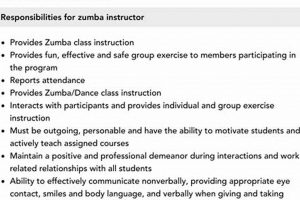
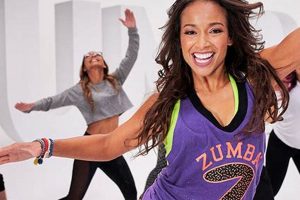
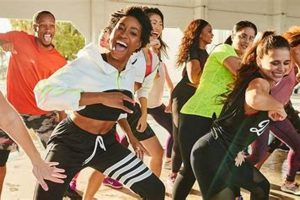
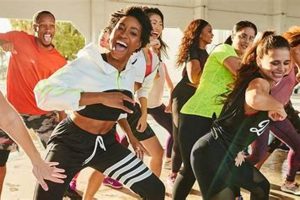
An individual, named Sharon, provides fitness instruction specializing in Zumba. This dance-fitness program combines Latin and international music with dance moves, offering a workout experience. The instructor leads participants through choreographed routines, ensuring proper form and motivation.
Such instruction promotes cardiovascular health, improves coordination, and enhances overall fitness levels. Participation in these classes fosters a sense of community and provides a fun, engaging way to exercise. Zumba’s popularity stems from its accessibility and the enjoyable nature of the workout, attracting diverse participants regardless of fitness background.
The following sections will delve into the qualifications needed to become a certified instructor, strategies for attracting students, and the impact of dance-fitness programs on community well-being. Further discussion will include effective marketing techniques and the ongoing evolution of Zumba as a fitness trend.
Instructional Guidance for Zumba Participants
The following guidelines aim to assist individuals engaging in Zumba fitness activities to maximize their workout benefits and minimize potential risks. These are professional recommendations designed to enhance the overall experience.
Tip 1: Prioritize Proper Form: Maintaining correct posture and alignment throughout each routine is crucial for preventing injuries. Focus on engaging core muscles and executing movements with controlled precision, rather than prioritizing speed.
Tip 2: Hydrate Adequately: Dehydration can significantly impact performance and increase the risk of muscle cramps. Consume water before, during, and after each class to maintain optimal hydration levels.
Tip 3: Wear Appropriate Footwear: Select supportive athletic shoes designed for lateral movement and impact absorption. Avoid shoes with excessive grip, as they can hinder smooth transitions and increase the risk of ankle injuries.
Tip 4: Listen to the Body: Pay attention to any signs of pain or discomfort. Modify movements as needed to accommodate individual limitations or pre-existing conditions. Rest when necessary.
Tip 5: Gradually Increase Intensity: Beginners should gradually increase the intensity and duration of their workouts to allow the body to adapt. Avoid overexertion, especially in the initial stages of participation.
Tip 6: Master Basic Steps: Before attempting complex choreography, focus on mastering the fundamental Zumba steps. This ensures a solid foundation and reduces the likelihood of errors.
Tip 7: Utilize Available Modifications: Many Zumba instructors offer modifications for various fitness levels and physical limitations. Take advantage of these options to tailor the workout to individual needs.
Adhering to these recommendations contributes to a safer and more effective Zumba experience. Consistent application of these principles enhances fitness outcomes and promotes long-term participation.
The subsequent sections will provide more detailed information on related fitness aspects, nutritional considerations, and long-term health maintenance.
1. Certification

The possession of a valid certification serves as a fundamental requirement for an individual to function as a Zumba instructor. This credential, typically awarded by Zumba Fitness, LLC or its authorized affiliates, verifies that the instructor has completed a standardized training program. This training equips them with the knowledge and skills necessary to safely and effectively lead Zumba classes. Certification ensures a baseline level of competence in areas such as choreography, cueing, music interpretation, and injury prevention. Without certification, an individuals claimed expertise as a Zumba instructor lacks verifiable validation, potentially exposing participants to inadequately trained or unsafe instruction. For example, an uncertified instructor may lack the knowledge to modify routines for individuals with physical limitations, increasing the risk of injury.
Certification often necessitates ongoing professional development and recertification requirements. This continuous learning process ensures instructors remain current with the latest techniques, safety guidelines, and program updates. Consider a scenario where new research emerges regarding optimal warm-up protocols for dance-based fitness activities; a certified instructor is more likely to be aware of and implement these findings, thereby enhancing the safety and effectiveness of their classes. Moreover, many fitness facilities and insurance providers require instructors to possess valid certifications as a condition of employment or liability coverage, further emphasizing its practical importance.
In summation, certification is not merely a formality but a crucial indicator of an instructor’s qualifications and commitment to professional standards. It provides assurance to participants that the instructor has met specified competency criteria, contributing to a safer and more effective fitness experience. The lack of certification can raise concerns regarding the instructor’s preparedness and potential for compromising participant well-being. The broader implication underscores the necessity of verifying instructor credentials before engaging in any fitness program.
2. Choreography Skills

Choreography skills are fundamental to the effective delivery of Zumba instruction. The ability to create and adapt dance routines is critical for providing engaging and effective fitness classes. In the context of Sharon’s role as a Zumba instructor, this expertise directly impacts participant motivation, workout intensity, and overall class enjoyment.
- Routine Design and Structure
This involves creating sequences of dance movements that align with the Zumba format. Routines must incorporate a variety of Latin and international rhythms, transitioning smoothly between different dance styles. Sharon, as the instructor, must design routines that are both challenging and accessible to a range of fitness levels, requiring a deep understanding of dance principles and music interpretation. A poorly structured routine can lead to participant frustration and reduced engagement.
- Adaptation and Modification
The ability to modify choreography is essential for catering to diverse participant needs. Sharon must be able to adapt routines to accommodate individuals with physical limitations, injuries, or varying fitness levels. Modifications may involve simplifying complex steps, providing low-impact alternatives, or adjusting the tempo of the music. This adaptability ensures that all participants can benefit from the workout without risking injury or feeling excluded. An instructor who cannot provide effective modifications risks alienating participants and compromising their safety.
- Music Selection and Synchronization
Selecting appropriate music is integral to the Zumba experience. Sharon must choose songs that are both motivating and conducive to dance movements. Synchronization involves aligning choreography with the rhythm and structure of the music, creating a cohesive and engaging experience. Ineffective music selection or poor synchronization can disrupt the flow of the class and diminish participant enjoyment. Expertise in musicology contributes to a more professional and immersive workout.
- Cueing and Communication
Clear and concise cueing is vital for guiding participants through the choreography. Sharon must use verbal and non-verbal cues to indicate upcoming movements, transitions, and changes in intensity. Effective cueing ensures that participants can follow along with the routine and maintain proper form. Ambiguous or confusing cues can lead to participant errors, frustration, and potential injuries. Strong communication skills enhance the overall clarity and effectiveness of the Zumba class.
These choreography skills directly contribute to the success of Sharon’s Zumba instruction. They determine the quality of the workout experience, the level of participant engagement, and the overall effectiveness of the program. The ability to design, adapt, and communicate choreography effectively is a hallmark of a skilled and competent Zumba instructor, fostering a positive and beneficial fitness environment.
3. Motivational Techniques

The application of motivational techniques is integral to the efficacy of any fitness instructor, especially within the dynamic environment of Zumba. For Sharon, these techniques are not merely supplementary but constitute a core element of successful class management and participant engagement. Effective motivational strategies foster adherence, enhance performance, and cultivate a positive workout experience.
- Verbal Encouragement and Positive Reinforcement
Consistent verbal encouragement serves to boost participant confidence and sustain motivation throughout the class. Sharon’s use of positive affirmations, specific praise for effort and technique, and celebratory acknowledgment of milestones can significantly impact participant self-efficacy. For example, instead of simply saying “Good job,” an instructor might say, “Excellent form on that grapevine, Sarah! You’re really getting the hang of it.” This specific feedback is more impactful and encourages continued effort. Failure to provide adequate positive reinforcement can lead to discouragement and attrition.
- Goal Setting and Progress Tracking
Establishing clear, achievable goals and tracking progress toward those goals can enhance motivation and a sense of accomplishment. Sharon might encourage participants to set personal goals related to fitness improvements, weight loss, or improved coordination. Tracking progress through informal assessments, visual aids (like progress charts), or individual feedback sessions can provide tangible evidence of achievement. An example is setting a goal to correctly perform a specific Zumba routine by the end of the month. Without clear goals and measurable progress, participants may lose sight of their objectives and become demotivated.
- Community Building and Social Support
Fostering a sense of community among participants can create a supportive environment that enhances motivation and adherence. Sharon might facilitate interaction through group activities, partner exercises, or social events outside of class. Encouraging participants to connect with one another, share experiences, and provide mutual support can create a strong sense of belonging. For instance, organizing a post-class smoothie gathering or creating a social media group for sharing fitness tips can strengthen community bonds. Isolating participants or failing to cultivate a supportive atmosphere can hinder motivation and reduce class retention.
- Variety and Novelty in Routines
Maintaining participant interest requires incorporating variety and novelty into Zumba routines. Sharon should periodically introduce new dance styles, music genres, or choreographic elements to prevent monotony and keep participants engaged. Varying the intensity and format of workouts, incorporating themed classes, or introducing guest instructors can add a sense of excitement and challenge. Sticking to the same routines repeatedly can lead to boredom and decreased motivation. For example, changing the focus each week, like Latin one week and hip-hop next, maintains the participant’s excitement and helps improve their skill.
These motivational techniques, when implemented consistently and effectively, contribute significantly to Sharon’s success as a Zumba instructor. By fostering a positive, supportive, and engaging environment, she can inspire participants to achieve their fitness goals, maintain long-term adherence, and experience the numerous physical and psychological benefits of Zumba. The strategic application of these techniques directly translates to increased class attendance, improved participant satisfaction, and enhanced overall program effectiveness.
4. Physical Fitness

Physical fitness forms a cornerstone of effective Zumba instruction. The instructor’s physical condition directly influences the quality of instruction, participant safety, and the overall impact of the class. A demonstrably fit instructor serves as a role model and is better equipped to deliver energetic and engaging sessions.
- Endurance and Stamina
Sustained physical exertion is inherent in leading Zumba classes. Sharon’s ability to maintain energy and stamina throughout the duration of the class is crucial for providing consistent instruction and motivation. For example, continuous demonstration of dance movements for an hour requires a high level of cardiovascular fitness and muscular endurance. Insufficient endurance can lead to fatigue, reduced performance, and potential for injury, both for the instructor and the participants.
- Strength and Flexibility
Zumba routines often incorporate movements that require strength, flexibility, and agility. Sharon must possess sufficient strength to execute these movements with proper form and control, minimizing the risk of injury. Adequate flexibility allows for a wider range of motion and prevents muscle strains or sprains. Consider the execution of a high-energy dance routine that includes jumps, turns, and rapid changes in direction; strength and flexibility are essential for performing these movements safely and effectively. A lack of strength or flexibility can limit the instructor’s ability to demonstrate routines accurately and safely.
- Body Composition and Health
An instructor’s body composition and overall health can influence their credibility and serve as an example for participants. While not the sole determinant of competence, maintaining a healthy body weight and demonstrating healthy lifestyle habits can positively impact participant motivation and perception. For instance, an instructor who exhibits visible signs of good health is more likely to inspire confidence and trust among participants. An instructor’s poor health can undermine their credibility and potentially detract from the perceived value of the class.
- Injury Prevention and Management
A physically fit instructor is better equipped to prevent injuries and manage any unforeseen incidents that may occur during a class. Sharon’s knowledge of proper warm-up techniques, cool-down protocols, and injury management strategies is essential for ensuring participant safety. Physical fitness contributes to greater body awareness and control, reducing the risk of accidents. For example, an instructor who understands biomechanics and proper alignment can provide effective guidance to prevent common Zumba-related injuries, such as ankle sprains or knee pain. Insufficient fitness or lack of knowledge in injury prevention can jeopardize participant safety and expose the instructor to liability.
These facets collectively highlight the critical role of physical fitness in the context of Zumba instruction. The instructor’s physical condition is not merely a personal attribute but a fundamental factor influencing the quality, safety, and overall effectiveness of the class. A commitment to maintaining physical fitness enhances the instructor’s ability to inspire, motivate, and provide a positive and beneficial workout experience for all participants.
5. Communication Abilities

Effective communication is paramount in the role of a Zumba instructor. It facilitates the transmission of information, ensures participant understanding, and fosters a positive learning environment. In Sharon’s capacity, these abilities directly impact class safety, participant engagement, and the overall effectiveness of the fitness program.
- Verbal Cueing and Instruction
Clear and concise verbal cues are essential for guiding participants through Zumba routines. Sharon must articulate instructions in a manner that is easily understood, using precise language to describe movements, transitions, and changes in tempo. For instance, providing specific cues like “Step to the right, then pivot,” ensures that participants can follow along with the choreography. Ambiguous or confusing instructions can lead to errors, frustration, and potential injuries. Effective verbal cueing requires not only clarity but also a sensitivity to varying learning styles and levels of experience.
- Non-Verbal Communication
Non-verbal communication, including body language, facial expressions, and gestures, plays a crucial role in conveying enthusiasm and motivation. Sharon’s non-verbal cues can reinforce verbal instructions, demonstrate proper form, and create a positive and encouraging atmosphere. A smile, a nod of encouragement, or a demonstrative gesture can communicate support and motivate participants to push their limits. Inconsistent or negative non-verbal communication can undermine the effectiveness of verbal instruction and create a disengaged learning environment.
- Active Listening and Feedback
Active listening involves paying close attention to participant questions, concerns, and feedback. Sharon must demonstrate a willingness to listen to and address participant needs, creating a sense of trust and mutual respect. For example, responding to a participant’s inquiry about a specific movement with a clear explanation and demonstration shows attentiveness and fosters a positive learning environment. Ignoring participant feedback or dismissing their concerns can lead to dissatisfaction and disengagement.
- Adapting Communication Style
Effective instructors adapt their communication style to suit the needs of diverse participants. Sharon must be able to communicate effectively with individuals of varying ages, fitness levels, and cultural backgrounds. This may involve adjusting the pace of instruction, simplifying complex terminology, or using visual aids to enhance understanding. An instructor’s inflexibility in communication style can alienate participants and hinder their progress. Demonstrating cultural sensitivity and adaptability ensures that all participants feel valued and respected.
In summary, robust communication abilities are indispensable for Sharon’s success as a Zumba instructor. These skills are essential for conveying information, fostering engagement, and creating a positive learning environment. Effective communication translates to improved participant outcomes, increased class satisfaction, and enhanced program effectiveness. Continuous refinement of communication skills is a hallmark of a dedicated and competent instructor.
6. Music Knowledge
Music knowledge constitutes a foundational element for a Zumba instructor’s proficiency. A thorough understanding of musicality directly influences choreography design, class pacing, and participant engagement. The correlation is causal: informed musical selections and rhythmic awareness enable the instructor to create routines that are both physically effective and emotionally stimulating. Without this knowledge, the Zumba class risks becoming a disjointed collection of movements, lacking the essential synchronization between dance and music that defines the program. For example, a competent instructor possesses the ability to identify tempo changes within a song and adjust the choreography accordingly, ensuring that participants maintain proper form and intensity throughout the workout.
Practical applications of music knowledge extend beyond mere beat-matching. Sharon’s comprehension of different musical genressuch as salsa, merengue, and reggaetonallows her to select music that appeals to a diverse range of participants. This diversity encourages wider participation and promotes cultural appreciation. Furthermore, a knowledgeable instructor can effectively blend different musical styles to create unique and engaging routines. The ability to recognize musical cues, such as intros, bridges, and outros, enables the instructor to structure the class effectively, signaling transitions and ensuring a smooth flow from one segment to the next. Real-life scenarios demonstrate that Zumba classes led by music-literate instructors often experience higher attendance rates and improved participant feedback, underscoring the practical significance of this skill.
In conclusion, music knowledge is not merely an ancillary skill but an indispensable component of effective Zumba instruction. It informs choreography, dictates pacing, and elevates participant engagement. Challenges may arise in staying current with evolving musical trends and preferences; however, ongoing professional development and a genuine interest in music are crucial for maintaining relevance and delivering high-quality Zumba classes. This understanding links to the broader theme of holistic fitness instruction, emphasizing the interconnectedness of various skill sets for achieving optimal results.
7. Safety Awareness

Safety awareness is a paramount concern within the context of Zumba instruction. It encompasses the knowledge, skills, and proactive measures employed by an instructor to mitigate potential risks and ensure the well-being of participants. Effective safety practices are not merely procedural, but are intrinsically linked to responsible and competent instruction, directly impacting participant safety and the overall fitness experience.
- Environmental Risk Assessment
The evaluation of the physical environment is a crucial component. Sharon, as the instructor, must assess the studio or space for potential hazards, such as slippery floors, inadequate lighting, or obstructions. This involves ensuring sufficient space for movement to prevent collisions, verifying the integrity of flooring to reduce the risk of slips or falls, and confirming that ventilation is adequate to maintain air quality during exercise. Inadequate assessment can lead to preventable injuries, such as sprains, strains, or even more severe accidents. Addressing these potential environmental hazards is a direct responsibility of the instructor.
- Participant Screening and Medical Considerations
Understanding participants’ medical histories and physical limitations is essential for tailoring instruction to individual needs. Sharon should implement a system for collecting health information, such as pre-exercise questionnaires, and inquire about any relevant medical conditions or injuries. This allows her to modify routines or provide alternative exercises to accommodate individuals with specific limitations. For example, someone with a knee injury may require low-impact modifications. Failure to address individual medical needs can lead to exacerbation of pre-existing conditions or the occurrence of new injuries. Responsible instructors prioritize participant health and well-being.
- Proper Warm-up and Cool-down Protocols
Adequate warm-up and cool-down routines are vital for preparing the body for exercise and promoting recovery. Sharon must lead participants through a series of dynamic stretches and light cardio to increase blood flow and flexibility before commencing high-intensity Zumba movements. Cool-down routines should include static stretching to reduce muscle soreness and promote relaxation. Skipping or abbreviating these protocols can increase the risk of muscle strains, sprains, and delayed onset muscle soreness. Effective warm-up and cool-down procedures are integral to injury prevention and participant comfort.
- Correct Technique and Form Instruction
Providing clear and accurate instruction on proper technique and form is fundamental to preventing injuries. Sharon must demonstrate each movement correctly, emphasizing proper posture, alignment, and muscle engagement. Verbal cues and visual demonstrations should be used to guide participants and correct any deviations from proper form. For instance, ensuring participants maintain a neutral spine during squats or avoid hyperextending joints during stretches is crucial. Neglecting proper technique can lead to improper biomechanics and increase the likelihood of injuries such as joint pain, muscle imbalances, or overuse syndromes. Effective instruction emphasizes correct form over speed or intensity.
These multifaceted aspects of safety awareness are interwoven into the role. Addressing environmental hazards, understanding medical considerations, implementing proper warm-up and cool-down protocols, and prioritizing correct technique collectively create a safer and more effective Zumba experience. Neglecting any of these components compromises participant well-being and undermines the value of the fitness program.
Frequently Asked Questions
The following questions address common inquiries regarding Zumba instruction, certification, and fitness considerations. These responses aim to provide clarity and promote informed decisions.
Question 1: What are the prerequisites for becoming a certified Zumba instructor?
Zumba Fitness, LLC stipulates that prospective instructors must be at least 18 years of age and possess a genuine passion for dance and fitness. Specific educational background or prior fitness certifications are not universally mandated, but may be advantageous.
Question 2: How long does Zumba instructor certification typically last?
Initial certifications generally do not expire; however, instructors must maintain active membership with the Zumba Instructor Network (ZIN) to access updated choreography, marketing materials, and other resources. Failure to maintain ZIN membership may result in the loss of certain instructor privileges.
Question 3: Is prior dance experience required to participate in Zumba classes?
No prior dance experience is required. Zumba is designed to be accessible to individuals of all fitness levels and backgrounds. The focus is on movement and enjoyment, rather than technical dance proficiency.
Question 4: What types of attire are recommended for Zumba classes?
Comfortable athletic clothing that allows for a full range of motion is recommended. Supportive athletic shoes with good lateral support are essential for preventing injuries. Avoid restrictive clothing or footwear that may impede movement or cause discomfort.
Question 5: How can potential participants determine if a Zumba class is appropriate for their fitness level?
Individuals with pre-existing health conditions or concerns should consult with a healthcare professional before participating in Zumba. Beginners may consider starting with introductory classes or modifying routines to accommodate their fitness level. Open communication with the instructor is encouraged.
Question 6: What measures are taken to ensure participant safety during Zumba classes?
Certified Zumba instructors are trained to prioritize participant safety. This includes assessing the physical environment, providing clear instructions, demonstrating proper form, and offering modifications for various fitness levels. Participants are encouraged to listen to their bodies and modify movements as needed.
This information serves as a foundational guide to common questions regarding Zumba and related instruction. Prospective instructors and participants should seek additional clarification from qualified professionals as needed.
Subsequent sections will explore more detailed aspects of advanced Zumba techniques, marketing strategies, and long-term health benefits.
Concluding Remarks on Zumba Instruction
This exploration has elucidated the multifaceted role of a Zumba instructor, emphasizing the critical interplay of certification, choreography proficiency, motivational techniques, physical fitness, communication skills, musical knowledge, and unwavering safety awareness. Each attribute contributes to the efficacy and safety of instruction, ultimately shaping the participant experience and influencing health outcomes.
The competence and dedication of instructors like the individual identified as “Sharon Zumba Instructor” are vital to upholding the standards of the Zumba program and promoting positive fitness experiences within communities. Ongoing professional development and a commitment to ethical conduct remain paramount for ensuring the sustained integrity and value of Zumba as a globally recognized fitness modality.
![Best Thank You Message for Zumba Instructor: [Tips & Examples] | The Ultimate Zumba Guide: Dance Your Way to a Healthier You](https://mamazumba.com/wp-content/uploads/2026/04/th-222-300x200.jpg "Best Thank You Message for Zumba Instructor: [Tips & Examples] The Ultimate Zumba Guide: Dance Your Way to a Healthier You")