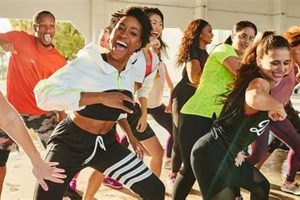
The path to leading Zumba classes involves a structured process of training and certification. Individuals interested in this role must complete a Zumba Basic 1 training course, which provides the foundational knowledge and skills needed to teach the format. This initial certification enables instructors to lead introductory-level Zumba sessions.
Acquiring the capacity to guide others in this fitness discipline offers several advantages. It allows one to cultivate a career centered around health and wellness while contributing positively to community fitness. Furthermore, the historical evolution of Zumba from its origins in the mid-1990s to its current global popularity underscores the enduring demand for qualified instructors.
The following discussion will delve into the specific steps required for achieving certification, the ongoing development opportunities available to instructors, and the professional responsibilities associated with guiding Zumba sessions effectively.
Essential Guidance for Aspiring Zumba Instructors
The following guidance outlines key strategies for individuals seeking to become Zumba instructors. These insights aim to streamline the certification process and enhance professional competence.
Tip 1: Prioritize Foundational Training: Successful instructors complete the Zumba Basic 1 course as a prerequisite. Mastery of the basic steps and cues is essential for providing clear instruction and a safe exercise environment.
Tip 2: Focus on Continuing Education: Zumba offers specialized training in various formats, such as Zumba Kids, Zumba Gold, and Aqua Zumba. Expanding expertise across multiple formats can broaden marketability and cater to diverse populations.
Tip 3: Cultivate Effective Communication Skills: The ability to clearly communicate instructions and provide motivational cues is critical for engaging participants and fostering a positive class atmosphere. Practice articulating complex movements and verbalizing encouragement effectively.
Tip 4: Maintain Current Certifications: Zumba certifications typically require renewal. Adhering to the renewal guidelines ensures instructors stay updated with the latest techniques and safety protocols, preserving professional credibility.
Tip 5: Secure Adequate Insurance Coverage: Professional liability insurance protects instructors from potential claims related to participant injuries. Obtaining and maintaining appropriate insurance is a critical aspect of risk management.
Tip 6: Develop Music Selection Expertise: Zumba integrates diverse musical styles. A comprehensive understanding of various genres and the ability to select appropriate and engaging music playlists is essential for enhancing the class experience.
Tip 7: Understand Basic Anatomy and Physiology: Familiarity with human anatomy and exercise physiology enables instructors to modify movements for individuals with physical limitations, ensuring participant safety and inclusivity.
Key takeaways include emphasizing thorough initial training, embracing continuing education opportunities, and prioritizing participant safety and effective communication.
The subsequent discussion will summarize these points and provide a conclusion regarding the pursuit of becoming a qualified Zumba instructor.
1. Certification Requirements

The pursuit of becoming a qualified Zumba instructor hinges directly on fulfilling specific certification requirements. These prerequisites are designed to ensure instructors possess the foundational knowledge, practical skills, and professional competence necessary to lead safe and effective Zumba classes.
- Zumba Basic 1 Training Completion
This initial training course is the cornerstone of Zumba instructor certification. It covers the fundamental Zumba steps, cueing techniques, and basic choreography. Completion of Basic 1 signifies an individual has acquired the essential building blocks to begin teaching. Without this foundational certification, individuals are not authorized to represent themselves as certified instructors or conduct official Zumba classes.
- ZIN Membership (Optional, but Recommended)
Zumba Instructor Network (ZIN) membership provides access to a library of choreography, music, and marketing resources. While not strictly mandatory for maintaining a Basic 1 certification, ZIN membership offers significant advantages in terms of ongoing professional development and access to updated materials. ZIN members also benefit from marketing support and opportunities to connect with other instructors.
- Continuing Education
Zumba offers specialized training in various formats (e.g., Zumba Kids, Zumba Gold, Aqua Zumba). While the Basic 1 certification allows instructors to teach standard Zumba classes, pursuing additional certifications broadens their skill set and allows them to cater to diverse populations. These advanced certifications often require prerequisites and demonstrate a commitment to ongoing professional development.
- Renewal and Recertification Policies
Zumba certifications typically have expiration dates. Instructors are required to renew their certifications periodically to ensure they remain current with the latest techniques and safety guidelines. Renewal often involves completing continuing education credits or paying a renewal fee. Failure to comply with renewal policies can result in the lapse of certification, which impacts the ability to legally conduct Zumba classes under the Zumba brand.
The certification requirements represent a structured pathway towards professional competency. Meeting these prerequisites and adhering to ongoing renewal policies is not merely a formality but a critical demonstration of commitment to upholding the standards of Zumba instruction and ensuring the safety and satisfaction of participants. These requirements are directly intertwined with the ability to present oneself as a legitimate Zumba instructor.
2. Rhythmic Proficiency

Rhythmic proficiency constitutes a foundational element for individuals seeking to lead Zumba classes. It transcends mere adherence to musical timing and encompasses a comprehensive understanding of various rhythmic patterns and their physical manifestation through movement. This skill underpins the ability to effectively guide participants through Zumba routines.
- Tempo Recognition and Adaptation
Effective Zumba instruction relies on the ability to accurately identify and maintain the tempo of musical pieces. Instructors must be adept at adjusting movement speed to synchronize with the rhythm, ensuring participants can follow the choreography. Incorrect tempo perception can lead to confusion and a disjointed class experience, diminishing its fitness value.
- Syncopation and Pattern Complexity
Zumba frequently incorporates syncopated rhythms and complex rhythmic patterns derived from various global musical traditions. Instructors must demonstrate a mastery of these intricate patterns, translating them into accessible movement sequences. Failure to understand syncopation can result in simplified or inaccurate choreography that does not reflect the authentic Zumba style.
- Musicality and Interpretation
Rhythmic proficiency extends beyond mere timing to encompass musicality the ability to interpret the nuances of the music and translate its emotional content into physical expression. Instructors who demonstrate musicality can create a more engaging and immersive class experience, fostering a deeper connection between participants and the choreography. Lack of musicality can lead to a mechanical and uninspired teaching style.
- Cueing and Transitions
The ability to effectively cue upcoming movements and seamlessly transition between rhythmic patterns is crucial for maintaining class flow and preventing participant confusion. Rhythmic proficiency informs the instructor’s ability to anticipate changes in the music and provide timely cues that prepare participants for subsequent movements. Inadequate cueing can disrupt the class dynamic and lead to a loss of momentum.
In summary, rhythmic proficiency is not merely a desirable attribute but a fundamental requirement for qualified Zumba instructors. It is the bedrock upon which effective choreography, clear instruction, and an engaging class experience are built. Without a strong command of rhythm, instructors are less likely to deliver authentic and beneficial Zumba sessions.
3. Instructional Clarity

Instructional clarity is a critical determinant of success for those who lead Zumba classes. The ability to articulate movement sequences, cues, and modifications in a manner readily understood by participants directly impacts their safety, engagement, and the overall effectiveness of the exercise session. Ambiguous or confusing instructions can lead to improper form, increasing the risk of injury and diminishing the benefits of the workout. For example, if an instructor fails to clearly demonstrate and explain the proper alignment during a salsa step, participants may compensate with incorrect posture, potentially straining their joints or muscles.
The importance of instructional clarity extends beyond mere technical execution. It fosters a sense of confidence and inclusivity among participants, particularly those new to Zumba or with varying levels of fitness. Clear and concise directions enable individuals to follow the choreography without feeling intimidated or overwhelmed, encouraging them to participate actively and consistently. Consider the impact of an instructor who consistently uses precise terminology, provides visual demonstrations, and offers verbal cues that anticipate transitions. Such an approach empowers participants to navigate complex routines with greater ease, resulting in a more positive and rewarding experience.
In conclusion, instructional clarity is not merely a supplemental skill but a foundational competence for individuals aspiring to lead Zumba sessions. The ability to convey information accurately, concisely, and accessibly is essential for ensuring participant safety, promoting engagement, and maximizing the benefits of the Zumba workout. Challenges may arise in adapting instruction to accommodate diverse learning styles and physical limitations; however, prioritizing clear communication remains paramount. Effective instructional clarity directly contributes to the viability and success of a Zumba instructors practice.
4. Physical Fitness

Physical fitness is not merely a desirable attribute, but rather an indispensable prerequisite for individuals seeking to lead Zumba classes. It directly impacts an instructor’s capacity to demonstrate movements accurately, maintain energy levels throughout a class, and inspire participants through demonstrable vitality. The following facets explore the interconnectedness of physical fitness and the role of a Zumba instructor.
- Cardiovascular Endurance
Sustained cardiovascular endurance enables instructors to lead high-energy Zumba sessions without experiencing undue fatigue. This fitness component allows for continuous demonstration of movements and sustained engagement with participants throughout the class duration. For example, an instructor with limited cardiovascular endurance might struggle to maintain the pace of a fast-paced salsa routine, potentially compromising the quality of instruction and the participants’ workout experience.
- Muscular Strength and Endurance
Adequate muscular strength and endurance facilitate the accurate execution of various Zumba movements, many of which require repetitive actions and sustained postures. Strong core muscles are essential for maintaining proper form and preventing injuries during dynamic routines. An instructor lacking sufficient muscular strength may struggle to demonstrate proper technique, potentially leading to participants adopting incorrect and potentially harmful movement patterns.
- Flexibility and Range of Motion
Flexibility and a wide range of motion are crucial for performing the diverse dance movements inherent in Zumba. This fitness component enables instructors to execute movements safely and effectively, while also demonstrating proper technique and preventing potential injuries. Limited flexibility could restrict an instructor’s ability to demonstrate a hip-hop routine, thus diminishing the fidelity of the Zumba experience.
- Body Composition
Maintaining a healthy body composition is a tangible demonstration of an instructor’s commitment to fitness and wellness, enhancing their credibility and serving as a positive role model for participants. While not the sole determinant of competence, a healthy body composition often correlates with improved physical performance and increased energy levels, contributing to a more effective and engaging class environment. However, it is critical to note that diverse body types can be fit and capable instructors. The ability to perform and teach is paramount.
These facets of physical fitness are intrinsically linked to the effectiveness and credibility of individuals aiming to guide Zumba classes. The ability to embody and demonstrate physical fitness serves as a foundation for inspiring participants, delivering high-quality instruction, and fostering a safe and engaging exercise environment. An individual’s physical fitness provides the necessary tools to execute the requirements of this role successfully and responsibly.
5. Musical Knowledge

The capacity to effectively lead Zumba classes hinges significantly on a comprehensive understanding of music. This knowledge base extends beyond mere familiarity with popular songs and encompasses a deep understanding of musical structure, rhythm, and genre conventions. These elements directly impact the instructor’s ability to choreograph routines, cue movements effectively, and create a dynamic and engaging class environment. A Zumba instructor’s ability to synchronize steps with the music and to anticipate changes in tempo and rhythm is directly determined by the depth of their musical knowledge. For example, if an instructor is unfamiliar with the rhythmic patterns characteristic of merengue music, they may struggle to create authentic and effective choreography for a merengue-based routine, potentially diminishing the quality of the class experience. Similarly, a lack of understanding of musical phrasing can lead to awkward transitions and a disjointed flow within the class. Musical knowledge, therefore, forms a foundational pillar supporting the technical and artistic aspects of Zumba instruction.
Furthermore, musical knowledge enables instructors to curate playlists that appeal to diverse audiences and create a vibrant and motivating atmosphere. An instructor with a broad understanding of musical genres can incorporate a range of styles into their classes, catering to various tastes and preventing monotony. This can include integrating Latin rhythms, hip-hop beats, and international sounds that reflect the global nature of the Zumba program. For instance, an instructor might incorporate a Cumbia song to increase the class enjoyability. Additionally, musical knowledge informs the instructor’s ability to select songs with appropriate tempos and energy levels, ensuring the class remains challenging yet accessible. This necessitates an understanding of musical arrangements and the ability to identify cues within the music that signal changes in intensity or direction. A Zumba instructor needs a good musical experience.
In summary, musical knowledge is not a supplementary skill but an intrinsic component of effective Zumba instruction. It directly affects the instructor’s ability to choreograph engaging routines, cue movements accurately, and create a stimulating class environment. The challenges of acquiring and maintaining a broad musical repertoire underscore the importance of ongoing learning and exploration. By investing in the development of musical acumen, instructors can enhance their professional competence and elevate the Zumba experience for their participants, contributing to the program’s sustained success. Becoming a Zumba Instructor is not just about fitness, it is about the art and science of music too.
6. Liability Insurance

Securing appropriate liability insurance is a critical, non-negotiable step for individuals undertaking the role of Zumba instructor. This insurance serves as a safeguard against potential financial repercussions arising from injuries or accidents sustained by participants during Zumba classes.
- Protection Against Participant Injuries
Zumba, being a physical activity, inherently carries a risk of participant injury. Common injuries range from muscle strains and sprains to more serious incidents such as falls. Liability insurance provides coverage for legal defense costs and potential settlements if a participant sues the instructor or the facility where the class is held, alleging negligence. Consider a scenario where a participant slips on a wet floor during a Zumba class and sustains a significant injury. Without liability insurance, the instructor could be personally responsible for covering medical expenses, legal fees, and potential damages awarded to the participant.
- Coverage for Negligence Claims
Negligence claims can arise from various situations, including improper instruction, inadequate supervision, or failure to provide a safe environment. Liability insurance protects instructors from financial losses resulting from such claims, even if the instructor believes they were not at fault. As an example, if an instructor provides inadequate warm-up instructions, leading to a participant muscle strain, the instructor may be held liable for medical costs, regardless of intent.
- Contractual Requirements and Facility Policies
Many gyms, fitness centers, and other facilities require instructors to carry their own liability insurance as a condition of employment or facility use. This requirement protects the facility from liability and ensures that instructors are financially responsible for their actions. An instructor lacking appropriate insurance might be denied the opportunity to teach at a desirable location due to non-compliance with facility policies.
- Professional Credibility and Risk Management
Obtaining liability insurance demonstrates a commitment to professional responsibility and risk management. It provides assurance to participants and facility owners that the instructor is taking necessary steps to protect their interests. Presenting proof of insurance enhances an instructor’s credibility and reinforces their dedication to providing a safe and professional Zumba experience.
In essence, liability insurance is an indispensable component of a responsible Zumba instructor’s professional practice. It safeguards against potential financial losses associated with participant injuries and negligence claims, fulfills contractual requirements, and enhances professional credibility, reinforcing the importance of this protection for anyone embarking on the path to lead Zumba classes.
7. Continuing Education

The pursuit of becoming a proficient and sought-after Zumba instructor necessitates an ongoing commitment to continuing education. Initial certification provides the foundational skills; however, continuous learning is essential for professional growth, adaptation to evolving trends, and maintaining relevance in the fitness industry.
- Specialized Zumba Formats
Zumba offers various specialized formats, including Zumba Kids, Zumba Gold (for active older adults), Aqua Zumba, and Zumba Toning. Pursuing certifications in these specialized areas expands an instructor’s skillset and allows them to cater to diverse populations. This specialized knowledge increases marketability and provides instructors with the ability to offer a wider range of classes, attracting a broader client base. For instance, an instructor certified in Zumba Kids can offer classes at schools or community centers, accessing a demographic not typically reached by standard Zumba classes.
- Advanced Choreography Techniques
Continuing education programs frequently offer advanced choreography techniques that refine an instructor’s ability to create engaging and innovative routines. These programs often focus on complex rhythmic patterns, seamless transitions, and the incorporation of diverse dance styles. Mastering advanced choreography techniques enables instructors to develop unique and captivating classes, differentiating themselves from competitors and retaining participant interest over the long term. An instructor employing these techniques might create a routine blending salsa, hip-hop, and samba elements into a cohesive and challenging workout.
- Anatomy and Physiology Refresher Courses
Periodic refresher courses in anatomy and physiology ensure instructors maintain a current understanding of human movement and biomechanics. This knowledge is crucial for modifying exercises to accommodate participants with physical limitations, preventing injuries, and providing safe and effective instruction. For example, an instructor with updated knowledge of anatomy can identify and address potential risks for participants with knee problems, adapting exercises to minimize strain and maximize benefit.
- Business and Marketing Skills
Many continuing education programs include modules on business and marketing skills, equipping instructors with the tools to promote their classes, manage their finances, and build a successful Zumba career. These modules may cover topics such as social media marketing, website development, pricing strategies, and client retention. Mastering these skills enables instructors to establish a sustainable business model, attract new participants, and cultivate a loyal following. An instructor implementing effective marketing strategies might leverage social media to showcase their classes, offer promotional discounts, and build a strong online presence.
The pursuit of becoming a successful Zumba instructor is a continuous journey of learning and development. Engaging in continuing education, whether through specialized certifications, advanced choreography training, anatomy refreshers, or business skill development, is essential for sustained professional growth, increased marketability, and the delivery of high-quality, safe, and engaging Zumba classes. These educational endeavors directly impact the ability to thrive in a competitive fitness landscape.
Frequently Asked Questions
This section addresses common inquiries related to the process of becoming a certified Zumba instructor, providing clarity on prerequisites, training, and professional expectations.
Question 1: What are the fundamental prerequisites for enrolling in a Zumba Basic 1 training course?
Formal dance training is not a mandatory requirement. However, a general fitness background and a strong sense of rhythm are highly recommended to successfully complete the training and subsequently lead Zumba classes effectively.
Question 2: Is Zumba Instructor Network (ZIN) membership obligatory for maintaining certification?
ZIN membership is not strictly obligatory to maintain the Basic 1 certification. However, membership provides access to crucial resources such as choreography, music, and marketing materials, significantly aiding in professional development and class preparation.
Question 3: How often must Zumba certifications be renewed, and what does the renewal process entail?
Zumba certifications typically require renewal every year. The renewal process usually involves paying an annual fee and potentially completing continuing education requirements to ensure instructors remain current with updated techniques and safety guidelines.
Question 4: Does Zumba instructor liability insurance cover claims arising from pre-existing medical conditions of participants?
Standard liability insurance policies may have exclusions for injuries directly related to pre-existing medical conditions. It is imperative to carefully review the policy terms and potentially obtain supplemental coverage to address specific concerns related to participant health.
Question 5: What is the expected time commitment for preparing and leading a single one-hour Zumba class?
Beyond the one-hour class time, instructors should allocate additional time for choreography preparation, music selection, and administrative tasks. A reasonable estimate for total time commitment per class ranges from two to four hours, depending on the complexity of the routine and the instructor’s experience.
Question 6: What are the typical income expectations for a newly certified Zumba instructor?
Income varies considerably depending on factors such as location, class frequency, and instructor experience. Entry-level instructors can expect to earn an hourly rate ranging from $20 to $40 per class, with potential for increased earnings through private lessons and specialized programs.
In summation, the path to becoming a qualified Zumba instructor requires dedication to training, adherence to certification requirements, and a commitment to ongoing professional development. Understanding these frequently asked questions provides a foundational understanding for prospective instructors.
The concluding section will summarize the essential elements for succeeding in the Zumba instruction profession.
Becoming a Zumba Instructor
The preceding discussion has explored the multifaceted process to become Zumba instructor, highlighting the critical elements necessary for success. From foundational certification to ongoing professional development and risk management, the path demands dedication and a commitment to excellence. Mastery of rhythmic patterns, instructional clarity, and physical fitness are non-negotiable prerequisites. Liability insurance serves as a crucial safeguard, while continuing education ensures instructors remain current and competitive. Musical knowledge and the ability to select appropriate songs for each class are also very important for becoming Zumba Instructor.
The sustained success of qualified instructors depends not only on technical proficiency but also on a genuine passion for fitness and a desire to motivate others. The global popularity of Zumba underscores the ongoing demand for skilled instructors. Individuals who approach the profession with diligence and a commitment to continuous improvement are well-positioned to contribute positively to the health and well-being of their communities. The ultimate goal, as for anyone who become zumba instructor is to provide a safe and enjoyable fitness experience for all participants.