The necessary qualifications to become a Zumba instructor encompass a structured training process and specific certifications. These prerequisites ensure individuals possess the foundational knowledge and practical skills to lead safe and effective Zumba classes. For example, aspiring instructors must typically complete a Zumba Basic 1 training course.
Achieving instructor status provides individuals with the opportunity to share their passion for dance and fitness, fostering a supportive and energetic environment for participants. The benefits extend beyond personal fulfillment, offering avenues for professional growth and income generation. The Zumba program has evolved significantly since its inception, establishing itself as a globally recognized fitness phenomenon.
Understanding the pathway to becoming a certified professional involves exploring the initial training requirements, the ongoing educational needs for maintaining licensure, and the various specialized Zumba programs one can pursue to expand their expertise.
Tips on Meeting the Qualifications to Become a Zumba Instructor
Adhering to these guidelines can facilitate a smoother path to achieving certified instructor status. Diligence and preparation are paramount.
Tip 1: Thoroughly Research Zumba Training Programs: Explore the Zumba website for authorized training sessions and certified instructors in the area. Verifying accreditation ensures the training meets Zumba Fitness, LLC standards.
Tip 2: Fulfill the Minimum Age Requirement: Prospective instructors must meet the minimum age requirement, typically 18 years, to participate in Zumba training. Verify the specific age requirement for the training in question.
Tip 3: Successfully Complete the Zumba Basic 1 Training: The Basic 1 training is the foundational course required to teach Zumba. Participate actively and engage with the material to understand the core principles and choreography.
Tip 4: Master Basic Rhythms and Steps: Familiarity with the core rhythms of Zumba, such as Merengue, Salsa, Cumbia, and Reggaeton, is essential. Practice regularly to internalize the steps and movements associated with each rhythm.
Tip 5: Practice Teaching Regularly: Seek opportunities to practice teaching, even if it is just with friends and family. The experience will help refine cueing techniques, musicality, and overall class management skills.
Tip 6: Understand the Licensing Requirements: Maintaining a current license is crucial for legally teaching Zumba classes. Stay informed about renewal procedures and associated fees.
Tip 7: Maintain CPR/AED Certification: While not always explicitly required by Zumba Fitness, LLC, having current CPR/AED certification demonstrates a commitment to participant safety and is strongly recommended. Many facilities require this for employment.
Tip 8: Continuously Pursue Professional Development: Attend advanced Zumba trainings to expand knowledge and skills, staying current with new routines and teaching techniques. This dedication to continuous learning enhances professional credibility.
Consistently applying these tips can considerably increase the likelihood of successfully navigating the requirements and establishing a fulfilling career as a certified Zumba instructor.
Subsequently, the focus will shift toward the ongoing responsibilities and opportunities that come with maintaining instructor status.
1. Certification

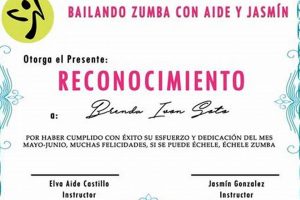
Certification constitutes a core element of the prerequisites to become a Zumba instructor. This formal recognition, granted upon successful completion of an approved training program, validates an individual’s understanding of the fundamental principles and techniques associated with Zumba instruction. The absence of certification directly impacts the ability to legally and ethically conduct Zumba classes under the Zumba Fitness, LLC brand. Consider a scenario where an individual, lacking proper certification, attempts to lead a Zumba class. This individual risks providing incorrect instruction, potentially leading to injuries among participants and undermining the brand’s reputation for quality and safety.
The Zumba Basic 1 certification, for instance, serves as the entry point for aspiring instructors. This initial certification equips individuals with the essential choreography, cueing techniques, and class management skills necessary to deliver a safe and effective Zumba experience. Continued professional development, through advanced Zumba certifications, allows instructors to expand their expertise and cater to diverse populations, such as children (Zumba Kids) or older adults (Zumba Gold). Maintaining valid certifications through ongoing licensing agreements is crucial, as Zumba Fitness, LLC mandates this to ensure instructors remain current with evolving techniques and safety protocols.
In summation, certification is not merely a procedural formality but a foundational requirement intricately linked to the credibility and competence of Zumba instructors. It represents a commitment to upholding the standards of Zumba Fitness, LLC and safeguarding the well-being of class participants. Therefore, understanding the certification process is critical for anyone aspiring to embark on a career as a certified Zumba instructor.
2. Age Requirement

The age requirement constitutes an integral component of the prerequisites to become a Zumba instructor. This stipulation, generally setting a minimum age of 18 years, is not arbitrary but rather stems from a confluence of factors related to maturity, legal liability, and the physical demands of the role. A younger individual may lack the life experience and judgment necessary to effectively manage a class of diverse participants, address potential emergencies, and handle the business aspects of instruction. The legal ramifications of incidents occurring during classes led by underaged instructors can be complex and potentially detrimental to both the individual and Zumba Fitness, LLC. For example, an insurance company might deny coverage if an instructor is found to be under the legally mandated age, exposing the instructor and the facility to significant financial risk.
Furthermore, the physical exertion required to lead Zumba classes demands a certain level of physical conditioning and resilience. While physical fitness is not solely determined by age, younger individuals may still be developing their musculoskeletal systems and may be more susceptible to injury when engaging in the repetitive and high-impact movements inherent in Zumba. The age requirement indirectly contributes to participant safety by ensuring instructors possess the physical capacity to demonstrate movements accurately and effectively supervise class participants. This requirement also aligns with standard industry practices for fitness instructors, reinforcing the professionalism of Zumba instruction.
In conclusion, the age requirement functions as a safeguarding measure, protecting both instructors and participants. It reflects an understanding of the multifaceted demands of the role, encompassing maturity, legal considerations, and physical fitness. The enforcement of this prerequisite underlines the commitment to delivering safe, effective, and professional Zumba instruction. Disregarding this requirement can introduce unacceptable risks, undermining the integrity of the Zumba program.
3. Training Completion
Training completion is a non-negotiable aspect of the requirements to become a Zumba instructor. It represents the formal acquisition of the knowledge and skills necessary to effectively and safely lead Zumba classes. This mandated education ensures a standardized level of competence across all certified professionals, safeguarding the integrity of the Zumba program.
- Curriculum Adherence
The authorized Zumba training programs follow a structured curriculum designed by Zumba Fitness, LLC. This curriculum covers fundamental Zumba rhythms (Merengue, Salsa, Cumbia, Reggaeton), basic steps and variations, cueing techniques, and class management strategies. Successful training completion signifies mastery of this standardized content, ensuring instructors teach consistent and accurate routines. Deviation from the established curriculum could result in ineffective or even harmful instruction.
- Practical Application and Assessment
Training programs incorporate practical exercises where participants demonstrate their ability to perform Zumba steps and lead mock classes. Instructors receive feedback on their technique, cueing, and overall presentation. This hands-on experience solidifies theoretical knowledge and prepares individuals for real-world teaching scenarios. Assessments, either formal or informal, evaluate the participant’s grasp of the material and their readiness to instruct. Failure to demonstrate sufficient proficiency may require retaking portions of the training.
- Legal and Ethical Considerations
Training programs address legal and ethical responsibilities associated with being a Zumba instructor. This includes understanding copyright regulations regarding Zumba music and choreography, maintaining appropriate liability insurance, and adhering to ethical guidelines for interacting with participants. Knowledge of these aspects minimizes legal risks and promotes a professional and responsible approach to instruction. Instructors who are unaware of these responsibilities may face legal repercussions or damage the reputation of Zumba Fitness, LLC.
- Maintaining Instructor Status
Training completion is not a one-time event. Zumba Fitness, LLC requires ongoing education and license renewal to maintain instructor status. This ensures instructors stay current with new routines, techniques, and safety protocols. Continuing education credits can be earned through advanced Zumba trainings, workshops, and online courses. Failure to maintain a current license may result in the inability to legally teach Zumba classes. The continuous learning process promotes professional growth and enhances the quality of instruction.
The emphasis on training completion within the broader set of prerequisites for Zumba instruction highlights the importance of structured education and standardized competence. It protects participants by ensuring instructors possess the requisite knowledge and skills. This commitment to quality contributes to the enduring popularity and credibility of the Zumba program worldwide.
4. Rhythm Proficiency

Rhythm proficiency is a critical element among the prerequisites to become a Zumba instructor. It signifies a deep understanding of musicality and the ability to translate rhythmic patterns into corresponding movements. This skill is not merely aesthetic; it is fundamental to delivering an effective and engaging Zumba class.
- Core Rhythm Recognition
Zumba incorporates a variety of Latin and international rhythms, including Merengue, Salsa, Cumbia, and Reggaeton. Prospective instructors must demonstrate the ability to distinguish these rhythms aurally and visually. An instructor who cannot accurately identify a Cumbia rhythm, for instance, will struggle to select appropriate choreography and provide effective cues to participants. Failure in this area can lead to a disjointed and confusing class experience.
- Movement Synchronization
Rhythm proficiency extends beyond recognition to encompass the ability to synchronize movements with the beat and tempo of the music. This synchronization is essential for creating a cohesive and energetic class atmosphere. An instructor whose movements are consistently off-beat disrupts the flow of the class and makes it difficult for participants to follow. Precise synchronization enhances the workout’s effectiveness and fosters a sense of community among participants.
- Musicality and Cueing
Effective cueing relies heavily on an instructor’s understanding of musicality. By anticipating changes in the music’s dynamics and structure, an instructor can provide timely and appropriate cues to prepare participants for upcoming movements. This ensures a smooth transition between steps and prevents confusion. For example, an instructor might cue a turn several beats before it occurs, allowing participants to anticipate the change and execute it correctly. Without a strong sense of musicality, cueing becomes haphazard and ineffective.
- Choreography Adaptation
Rhythm proficiency enables instructors to adapt choreography to suit the specific musical selections used in their classes. While Zumba Fitness, LLC provides pre-designed routines, instructors often incorporate their own variations to add personal flair and cater to the skill levels of their participants. This requires a nuanced understanding of how different steps fit within the rhythmic structure of the music. An instructor with a solid grasp of rhythm can seamlessly integrate new steps or modify existing routines without disrupting the overall flow of the class.
In summary, rhythm proficiency is inextricably linked to the quality of Zumba instruction. It empowers instructors to deliver classes that are engaging, effective, and safe. Therefore, it is a critical prerequisite for anyone aspiring to become a certified Zumba instructor, directly influencing their ability to create a positive and rewarding experience for class participants.
5. Licensing Compliance

Licensing compliance represents a critical, often overlooked, aspect of the prerequisites to become a Zumba instructor. It formalizes the relationship between the instructor and Zumba Fitness, LLC, ensuring adherence to brand standards and legal operational requirements. Failure to maintain proper licensing can have serious consequences, ranging from legal penalties to the inability to teach Zumba classes legally.
- Annual Membership Fees
Maintaining an active Zumba instructor license requires the payment of annual membership fees to Zumba Fitness, LLC. These fees contribute to the ongoing development of the Zumba program, including the creation of new routines, marketing initiatives, and legal protection of the Zumba brand. Non-payment of these fees results in license suspension, effectively prohibiting the instructor from teaching Zumba classes under the Zumba name. For example, if an instructor fails to renew their license by the due date, their profile is removed from the Zumba website, and they are no longer authorized to use the Zumba logo or music in their classes.
- Copyright Regulations
Licensing grants instructors the legal right to utilize Zumba music and choreography in their classes, which are protected by copyright law. Instructors who teach Zumba routines without a valid license are in violation of copyright law and may face legal action from Zumba Fitness, LLC or its music licensing partners. This includes using unauthorized remixes or recordings of Zumba music. For instance, an instructor who creates their own Zumba playlist using illegally downloaded music could be subject to fines and other legal penalties.
- Brand Standards Adherence
Licensing ensures instructors adhere to Zumba Fitness, LLC’s brand standards, which encompass guidelines for class format, music selection, cueing techniques, and marketing materials. These standards are designed to maintain a consistent Zumba experience across all authorized classes. Instructors who deviate significantly from these standards risk diluting the Zumba brand and may face disciplinary action. An example would be an instructor who consistently incorporates non-Zumba fitness elements, such as weightlifting exercises, into their classes, potentially misleading participants and undermining the core principles of Zumba.
- Insurance Coverage Requirements
Maintaining instructor licensing can be tied to insurance liability. Zumba licenses typically include insurance coverage that protects instructors from liability in case someone gets injured during the class. Non-compliance with licensing may nullify the insurance agreement and may create potential financial burdens. An example would be an instructor using a non-approved routine during a class, resulting in participant injury and voiding any current insurance coverage.
The preceding facets highlight the inextricable link between licensing compliance and the established prerequisites for becoming a Zumba instructor. It’s important to note that neglecting these elements could lead to an invalidation of certifications, and pose potential harm to participants. By adhering to these guidelines, instructors uphold the integrity of the Zumba program and ensure a consistent, safe, and enjoyable experience for all participants.
6. CPR/AED Certification

Cardiopulmonary Resuscitation (CPR) and Automated External Defibrillator (AED) certification, while not universally mandated as a prerequisite to become a Zumba instructor by Zumba Fitness, LLC, is a crucial element that underscores a commitment to participant safety and well-being. The connection lies in the potential for medical emergencies arising during physical activity. While Zumba is generally a safe form of exercise, unforeseen events, such as sudden cardiac arrest or choking, can occur. Possessing valid CPR/AED certification equips an instructor with the knowledge and skills to respond effectively in such situations, potentially saving a life.
The importance of this certification is illustrated by scenarios where instructors have used their training to provide immediate assistance to participants experiencing medical distress. Consider a case where a participant collapses during a Zumba class due to a previously undiagnosed heart condition. An instructor certified in CPR/AED can initiate chest compressions and, if an AED is available, deliver an electrical shock to restore the participant’s heart rhythm, increasing their chances of survival significantly. This proactive preparedness demonstrates a level of professionalism and responsibility that extends beyond the typical scope of fitness instruction. Moreover, many fitness facilities and employers require CPR/AED certification as a condition of employment for instructors, regardless of Zumba Fitness, LLC’s specific requirements.
In summary, while CPR/AED certification may not always be explicitly listed as one of the prerequisites to become a Zumba instructor, its practical significance cannot be overstated. It empowers instructors to respond effectively to medical emergencies, enhancing participant safety and potentially saving lives. Obtaining and maintaining this certification demonstrates a commitment to professional responsibility and aligns with industry best practices, reinforcing the ethical underpinnings of Zumba instruction. Therefore, prospective instructors should view CPR/AED certification not as an optional add-on but as an essential investment in their preparedness and the well-being of their participants.
Frequently Asked Questions
The following section addresses common inquiries regarding the qualifications needed to become a licensed Zumba instructor. The provided information aims to clarify any misconceptions surrounding the certification process and requirements.
Question 1: Is prior dance experience mandatory to enroll in Zumba Basic 1 training?
No, prior formal dance experience is not a strict requirement for enrolling in Zumba Basic 1 training. The program is designed to teach individuals with varying levels of dance background the fundamental steps and techniques necessary to lead a Zumba class. However, a basic understanding of rhythm and movement can be beneficial.
Question 2: Does the Zumba Basic 1 certification expire?
The Zumba Basic 1 certification itself does not expire. However, to legally teach Zumba classes and utilize the Zumba trademark, instructors must maintain an active Zumba Instructor Network (ZIN) membership, which requires annual renewal fees.
Question 3: Can an individual teach Zumba classes without a valid Zumba license?
Teaching Zumba classes without a valid Zumba license is a violation of copyright law and the terms of the Zumba Instructor Network agreement. Zumba Fitness, LLC actively monitors unauthorized use of its trademark and may pursue legal action against individuals teaching without proper licensing.
Question 4: Is CPR/AED certification provided as part of the Zumba Basic 1 training?
CPR/AED certification is not typically included in the Zumba Basic 1 training. Prospective instructors are responsible for obtaining this certification independently through accredited organizations such as the American Heart Association or the American Red Cross.
Question 5: Are there any educational prerequisites for enrolling in Zumba Basic 1 training, such as a high school diploma or equivalent?
Zumba Fitness, LLC generally does not impose specific educational prerequisites, such as a high school diploma or equivalent, for enrolling in Zumba Basic 1 training. However, individual training providers may have their own enrollment requirements, so it is advisable to check with the specific training provider beforehand.
Question 6: Can the Zumba Basic 1 training be completed entirely online?
While some supplementary Zumba trainings or refresher courses may be offered online, the Zumba Basic 1 training typically involves an in-person component. The in-person session provides hands-on instruction and allows participants to practice teaching techniques under the guidance of a licensed Zumba Education Specialist.
Understanding these clarifications regarding the qualifications needed is critical for a successful and lawful Zumba career.
The next stage will focus on navigating the financial considerations associated with instructor training and licensing.
Requisitos para ser instructor de zumba
The preceding analysis has delineated the essential requisitos para ser instructor de zumba. These involve certification through authorized training, adhering to age minimums, comprehensive rhythm and movement knowledge, licensing with Zumba Fitness, LLC, and a strong recommendation for CPR/AED expertise. Each element works synergistically to establish a foundation for instructors delivering quality Zumba classes, ensuring participant well-being and upholding the integrity of the Zumba brand. The absence of any of these facets can compromise the instructor’s competence, leading to potential legal repercussions and jeopardizing the quality of instruction.
Aspiring Zumba instructors should rigorously pursue the stipulated qualifications. This careful adherence to outlined requirements will significantly contribute to both professional success and safeguarding of the Zumba community. Proactive awareness and compliance with these essential components are key in contributing effectively to fitness domain.