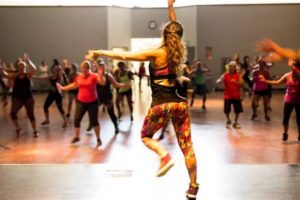
Compensation for fitness professionals teaching Zumba classes varies considerably. This income is influenced by factors such as experience, location, class format (in-person vs. online), and the instructor’s ability to attract and retain students. A newly certified instructor may initially earn less than an established instructor with a large following and multiple classes per week.
Understanding the earning potential associated with this career path is important for individuals considering certification. The flexibility offered, potential for supplemental income, and contribution to community health are benefits often cited. Historically, the fitness industry has seen fluctuations in income based on economic trends and popular workout fads; however, Zumba has maintained a consistent appeal due to its engaging format and accessibility.
The following sections will explore specific aspects of income determination, including typical hourly rates, regional variations, the impact of certification level, and strategies for increasing earnings. This analysis will provide a detailed overview of factors affecting a Zumba instructor’s financial success.
Strategies for Maximizing Zumba Instructor Earnings
Increasing income as a Zumba instructor requires a multifaceted approach. Strategic planning and consistent effort are essential to achieving financial goals in this profession.
Tip 1: Increase Class Frequency. Offering more classes per week directly correlates to increased earning potential. Consider adding classes at different times to accommodate varied schedules and attract a wider audience. Market these additional classes effectively.
Tip 2: Diversify Class Locations. Teaching at multiple studios, community centers, or gyms can broaden reach and revenue streams. Negotiate favorable rates with each venue based on experience and popularity.
Tip 3: Enhance Marketing Efforts. Actively promote classes through social media, local advertising, and partnerships with health-focused businesses. Word-of-mouth referrals are valuable; therefore, fostering a strong community within classes is crucial.
Tip 4: Obtain Advanced Certifications. Pursuing specialized Zumba certifications allows instructors to offer unique class formats and cater to specific demographics (e.g., Zumba Kids, Zumba Gold). This specialization can command higher rates.
Tip 5: Offer Workshops and Special Events. Hosting occasional Zumba workshops or themed events can generate additional income. These events can attract both regular students and new participants.
Tip 6: Develop a Strong Online Presence. While in-person classes are primary, a professional website and active social media profiles build credibility and visibility. Consider offering online Zumba classes to reach a geographically diverse audience.
Implementing these strategies will contribute to significant increases in earnings. Consistent effort in these areas will enhance the value offered as a Zumba instructor.
The following sections will delve into long-term career planning and the ongoing evolution of the Zumba fitness industry.
1. Hourly rate variability

Hourly rate variability is a primary factor influencing the overall income for Zumba instructors. This fluctuation is due to a range of contributing elements that determine the value placed on an instructor’s time and expertise.
- Geographic Location
The cost of living and demand for fitness classes significantly impact hourly rates. Instructors in metropolitan areas with higher living expenses often command more per class than those in rural locations. Market analysis of local fitness trends and competitor pricing informs rate adjustments based on location.
- Experience and Credentials
Experienced instructors with advanced Zumba certifications typically earn higher hourly rates. Proven success in attracting and retaining students further increases earning potential. Certification in specialized Zumba programs, such as Zumba Gold or Zumba Kids, validates expertise and expands market appeal, resulting in increased compensation.
- Venue Type
The type of facility where classes are held influences hourly compensation. Instructors teaching at established gyms or fitness centers may receive a lower percentage per class compared to those operating independently or renting studio space. Negotiation of favorable commission splits and class fee arrangements can significantly improve hourly income based on venue type.
- Class Size and Format
Larger class sizes generally translate to higher potential earnings per class, though this may be offset by studio commission structures. Specialty class formats, such as Zumba toning or aqua Zumba, may command higher rates due to the additional expertise and equipment required. Optimizing class sizes and offering unique formats can increase the hourly rate realized by the instructor.
These factors collectively shape the spectrum of hourly rates earned by Zumba instructors. A comprehensive understanding of geographic dynamics, experience level, venue arrangements, and class specifics is essential for maximizing income within this fitness profession. The ability to strategically navigate these variables directly affects an instructor’s overall financial success.
2. Experience Level Impact

The level of experience profoundly influences the earning potential for Zumba instructors. Increased experience typically translates to greater expertise, a larger client base, and enhanced marketability, all of which contribute to higher income levels.
- Increased Client Base
Experienced instructors tend to accumulate a larger and more loyal clientele. This results from consistent delivery of high-quality instruction, positive word-of-mouth referrals, and the establishment of a strong community within their classes. A larger client base ensures consistent attendance and revenue generation.
- Higher Class Fees
With a proven track record and positive reputation, experienced instructors can justify charging higher class fees. Individuals are often willing to pay more for instructors who demonstrate expertise and deliver effective workouts. The perceived value of the class increases with the instructor’s experience, allowing for premium pricing.
- Expanded Opportunities
Experienced instructors often have access to more diverse and lucrative opportunities. This may include teaching specialized Zumba classes, leading workshops, presenting at fitness conferences, or developing online fitness programs. These opportunities supplement regular class income and increase overall earning potential.
- Enhanced Negotiation Power
Experience strengthens an instructor’s negotiation power when securing contracts with gyms or studios. They are better positioned to negotiate favorable commission splits and class rates due to their proven ability to attract and retain students. This leverage translates to a greater share of the revenue generated from their classes.
The cumulative effect of these factors demonstrates the direct correlation between experience and earnings. As Zumba instructors gain experience, their ability to attract students, command higher fees, access diverse opportunities, and negotiate favorable terms increases, ultimately leading to significant growth in their income.
3. Location's cost of living

The cost of living in a specific geographic area exerts a significant influence on the earning potential of a Zumba instructor. Compensation rates must align with the economic realities of the location to ensure a sustainable livelihood.
- Rent and Housing Expenses
Areas with high housing costs often necessitate higher hourly rates for Zumba instructors. Instructors need to cover their personal living expenses, and locations with exorbitant rent or mortgage payments require a commensurate increase in income to maintain a reasonable standard of living. For example, a Zumba instructor in San Francisco, where housing costs are exceptionally high, would likely need to charge more per class than an instructor in a rural area with significantly lower housing expenses.
- General Expenses (Food, Transportation, Utilities)
Beyond housing, the overall cost of goods and services within a location impacts financial viability. Higher prices for groceries, transportation, and utilities necessitate higher income levels. In cities like New York, where these expenses are elevated, Zumba instructors need higher compensation to cover their day-to-day living expenses. This also impacts the affordability of fitness classes for potential students, influencing demand and pricing strategies.
- Market Demand and Competition
While high cost of living may imply higher earning potential, it can also indicate a more saturated market. Areas with high concentrations of fitness professionals may experience increased competition, potentially driving down class rates despite the high cost of living. Conversely, areas with limited Zumba instructors but high demand may allow for premium pricing, offsetting the cost of living. A thorough analysis of the local fitness market is essential.
- Income Disparity and Economic Factors
Local economic conditions and income disparities can impact the willingness and ability of residents to pay for fitness classes. Areas with significant income inequality may present challenges in attracting a consistent client base willing to pay premium prices. Understanding the socioeconomic dynamics of a location is crucial in determining appropriate pricing strategies and assessing long-term financial prospects.
In summary, the cost of living is a critical factor in determining the financial viability for Zumba instructors. It influences necessary income levels, market dynamics, pricing strategies, and overall earning potential. Thorough consideration of these factors is essential for instructors to establish sustainable careers and achieve financial success in their chosen location.
4. Class size influence

Class size directly impacts instructor earnings; larger classes generally correlate with higher revenue. However, various factors influence the extent of this impact, shaping the relationship between class size and overall income.
- Per-Student Revenue
Many Zumba instructors are paid per student attending each class. In this model, a larger class directly translates to increased revenue for that session. For example, an instructor earning $5 per student would generate $100 from a class of 20 individuals and $150 from a class of 30. This direct correlation makes class size a significant determinant of income.
- Studio Commission Structures
Studio commission structures can moderate the direct impact of class size. Some studios may offer a fixed rate per class, irrespective of attendance, or implement a tiered commission system where the instructor’s percentage increases with class size. While larger classes remain beneficial, the incremental revenue increase may not be directly proportional to the increase in attendance. For instance, an instructor may receive 60% of the revenue for classes up to 20 students and 70% for classes exceeding that number. This nuanced system influences the profitability of larger versus smaller classes.
- Capacity Constraints and Class Quality
Physical limitations of the venue can restrict class size, thereby capping potential earnings. Furthermore, instructors must maintain class quality to retain students; overcrowding can negatively affect the student experience, potentially leading to decreased attendance. Managing class size to balance revenue generation with student satisfaction is crucial. Instructors may need to limit enrollment or hire assistants to ensure personalized attention and a positive workout environment.
- Marketing and Demand Generation
Successfully attracting a larger class size requires effective marketing and demand generation strategies. Instructors must actively promote their classes through social media, community outreach, and promotional offers. Building a strong reputation and positive word-of-mouth referrals is essential for sustained growth in class attendance. Investment in marketing efforts can lead to consistently larger classes, resulting in a significant increase in income over time.
The interplay between these elements determines the overall influence of class size on instructor earnings. While larger classes typically lead to higher revenue, studio commission structures, capacity constraints, class quality, and effective marketing efforts all play crucial roles in shaping this relationship. Strategic management of these factors is essential for maximizing income potential.
5. Certification specialties

Certification specializations within the Zumba fitness program directly influence income potential. Advanced certifications broaden the scope of services an instructor can offer, increasing marketability and attracting diverse clientele. The acquisition of specialized knowledge and skills enhances an instructor’s value and command over higher fees.
- Zumba Kids and Zumba Kids Jr.
Certifying in Zumba Kids and Zumba Kids Jr. allows instructors to conduct classes specifically designed for children. These classes cater to a distinct demographic, offering opportunities to partner with schools, community centers, and parents seeking fitness activities for their children. Such specialization opens new revenue streams beyond traditional adult Zumba classes.
- Zumba Gold
Zumba Gold focuses on active older adults and beginners, offering modified movements and a lower-intensity workout. This certification enables instructors to tap into the growing senior fitness market. The ability to provide accessible classes for this demographic broadens the potential client base and generates additional income from a previously underserved population.
- Zumba Toning
Zumba Toning incorporates light weights to enhance muscle endurance and strength during Zumba routines. Certified Zumba Toning instructors can offer classes that provide a more comprehensive workout experience, attracting individuals seeking to combine cardio with strength training. The added value of toning exercises often justifies higher class fees.
- Aqua Zumba
Aqua Zumba adapts Zumba routines for the pool, providing a low-impact, high-energy workout. This certification allows instructors to leverage aquatic facilities and offer a unique fitness experience. Aqua Zumba classes appeal to individuals with joint issues or those seeking a refreshing alternative to land-based workouts, thereby expanding the instructor’s clientele and income opportunities.
In conclusion, certification specialties provide Zumba instructors with a competitive advantage and the ability to diversify their offerings. These specialized certifications enable access to new markets, justify higher class fees, and ultimately increase earning potential. The investment in advanced training expands the instructor’s skill set and elevates their position within the Zumba fitness community.
6. Studio/gym commission

Studio and gym commission structures are central to determining a Zumba instructor’s income when teaching classes within these established facilities. The specific commission arrangement directly influences the portion of class revenue retained by the instructor, thus impacting their overall earnings.
- Percentage-Based Splits
A common commission model involves a percentage-based split of the class revenue between the instructor and the studio or gym. The percentage retained by the instructor can vary widely, often ranging from 40% to 70%, depending on factors such as experience, class popularity, and the facility’s policies. A higher percentage translates to increased earnings for the instructor, incentivizing them to attract and retain students.
- Fixed Rate per Class
Some studios or gyms offer a fixed rate per class, regardless of the number of attendees. This arrangement provides instructors with a predictable income for each session, simplifying financial planning. However, it may limit earning potential if class sizes are consistently large, as the instructor does not directly benefit from increased attendance beyond the fixed rate.
- Tiered Commission Structures
Tiered commission structures offer varying percentages based on class size or revenue generated. For example, an instructor may receive a lower percentage for classes with fewer than 10 students and a higher percentage for larger classes. This model incentivizes instructors to actively promote their classes and maximize attendance to reach higher commission tiers.
- Additional Fees and Expenses
It is important to consider additional fees or expenses that may be deducted from the instructor’s earnings. These may include marketing fees, insurance costs, or equipment rental charges. A clear understanding of all associated expenses is essential for accurately assessing the net income derived from each class. These deductions can significantly impact the overall take-home pay, even with a seemingly favorable commission split.
The interplay between these factors demonstrates that studio/gym commission structures are not monolithic. The chosen model significantly shapes how much a Zumba instructor ultimately earns. Understanding these dynamics and negotiating favorable terms are critical steps in maximizing income potential within established fitness facilities.
7. Online reach potential
Online reach potential significantly influences a Zumba instructor’s income. Expanded online presence directly translates to increased visibility, accessibility, and revenue streams. Instructors leveraging digital platforms can overcome geographical limitations, attracting a broader audience and diversifying their income sources beyond local, in-person classes. The ability to conduct live virtual classes, offer on-demand workout videos, and engage with a global community is fundamental to modern Zumba instruction, particularly for augmenting earnings. For example, an instructor primarily teaching in a small town can significantly expand their clientele by offering online sessions, reaching individuals who may not have access to local Zumba classes or prefer the convenience of exercising at home.
The creation and monetization of digital content represent a substantial income opportunity. Instructors can generate revenue through subscription-based platforms, selling workout programs, or partnering with fitness-related brands for sponsorships. Active engagement on social media platforms is crucial for promoting these offerings and building a loyal following. Content marketing strategies, such as sharing free workout snippets or nutritional advice, attract potential clients and establish the instructor as a trusted authority in the field. Furthermore, data analytics gleaned from online engagement provide insights into audience preferences, enabling instructors to tailor their content and offerings for maximum impact. A Zumba instructor in New York City, for instance, can build a global brand by effectively using social media to promote online courses and attract students from around the world, generating income far beyond the capacity of local studio classes.
In summary, online reach potential is an integral component of a Zumba instructor’s income strategy. Effective utilization of digital platforms facilitates broader audience engagement, diversifies revenue streams, and enhances overall earning capacity. While challenges such as content creation, marketing, and technical proficiency exist, the potential financial rewards associated with a robust online presence are considerable. The fitness industry’s increasing reliance on digital solutions underscores the importance of cultivating and maximizing online reach to achieve sustained financial success as a Zumba instructor.
Frequently Asked Questions Regarding Zumba Instructor Compensation
The following questions address common inquiries and concerns about the earning potential for certified Zumba instructors. These answers are intended to provide clarity and realistic expectations for individuals considering this career path.
Question 1: What is the average hourly rate a new Zumba instructor can expect to earn?
The average hourly rate for a newly certified Zumba instructor generally falls between $20 and $30. This figure is subject to variability based on location, the type of facility (gym, studio, community center), and the instructor’s ability to attract students. Initial earnings may be lower while building a client base.
Question 2: How does experience impact a Zumba instructor’s earning potential?
Increased experience correlates with higher earning potential. Experienced instructors often command higher hourly rates, attract larger class sizes, and gain access to additional opportunities such as workshops and specialized certifications. Building a strong reputation within the community enhances earning capacity over time.
Question 3: Does location significantly affect Zumba instructor salaries?
Geographic location significantly influences salary expectations. Areas with higher costs of living generally offer higher compensation rates. Urban centers typically provide more opportunities but also more competition. Rural areas may offer fewer opportunities but potentially less competition.
Question 4: How do studio commissions influence earnings for Zumba instructors?
Studio commissions directly impact take-home pay. Commission structures vary widely, ranging from fixed rates per class to percentage-based splits. A clear understanding of the studio’s commission policy is crucial for accurately assessing earning potential.
Question 5: Can online Zumba classes supplement an instructor’s income?
Offering online Zumba classes can supplement income significantly. Online platforms expand reach beyond geographical limitations, attracting a broader audience. Revenue can be generated through subscription models, on-demand video sales, and live virtual classes.
Question 6: Are there additional certifications that can increase earning potential as a Zumba instructor?
Specialized Zumba certifications, such as Zumba Kids, Zumba Gold, and Zumba Toning, can increase earning potential. These certifications enable instructors to cater to specific demographics, offering specialized classes that may command higher rates and attract a wider range of clients.
The earning potential for Zumba instructors is influenced by a combination of factors, including experience, location, commission structures, and the ability to leverage online platforms and specialized certifications. Strategic planning and consistent effort are essential for maximizing income within this profession.
The following section provides resources and further reading for those seeking additional information on Zumba instructor compensation and career development.
Determining Compensation for Zumba Instructors
This exploration of “how much money does a zumba instructor make” has illuminated the diverse factors influencing earning potential within this fitness profession. Geographic location, experience level, studio commission structures, certification specialties, class size, and the strategic utilization of online platforms collectively shape an instructor’s income. The interplay of these elements necessitates a comprehensive understanding for individuals pursuing this career path.
Ultimately, financial success as a Zumba instructor hinges on proactive measures and informed decision-making. Continuous professional development, effective marketing strategies, and adaptability to evolving industry trends are essential for maximizing earning potential and securing a sustainable career. Individuals are encouraged to research local market conditions and carefully consider all relevant factors before pursuing Zumba instructor certification.