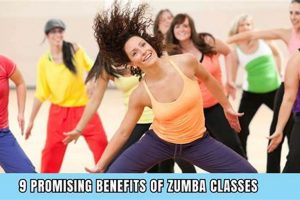
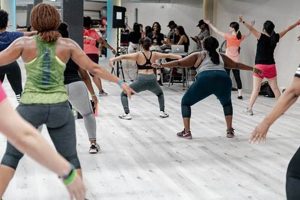
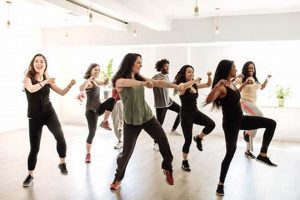
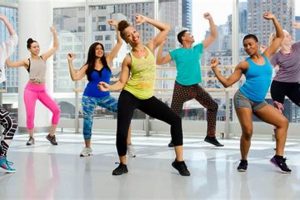
These group fitness sessions blend Latin-American rhythms and dance moves to create a dynamic workout. The routines incorporate interval training, alternating between fast and slow rhythms, and resistance training. The sessions are designed to be accessible to individuals of varying fitness levels, promoting an engaging and inclusive environment.
Participation offers numerous advantages, including improved cardiovascular health, increased muscular endurance, and enhanced coordination. The energetic nature of the activity contributes to stress reduction and promotes a positive mood. Its roots are found in the fusion of aerobics and Latin dance, emerging as a popular fitness trend that prioritizes enjoyment and accessibility.
The following sections will further explore specific dance styles integrated within the routines, the typical structure of a session, and modifications available to accommodate diverse physical abilities.
Guidance for Participating in Dance Fitness Programs
The following suggestions offer practical advice for individuals considering or currently participating in Latin-inspired dance fitness programs, designed to maximize benefits and minimize potential risks.
Tip 1: Prioritize Proper Footwear. Athletic shoes with good lateral support are essential to protect ankles and knees from injury during the dynamic movements.
Tip 2: Hydrate Adequately. Consume sufficient water before, during, and after each session to maintain hydration levels and prevent muscle cramps.
Tip 3: Learn Basic Steps. Familiarize oneself with fundamental steps prior to attending sessions to enhance comprehension and reduce initial apprehension.
Tip 4: Modify Movements as Necessary. Adaptations to high-impact exercises are permissible and encouraged. Lower-intensity variations are available to suit individual fitness levels and physical limitations.
Tip 5: Listen to the Body. Rest and recovery are paramount. Discontinue activity immediately if pain or discomfort arises, and consult a medical professional as needed.
Tip 6: Understand Class Format. Gain familiarity with the general structure of a session, including warm-up, high-intensity segments, and cool-down periods, to better prepare for the experience.
Tip 7: Select Appropriate Attire. Wear comfortable, breathable clothing that allows for a full range of motion. Avoid overly restrictive garments that may impede movement.
Adherence to these recommendations will contribute to a safer and more effective experience, enabling individuals to reap the full rewards of participation.
The concluding section will provide resources for finding qualified instructors and reputable programs in the local community.
1. Dance-fitness Fusion

The essence of these sessions lies in its core identity as a dance-fitness fusion, a deliberate merging of choreographed dance routines with elements of traditional fitness methodologies. This blend defines its character and distinguishes it from purely dance-focused or exercise-oriented programs.
- Rhythmic Exercise:
Rhythmic exercise is a component of dance-fitness fusion, and refers to structured movements performed to music. These movements enhance cardiovascular health and muscular endurance. For instance, routines that involve repetitive steps and arm movements elevate heart rate while engaging major muscle groups, mirroring the benefits of traditional aerobic exercises. This integration ensures a workout that is both physically effective and creatively engaging.
- Choreographed Interval Training:
This element incorporates interval training principles into dance routines. Alternating between high-intensity dance sequences and lower-intensity recovery periods enhances cardiovascular fitness and calorie expenditure. For example, a high-energy salsa sequence might be followed by a slower cumbia section, providing a built-in recovery phase. This strategic alternation maximizes workout effectiveness while maintaining participant engagement.
- Movement Variety:
This includes diverse dance styles, such as salsa, merengue, cumbia, and reggaeton. Each style contributes unique movement patterns, engaging different muscle groups and improving coordination. The combination of varied steps ensures a well-rounded workout that prevents repetitive strain injuries and keeps participants engaged. This approach caters to a wide range of fitness goals and preferences.
- Social Interaction:
The group fitness format fosters a sense of community and social interaction. Participants exercise together, creating a supportive environment. Group classes motivate individuals to adhere to fitness routines. Positive social dynamics enhance the overall exercise experience. This aspect is essential for sustaining engagement.
The facets of dance-fitness fusion contribute to the overall appeal of the program. The combination of fitness and social interaction ensures an enjoyable and beneficial fitness experience. This approach attracts participants of various fitness levels, further emphasizing its versatility and accessibility.
2. Latin-inspired rhythms

Latin-inspired rhythms constitute a foundational element of the dance fitness sessions, exerting a direct influence on its structure and effectiveness. The integration of musical styles such as salsa, merengue, cumbia, and reggaeton provides the rhythmic framework upon which choreographed routines are built. This rhythmic foundation is not merely aesthetic; it dictates the tempo, movement patterns, and overall intensity of the physical activity. For example, a salsa rhythm encourages rapid footwork and hip movements, engaging core muscles and improving coordination. The selection and arrangement of these rhythms are instrumental in achieving the intended cardiovascular and muscular benefits.
The application of these rhythms extends beyond simple musical accompaniment. Instructors utilize the rhythmic variations within each style to cue transitions between exercises, ensuring a seamless flow from one movement to the next. Consider the transition from a high-energy reggaeton segment to a slower cumbia segment. The rhythmic shift serves as an audible signal for participants to adjust their pace and movement style, maintaining engagement while allowing for a period of active recovery. The effective use of these rhythms requires instructors to possess a deep understanding of both the musical characteristics and the corresponding physical demands they impose. The rhythmic shifts are not arbitrary; they are strategically employed to maximize the physiological impact of the workout.
In summary, Latin-inspired rhythms are an essential driver, shaping the experience. The effective utilization of these rhythms requires instructors with in-depth expertise. Challenges exist in adapting complex rhythmic patterns to accommodate participants with varying levels of coordination and musicality. A comprehensive understanding of the rhythmic foundations is necessary for optimizing participant engagement and maximizing the fitness benefits of dance fitness sessions.
3. Interval training format

The integration of interval training within these dance fitness sessions contributes significantly to their effectiveness as a comprehensive workout. This format alternates between periods of high-intensity activity and periods of lower-intensity activity or rest, optimizing cardiovascular benefits and caloric expenditure.
- Elevated Heart Rate Zones
High-intensity intervals within the dance routines elevate heart rates into target zones, stimulating cardiovascular conditioning. For example, a sequence involving rapid salsa steps and arm movements pushes the heart rate upwards, improving cardiovascular function. Sustained intervals within these zones are essential for achieving measurable gains in aerobic capacity.
- Active Recovery Periods
The lower-intensity sections serve as active recovery periods, allowing participants to recover partially while maintaining movement. A transition from a high-energy reggaeton segment to a slower cumbia routine exemplifies active recovery. This allows for sustained workout duration while preventing excessive fatigue. The strategic integration of active recovery is crucial for optimizing performance.
- Caloric Expenditure Maximization
The intermittent nature of the format promotes greater caloric expenditure compared to steady-state exercise. The body works harder to recover from high-intensity bursts, resulting in an increased metabolic rate during and after the session. This aspect is beneficial for individuals seeking weight management or improved body composition.
- Enhanced Muscular Endurance
The repetitive execution of dance movements during intervals enhances muscular endurance. The muscles involved in these movements adapt to withstand prolonged periods of activity. Improved muscular endurance translates to increased stamina for daily activities and other forms of exercise.
The deliberate implementation of interval training principles is integral to the fitness outcomes. The format strategically challenges the cardiovascular system and promotes efficient calorie burning. An understanding of interval training is essential for instructors in the design and delivery of effective dance fitness sessions. The combination of dance and interval training maximizes physical conditioning while ensuring a dynamic and engaging workout experience.
4. Cardiovascular benefits

Participation in such dance fitness sessions offers significant cardiovascular advantages, stemming from the continuous and varied movements inherent in the routines. The elevated heart rate and increased blood flow associated with the activity contribute to improved cardiac function and overall vascular health.
- Improved Aerobic Capacity
The sustained physical activity during these sessions challenges the cardiorespiratory system, leading to enhanced aerobic capacity. For example, regular participation enables individuals to perform activities requiring sustained exertion, such as climbing stairs or walking long distances, with reduced fatigue. The increased efficiency of oxygen utilization translates to improved endurance and overall physical performance.
- Reduced Resting Heart Rate
Consistent engagement can lead to a lower resting heart rate, an indicator of improved cardiovascular efficiency. A lower resting heart rate suggests that the heart is working more efficiently to pump blood throughout the body. This adaptation reduces strain on the heart muscle and contributes to long-term cardiovascular health.
- Lower Blood Pressure
Regular participation can contribute to lower blood pressure levels, mitigating a significant risk factor for cardiovascular disease. The rhythmic movements and aerobic demands promote vasodilation, or widening of blood vessels, which reduces resistance to blood flow. Lowering blood pressure reduces the risk of stroke, heart attack, and other cardiovascular complications.
- Increased HDL Cholesterol
The activity promotes an increase in high-density lipoprotein (HDL) cholesterol, often referred to as “good” cholesterol. HDL cholesterol helps remove low-density lipoprotein (LDL) cholesterol, or “bad” cholesterol, from the arteries. Higher levels of HDL cholesterol are associated with a reduced risk of heart disease.
These facets illustrate the interconnectedness between participation and enhanced cardiovascular well-being. The rhythmic, engaging nature of the sessions fosters adherence, resulting in sustained benefits. This aligns with public health recommendations for regular physical activity aimed at preventing cardiovascular disease and promoting overall health.
5. Coordination Improvement

These dance fitness sessions inherently necessitate and cultivate coordination, integrating various movement patterns with rhythmic music. This demand for synchronization between auditory cues and physical responses contributes significantly to enhanced motor skills and body awareness.
- Enhanced Proprioception
Proprioception, or the awareness of body position and movement in space, is actively engaged. Routines require participants to execute specific steps and transitions, reinforcing the connection between the mind and body. Improved proprioception translates to better balance, agility, and reduced risk of injury in daily activities.
- Improved Motor Planning
The need to learn and execute choreographed sequences promotes motor planning abilities. Participants must anticipate and prepare for subsequent movements, enhancing cognitive function related to motor control. This improved motor planning extends beyond the fitness session, positively impacting tasks requiring sequential actions.
- Rhythmic Synchronization
The act of synchronizing movements with the music fosters rhythmic synchronization, improving timing and coordination. Participants learn to match their steps and gestures to the beat, enhancing auditory-motor integration. This synchronization extends to other activities involving rhythm and timing, such as playing musical instruments or participating in other dance forms.
- Cross-Lateral Coordination
Many routines incorporate cross-lateral movements, engaging both sides of the body in a coordinated manner. These movements stimulate communication between the left and right hemispheres of the brain, enhancing cognitive function and coordination. Improved cross-lateral coordination can benefit tasks such as writing, reading, and sports activities.
The facets of coordination underscore the holistic benefits derived from participation. The continuous demands of synchronizing movement with music and executing complex routines foster enhanced motor skills. These improvements extend beyond the confines of the sessions, positively impacting various aspects of daily life.
6. Group fitness setting
The group fitness setting is an integral component of these dance-based exercise classes, significantly influencing participant motivation, adherence, and overall experience. The shared environment creates a social dynamic that fosters camaraderie and mutual support, contributing to increased engagement and reduced feelings of isolation often associated with individual exercise routines. The presence of other individuals working towards similar fitness goals provides a sense of accountability, encouraging consistent attendance and sustained effort during sessions. For instance, individuals may feel more motivated to push themselves during challenging routines when surrounded by other participants demonstrating similar commitment.
The structure of the group setting within these classes also facilitates learning and skill development. Participants can observe and emulate the movements of both the instructor and other attendees, leading to improved technique and confidence. This visual learning process is particularly beneficial for individuals who are new to dance or fitness activities. Moreover, the instructor can provide generalized feedback and encouragement to the entire group, creating a positive and inclusive atmosphere. The communal energy generated within the group amplifies the enjoyment of the exercise experience, transforming it from a solitary chore into a social and engaging activity.
In summary, the group fitness setting is not merely an incidental aspect but rather a fundamental driver of the success and appeal of these dance exercise sessions. The social interaction, peer support, and enhanced learning environment collectively contribute to increased motivation, adherence, and overall well-being. Understanding the practical significance of this setting is crucial for instructors and participants alike, enabling them to maximize the benefits of these dynamic and engaging fitness programs.
7. Accessible modifications

The provision of accessible modifications represents a critical element in ensuring the inclusivity and widespread appeal of dance fitness sessions. These adaptations enable individuals of varying fitness levels, physical abilities, and limitations to participate safely and effectively, expanding the reach and benefits of the program.
- Low-Impact Alternatives
Low-impact alternatives are a cornerstone of accessible modifications. These variations replace high-impact movements, such as jumping or running, with gentler options, such as stepping or marching. This adaptation reduces stress on joints and minimizes the risk of injury, enabling individuals with joint pain or mobility limitations to participate without exacerbating their conditions. For example, a jumping jack can be modified into a step-out jack, maintaining the cardiovascular benefit while reducing impact.
- Adjustable Intensity
The intensity can be adjusted to accommodate different fitness levels. Participants can modify the range of motion, speed of movements, or the addition of weights to tailor the workout to their individual capacity. Individuals new to exercise or those with limited stamina can reduce the range of motion or slow down the pace, gradually increasing the intensity as their fitness improves. This adaptive approach ensures that the workout remains challenging yet manageable for all participants.
- Seated Variations
Seated variations provide opportunities for individuals with mobility impairments or balance issues to participate fully. These modifications adapt standing routines into seated exercises, enabling individuals to engage their upper body and core while minimizing the risk of falls. Seated variations allow individuals to experience the benefits of dance fitness regardless of their mobility limitations, fostering a sense of inclusion and empowerment.
- Step-by-Step Instruction
Clear and step-by-step instruction is essential for facilitating accessible modifications. Instructors should provide verbal cues and visual demonstrations of both the standard and modified versions of each movement. This ensures that participants understand the options available to them and can choose the modifications that best suit their needs. Clear communication promotes a safe and supportive environment, encouraging participants to exercise at their own pace and within their own physical limitations.
These diverse facets highlight the proactive measures taken to facilitate inclusivity in dance fitness. The provision of low-impact alternatives, adjustable intensity, seated variations, and clear instruction underscores the commitment to making these fitness sessions accessible to a wider population. The adaptive nature of these modifications ensures that individuals of all abilities can reap the physical, social, and emotional benefits of dance fitness, promoting a more inclusive and equitable fitness landscape.
Frequently Asked Questions About Dance Fitness Sessions
The following section addresses common inquiries and misconceptions regarding dance-based fitness activities. The information provided aims to offer clarity and promote a comprehensive understanding of the programs.
Question 1: Are prior dance experience or a high level of fitness prerequisites for participation?
Prior dance experience is not required. Programs are designed to be accessible to individuals of all fitness levels. Instructors typically provide modifications to accommodate varying abilities.
Question 2: What specific attire and footwear are recommended for participation?
Comfortable, breathable clothing that allows for a full range of motion is advised. Athletic shoes with good lateral support are essential to protect ankles and knees.
Question 3: What are the potential risks associated with participation, and how can they be mitigated?
Potential risks include muscle strains, sprains, and dehydration. Mitigation strategies involve proper warm-up, adequate hydration, appropriate footwear, and awareness of individual physical limitations.
Question 4: How does dance exercise compare to traditional forms of cardiovascular exercise?
Dance exercise provides comparable cardiovascular benefits to traditional forms of aerobic exercise. The engaging nature of dance can enhance motivation and adherence, potentially leading to greater long-term results.
Question 5: Are these sessions suitable for individuals with pre-existing medical conditions?
Individuals with pre-existing medical conditions should consult with a healthcare professional prior to participating. Modifications may be necessary to accommodate specific health concerns.
Question 6: How can individuals locate qualified instructors and reputable dance fitness programs in their local area?
Recommendations can be obtained from local fitness centers, community organizations, and online directories. Verifying instructor certifications and reading reviews from other participants are advised.
These responses address fundamental concerns regarding the nature and safety of participation. Understanding these aspects is crucial for making informed decisions about engaging in such fitness activities.
The subsequent section will provide a comparative analysis of various dance fitness styles, highlighting their unique characteristics and benefits.
Concluding Observations Regarding Dance Fitness Sessions
This exploration has illuminated the core tenets of what are zumba classes, emphasizing its fusion of dance and fitness, the influence of Latin rhythms, the implementation of interval training, cardiovascular advantages, coordination development, the role of group dynamics, and the integration of accessible modifications. These elements collectively define the program’s unique character and broad appeal.
The documented benefits and inherent accessibility suggest a valuable avenue for promoting physical activity across diverse populations. Continued research and refinement of training methodologies are warranted to further optimize its impact on public health and individual well-being.