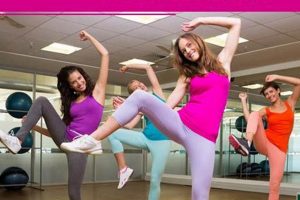
The most effective musical selections for energetic fitness routines often feature a high tempo and rhythms conducive to movement. These selections are vital for maintaining participant engagement and maximizing the physical benefits derived from activities like group fitness classes. A successful playlist should inspire and motivate individuals to maintain an elevated level of exertion.
Proper music selection is crucial to optimizing the experience of choreographed fitness programs. The auditory stimuli directly impact participant energy levels, mood, and overall commitment to the exercise regimen. Historically, the use of such rhythmic accompaniment has been a cornerstone of both recreational and structured physical activities. The right beats can significantly boost the effectiveness of a workout, encouraging greater participation and improved fitness outcomes.
Considerations for crafting effective music playlists include tempo, genre, and rhythmic complexity. Specific musical qualities can greatly enhance the overall workout experience. Further discussion will explore the considerations for selecting appropriate music choices.
Tips for Selecting Energetic Fitness Rhythms
Effective music selection plays a pivotal role in maximizing the impact of rhythmic exercise. Prioritize musical attributes that are highly correlated with elevated energy levels and sustained participant engagement.
Tip 1: Tempo Matters: Select tracks with a beats per minute (BPM) that aligns with the target intensity of the workout. Higher intensity movements typically benefit from music in the range of 130-145 BPM.
Tip 2: Embrace Diverse Genres: Incorporate a variety of musical styles from around the globe. Such diversity maintains interest and broadens the appeal of the class.
Tip 3: Prioritize Rhythmic Drive: Choose songs that have a strong, consistent beat, making it easy for participants to follow the choreography. Syncopation, when appropriate, adds interest but should not detract from the underlying rhythm.
Tip 4: Consider Music Structure: Select songs with clear sections, such as verses and choruses. This distinct structure will aid in choreographing routines and anticipating transitions within a workout.
Tip 5: Monitor Song Length: Implement songs of appropriate duration to fit segments of the workout. Overly long selections may lead to monotony, while overly short selections will interrupt the flow of activity.
Tip 6: Test Before Implementing: Ensure proper audio quality of a selected playlist. Distorted sound diminishes the experience and may impair participants ability to follow choreography.
Tip 7: Regularly Update Playlist: Rotate musical selections to prevent participants from habituating to routines and, thus, prevent disengagement.
The mindful application of these tips will contribute significantly to the enhanced physical experience and promote increased engagement in structured fitness activity.
With careful planning, the musical element can be optimized to create a more enjoyable and motivating atmosphere for all participants.
1. Tempo Alignment

Tempo alignment represents a critical aspect of selecting music for energetic fitness routines. The correspondence between a song’s tempo, measured in beats per minute (BPM), and the intended intensity of the physical activity significantly affects participant engagement and exercise effectiveness. Selecting music with a tempo that complements the choreography and target energy level is therefore essential.
- Physiological Synchronization
A song’s BPM directly influences heart rate and perceived exertion. When music tempo is appropriately aligned with the target intensity, it facilitates synchronization between the rhythm and the body’s natural movement patterns. For example, during high-intensity interval training (HIIT) portions of a fitness session, tracks with BPMs in the range of 135-145 can effectively elevate heart rate and metabolic demand. Inversely, lower BPM tracks (120-130 BPM) are suitable for warm-up or cool-down routines, fostering a gradual increase or decrease in physical exertion.
- Choreographic Compatibility
Complex dance movements require specific rhythmic foundations. The tempo sets the framework within which choreography can be designed and executed effectively. Songs must provide rhythmic clarity, with clearly defined beats that allow participants to follow the movements precisely. A tempo that is either too fast or too slow can disrupt the flow of movement and hinder the ability of participants to synchronize with the music. Consider, for instance, a salsa-inspired routine. A tempo deviating significantly from the typical range of 160-220 BPM can render the choreography ineffective.
- Psychological Impact
The pace of music has a psychological effect on participants’ motivation and perceived enjoyment. A tempo appropriately aligned with the exercise intensity can create a sense of energy and excitement, contributing to a more positive and engaging workout experience. Conversely, mismatched tempo can lead to feelings of frustration or fatigue. A fast-paced song used during a low-intensity segment of the workout might create an overwhelming feeling, while a slow-tempo song during high-intensity intervals could lead to a lack of motivation.
- Adherence and Retention
When music selection is thoughtfully considered, the workout becomes more enjoyable, leading to increased adherence and retention rates. Participants are more likely to return to classes in which they feel engaged and motivated. The right tempo not only helps with the physical execution of the movements but also enhances the overall experience. This creates a positive association with the fitness routine, thereby fostering commitment and long-term participation.
In summary, tempo alignment is a multifaceted consideration that spans physiological, choreographic, psychological, and behavioral dimensions. Effective implementation of tempo alignment within a music selection strategy translates directly into optimized workout experiences, increased participant satisfaction, and enhanced fitness outcomes. It transforms routine exercises into more engaging activities, boosting motivation and long-term commitment.
2. Genre Variety

The incorporation of diverse musical styles is pivotal in curating effective rhythmic exercise experiences. Genre variety, in the context of identifying appropriate musical elements, ensures broader participant engagement, mitigates potential boredom, and provides exposure to diverse cultural expressions.
- Cultural Enrichment
Genre diversification facilitates an introduction to various global musical traditions. For instance, including Latin rhythms such as Salsa, Merengue, and Reggaeton alongside Afrobeat and Bollywood influences exposes participants to distinct cultural forms. This not only enhances the auditory experience but also contributes to a broader appreciation for global diversity. Ignoring genre variety limits the opportunities for this cultural interaction.
- Enhanced Engagement
Variety in musical styles is directly correlated with enhanced participant interest and motivation. Repetitive exposure to a singular genre often leads to diminished engagement over time. The introduction of different rhythms, melodies, and instrumentation keeps the workout experience dynamic and stimulating. Failure to diversify may lead to monotony, potentially causing attrition and diminishing participation rates.
- Expanded Choreographic Possibilities
Each musical genre inherently possesses distinct rhythmic structures and movement patterns. Incorporating a range of genres provides instructors with a broader palette for choreography design. This allows for the creation of more complex and varied routines, maximizing the exercise potential of each session. Restriction to limited genres constrains the creative range and may result in less effective workout routines.
- Broader Appeal
Musical preferences vary widely among individuals. An inclusive approach to genre selection maximizes the likelihood of appealing to a more diverse demographic. This inclusivity not only broadens class participation but also cultivates a more welcoming and supportive environment. Overlooking varied preferences may alienate potential participants and limit the overall reach of the exercise program.
In summary, the integration of diverse musical genres is integral to optimizing engagement and cultural relevance, which are important qualities of excellent rhythmic workouts. A commitment to variety expands the choreographic possibilities and broadens the appeal, fostering sustained participation and maximizing the overall workout experience.
3. Rhythmic Clarity

Rhythmic clarity is a cardinal attribute of effective musical selections designed for group exercise, particularly in the context of dance-based fitness formats. It refers to the discernibility and predictability of the underlying rhythmic structure within a musical piece, a feature of paramount importance for synchronized movement and participant engagement.
- Beat Definition and Followability
The ease with which the underlying beat can be identified and followed is central to rhythmic clarity. Songs featuring strong, unambiguous percussion lines and consistent tempo facilitate accurate synchronization of movement among participants. For example, a track with a prominent kick drum and a clear snare pattern provides a readily identifiable rhythmic framework. Conversely, music with complex polyrhythms or indistinct percussion may hinder synchronicity and impede the ability of participants to follow the choreography.
- Phrase Structure and Predictability
Predictable phrase structures contribute significantly to rhythmic clarity. Musical phrases, typically consisting of four or eight bars, allow participants to anticipate upcoming movements and transitions. Songs that adhere to conventional phrase structures, with clear introductions, verses, choruses, and bridges, provide a familiar and predictable rhythmic landscape. Music with irregular phrase lengths or abrupt shifts in time signature can disrupt this predictability, increasing the cognitive load required to follow the choreography.
- Instrumentation and Arrangement
Instrumentation and arrangement play a crucial role in establishing rhythmic clarity. Songs featuring a clear separation of musical elements, with distinct roles assigned to each instrument, enhance the overall intelligibility of the rhythmic structure. For instance, a song with a prominent bass line and a clear separation between melodic and percussive elements will promote rhythmic awareness. Conversely, music with densely layered instrumentation or muddied arrangements can obscure the rhythmic foundation.
- Mixing and Mastering Quality
The quality of the mixing and mastering process directly affects rhythmic clarity. Songs that have been professionally mixed and mastered typically exhibit a well-balanced frequency spectrum and a clearly defined stereo image, which enhances the audibility of the rhythmic elements. Conversely, poorly mixed or mastered tracks may suffer from muddiness, distortion, or excessive compression, all of which can degrade rhythmic clarity and impede the ability of participants to follow the music.
The integration of these facets of rhythmic clarity ensures that musical selections facilitate ease of movement, enhance coordination, and promote a more engaging and accessible group exercise experience. Music with strong rhythmic clarity is more likely to motivate participants, improve their confidence, and encourage sustained participation in physical activity.
4. Motivation
The selection of music exerts a significant influence on participants’ intrinsic motivation within dance-based fitness programs. Appropriate music can enhance energy levels, reduce perceived exertion, and foster a more positive attitude toward exercise. Motivation, in this context, is not merely a fleeting emotion but a sustained internal drive that promotes adherence and consistent participation.
The tempo, genre, and lyrical content of musical selections each contribute to motivational outcomes. Uptempo tracks, particularly those with a strong, driving beat, can stimulate physical activity by encouraging participants to move with greater intensity. Genre selection, when aligned with the preferences of the target demographic, can evoke positive emotional responses, increasing enjoyment and reducing the likelihood of disengagement. Positive affirmations or uplifting messages in lyrics can further reinforce motivation, instilling a sense of accomplishment and self-efficacy. For example, a fitness class featuring Latin-inspired music may experience increased participation among individuals with cultural ties to those genres, demonstrating the power of familiar and culturally relevant music to promote motivation. Furthermore, the arrangement of a playlist, with gradual increases in tempo and intensity, can mirror the progression of the workout, helping participants to maintain motivation throughout the session.
Conversely, inappropriate music choices can undermine motivation, leading to decreased participation and potential attrition. Monotonous rhythms, unfamiliar genres, or negative lyrical themes can detract from the workout experience, resulting in feelings of boredom, frustration, or even discouragement. For sustained adherence, the selection of energizing tunes becomes an essential component, requiring careful attention to tempo, genre, lyrical content, and overall arrangement. The outcome of this mindful selection improves both physical experience and promotes increased engagement in fitness activities.
5. Cultural Relevance

The notion of cultural relevance is essential when evaluating optimal musical choices for rhythmic fitness regimens. Musical selections that resonate with participants’ cultural backgrounds or lived experiences enhance engagement, foster a sense of belonging, and promote more meaningful connection to the exercise activity. Consideration of cultural context involves selecting tracks that incorporate familiar rhythms, melodies, and linguistic elements, resulting in a more inclusive and motivating environment. For instance, utilizing Soca music in a Caribbean-themed class would enhance the experience for individuals familiar with this style. Conversely, neglecting cultural considerations may lead to feelings of exclusion or alienation, hindering participation rates. This becomes a vital aspect when choosing dance songs.
The impact of culturally relevant selections is exemplified in classes catering to specific demographics. The incorporation of K-Pop rhythms in sessions targeting younger audiences or the integration of Bollywood soundtracks in fitness programs designed for individuals of South Asian descent illustrate the practical application of these principles. In each instance, the use of music that aligns with participants’ cultural identities fosters a sense of familiarity and comfort, facilitating greater immersion in the exercise activity. This method creates an inviting setting where people feel appreciated and energized to participate.
Therefore, a mindful approach to cultural relevance is critical when selecting tracks for rhythmic fitness routines. Failure to account for the cultural composition of the target audience undermines the potential for creating a motivating and inclusive exercise environment. By intentionally incorporating musical elements that resonate with participants’ cultural backgrounds, instructors can foster a stronger sense of community and enhance the overall experience, ultimately leading to greater adherence and improved fitness outcomes. It creates a workout setting in which participants feel more connected, motivated, and appreciated.
6. Energy Level

Energy level is a pivotal element that determines the effectiveness of musical selections for dance fitness programs. The capacity of a song to elicit or maintain elevated physical and mental energy in participants directly influences their engagement, performance, and overall workout satisfaction. Rhythmic qualities, tempo, instrumentation, and sonic characteristics all impact the perceived and actual energy levels experienced during physical activity. For example, tracks with driving percussion and a quick tempo produce a higher energy level, encouraging more vigorous movement and greater calorie expenditure.
The absence of adequate energy levels in musical selections can result in decreased motivation, reduced physical exertion, and a less engaging workout. Conversely, tunes that generate enthusiasm may inspire individuals to push beyond perceived limitations, leading to enhanced cardiovascular and muscular endurance. Energy levels dictate the success of a fitness activity. Consideration must be given to dynamics as well as tempo. In practice, the energetic effect is amplified by the strategic placement of tracks within a workout playlist to create dynamic wave action of intensity.
Consideration of energy levels proves vital to selecting appropriate music for rhythmic fitness workouts. Failing to account for this component can diminish the efficacy of a workout. The energy level impacts performance and workout satisfaction. By selecting songs with an appropriate profile, fitness instructors can maximize participant engagement and promote positive long-term participation. Therefore, the success of the experience relies on this.
7. Choreography Suitability

Choreography suitability is a crucial determinant of effective musical selections for rhythmic exercise routines. The inherent compatibility between the structure and tempo of a song and the planned movements directly affects participant engagement and the overall efficacy of the workout.
- Rhythmic Alignment with Movement
The rhythmic framework of the musical selection must align seamlessly with the planned choreography. Songs with consistent and predictable rhythms are best suited for routines involving complex or synchronized movements. For instance, a salsa-inspired workout benefits from tracks adhering to a standard clave rhythm, facilitating accurate execution of dance steps. Songs with irregular time signatures or unpredictable rhythmic variations may prove difficult to choreograph and follow.
- Tempo Compatibility with Intensity
The tempo, measured in beats per minute (BPM), must be appropriate for the target intensity of the workout segment. Higher-intensity segments require tracks with a faster tempo to elevate heart rate and increase caloric expenditure. Conversely, warm-up or cool-down routines benefit from slower tempos that promote gradual transitions and recovery. Selecting songs with tempos that do not align with the intended intensity can compromise the effectiveness of the exercise and reduce participant engagement.
- Structural Compatibility with Choreographic Phrasing
The song’s structural elements, such as verses, choruses, and bridges, should align with the planned choreographic phrasing. Songs with clear and distinct sections provide natural transition points for movement variations, facilitating a cohesive and engaging workout experience. Selecting songs with disjointed or unpredictable structures can disrupt the flow of the routine and hinder the ability of participants to follow the choreography.
- Mood and Emotional Resonance
The overall mood and emotional tone of the musical selection must complement the intended aesthetic and motivational goals of the class. Upbeat and energetic tracks are suitable for high-intensity workouts, while more mellow or introspective songs can enhance the relaxation and mindfulness components of a cool-down routine. Selecting songs with discordant or conflicting emotional tones can distract from the intended benefits of the exercise and reduce participant enjoyment.
Effective choreographic suitability ensures that music complements the physical movements and overall objectives of a dance workout. It represents the degree to which a song’s rhythmic qualities and emotional tone match. Ultimately, tracks considered “best zumba dance songs” are those that optimally reflect choreographic potential, and enhance the experience and effectiveness of the routines.
Frequently Asked Questions
This section addresses common inquiries regarding the selection and application of appropriate music for Zumba and other dance-based fitness programs.
Question 1: What characteristics define “best zumba dance songs”?
Optimal music selections for Zumba possess a high tempo, distinct rhythmic patterns conducive to movement, and cultural relevance to the target audience. They facilitate synchronicity between movement and music, enhance participant engagement, and promote an enjoyable workout experience.
Question 2: How does tempo impact the effectiveness of musical selections?
Tempo, measured in beats per minute (BPM), directly affects the physiological response to exercise. Higher tempos elevate heart rate and energy expenditure, while slower tempos are more suitable for warm-up or cool-down segments. The ideal tempo depends on the specific choreography and intensity level of the workout.
Question 3: Why is genre variety important when selecting music for Zumba?
Genre variety mitigates monotony and enhances participant engagement. The incorporation of diverse musical styles, such as Latin rhythms, hip-hop, and international genres, caters to a wider range of preferences and exposes participants to various cultural expressions.
Question 4: How does rhythmic clarity contribute to a successful Zumba class?
Rhythmic clarity ensures that the underlying beat is easily discernible and predictable, facilitating accurate synchronization of movement. Songs with strong percussion lines, consistent tempos, and clear phrase structures promote a cohesive and engaging workout experience.
Question 5: Does lyrical content play a role in selecting appropriate music for Zumba?
Lyrical content can influence participant motivation and emotional state. Positive, uplifting messages or lyrics that align with the cultural context of the class can enhance engagement. However, explicit or offensive content should be avoided to maintain a welcoming and inclusive environment.
Question 6: How frequently should music playlists be updated?
Regularly updating music playlists is essential to prevent participant habituation and maintain engagement. Periodic rotation of songs ensures that the workout experience remains fresh and stimulating, contributing to long-term adherence.
The mindful selection of music, accounting for tempo, genre, rhythmic clarity, lyrical content, and cultural relevance, is paramount to creating an engaging and effective Zumba experience. These factors should be carefully considered to optimize participant satisfaction and fitness outcomes.
The subsequent sections of this material will delve into practical considerations for instructors to optimize musical choices within the Zumba fitness environment.
Conclusion
The preceding analysis emphasizes the multifaceted nature of musical selections deemed suitable for dance-based fitness programs. Several elements determine its suitability to enhance performance, and contribute to participant satisfaction and adherence. Proper consideration for tempo, rhythmic clarity, cultural relevance, and lyrical content are required. Failure to acknowledge these will produce suboptimal workout experiences.
Ultimately, thoughtful consideration of these elements remains crucial in optimizing rhythmic exercise. The long-term success depends on the selection.
![Top-Rated: Best Zumba Dance App [2024 Guide] | The Ultimate Zumba Guide: Dance Your Way to a Healthier You](https://mamazumba.com/wp-content/uploads/2025/12/th-16-300x200.jpg "Top-Rated: Best Zumba Dance App [2024 Guide] The Ultimate Zumba Guide: Dance Your Way to a Healthier You")