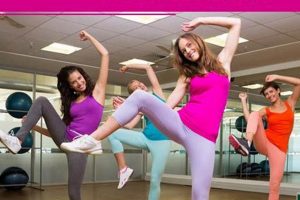
Footwear utilized during Zumba fitness activities requires specific characteristics to support the dynamic movements involved. These movements often include pivoting, lateral steps, and high-impact routines. The selection of appropriate footwear is pivotal for participant safety and performance.
Proper footwear can mitigate the risk of injuries such as ankle sprains, shin splints, and knee pain. The design facilitates ease of movement, allowing participants to execute dance steps with greater agility and precision. Historically, the selection of athletic footwear for dance-based fitness evolved from general athletic shoes to models specifically engineered for studio environments.
The following sections will explore key features to consider when choosing appropriate footwear, examine different types of shoes suitable for Zumba, and provide guidance on maintenance and care to extend the lifespan of dance fitness shoes.
Selecting Appropriate Footwear for Zumba Fitness
Choosing the correct footwear is crucial for a safe and effective Zumba experience. The following tips provide guidance in selecting shoes that optimize performance and minimize the risk of injury.
Tip 1: Prioritize Lateral Support: Zumba involves significant side-to-side movement. Footwear should offer robust lateral support to prevent ankle instability and injuries during these maneuvers. Consider shoes designed for cross-training or court sports.
Tip 2: Assess Sole Flexibility: The sole must allow for a wide range of motion, particularly at the forefoot. A flexible sole enables pivoting and turning without excessive stress on the joints. Test the shoe’s flexibility by attempting to bend it at the ball of the foot.
Tip 3: Consider a Low-Profile Design: Shoes with a lower profile generally offer better stability. Avoid excessively thick soles or platforms, as these can increase the risk of ankle rolling. A lower center of gravity enhances balance during dynamic movements.
Tip 4: Evaluate Cushioning: Adequate cushioning is essential to absorb impact during high-energy Zumba routines. Look for shoes with responsive cushioning in the midsole to protect joints and reduce fatigue. The level of cushioning should be balanced to avoid excessive bulkiness.
Tip 5: Opt for Breathable Materials: Zumba can be a high-intensity workout, leading to increased perspiration. Footwear constructed from breathable materials such as mesh helps to keep feet cool and dry, reducing the risk of blisters and fungal infections.
Tip 6: Ensure Proper Fit: The shoe should fit snugly but not too tightly. Allow for approximately a thumb’s width of space between the longest toe and the end of the shoe. A proper fit prevents slippage and reduces the risk of blisters.
Tip 7: Test on a Dance Surface: Whenever possible, try the shoes on a surface similar to the one used in Zumba classes. This will allow assessment of the shoe’s grip and how it performs during dance-specific movements like pivots and turns.
Adhering to these guidelines will improve the Zumba experience by promoting comfort, stability, and injury prevention.
The concluding section will summarize key points and offer final considerations for selecting optimal dance fitness footwear.
1. Lateral Support

Lateral support, in the context of footwear for Zumba fitness, is a critical design element influencing participant safety and effectiveness. The dynamic nature of Zumba, characterized by rapid lateral movements and frequent changes in direction, places substantial stress on the ankles and feet. Insufficient lateral support in footwear increases the risk of ankle sprains, instability, and other lower extremity injuries. The footwear must provide reinforcement along the sides to counteract excessive pronation or supination during these movements.
Shoes specifically designed for cross-training or court sports often incorporate features that enhance lateral support, such as reinforced overlays, supportive midsoles, and wider outsoles. These features work synergistically to stabilize the foot and prevent excessive inward or outward rolling. For instance, a shoe with a TPU (thermoplastic polyurethane) cage around the midfoot provides a rigid structure that restricts lateral movement, thereby reducing the risk of injury. The omission of adequate lateral support can lead to compensatory movements in other joints, potentially resulting in knee or hip pain over time.
Therefore, when evaluating footwear for Zumba, the presence and quality of lateral support mechanisms are paramount. Selecting shoes that offer substantial lateral stability is a fundamental step in mitigating injury risk and enhancing performance during this type of high-energy dance fitness activity. This aspect, coupled with other considerations such as sole flexibility and cushioning, contributes to the overall suitability of footwear.
2. Sole Flexibility

Sole flexibility constitutes a crucial determinant in selecting appropriate footwear for Zumba fitness activities. The multifaceted movements intrinsic to Zumba, including pivots, turns, and slides, necessitate a shoe that allows for unrestrained foot articulation. A rigid sole impedes these actions, placing undue stress on joints and potentially leading to injuries such as plantar fasciitis or metatarsalgia. Footwear lacking adequate sole flexibility demands greater effort to perform routine steps, thereby decreasing efficiency and increasing fatigue. Conversely, a flexible sole facilitates natural foot movement, allowing dancers to execute steps with precision and reduced strain. Shoes designed with segmented outsoles or flexible materials, such as certain types of rubber compounds, specifically address this need.
The impact of sole flexibility extends beyond injury prevention; it also influences performance quality. Dancers wearing shoes with overly stiff soles often compensate by altering their technique, which can lead to incorrect form and reduced effectiveness. For example, a pivot executed in inflexible footwear may result in an unstable stance, compromising balance and increasing the risk of falls. Footwear brands increasingly incorporate specific flex grooves and articulated designs into the outsoles of their Zumba-appropriate shoes to enhance flexibility without sacrificing structural integrity. The implementation of these design features acknowledges the critical interplay between footwear and movement mechanics in high-intensity dance fitness.
In summary, sole flexibility serves as a foundational element in footwear tailored for Zumba. Its presence directly correlates with reduced injury risk, enhanced performance capabilities, and improved comfort during dance routines. The importance of sole flexibility cannot be overstated when considering the complex biomechanical demands of Zumba fitness, highlighting its significance in the pursuit of effective and safe participation.
3. Impact Absorption

Impact absorption, a fundamental characteristic of suitable Zumba footwear, directly influences participant well-being and performance. Zumba routines involve repetitive high-impact movements, which generate substantial force on the lower extremities. Inadequate impact absorption in footwear results in the transmission of these forces to the joints, potentially leading to stress fractures, shin splints, and knee pain. Effective impact absorption mitigates these risks by dissipating the force of each foot strike, thereby reducing the load on bones, ligaments, and tendons. The choice of materials and the structural design of the midsole significantly contribute to the shoe’s capacity for impact absorption.
Footwear with advanced cushioning technologies, such as gel inserts, air pockets, or specialized foam compounds, demonstrates enhanced impact absorption capabilities. For example, shoes incorporating ethylene-vinyl acetate (EVA) or polyurethane (PU) midsoles offer a balance of cushioning and responsiveness, effectively attenuating impact forces while maintaining energy return. Real-world scenarios illustrate the importance of this feature: participants consistently engaging in Zumba with inadequate footwear report a higher incidence of lower extremity discomfort and injuries compared to those utilizing shoes with superior impact absorption. The practical significance lies in the ability to extend workout duration, reduce post-exercise soreness, and maintain long-term joint health.
In summary, impact absorption is a non-negotiable attribute in Zumba footwear. Its presence correlates directly with injury prevention and performance enhancement. Choosing shoes that prioritize impact absorption, through advanced materials and design, ensures a safer and more comfortable Zumba experience, thereby supporting long-term adherence to this form of physical activity. The careful consideration of impact absorption features proves essential for individuals seeking to maximize the benefits of Zumba while minimizing the risk of musculoskeletal issues.
4. Lightweight Design

Lightweight design in footwear directly influences performance and comfort during Zumba fitness activities. The weight of footwear significantly impacts agility and endurance, necessitating careful consideration when selecting shoes for this dynamic exercise.
- Reduced Energy Expenditure
Lighter shoes minimize the energy required to lift and move the feet during Zumba routines. This reduction in energy expenditure allows participants to maintain intensity for longer periods, enhancing workout effectiveness. Studies in exercise physiology confirm that footwear weight correlates directly with metabolic cost; therefore, a reduction in shoe weight leads to improved stamina. For example, a participant might perform 10% better in a class if their shoe is lighter vs a heavier shoe.
- Enhanced Agility and Speed
The lightweight construction promotes quicker footwork and more agile movements. Zumba often involves rapid changes in direction and complex dance steps. Heavier shoes can hinder these movements, increasing the risk of missteps and reducing overall agility. Lightweight shoe examples include shoes like Nike Free Metcon and Adidas Adizero. These shoe lines are known for prioritizing weight reduction.
- Decreased Muscle Fatigue
Lighter shoes contribute to decreased muscle fatigue in the lower extremities. The cumulative effect of lifting heavier shoes throughout a Zumba session can lead to muscle strain and premature fatigue. This fatigue can impact form and increase the likelihood of injury. Reducing shoe weight alleviates this strain, allowing muscles to function more efficiently and reducing the risk of overuse injuries.
- Improved Comfort
Lightweight materials often enhance overall comfort. Lighter shoes tend to be less bulky and offer a more natural feel, minimizing distractions and discomfort during Zumba classes. This enhanced comfort translates to improved focus and a more enjoyable workout experience. Breathable mesh uppers are often used in lightweight designs to maintain comfort and ventilation.
The combined benefits of reduced energy expenditure, enhanced agility, decreased muscle fatigue, and improved comfort underscore the importance of lightweight design in selecting Zumba footwear. The use of innovative materials and construction techniques to minimize weight without sacrificing support or cushioning is a key consideration for participants seeking optimal performance and injury prevention during Zumba fitness activities.
5. Breathable Material

The incorporation of breathable materials in footwear designed for Zumba fitness directly influences the maintenance of foot health and comfort. High-intensity Zumba routines induce significant perspiration, creating a warm, humid environment within the shoe. This environment fosters the proliferation of bacteria and fungi, thereby increasing the risk of foot infections such as athlete’s foot and the development of unpleasant odors. Breathable materials, such as mesh or perforated synthetic fabrics, facilitate air circulation within the shoe, allowing moisture to evaporate more efficiently.
The efficiency of moisture management provided by breathable materials contributes significantly to the overall comfort of the participant. Reduced moisture levels minimize friction between the foot and the shoe, thereby decreasing the likelihood of blisters and skin irritation. Shoes incorporating breathable uppers often exhibit improved temperature regulation, keeping the feet cooler during prolonged periods of vigorous activity. Consider the practical scenario: a participant engaging in a one-hour Zumba class without breathable footwear is more likely to experience discomfort, potential skin issues, and reduced performance due to the accumulating moisture. Conversely, a participant wearing shoes with breathable materials benefits from enhanced comfort, decreased risk of skin problems, and improved overall workout experience.
In summary, the use of breathable materials is a critical design consideration in the selection of appropriate Zumba footwear. The resulting improvement in moisture management and temperature regulation directly supports foot health, comfort, and performance, thereby underscoring the essential connection between breathable materials and optimal dance fitness footwear. The ability of these materials to mitigate the adverse effects of perspiration contributes significantly to a more hygienic and enjoyable Zumba experience.
6. Proper Fit

The importance of proper fit in footwear selected for Zumba fitness activities cannot be overstated. Fit serves as a foundational element, influencing not only comfort but also injury prevention and overall performance. Ignoring fit compromises the functional benefits of even the most technically advanced shoe designs.
- Toe Box Dimensions and Injury Prevention
Adequate space in the toe box prevents compression of the toes, reducing the risk of blisters, bunions, and neuromas. A shoe that is too narrow constricts the toes during repetitive movements, leading to friction and inflammation. Conversely, a toe box that is too wide allows the foot to slide, increasing the potential for instability and chafing. Properly fitted shoes accommodate natural toe splay during weight-bearing activities, promoting optimal foot mechanics and reducing injury potential.
- Heel Counter Security and Ankle Stability
A secure heel counter is essential for maintaining ankle stability during the rapid lateral movements characteristic of Zumba. The heel counter should snugly cradle the heel, preventing slippage and minimizing the risk of ankle sprains. Shoes with inadequate heel counters allow excessive pronation or supination, increasing stress on the ankle joint. A properly fitted heel counter ensures that the foot remains securely positioned within the shoe, enhancing balance and reducing the likelihood of injury.
- Arch Support Placement and Foot Alignment
Correct arch support placement aligns the foot properly, distributing weight evenly and reducing stress on the plantar fascia. Footwear with improperly placed or inadequate arch support can contribute to plantar fasciitis, heel spurs, and other foot problems. A properly fitted shoe provides support that corresponds to the individual’s arch type, maintaining optimal foot alignment and promoting efficient biomechanics during Zumba routines.
- Length Accommodation and Overall Comfort
The shoe’s length must accommodate the longest toe with approximately a thumb’s width of space to prevent toe jamming and toenail damage. A shoe that is too short forces the toes against the end of the shoe, causing pain and potential long-term damage. Conversely, a shoe that is too long allows the foot to slide forward, increasing the risk of blisters and instability. A properly fitted shoe provides adequate length, ensuring comfort and preventing foot-related injuries during Zumba activities.
In summary, the attainment of proper fit is paramount in the selection of footwear for Zumba. Attention to toe box dimensions, heel counter security, arch support placement, and length accommodation ensures optimal comfort, injury prevention, and performance. Footwear that neglects these fitting considerations compromises the functional benefits sought in dance fitness activities, emphasizing the importance of prioritizing fit above all other factors.
Frequently Asked Questions
The following section addresses common inquiries regarding footwear suitable for Zumba fitness activities. The information is presented to clarify concerns and misconceptions surrounding shoe selection for optimal performance and safety.
Question 1: Why is specific footwear necessary for Zumba, as opposed to standard athletic shoes?
Footwear designed for Zumba accommodates the lateral movements and pivoting inherent in the activity. Standard athletic shoes may lack the necessary flexibility and support, potentially increasing the risk of injury.
Question 2: What characteristics define a suitable sole for Zumba footwear?
A suitable sole exhibits flexibility, allowing for ease of movement during dance routines. Non-marking outsoles are also recommended to prevent damage to studio floors. Adequate grip should be balanced with the ability to slide and pivot smoothly.
Question 3: How important is ankle support in footwear for Zumba?
Ankle support is crucial to minimize the risk of sprains and instability. The footwear should provide adequate lateral support without restricting range of motion. A secure heel counter is essential for maintaining ankle stability.
Question 4: Can running shoes be used effectively for Zumba?
Running shoes are generally not recommended due to their focus on forward motion and excessive cushioning, which can impede lateral movement and stability. Cross-training shoes or dance sneakers are more appropriate choices.
Question 5: What materials are preferred for Zumba footwear to manage perspiration?
Breathable materials, such as mesh, are preferred to enhance ventilation and minimize moisture buildup within the shoe. This helps to reduce the risk of blisters and fungal infections.
Question 6: How frequently should Zumba footwear be replaced?
The replacement frequency depends on usage intensity and frequency. Visible signs of wear, such as diminished cushioning or reduced support, indicate the need for replacement. It is generally recommended to replace shoes every 3-6 months with regular use.
The selection of appropriate footwear for Zumba involves careful consideration of several factors, including flexibility, support, and breathability. Prioritizing these aspects enhances safety and performance.
The next section will provide concluding remarks and recommendations regarding optimal footwear choices for Zumba fitness participants.
Conclusion
The preceding analysis has illuminated the crucial role footwear plays in Zumba fitness activities. Lateral support, sole flexibility, impact absorption, lightweight design, breathable materials, and proper fit are not merely desirable features but essential elements that contribute to both performance enhancement and injury prevention. Disregarding these factors introduces unnecessary risks and diminishes the potential benefits of Zumba participation.
Therefore, a deliberate and informed approach to footwear selection is paramount. The long-term health of the musculoskeletal system and the sustained enjoyment of dance fitness hinge on this choice. Prioritizing appropriate footwear should be considered an investment in well-being, ensuring a safer, more comfortable, and ultimately, more effective Zumba experience.
![Top-Rated: Best Zumba Dance App [2024 Guide] | The Ultimate Zumba Guide: Dance Your Way to a Healthier You](https://mamazumba.com/wp-content/uploads/2025/12/th-16-300x200.jpg "Top-Rated: Best Zumba Dance App [2024 Guide] The Ultimate Zumba Guide: Dance Your Way to a Healthier You")