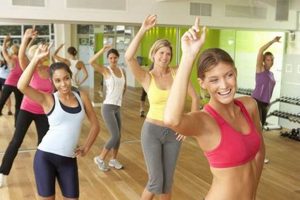
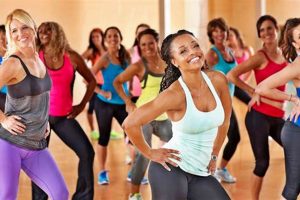
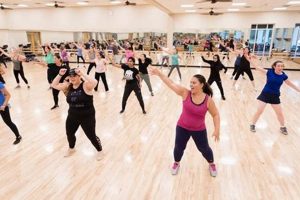
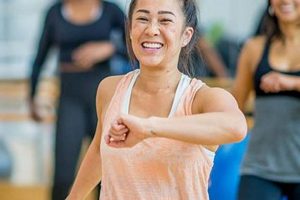
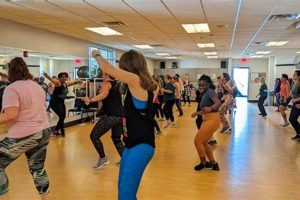
Clothing selection for Zumba participation significantly impacts comfort and performance. The activity involves high-energy dance moves, necessitating attire that allows for unrestricted movement and effective temperature regulation. Garments should permit a full range of motion, prevent overheating, and offer adequate support where needed. Examples include breathable tops, supportive sports bras, flexible athletic pants or shorts, and appropriate footwear.
Optimal attire enhances the Zumba experience by minimizing distractions related to discomfort or restriction. Appropriate clothing contributes to confidence and allows participants to focus on the choreography and fitness benefits. Historically, the evolution of athletic wear has provided Zumba enthusiasts with a wider array of functional and stylish choices, supporting the activity’s global popularity and accessibility.
The following sections will delve into specific considerations for selecting tops, bottoms, footwear, and undergarments suitable for a Zumba session, alongside addressing factors such as material choice and layering options to optimize comfort and performance.
Garment Selection Guidelines for Zumba Participation
This section provides detailed guidance on choosing appropriate clothing and accessories to maximize comfort and effectiveness during Zumba sessions.
Tip 1: Prioritize Breathable Fabrics: Opt for synthetic materials or natural fibers such as cotton that facilitate moisture wicking and ventilation. Avoid heavy fabrics that can trap heat and cause discomfort.
Tip 2: Ensure Unrestricted Movement: Garments should allow for a full range of motion in all directions. Test the flexibility of clothing by performing simulated Zumba moves before committing to wear during a class.
Tip 3: Select a Supportive Sports Bra: For female participants, a high-impact sports bra is essential to minimize bounce and provide adequate support during high-intensity movements. Consider adjustable straps and closures for a customized fit.
Tip 4: Choose Appropriate Footwear: Select shoes designed for lateral movement and impact absorption, such as cross-training or dance sneakers. Avoid running shoes, as they may not provide sufficient lateral support and could increase the risk of injury.
Tip 5: Consider Layering Options: Depending on the environment, layering may be necessary to regulate body temperature. A lightweight jacket or wrap can be added or removed as needed during the warm-up and cool-down phases.
Tip 6: Opt for Secure Waistbands: Choose athletic pants or shorts with a secure waistband that will stay in place during vigorous movement. Drawstrings or adjustable closures can help customize the fit.
Tip 7: Evaluate Accessory Choices: Minimize the use of bulky jewelry or accessories that could interfere with movement or pose a safety hazard. Consider sweatbands to manage perspiration and prevent it from obstructing vision.
Adhering to these guidelines will contribute to a more comfortable, safe, and effective Zumba workout experience.
The subsequent section will address the importance of proper hygiene and garment care following Zumba participation.
1. Breathable Fabrics

The selection of breathable fabrics is a fundamental consideration in determining appropriate attire for Zumba class. The high-intensity nature of Zumba, characterized by vigorous dance movements, generates significant body heat and perspiration. The effectiveness of clothing in managing these physiological responses directly impacts comfort, performance, and overall participation experience.
- Moisture Wicking Properties
Breathable fabrics, particularly synthetic materials like polyester, nylon, and their blends, possess inherent moisture-wicking capabilities. These fabrics facilitate the transport of perspiration away from the skin’s surface, promoting evaporation and reducing the sensation of dampness. Failure to select fabrics with these properties can result in discomfort, chafing, and potential skin irritation. This is especially important given the sustained physical exertion involved in a typical Zumba class.
- Air Permeability and Ventilation
The weave and structure of breathable fabrics allow for air circulation, promoting ventilation and facilitating heat dissipation. Natural fibers like cotton offer moderate breathability, but their moisture absorption can lead to prolonged drying times. Synthetic blends often combine breathability with quick-drying characteristics, offering a more optimal balance for high-intensity activities. Adequate ventilation helps maintain a stable core body temperature, preventing overheating and associated performance decrements.
- Impact on Skin Comfort and Hygiene
Breathable fabrics minimize the accumulation of moisture and heat against the skin, reducing the risk of bacterial growth and unpleasant odors. Prolonged exposure to damp clothing can create a breeding ground for microorganisms, potentially leading to skin infections. Selecting fabrics that promote airflow and moisture management contributes to overall hygiene and reduces the potential for dermatological issues associated with intense physical activity.
- Influence on Range of Motion and Performance
Heavy or poorly ventilated fabrics can restrict movement and contribute to premature fatigue. Breathable fabrics, typically lightweight and flexible, allow for a full range of motion without hindering performance. This is particularly crucial in Zumba, where complex choreography and dynamic movements require unrestricted mobility. Garments that allow for freedom of movement enhance the overall Zumba experience and facilitate optimal participation.
The integration of these facets underscores the critical role of breathable fabrics in the context of attire selection for Zumba class. Choosing garments with appropriate moisture-wicking, ventilation, and flexibility properties is essential for ensuring comfort, hygiene, and optimal performance during this high-intensity activity. Failure to prioritize breathable fabrics can negatively impact the participant’s experience and potentially compromise their well-being.
2. Full Range of Motion

The capacity for unrestricted movement constitutes a primary determinant in the selection of appropriate attire for Zumba class. Zumba choreography, characterized by a blend of Latin rhythms and dance-inspired movements, demands a full range of motion across multiple joints and muscle groups. Garments that impede this range can compromise performance, increase the risk of injury, and diminish the overall effectiveness of the workout.
- Material Flexibility and Elasticity
The inherent properties of fabric dictate the extent to which garments permit unrestricted movement. Materials such as spandex, Lycra, and other elastomeric blends offer superior stretch and recovery, allowing clothing to conform to the body’s contours without constricting movement. Rigid or non-stretch fabrics, conversely, can limit joint articulation and impede the execution of Zumba steps. The selection of fabrics with adequate flexibility and elasticity is therefore paramount.
- Garment Construction and Design
The design and construction of garments exert a significant influence on range of motion. Close-fitting garments, while potentially offering aesthetic appeal, may restrict movement if not fabricated from sufficiently elastic materials. Garments with strategically placed seams and gussets can enhance mobility by accommodating the natural movement patterns of the body. Loose-fitting garments, although offering greater freedom of movement, may pose a safety hazard if they impede visibility or interfere with the execution of complex steps. Thus, a balance between fit and function is crucial.
- Impact on Injury Prevention
Restricted movement can increase the risk of musculoskeletal injuries, particularly sprains, strains, and joint impingement. Garments that limit the ability to perform movements with proper form can place undue stress on joints and connective tissues. By allowing for a full range of motion, appropriate attire can facilitate proper biomechanics and reduce the likelihood of injury. The preventive role of clothing in this regard cannot be overstated.
- Influence on Workout Intensity and Effectiveness
Garments that restrict movement can lead to premature fatigue and reduced workout intensity. The body expends additional energy to overcome the resistance imposed by restrictive clothing, diverting resources away from the primary exercise goals. By facilitating unrestricted movement, appropriate attire enables participants to maintain a higher level of intensity for a longer duration, maximizing the cardiovascular and muscular benefits of the Zumba class.
The foregoing considerations highlight the integral relationship between attire and range of motion in the context of Zumba. Optimal clothing choices prioritize material flexibility, garment design, injury prevention, and workout effectiveness. By selecting garments that facilitate unrestricted movement, participants can enhance their performance, minimize the risk of injury, and maximize the benefits of Zumba exercise.
3. Supportive sports bras

The selection of appropriate attire for Zumba class necessitates careful consideration of undergarments, particularly the sports bra. A supportive sports bra is not merely an accessory but a critical component of suitable Zumba attire. Its primary function is to minimize breast movement during high-impact activities, such as the jumping, twisting, and shaking inherent in Zumba routines. Insufficient support can lead to discomfort, pain, and potential long-term damage to breast tissue. Examples of issues arising from inadequate support include premature sagging, strain on the Cooper’s ligaments, and neck and back pain due to altered posture compensating for excessive breast movement. The provision of adequate support allows participants to focus on the workout without distraction or physical discomfort.
Beyond comfort and physical well-being, a supportive sports bra contributes to enhanced performance. Reduced breast movement translates to improved balance and agility, allowing participants to execute Zumba choreography with greater precision and confidence. The absence of distracting discomfort enables individuals to fully engage in the class, maximizing the cardiovascular and muscular benefits of the workout. Conversely, a poorly fitting or inadequate sports bra can impede movement, alter body mechanics, and increase the risk of injury. Performance sports bras offer superior support due to the design materials, such as compression fabrics and encapsulation cups.
In summary, the integration of a supportive sports bra into the Zumba ensemble addresses both immediate and long-term considerations. Prioritizing this aspect of attire selection promotes comfort, prevents potential physical harm, and enhances overall workout effectiveness. The investment in a properly fitted and supportive sports bra is thus a prerequisite for safe and optimal participation in Zumba activities, ensuring the longevity and enjoyment of the fitness regimen.
4. Lateral support shoes

Lateral support shoes constitute a crucial element within the ensemble appropriate for Zumba class. The activity, characterized by frequent side-to-side movements and rapid changes in direction, places substantial stress on the ankles and feet. Standard athletic footwear, particularly running shoes designed primarily for forward motion, often lack the structural support necessary to mitigate the risk of injury during such lateral maneuvers. Consequently, the selection of shoes specifically engineered to provide lateral stability is paramount for individuals participating in Zumba.
The absence of adequate lateral support can lead to a range of biomechanical issues, including ankle sprains, plantar fasciitis, and stress fractures. These injuries not only interrupt training but may also result in chronic pain and long-term musculoskeletal problems. Shoes designed for lateral support typically feature reinforced outsoles, enhanced arch support, and strategically placed overlays that provide stability and prevent excessive pronation or supination during side-to-side movements. Examples include cross-training shoes or dance-specific sneakers that incorporate these design features. The impact absorption afforded by proper footwear also reduces stress on joints and muscles, contributing to overall comfort and endurance throughout the Zumba session. Selecting the correct shoe, one that provides comfort, support, and shock absorption can help prevent common injuries from zumba routines.
In summary, the incorporation of lateral support shoes into the attire chosen for Zumba class is not merely a matter of preference but a biomechanical necessity. Proper footwear minimizes the risk of injury, enhances performance, and promotes long-term musculoskeletal health. Individuals engaging in Zumba should prioritize the selection of shoes that provide adequate lateral stability and impact absorption to ensure a safe and effective workout experience.
5. Moisture-wicking materials
The selection of appropriate materials constitutes a critical consideration in determining what to wear at Zumba class. Moisture-wicking materials, engineered to facilitate the transfer of perspiration away from the skin, play a pivotal role in maintaining comfort, hygiene, and performance during high-intensity physical activity.
- Enhanced Evaporation Rate
Moisture-wicking fabrics, typically synthetic blends incorporating polyester or nylon, are designed with a capillary structure that promotes the rapid movement of sweat from the skin’s surface to the outer layer of the fabric. This enhanced evaporation rate allows for quicker drying times, preventing the accumulation of moisture and the associated discomfort of damp clothing. Natural fibers like cotton, while absorbent, retain moisture for extended periods, leading to a less desirable sensation during vigorous exercise. An example is the use of polyester blends in athletic shirts, allowing a zumba participant to feel dryer, reducing skin irritation during a workout.
- Temperature Regulation
By facilitating the evaporation of sweat, moisture-wicking materials contribute to effective temperature regulation during exercise. The evaporative cooling process helps dissipate body heat, preventing overheating and maintaining a stable core temperature. This is particularly important in Zumba, where high-energy movements generate significant body heat. Fabrics that trap moisture, conversely, can hinder the body’s natural cooling mechanisms, leading to discomfort and reduced performance. A moisture-wicking shirt can help lower the body temperature during a zumba class.
- Odor Control
Moisture-wicking materials often incorporate antimicrobial properties to inhibit the growth of odor-causing bacteria. Perspiration provides a breeding ground for these microorganisms, leading to unpleasant odors. Fabrics with antimicrobial treatments help control bacterial proliferation, maintaining freshness and hygiene during and after exercise. Some athletic wear even use silver ions within the fabric to prevent odor. During a zumba class, you will sweat a lot, but wearing moisture wicking materials with antimicrobial properties can help to manage the odour.
- Reduced Chafing and Irritation
The accumulation of moisture on the skin can increase friction, leading to chafing and skin irritation, particularly in areas prone to rubbing. Moisture-wicking materials minimize this risk by keeping the skin dry and reducing the likelihood of friction. This is especially important in Zumba, where repetitive movements and close-fitting clothing can exacerbate chafing. Performance athletic wear helps to limit the occurrence of chafing. In short, less sweat and less fabric friction means a much more enjoyable zumba session.
The benefits of moisture-wicking materials are evident in the context of what to wear at Zumba class. By promoting evaporation, regulating temperature, controlling odor, and reducing chafing, these fabrics contribute significantly to comfort, hygiene, and performance. The selection of garments made from moisture-wicking materials is therefore a critical component of preparing for Zumba participation, ensuring a more enjoyable and effective workout experience.
6. Comfortable, secure fit
The concept of a comfortable, secure fit is paramount when considering optimal attire for Zumba class. The dynamic and high-intensity nature of Zumba necessitates clothing that remains in place and allows for a full range of motion without causing discomfort or distraction. The absence of a comfortable, secure fit can impede performance, increase the risk of injury, and diminish the overall enjoyment of the workout.
- Waistband Stability
Athletic bottoms, such as leggings or shorts, require a stable waistband to prevent slippage during vigorous movements. A waistband that rolls down or requires constant readjustment can be distracting and disrupt the flow of the workout. Drawstrings or wide, elastic waistbands that conform to the body’s shape contribute to a secure fit. For example, leggings with a high, compressive waistband typically offer greater stability than those with a low-rise, elastic band. Stability in the waistband ensures minimal distraction throughout a Zumba class.
- Appropriate Sizing
Garments that are either too tight or too loose can compromise comfort and performance. Overly tight clothing can restrict movement and cause chafing, while excessively loose clothing can pose a safety hazard by interfering with steps or becoming entangled. Accurate sizing, based on individual measurements, is crucial for achieving a comfortable, secure fit. Prior to attending a Zumba class, it is recommended to measure to ensure that the sizing is correct for the garment being selected.
- Fabric Conformity and Support
The choice of fabric directly influences the garment’s ability to conform to the body and provide adequate support. Fabrics with sufficient elasticity, such as spandex or Lycra blends, allow clothing to move with the body without losing its shape. Compression garments, while offering a snug fit, should not restrict circulation or cause discomfort. A supportive fit is essential for maintaining proper posture and minimizing the risk of muscle strain during Zumba. Therefore, choosing material with the correct fabric composition for the zumba class can greatly improve your experience.
- Undergarment Integration
The fit and function of undergarments, particularly sports bras, significantly impact overall comfort and security. A well-fitting sports bra provides adequate support and minimizes breast movement, preventing discomfort and potential long-term damage to breast tissue. Similarly, appropriate underwear should remain in place without causing chafing or irritation. Seamless designs and breathable fabrics are recommended for minimizing distractions and maximizing comfort. Undergarments must move with the wearer. This will improve your experience.
In essence, achieving a comfortable, secure fit in Zumba attire requires careful attention to waistband stability, appropriate sizing, fabric conformity, and undergarment integration. By prioritizing these elements, participants can minimize distractions, enhance performance, and maximize the benefits of their Zumba workout. The result is a more focused and satisfying exercise experience, allowing individuals to fully engage in the choreography and derive the full physical and mental benefits of the activity.
7. Minimal distractions

Attire selected for Zumba class significantly influences the degree to which participants experience distractions during the activity. Clothing choices directly impact focus, allowing or impeding full engagement with the exercise routine. Minimizing distractions is essential for maximizing the physical and mental benefits derived from Zumba.
- Fabric Noise and Tactile Irritation
Certain fabrics, particularly those that are stiff or textured, can generate noise during movement, creating an auditory distraction for the wearer and potentially for others in the class. Tactile irritation, caused by rough seams or scratchy materials, can also divert attention away from the choreography. Smooth, quiet, and non-irritating fabrics are preferable to minimize these sensory distractions. For example, swishy sounds of some athletic pants could distract you and other from hearing instructions of zumba instructor.
- Fit Adjustments and Garment Security
Clothing that requires frequent adjustment due to poor fit or inadequate security can significantly disrupt the flow of the workout. Waistbands that slip, straps that fall, or shirts that ride up all necessitate constant attention and interfere with the ability to focus on the Zumba routine. Garments with a secure and comfortable fit that remain in place throughout the activity are essential. As we discused before, ensure to have garment stability and secure fit throughout a zumba class. This prevent you adjusting it during a workout.
- Temperature Discomfort and Moisture Management
Inadequate temperature regulation, stemming from inappropriate fabric selection or layering, can lead to either overheating or chilling, both of which are highly distracting. Similarly, poor moisture management, resulting in excessive perspiration accumulation, can cause discomfort and chafing. Choosing breathable, moisture-wicking fabrics and appropriate layering options is crucial for maintaining thermal comfort and minimizing these physiological distractions. Wear moisture-wicking clothing can keep you cool and dry throughout the high intense activity.
- Visual Obstructions and Safety Concerns
Loose or excessively long garments can obstruct vision, increasing the risk of trips or collisions with other participants. Dangling accessories, such as necklaces or bracelets, can also pose a safety hazard by interfering with movement or becoming entangled. Streamlined attire that allows for clear visibility and unrestricted movement is essential for minimizing visual distractions and ensuring a safe workout environment. Make sure to wear appropriate athletic wear, and leave you jewelry at home or locker. Wear something that is secured and you can easily perform a workout without any concern.
These considerations underscore the importance of carefully selecting attire that minimizes distractions during Zumba class. By prioritizing comfort, security, and functionality, participants can enhance their focus, improve their performance, and maximize the benefits of this dynamic and engaging exercise activity. Avoiding distractions can greatly improve the overall workout and enjoyment.
Frequently Asked Questions
This section addresses common inquiries regarding optimal clothing and accessories for Zumba participation, providing informative and evidence-based guidance.
Question 1: What specific types of tops are most suitable for Zumba, and why?
Tops constructed from breathable, moisture-wicking materials, such as polyester or nylon blends, are highly recommended. These fabrics facilitate the evaporation of sweat, promoting temperature regulation and preventing discomfort. Loose-fitting or semi-fitted styles are preferable, allowing for a full range of motion without restriction. Avoid heavy or constricting tops that can impede movement or trap heat.
Question 2: Are there particular types of athletic pants or shorts that offer advantages for Zumba routines?
Athletic pants or shorts with a secure waistband that remains in place during vigorous movement are essential. Leggings, capris, or athletic shorts constructed from flexible, moisture-wicking materials are appropriate choices. Avoid garments that are excessively tight or restrictive, as these can limit range of motion and increase the risk of chafing. Look for options with flat seams to minimize irritation.
Question 3: What characteristics should be considered when selecting footwear for Zumba?
Shoes designed for lateral movement and impact absorption are crucial. Cross-training shoes or dance sneakers typically offer the necessary support and flexibility. Running shoes, which are designed primarily for forward motion, may not provide adequate lateral stability and could increase the risk of ankle injuries. Ensure that the shoes fit properly and provide sufficient cushioning and arch support.
Question 4: How important is the sports bra in Zumba attire, and what features are most desirable?
A supportive sports bra is essential for minimizing breast movement and preventing discomfort during high-impact Zumba routines. High-impact sports bras with adjustable straps and closures are recommended. Look for options constructed from breathable, moisture-wicking materials to maintain comfort and prevent overheating. Encapsulation or compression styles may provide superior support for larger breast sizes.
Question 5: Should jewelry or other accessories be worn during Zumba, and if so, what precautions should be taken?
It is generally advisable to minimize the use of jewelry or other accessories during Zumba, as these can interfere with movement or pose a safety hazard. If accessories are worn, ensure that they are lightweight, secure, and do not present a risk of entanglement or injury. Avoid wearing dangling earrings, necklaces, or bracelets that could catch on clothing or equipment.
Question 6: How should Zumba attire be cared for to maintain its performance and longevity?
Follow the care instructions provided on the garment label. In general, Zumba attire should be washed in cold water with a mild detergent and dried on a low heat setting or air-dried. Avoid using fabric softeners, as these can reduce the moisture-wicking properties of synthetic fabrics. Wash garments inside out to prevent fading and protect delicate fabrics. Proper care will extend the life of the clothing and maintain its performance characteristics.
Careful attention to the selection and care of Zumba attire will contribute to a more comfortable, safe, and effective workout experience.
The subsequent section provides actionable tips for optimizing comfort and performance during Zumba classes.
Conclusion
The selection of appropriate attire for Zumba class necessitates careful consideration of various factors, including fabric breathability, range of motion, support, and overall comfort. Adherence to established guidelines regarding moisture-wicking materials, secure fit, and minimal distractions contributes significantly to an enhanced workout experience. The implementation of informed choices in tops, bottoms, footwear, and undergarments directly impacts performance, safety, and the maximization of benefits derived from Zumba participation. Failure to adhere to these guidelines will negatively influence a class attendance.
Therefore, informed decision-making regarding what to wear at Zumba class is paramount. Prioritizing functionality and comfort over purely aesthetic considerations represents a prudent investment in personal well-being and optimizes the potential for successful engagement in this dynamic fitness activity. The principles outlined herein serve as a foundation for informed decisions, promoting both immediate comfort and long-term adherence to a healthy lifestyle. It is recommended to revisit this guide to ensure better attendance for zumba session.