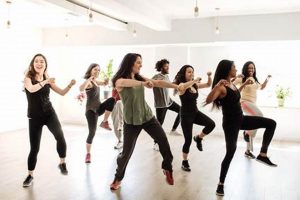
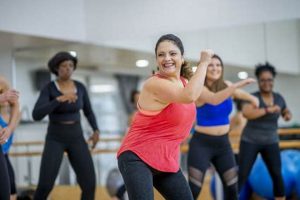
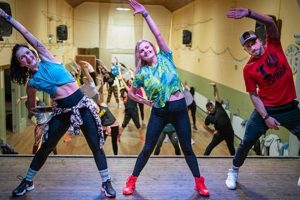
A high-energy fitness activity blends dance movements with cardiovascular exercise. It incorporates Latin-inspired music and choreography performed at a rapid pace and with demanding physical exertion. This activity aims to elevate the heart rate and engage multiple muscle groups simultaneously, providing a challenging and comprehensive workout.
The advantages of such a program include improved cardiovascular health, enhanced muscular endurance, and increased calorie expenditure. Historically, group fitness activities offering structured exercise routines have demonstrated positive effects on overall well-being and fitness levels. These activities often promote social interaction and adherence to a regular exercise regimen, contributing to long-term health benefits.
The subsequent sections will elaborate on specific aspects of maximizing the effectiveness and safety of engaging in this type of fitness program. These areas include proper warm-up and cool-down techniques, hydration strategies, and modifications for different fitness levels. Furthermore, the article will address the importance of listening to one’s body and avoiding overexertion to prevent injuries.
Optimizing Participation in a High-Intensity Dance Fitness Program
The following guidelines aim to maximize the benefits and minimize potential risks associated with participation in a demanding dance-based exercise routine. Adherence to these recommendations can contribute to a safer and more effective fitness experience.
Tip 1: Prioritize Proper Hydration: Adequate fluid intake is crucial for maintaining optimal performance and preventing dehydration. Consuming water before, during, and after the session aids in regulating body temperature and supporting cardiovascular function.
Tip 2: Implement Dynamic Warm-Up Exercises: Begin each session with a dynamic warm-up routine that includes movements such as arm circles, leg swings, and torso twists. These exercises prepare the muscles for more intense activity and reduce the risk of injury.
Tip 3: Focus on Maintaining Correct Form: Pay close attention to proper body alignment and technique throughout the session. Maintaining correct form ensures that the targeted muscles are engaged effectively and minimizes stress on joints.
Tip 4: Modify Movements Based on Fitness Level: Adapt the intensity and complexity of the choreography to match individual fitness levels and physical limitations. This prevents overexertion and promotes gradual progression.
Tip 5: Incorporate Interval Training Principles: Employ periods of high-intensity bursts followed by brief recovery periods. This approach enhances cardiovascular conditioning and improves metabolic efficiency.
Tip 6: Utilize Appropriate Footwear: Wear supportive athletic shoes that provide adequate cushioning and stability. Proper footwear can help to prevent foot and ankle injuries.
Tip 7: Monitor Heart Rate and Perceived Exertion: Track heart rate and perceived exertion levels to gauge the intensity of the workout. Maintaining heart rate within a target range and monitoring subjective feelings of exertion can help to optimize training effectiveness.
By adhering to these tips, individuals can enhance the physical benefits, promote a safer environment, and increase overall enjoyment during participation. Prioritizing hydration, proper form, and gradual progression is key to achieving optimal results.
The concluding section of this article will summarize key strategies for maximizing the long-term benefits and maintaining a consistent and safe approach to this type of fitness activity.
1. Cardiovascular Demand

Cardiovascular demand represents a critical physiological consideration within the context of a high-intensity dance fitness program. It directly influences the program’s efficacy and potential risks, necessitating a thorough understanding of its components and implications.
- Heart Rate Elevation
The primary driver of cardiovascular demand is the elevation of heart rate. Vigorous dance movements performed at a rapid pace necessitate increased oxygen delivery to working muscles. This increased demand leads to a substantial rise in heart rate, often reaching levels associated with vigorous-intensity exercise. Monitoring heart rate provides a quantifiable measure of cardiovascular exertion.
- Oxygen Consumption
Elevated heart rate is intrinsically linked to increased oxygen consumption. The body requires more oxygen to fuel the increased metabolic activity of muscle tissue during exercise. This enhanced oxygen uptake places a significant burden on the cardiovascular system, requiring efficient pulmonary function and circulatory capacity to meet the metabolic demands of the activity. A compromised respiratory system or underlying cardiovascular condition would substantially impact one’s ability to participate.
- Blood Pressure Response
Intense physical activity induces changes in blood pressure. Systolic blood pressure typically rises in response to increased cardiac output and peripheral vasoconstriction. Diastolic blood pressure may remain relatively stable or exhibit a slight increase. An excessive or abnormal blood pressure response during participation could indicate an underlying cardiovascular issue requiring medical attention.
- Stroke Volume and Cardiac Output
Each heartbeat delivers a specific volume of blood, known as the stroke volume. Intense cardiovascular activity will cause an elevation of stroke volume as the heart pumps more forcefully. Cardiac output, which is the product of heart rate and stroke volume, will rise as the body tries to supply the blood flow required by intense exercise. The capacity to elevate and sustain cardiac output is key to performance and preventing failure during this form of exercise.
The collective impact of heart rate elevation, oxygen consumption, blood pressure response, and cardiac output defines the overall cardiovascular demand imposed by a high-intensity dance fitness program. Understanding these facets is essential for safe and effective participation, allowing for appropriate modifications and monitoring to mitigate potential risks and maximize the benefits of the exercise.
2. Choreography Complexity

Choreography complexity constitutes a pivotal element influencing the intensity and effectiveness of a Zumba class. The intricacy of dance movements directly dictates the physical and cognitive demands placed upon participants. As choreography becomes increasingly complex, requiring rapid transitions, coordination of multiple limbs, and memorization of longer sequences, the intensity of the workout escalates. A routine composed of simple, repetitive steps elicits a lower level of physical and cognitive engagement compared to a sequence involving asymmetrical movements and frequent changes in direction. This increased complexity elevates heart rate, intensifies muscle engagement, and requires heightened mental focus, thus contributing significantly to the overall intensity of the class. Consider, for example, a segment incorporating a salsa step combined with a squat, followed by a rapid transition into a cumbia grapevine. This requires not only physical strength and agility but also cognitive processing to execute the sequence accurately and maintain rhythm.
The level of choreography complexity also has a direct impact on the accessibility and inclusivity of a Zumba class. While challenging choreography can provide an engaging experience for seasoned participants, it may present a significant barrier for beginners or individuals with physical limitations. Instructors must carefully calibrate the complexity of routines to accommodate a diverse range of fitness levels and ensure that modifications are offered to promote participation and prevent discouragement. A well-designed class balances challenging sequences with simpler, more accessible movements, allowing participants to gradually progress and build their skills. This approach enhances engagement, fosters a sense of accomplishment, and minimizes the risk of injury due to overexertion or improper form.
In summary, choreography complexity is not merely an aesthetic aspect of a Zumba class; it is a fundamental driver of intensity and a key factor in determining the class’s overall effectiveness and accessibility. A nuanced understanding of this relationship allows instructors to create challenging yet inclusive experiences that cater to a diverse range of fitness levels, maximizing benefits and minimizing potential risks. The challenge lies in striking a balance between complexity and accessibility to create an engaging and effective workout for all participants.
3. Physical Exertion

In an intense zumba class, physical exertion serves as the primary mechanism through which fitness benefits are achieved. The elevated heart rate, increased respiratory rate, and muscle fatigue experienced are direct consequences of the vigorous dance movements. This exertion represents a physiological stressor that prompts the body to adapt and improve its cardiovascular endurance, muscular strength, and overall physical conditioning. An individual’s perceived level of exertion during the class is a subjective measure of the intensity of the activity. For example, continuous jumps, squats, and rapid arm movements typical of a Zumba routine demand significant physical effort, resulting in increased energy expenditure and the physiological adaptations that follow. The effectiveness of an intense Zumba class is fundamentally predicated on the participant reaching a level of physical exertion that challenges their current fitness capacity.
The degree of physical exertion experienced within an intense zumba class is not solely determined by the choreography. Individual factors, such as pre-existing fitness levels, age, and physical limitations, also play a significant role. A seasoned athlete may find the same routine less challenging than a beginner. Modifications to the movements can adjust the level of exertion required. For instance, performing smaller steps or taking more frequent breaks can reduce the intensity for less fit individuals, while adding weights or increasing the speed of movements can elevate the exertion for more advanced participants. Recognizing and accommodating these individual differences is essential to ensure both the safety and effectiveness of the Zumba class.
Understanding the relationship between physical exertion and intense Zumba classes is crucial for both instructors and participants. Instructors must be able to gauge the exertion level of the class as a whole and provide modifications to meet the needs of diverse fitness levels. Participants, in turn, need to be aware of their own physical limitations and adjust their level of participation accordingly. The goal is to achieve a challenging, but not overwhelming, level of exertion that maximizes the fitness benefits of the class while minimizing the risk of injury. Careful attention to exertion levels ensures that the Zumba class remains a sustainable and beneficial activity for long-term physical health.
4. Caloric Expenditure

Caloric expenditure is a central outcome of an intense Zumba class, representing the energy expended by the body during the activity. The elevated heart rate, dynamic movements, and sustained physical engagement inherent in the workout contribute significantly to a high caloric burn. This energy consumption stems primarily from the body’s need to fuel muscle contractions and maintain metabolic processes at an accelerated rate. For example, a person participating in a one-hour session may expend between 500 to 800 calories depending on their weight, fitness level, and the intensity of the class. The caloric expenditure is a direct result of the workout’s vigorous nature, making it an effective tool for weight management and improving overall body composition.
The magnitude of caloric expenditure in an intense Zumba class also serves as a quantifiable metric for assessing the workout’s effectiveness. Individuals seeking to lose weight or maintain a healthy weight can use estimated calorie burn figures to inform their dietary choices and exercise planning. Furthermore, this parameter impacts metabolic rate and contributes to long-term weight management. For instance, consistent participation combined with a balanced diet can lead to a sustained calorie deficit, which in turn promotes weight loss. Real-life examples show that individuals who incorporate this workout into their fitness routine often experience a noticeable reduction in body fat percentage and an improvement in their physical endurance. The understanding of this relationship is instrumental in tailoring the exercise regimen to meet specific fitness goals and optimizing the health benefits derived from participation.
In conclusion, the connection between caloric expenditure and an intense Zumba class underscores the workout’s effectiveness as a physical activity for energy consumption and fitness improvement. While individual results may vary based on factors such as metabolism, intensity, and workout duration, the potential for significant caloric expenditure remains a defining characteristic. Recognizing this dynamic is crucial for leveraging the workout’s full potential in achieving weight management and overall fitness objectives. The understanding and application of these factors ensures that the benefits are maximized and the results are as beneficial as intended.
5. Muscle Engagement
Muscle engagement forms a cornerstone of the intense Zumba class experience. The choreographed dance movements necessitate the activation of various muscle groups throughout the body. This activation is not limited to large muscle groups like the quadriceps and gluteals but extends to smaller stabilizing muscles in the core, shoulders, and ankles. The rapid transitions and varied rhythms demand constant adjustment and postural control, leading to comprehensive muscle involvement. For instance, a combination of salsa steps, squats, and arm extensions will actively recruit muscles in the legs, core, and upper body simultaneously. The level of muscle engagement is directly proportional to the intensity of the exercise and is a key driver of the physical adaptations that result from consistent participation.
The importance of muscle engagement in an intense Zumba class extends beyond calorie expenditure and cardiovascular benefits. Activation of muscles contributes to improved strength, endurance, and body composition. The dynamic nature of the workout promotes functional fitness, enhancing the ability to perform everyday tasks with greater ease and efficiency. Furthermore, the emphasis on core engagement improves postural alignment and reduces the risk of lower back pain. An example is the consistent use of abdominal muscles to stabilize the spine during lateral movements, which strengthens the core and supports proper posture. Understanding and consciously engaging the appropriate muscles during the workout optimizes the exercise’s benefits and minimizes the potential for injury.
In conclusion, the correlation between muscle engagement and the benefits derived from an intense Zumba class is undeniable. The activation of a wide array of muscles promotes strength, endurance, and functional fitness, while also contributing to improved posture and a reduced risk of injury. It is imperative that instructors and participants alike prioritize proper form and technique to ensure that the targeted muscles are effectively engaged throughout the session. By focusing on conscious muscle activation, participants can maximize the physical benefits of the workout and enhance their overall fitness levels.
6. Hydration Levels

Maintaining adequate hydration levels is critical for safe and effective participation in a high-intensity Zumba class. Dehydration can significantly impair performance, increase the risk of injury, and negatively impact overall well-being. The elevated heart rate, profuse sweating, and sustained physical exertion inherent in the activity necessitate careful attention to fluid intake before, during, and after the session.
- Thermoregulation
Hydration plays a vital role in regulating body temperature during intense physical activity. Sweating is the body’s primary mechanism for dissipating heat, and adequate fluid intake is essential to maintain sweat production. Dehydration impairs this process, leading to a rise in core body temperature, which can result in heat exhaustion or heat stroke. Individuals failing to replenish fluids during the session may experience decreased performance and increased risk of heat-related illness.
- Cardiovascular Function
Dehydration reduces blood volume, which can compromise cardiovascular function. With less blood available, the heart must work harder to deliver oxygen and nutrients to working muscles. This increased strain on the cardiovascular system can lead to fatigue, dizziness, and reduced exercise capacity. The resulting lower performance levels and increased risk of cardiovascular complications make it important to maintain proper hydration during strenuous exercise.
- Muscle Function
Hydration is crucial for optimal muscle function. Dehydration can disrupt electrolyte balance, leading to muscle cramps, fatigue, and decreased strength. Adequate fluid intake ensures that muscles have the necessary electrolytes and fluids to contract and relax efficiently. By adequately hydrating, athletes can support efficient and effective muscle function.
- Nutrient Transport
Water is essential for transporting nutrients to cells and removing waste products. Dehydration impairs this process, hindering the delivery of energy substrates to working muscles and delaying the removal of metabolic waste products. This can lead to decreased performance and prolonged recovery times. Maintaining optimal hydration levels support effective transport and removal during intense physical activity.
The cumulative effect of impaired thermoregulation, compromised cardiovascular function, reduced muscle function, and hindered nutrient transport underscores the importance of maintaining adequate hydration levels during participation in an intense Zumba class. Adhering to a strategic hydration plan before, during, and after the session is essential for maximizing performance, minimizing the risk of adverse events, and promoting overall health and well-being. Strategic planning to maximize performance and overall well-being is advised for people undertaking intensive physical activity.
Frequently Asked Questions
This section addresses common inquiries regarding participation in a high-intensity Zumba class. The information provided aims to clarify expectations and ensure a safe and effective exercise experience.
Question 1: What level of fitness is required to participate effectively?
While prior dance experience is not mandatory, a moderate level of cardiovascular fitness is recommended. The class involves sustained periods of activity and may not be suitable for individuals with limited exercise tolerance. Modifications can be made to accommodate varying fitness levels; however, a baseline level of physical conditioning is beneficial.
Question 2: Are there specific medical conditions that would preclude participation?
Individuals with pre-existing cardiovascular conditions, orthopedic injuries, or other medical concerns should consult a healthcare professional before participating. High-intensity exercise can exacerbate certain medical conditions, and medical clearance is advised to ensure safety.
Question 3: What type of footwear is most appropriate for an intense Zumba class?
Supportive athletic shoes with good cushioning and lateral stability are recommended. Shoes should provide adequate shock absorption to minimize stress on joints and allow for multidirectional movements. Avoid shoes with excessive tread, which can impede twisting and turning motions.
Question 4: How can the intensity of the workout be modified?
Modifications can be made by reducing the range of motion, decreasing the speed of movements, or opting for lower-impact variations. Participants are encouraged to listen to their bodies and adjust their level of participation as needed. Instructors typically provide modifications to accommodate varying fitness levels.
Question 5: What is the recommended hydration strategy for an intense Zumba class?
Adequate hydration is essential. It is advisable to consume water before, during, and after the class. The amount of fluid required varies based on individual factors such as body weight and sweat rate. However, consuming at least 16 ounces of water in the hour leading up to the class, with continued hydration during and afterward, is generally recommended.
Question 6: How often should an intense Zumba class be incorporated into a fitness routine?
The frequency of participation should be determined based on individual fitness goals and recovery capacity. Engaging in an intense Zumba class two to three times per week, with adequate rest days in between, is generally considered a sustainable approach. Overtraining should be avoided to prevent injury and promote long-term adherence.
These responses offer insights into preparing for and participating in an intense Zumba class, helping ensure a beneficial and secure experience. Remember to consult a professional for personalized advice.
The next section explores potential risks associated with participation and strategies for mitigating those risks.
Conclusion
The preceding analysis comprehensively examines various facets of a high-intensity Zumba class. Exploration encompasses the physiological demands, caloric expenditure, muscular engagement, and hydration requirements inherent in such a fitness regimen. The information presented is intended to equip individuals with the knowledge necessary to participate safely and effectively, thereby maximizing potential health benefits while minimizing potential risks.
The presented material underscores the significance of informed participation in high-intensity exercise. Further research and personal consultation with relevant healthcare professionals are encouraged. Prudent decision-making contributes to improved fitness outcomes and promotes sustained well-being.