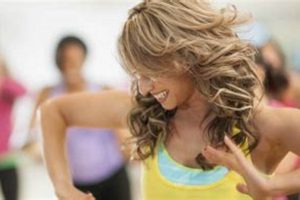
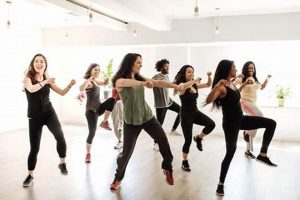
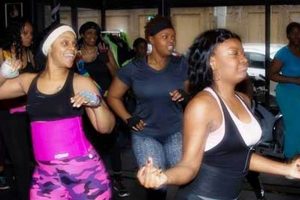
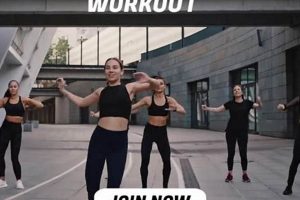
Appropriate attire for a Zumba session typically involves clothing that allows for a full range of motion and manages perspiration effectively. Examples include breathable athletic tops, flexible leggings or shorts, and supportive athletic shoes designed for lateral movement. The selection of garments is crucial for comfort and performance during the high-energy activity.
The correct choice of clothing enhances the participant’s experience by providing freedom of movement, minimizing discomfort from sweat, and reducing the risk of injury. Historically, Zumba attire has evolved alongside advancements in athletic wear technology, prioritizing both functionality and style. The adoption of specific fabrics and designs contributes to improved participation and enjoyment.
Therefore, considerations regarding suitable tops, bottoms, and footwear are essential for maximizing the benefits of a Zumba workout. Further discussion will explore recommended fabrics, specific garment types, and shoe characteristics that optimize comfort and performance in a Zumba class setting.
Attire Optimization Strategies for Zumba Participation
The following guidelines provide insight into maximizing comfort and performance through appropriate clothing selection for Zumba activities. Adherence to these suggestions facilitates effective participation and minimizes potential discomfort or injury.
Tip 1: Fabric Selection: Opt for moisture-wicking fabrics such as polyester blends or merino wool. These materials effectively draw sweat away from the skin, promoting evaporation and maintaining a comfortable body temperature.
Tip 2: Top Style: Choose a breathable and non-restrictive top. Tank tops, t-shirts, or athletic tops with mesh panels are suitable. Avoid overly baggy or tight garments that may impede movement.
Tip 3: Bottoms Considerations: Leggings, capri pants, or athletic shorts designed for exercise are appropriate. Ensure the waistband provides adequate support without causing constriction. Consider the length based on personal preference and environmental conditions.
Tip 4: Footwear Requirements: Athletic shoes with lateral support are crucial. Cross-training shoes or dance sneakers offer the necessary stability for the side-to-side movements inherent in Zumba. Avoid running shoes with excessive cushioning, which may increase the risk of ankle instability.
Tip 5: Support Undergarments: A supportive sports bra is essential for female participants. Proper support minimizes discomfort and potential injury during high-impact movements.
Tip 6: Layering Options: Consider layering garments, particularly in cooler environments. A lightweight jacket or wrap can be easily removed as body temperature increases during the activity.
Tip 7: Accessory Management: Minimize jewelry and accessories that may interfere with movement or pose a safety hazard. Secure long hair to prevent obstruction of vision.
Strategic selection of attire significantly contributes to a more comfortable and effective Zumba experience. By prioritizing breathable fabrics, supportive footwear, and unrestricted movement, participants can optimize their performance and enjoyment.
The subsequent sections will address specific scenarios and potential adaptations to these guidelines based on individual preferences and environmental factors.
1. Breathable Fabric
The selection of breathable fabric is a critical factor in determining the appropriateness of attire for a Zumba class. The high-intensity nature of Zumba induces significant perspiration. Fabrics lacking breathability trap moisture against the skin, leading to discomfort, chafing, and potential skin irritation. Conversely, breathable materials facilitate the evaporation of sweat, promoting thermoregulation and maintaining a more comfortable exercise experience. For instance, garments made from polyester blends or merino wool effectively wick moisture away from the body, while cotton, though absorbent, tends to retain moisture, becoming heavy and uncomfortable during prolonged activity.
The practical application of this understanding is evident in the design of performance athletic wear. Manufacturers prioritize breathable fabrics to enhance athletic performance and comfort. Furthermore, the choice of breathable fabric influences hygiene. By reducing moisture build-up, these materials minimize the risk of bacterial growth and unpleasant odors. Failure to consider fabric breathability when selecting Zumba attire can result in reduced performance, increased discomfort, and potential health concerns, ultimately detracting from the benefits of the activity.
In summary, the relationship between breathable fabric and suitable attire for Zumba is one of direct cause and effect. The selection of breathable materials directly influences comfort, hygiene, and performance during the activity. A lack of attention to this crucial detail can negatively impact the overall Zumba experience, underscoring the importance of prioritizing fabric breathability when selecting appropriate garments. Choosing proper clothing for Zumba maximizes participants comfort and ensures effective workout engagement.
2. Supportive Footwear
Supportive footwear constitutes a crucial component of appropriate attire for a Zumba class, directly impacting participant safety and performance. The dynamic movements inherent in Zumba, characterized by lateral steps, pivots, and jumps, place considerable stress on the feet, ankles, and lower extremities. Inadequate support can lead to instability, increasing the risk of ankle sprains, shin splints, and other lower-body injuries. The selection of footwear specifically designed to provide lateral support and cushioning is, therefore, a primary consideration for participants.
Cross-training shoes and dance sneakers represent suitable options, as they are engineered to accommodate multidirectional movements. These types of footwear typically feature enhanced arch support, reinforced lateral stability, and non-marking outsoles to facilitate traction and prevent slippage on studio floors. In contrast, running shoes, with their emphasis on forward propulsion, often lack the necessary lateral support and may exacerbate the risk of injury during Zumba activities. Real-world examples frequently demonstrate the adverse consequences of improper footwear. Individuals participating in Zumba while wearing running shoes or inadequate footwear report a higher incidence of ankle sprains and foot fatigue compared to those utilizing appropriate cross-training shoes.
In summation, the connection between supportive footwear and appropriate Zumba attire is undeniable. Proper footwear directly contributes to injury prevention, enhanced stability, and improved performance. Participants are advised to prioritize footwear designed for lateral movement and impact absorption to maximize the benefits and minimize the risks associated with Zumba participation. Failure to consider the supportive qualities of footwear compromises participant safety and undermines the effectiveness of the workout.
3. Range of Motion

The concept of range of motion plays a vital role in determining suitable attire for Zumba participation. The activity involves a diverse array of movements, requiring participants to execute steps and gestures across a wide spectrum of physical articulation. Clothing that restricts this freedom of movement can impede performance, increase the risk of injury, and diminish the overall benefits of the workout.
- Fabric Flexibility
The inherent flexibility of the fabric directly influences a garment’s capacity to accommodate movement. Rigid or inflexible materials restrict the body’s natural range, hindering the execution of Zumba steps and potentially leading to muscle strain. Fabrics with inherent stretch, such as spandex blends or knits, allow for unrestricted motion. Examples include leggings or athletic tops made with elastane, which provides necessary give during Zumba’s dynamic choreography.
- Garment Cut and Design
The cut and design of a garment significantly affect range of motion. Overly tight or restrictive designs, particularly in areas such as the shoulders, hips, and knees, can impede movement. Conversely, garments with ergonomic designs and strategic seam placement facilitate a wider range of motion. For example, raglan sleeves on a top allow for greater arm mobility, while gussets in the crotch of pants enable a deeper range of leg movement.
- Garment Length and Coverage
The length and coverage of attire impact movement efficiency. Excessively long pants or skirts can create a tripping hazard and hinder footwork. Overly revealing garments may cause distraction and self-consciousness, indirectly affecting performance. Optimal garment length and coverage allow for unrestricted movement while providing adequate support and modesty. Capris or athletic shorts offer a balance between coverage and freedom of movement, minimizing potential distractions.
- Layering Considerations
Layering garments must account for range of motion. Multiple layers of restrictive clothing can cumulatively impede movement, negating the benefits of flexible fabrics and ergonomic designs. Lightweight, breathable layers that move freely with the body are preferable. For instance, a loose-fitting, breathable jacket worn over a flexible athletic top allows for temperature regulation without compromising range of motion.
The interplay between fabric flexibility, garment cut, appropriate coverage, and layering considerations emphasizes the importance of selecting attire that supports the full range of motion required for Zumba. Choosing garments that facilitate unrestricted movement enhances performance, reduces the risk of injury, and optimizes the overall workout experience. Therefore, the selection of clothing needs to be suitable to a range of moves.
4. Moisture Wicking

The characteristic of moisture wicking is paramount when determining appropriate attire for Zumba classes. The high-intensity nature of Zumba workouts results in significant perspiration. The ability of clothing to effectively manage moisture is critical for maintaining comfort and preventing chafing or overheating.
- Fiber Composition
The type of fiber from which a garment is constructed directly influences its moisture-wicking capabilities. Synthetic fibers, such as polyester and nylon, are inherently hydrophobic, meaning they repel water. This property allows these fibers to transport moisture away from the skin’s surface to the exterior of the fabric, where it can evaporate. Natural fibers, such as cotton, are hydrophilic and absorb moisture, becoming heavy and potentially causing discomfort during exercise. Athletic apparel manufacturers often incorporate polyester blends specifically for their superior moisture-wicking performance.
- Fabric Construction
The method of fabric construction also impacts moisture management. Knit fabrics, with their inherent porosity, generally offer better breathability and moisture-wicking properties compared to woven fabrics. Engineered fabrics, with specialized weaves and textures, can further enhance moisture transport. Examples include fabrics with a raised pattern on the inside surface, which creates channels for moisture to move away from the skin. These structural elements contribute to an overall improved moisture-wicking performance.
- Fit and Coverage
The fit and coverage of attire affect the efficiency of moisture wicking. Looser-fitting garments allow for greater airflow, promoting evaporation. Tighter-fitting garments, while potentially offering a streamlined silhouette, rely more heavily on the fabric’s inherent wicking capabilities. Adequate coverage, particularly in areas prone to excessive sweating, ensures that moisture is effectively managed. For example, leggings or athletic shorts that extend to the mid-thigh provide greater moisture absorption and prevent chafing compared to shorter alternatives.
- Environmental Conditions
The ambient temperature and humidity levels influence the importance of moisture-wicking properties. In hot and humid environments, the body’s ability to cool itself through sweat evaporation is compromised. Moisture-wicking clothing becomes even more critical in these conditions to maintain a comfortable body temperature and prevent overheating. Conversely, in cooler environments, the rapid evaporation of moisture can lead to excessive cooling. The strategic layering of moisture-wicking garments can mitigate this effect, providing insulation while still allowing for effective moisture management.
The various facets of moisture wicking highlight its central role in optimizing attire choices for Zumba. Selecting garments constructed from appropriate fibers, featuring conducive fabric construction, providing optimal fit and coverage, and accounting for environmental conditions collectively contribute to a more comfortable and effective Zumba experience. Prioritizing moisture-wicking properties enhances performance, reduces discomfort, and minimizes the risk of health concerns associated with excessive sweating.
5. Secure Fit

The concept of a secure fit directly influences the suitability of attire for Zumba participation. Garments that fit securely contribute to both performance and safety, mitigating potential distractions and reducing the risk of injury during vigorous activity.
- Minimizing Distractions
Clothing that shifts, slips, or rides up during exercise can divert attention and impede focus. A secure fit ensures that garments remain in place, allowing the participant to concentrate on the Zumba routine. Examples include leggings with a high waistband that prevents slippage, or tops with elasticated hems that maintain coverage during arm movements. This stable positioning minimizes the need for constant readjustment, allowing for uninterrupted engagement with the class.
- Preventing Entanglement
Loose or overly voluminous clothing poses a risk of entanglement, potentially leading to falls or injuries. A secure fit reduces the likelihood of clothing becoming caught on equipment or interfering with footwork. Examples include fitted athletic shorts that avoid flapping and long sleeves with snug cuffs. Clothing should conform to the body’s contours without restricting movement to minimize the risk of external interference.
- Providing Support
A secure fit enhances the supportive qualities of athletic garments. Compression apparel, such as sports bras or compression shorts, provides muscle support and reduces vibration, potentially minimizing fatigue and injury risk. A well-fitted sports bra, for example, reduces breast movement during high-impact activities, preventing discomfort and potential long-term damage. This level of support promotes both comfort and performance.
- Enhancing Body Awareness
Clothing with a secure fit can enhance body awareness, providing feedback on posture and movement. Form-fitting garments allow participants to feel the engagement of different muscle groups, promoting proper form and technique. This enhanced proprioception can lead to improved coordination and control during Zumba routines. The tactile feedback from secure-fitting clothing helps individuals to better understand their body’s position in space and refine their movements accordingly.
Therefore, the principle of a secure fit underscores a crucial element in appropriate attire for Zumba. By minimizing distractions, preventing entanglement, providing support, and enhancing body awareness, securely fitting garments contribute to a safer, more comfortable, and more effective Zumba experience. Selection of garments needs a balanced approach between security and comfort during exercises.
6. Appropriate Layers

The strategic utilization of appropriate layers constitutes a nuanced aspect of selecting suitable attire for Zumba participation. The dynamic nature of Zumba workouts induces rapid fluctuations in body temperature. A well-considered layering system allows participants to adapt to these changes, maintaining comfort and preventing both overheating and excessive cooling. The selection and application of layers are thus intrinsically linked to the overall effectiveness and enjoyment of the activity.
The primary function of layering is to facilitate temperature regulation. Initial warm-up phases may necessitate an outer layer for insulation. A lightweight, breathable jacket or wrap serves this purpose effectively. As the workout intensifies and body temperature rises, this outer layer can be removed, preventing overheating and maintaining comfort. The underlying layers, typically composed of moisture-wicking fabrics, continue to manage perspiration. Conversely, during cool-down periods, the outer layer can be reapplied to prevent chilling as body temperature decreases. Real-world examples include participants initiating a Zumba class with a light fleece jacket, removing it midway through the session, and reapplying it during the final stretching segment. The practical significance of this adaptability is evident in reduced discomfort, improved performance, and a lower risk of muscle stiffness or cramping.
The effectiveness of a layering system hinges on the selection of appropriate materials. Lightweight, breathable fabrics, such as merino wool or synthetic blends, are optimal choices. These materials provide insulation without trapping moisture, allowing for efficient sweat evaporation. Avoidance of heavy, non-breathable materials, such as cotton, is crucial, as they can lead to overheating and discomfort. Furthermore, the fit of the layers must allow for unrestricted movement. Overly tight layers can impede circulation and restrict range of motion, negating the benefits of the Zumba workout. In summary, the judicious application of appropriate layers represents a key element in optimizing attire for Zumba, enabling participants to adapt to changing conditions and maintain optimal comfort and performance. The challenges lie in anticipating temperature fluctuations and selecting layers that balance insulation, breathability, and freedom of movement.
Frequently Asked Questions Regarding Attire for Zumba Classes
The following addresses common inquiries concerning appropriate clothing and footwear for optimal participation in Zumba activities. These responses aim to clarify ambiguities and provide actionable guidance.
Question 1: Is there a specific fabric type mandated for Zumba attire?
A specific fabric type is not mandated, however, moisture-wicking materials like polyester blends are highly recommended due to their ability to draw sweat away from the body, enhancing comfort and performance.
Question 2: Are there particular shoe styles that are unsuitable for Zumba?
Running shoes, due to their emphasis on forward motion and limited lateral support, are generally unsuitable for Zumba. Cross-training shoes or dance sneakers, designed for multidirectional movement, are preferable.
Question 3: How important is a sports bra in Zumba, and what characteristics should it possess?
A supportive sports bra is essential for female participants to minimize breast movement during high-impact activities. It should offer adequate compression, a secure fit, and moisture-wicking properties.
Question 4: Should clothing be tight-fitting or loose for Zumba?
Clothing should strike a balance between a secure fit and freedom of movement. Overly tight garments can restrict circulation, while excessively loose clothing may pose a safety hazard. Form-fitting yet flexible attire is optimal.
Question 5: Is it necessary to layer clothing for a Zumba class, and if so, what type of layers are appropriate?
Layering is advisable, particularly in cooler environments, to allow for temperature regulation. Lightweight, breathable layers that can be easily removed as body temperature rises are recommended.
Question 6: Are accessories permitted during Zumba, and are there any restrictions?
Accessories should be minimized to prevent interference with movement or potential injury. Long necklaces, dangling earrings, and unsecured hair may pose a safety risk and should be avoided.
The selection of appropriate attire significantly contributes to a more comfortable and effective Zumba experience. Prioritizing breathable fabrics, supportive footwear, and unrestricted movement enables participants to optimize their performance and enjoyment.
The subsequent sections will explore considerations for adapting these guidelines based on individual preferences and specific Zumba class formats.
Attire Considerations for Zumba Participation
This exploration of what one wears to Zumba class has underscored the critical role of clothing selection in maximizing the benefits and minimizing the risks associated with this physical activity. Key considerations include prioritizing breathable fabrics, supportive footwear, a full range of motion, moisture-wicking properties, a secure fit, and the option for strategic layering.
Adherence to these guidelines enables participants to engage in Zumba with greater comfort, confidence, and safety. A thoughtful approach to clothing choices contributes to enhanced performance and long-term adherence to this beneficial form of exercise. Continued advancements in athletic wear technology promise even more effective and comfortable options for Zumba participants in the future.