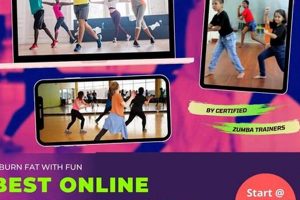
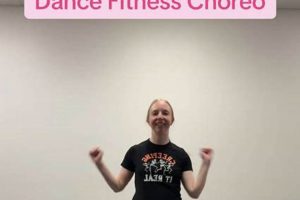
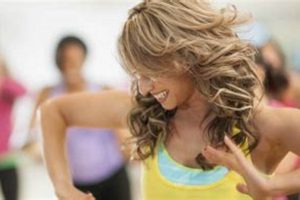
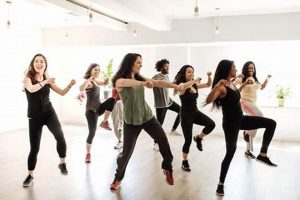
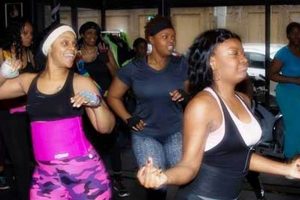
This fusion fitness concept merges the high-energy dance elements of Latin-inspired Zumba with the dynamic rhythms and movements of hip hop. Participants engage in a workout that incorporates choreography from both disciplines, resulting in a cardiovascular and strength-building exercise routine. For example, a typical session might involve a warm-up featuring traditional Zumba steps followed by a series of hip hop-influenced routines, culminating in a cool-down stretch.
The combination offers several advantages. Individuals benefit from improved cardiovascular health, increased muscle endurance, and enhanced coordination. Historically, both Zumba and hip hop have served as forms of cultural expression and community building. By integrating these styles, the fitness activity provides a platform for self-expression and social interaction, fostering a sense of belonging among participants. This holistic approach to well-being contributes to both physical and mental health improvements.
The following sections will delve into the specific choreographic elements, the fitness benefits supported by research, the adaptation of routines for various skill levels, and the availability of programs in different community settings. It will also explore the role of music selection in enhancing the overall experience and achieving optimal fitness results.
Guidance for Optimal Participation
The following recommendations are designed to maximize the benefits and enjoyment derived from engaging in programs that blend Zumba and hip hop elements.
Tip 1: Prioritize Proper Footwear. Selecting supportive athletic shoes is crucial for mitigating the risk of injury. The rapid movements and changes in direction inherent in these classes necessitate footwear with adequate cushioning and ankle support.
Tip 2: Maintain Hydration. Consistent water intake is essential for regulating body temperature and preventing dehydration during exercise. Participants should drink water before, during, and after each session.
Tip 3: Master Fundamental Steps. Familiarity with basic Zumba and hip hop steps provides a solid foundation for learning more complex choreography. Consider attending introductory classes or reviewing online tutorials.
Tip 4: Listen to the Body’s Signals. It is imperative to recognize and respect physical limitations. Adjust the intensity of movements as needed and take breaks when necessary to avoid overexertion.
Tip 5: Engage Core Muscles. Activating core muscles throughout the workout enhances stability, improves posture, and contributes to overall strength development. Focus on maintaining a tight core during each movement.
Tip 6: Modify Movements as Needed. Individuals with pre-existing injuries or physical limitations should modify routines to suit their specific needs. Consult with a healthcare professional or certified instructor for guidance on appropriate modifications.
Tip 7: Focus on Form over Speed. Maintaining proper form is more important than executing movements quickly. Prioritize accuracy to maximize effectiveness and minimize the risk of injury.
Adherence to these suggestions promotes a safe and effective fitness experience, enabling individuals to fully realize the potential of this dynamic exercise form.
The subsequent section will address potential challenges and provide strategies for overcoming them, ensuring a continued commitment to achieving fitness goals.
1. Cardiovascular Endurance

Cardiovascular endurance, the capacity of the heart and lungs to efficiently deliver oxygen to working muscles over a sustained period, is a fundamental benefit derived from consistent participation in dance-based fitness activities, particularly those integrating Zumba and hip hop elements. The dynamic and continuous nature of these activities places significant demands on the cardiovascular system, leading to measurable improvements in its functional capacity.
- Elevated Heart Rate Zones
The choreography characteristic of these classes routinely elevates participants’ heart rates into zones conducive to cardiovascular training. Sustained periods spent in these zones, typically 60-85% of maximum heart rate, stimulate physiological adaptations, including increased stroke volume and improved oxygen uptake by muscle tissues. This results in enhanced aerobic capacity.
- Increased Oxygen Consumption (VO2 Max)
Regular engagement directly influences VO2 max, the maximum volume of oxygen an individual can utilize during intense exercise. The combination of high-intensity bursts and sustained movement patterns challenges the body to efficiently extract and utilize oxygen, leading to a measurable increase in VO2 max over time. Improvement in VO2 max directly translates to improved stamina and overall fitness.
- Reduced Resting Heart Rate
A lower resting heart rate is an indicator of improved cardiovascular efficiency. As the heart becomes stronger and more efficient at pumping blood, it requires fewer beats per minute to circulate the same volume of blood throughout the body at rest. Consistent participation can contribute to a reduction in resting heart rate, indicative of enhanced cardiovascular health.
- Improved Blood Vessel Function
The physical activity promotes vasodilation, the widening of blood vessels, leading to improved blood flow and reduced blood pressure. This improved vascular function not only benefits cardiovascular endurance but also contributes to a reduced risk of cardiovascular disease.
The combined effects of these physiological adaptations underscore the efficacy of this blended dance fitness program in promoting cardiovascular health. The activity provides a comprehensive cardiovascular workout, leading to tangible improvements in fitness levels and a reduced risk of cardiovascular-related health issues.
2. Choreographic Fusion

The term choreographic fusion, within the context of blended Zumba and hip hop programs, describes the deliberate and systematic integration of movement vocabulary, stylistic nuances, and structural elements from both dance genres. This fusion is not merely a juxtaposition of steps; rather, it represents a synthesized approach to movement that creates a distinct and cohesive dance fitness experience. The effective execution of choreographic fusion is paramount to the success and participant engagement in these classes. It dictates the perceived authenticity, energy level, and overall fitness benefits of the activity.
The process of creating choreographic fusion involves a nuanced understanding of the individual characteristics of Zumba and hip hop. Zumba, with its roots in Latin dance forms, emphasizes repetitive, high-energy steps, often incorporating elements of salsa, merengue, and cumbia. Hip hop, conversely, prioritizes rhythmic complexity, dynamic isolations, and grounded movements, drawing inspiration from various street dance styles. The skillful blending of these disparate elements requires a choreographer to identify compatible movement patterns, modify existing steps, and create original combinations that seamlessly transition between the two styles. For instance, a routine may begin with a traditional Zumba warm-up, transition into a hip hop section featuring isolations and grooves, and then incorporate elements of both styles in a high-intensity cardio segment. The coherence of these transitions and the maintenance of stylistic integrity are critical for achieving a successful fusion. A poorly executed fusion can result in disjointed movements and a diminished fitness experience.
Ultimately, choreographic fusion in blended Zumba and hip hop classes serves to enhance both the enjoyment and effectiveness of the workout. It provides participants with a diverse and engaging movement experience, challenging their coordination, rhythm, and cardiovascular endurance. The success of choreographic fusion depends on the instructor’s ability to select appropriate music, create dynamic transitions, and maintain a cohesive stylistic vision. Furthermore, the practical significance of this understanding lies in the ability to design and implement classes that are both fun and effective, promoting participant adherence and long-term fitness benefits.
3. Rhythmic Synchronization

Rhythmic synchronization represents a foundational element within blended Zumba and hip hop fitness classes, dictating the degree to which participants align their movements with the underlying musical structure. This synchronization not only enhances the aesthetic appeal and cohesive energy of the class but also directly influences the physiological and psychological benefits derived from participation.
- Auditory-Motor Coupling
Auditory-motor coupling describes the inherent neurological link between auditory perception and motor execution. When participants synchronize their movements with the music, the brain establishes a direct connection between the auditory input (the rhythm and tempo of the music) and the motor output (the physical movements). This coupling enhances motor learning, improves coordination, and promotes a sense of embodied rhythm. In combined Zumba and hip hop settings, this translates to participants more effectively learning and executing the choreography while simultaneously experiencing a heightened sense of rhythmic awareness.
- Entrainment and Group Cohesion
Entrainment, the process by which individuals unconsciously synchronize their behaviors and physiological states with one another, is a powerful force in group fitness settings. When participants synchronize their movements to the same music and choreography, they experience a sense of collective unity and group cohesion. This shared rhythmic experience fosters a sense of belonging, enhances motivation, and contributes to a more positive and engaging class environment. The amplified and pronounced rhythms of hip hop combined with the consistent beat of Zumba music makes for an effective experience of rhythmic entrainment.
- Temporal Precision and Coordination
Precise execution of movements in time with the music challenges and refines temporal processing abilities. Rhythmic synchronization requires individuals to accurately perceive the timing of musical beats and translate those temporal cues into coordinated motor actions. This process enhances temporal precision, improves motor control, and strengthens the neural pathways involved in timing and coordination. Routines demand precise footwork and body isolations, creating an opportunity to improve motor function through rhythmic precision.
- Emotional and Affective Response
Music has a direct impact on emotional state. Synchronizing with music intensifies the emotional response. Positive emotions, such as joy and excitement, enhance the overall experience. The combination can lead to a state of flow, where individuals become fully immersed in the activity, resulting in improved mood and reduced stress. The combined emotive responses of the music and movement create a very powerful experience.
In summary, rhythmic synchronization within combined Zumba and hip hop classes represents more than just moving in time with the music. It embodies a complex interplay of neurological, physiological, and psychological processes that contribute to enhanced motor skills, group cohesion, emotional well-being, and overall fitness outcomes. The effectiveness of these classes is predicated, in part, on the degree to which participants are able to achieve and maintain rhythmic synchronization throughout the workout.
4. Muscle Engagement
Muscle engagement is a critical component influencing the efficacy and physical benefits derived from dance fitness activities, particularly those integrating Zumba and hip hop choreography. The deliberate activation and utilization of specific muscle groups during these classes contribute to improved strength, endurance, and overall body composition. Without adequate muscle engagement, the exercises may primarily offer cardiovascular benefits, with limited impact on muscular development. For instance, a hip hop routine emphasizing quick footwork and isolations will engage the calf muscles, quadriceps, and core stabilizers to a significantly greater extent when conscious effort is applied to maintaining proper form and generating force with each movement.
The specific muscle groups targeted vary depending on the choreographic elements employed. Zumba-inspired movements frequently engage the core, glutes, and thighs, promoting lower body strength and stability. Hip hop routines, with their emphasis on isolations and dynamic movements, target the shoulders, arms, and core muscles. The synergy between these two dance styles provides a comprehensive workout, engaging a wide range of muscle groups and contributing to balanced muscular development. Consider the “grapevine” step in Zumba, which, when performed with proper technique, activates the gluteus medius and abductors, promoting hip stability. Conversely, a hip hop “popping” sequence actively engages the triceps, biceps, and deltoids, enhancing upper body control and definition. Instructors should emphasize proper form and technique to ensure optimal muscle activation and minimize the risk of injury.
Effective muscle engagement within these classes requires a conscious effort from participants and clear guidance from instructors. By focusing on contracting specific muscle groups during each movement, individuals can maximize the fitness benefits and achieve noticeable improvements in strength and tone. The benefits derived from integrating muscle engagement are manifold, including increased calorie expenditure, improved posture, and enhanced functional fitness. Ignoring muscle activation can lead to decreased effectiveness and potential for injury. Therefore, instructors and participants must appreciate its importance in order to benefit fully.
5. Calorie Expenditure

Calorie expenditure, defined as the quantity of energy expended by the human body, constitutes a significant outcome of participation in Zumba hip hop classes. The high-intensity, interval-based nature of these classes promotes a substantial caloric burn, attributable to the combination of aerobic activity and muscle engagement. Calorie expenditure functions as a primary driver for weight management and plays a crucial role in achieving and maintaining a healthy body composition. The higher the intensity level and the greater the individual’s body mass, the more calories are typically expended during a session.
A real-world example involves comparing calorie expenditure between a traditional low-impact aerobic class and a combined Zumba hip hop class. Studies indicate that individuals can expend significantly more calories during the latter due to its dynamic choreography and utilization of large muscle groups. Practical significance lies in the application of this understanding to personalized fitness plans. Individuals seeking weight loss or improved cardiovascular health may find that incorporating Zumba hip hop classes into their routine offers a more efficient and enjoyable method of achieving their goals. Moreover, the elevated calorie expenditure contributes to increased metabolic rate, fostering long-term weight management.
In conclusion, calorie expenditure is a key, measurable benefit derived from Zumba hip hop classes. Understanding its impact enables individuals to make informed decisions about their fitness regimens, facilitating effective weight management and improved overall health. Despite individual variations in metabolic rate and exercise intensity, the inherent characteristics of Zumba hip hop classes promote significant calorie expenditure. Factors such as consistency of participation, combined with nutritional considerations, are crucial to maximize benefits. Therefore, these classes represent a valuable component of a holistic approach to well-being.
6. Community Interaction
Community interaction serves as an intrinsic and influential element within the framework of blended Zumba and hip hop classes. Its significance extends beyond mere social activity, contributing directly to participant motivation, adherence, and overall well-being. The group exercise environment fosters a sense of camaraderie and shared purpose, influencing the individual’s commitment to maintaining a consistent fitness routine. This connection is not accidental; the design of classes often encourages interaction through partner work, group formations, and shared choreography, creating opportunities for participants to connect on a personal level. For example, observing a class often reveals participants exchanging encouraging words, assisting each other with challenging steps, and celebrating individual achievements, all of which contribute to a supportive community atmosphere. This collective experience amplifies the positive effects of exercise, transforming it from a solitary activity into a shared pursuit of health and wellness.
The impact of community interaction is evident in program retention rates and participant testimonials. Individuals who form meaningful connections within the class are more likely to attend regularly and persist with the exercise program over extended periods. This is due, in part, to the social accountability and emotional support that community provides. Furthermore, community interaction can extend beyond the class setting, with participants organizing social events, fitness challenges, and charitable activities together, further strengthening the bonds and reinforcing the sense of belonging. The practical application of this understanding involves instructors actively cultivating a supportive environment through inclusive language, collaborative activities, and recognition of individual accomplishments, thereby enhancing the overall experience and maximizing participant engagement.
In summation, community interaction constitutes a vital element contributing significantly to the success and perceived value of combined Zumba and hip hop classes. By fostering a sense of belonging, promoting social support, and enhancing motivation, it transforms the exercise experience from a chore into a rewarding and sustainable lifestyle choice. Challenges, such as catering to diverse personalities and managing group dynamics, exist, yet the proactive cultivation of a supportive community remains paramount in maximizing the benefits and minimizing attrition, solidifying the significance of community interaction within these programs. This understanding links directly to the overarching theme of holistic wellness, recognizing that physical health is inextricably linked to social and emotional well-being.
7. Skill Level Progression
The systematic advancement through various skill levels is a fundamental component of structured Zumba hip hop class programs. Its presence ensures accessibility for novice participants while simultaneously offering continuous challenge and development opportunities for experienced individuals. The absence of a well-defined skill level progression can result in both discouragement for beginners overwhelmed by complex choreography and boredom for advanced participants lacking stimulating routines. The effect of skill level progression extends beyond mere difficulty scaling; it impacts participant engagement, injury prevention, and the overall long-term sustainability of participation.
Structured programs typically implement a tiered approach, beginning with introductory classes focusing on foundational steps and basic rhythms. These classes emphasize proper form and technique, building a solid base upon which more complex movements can be layered. Subsequent levels introduce more intricate choreography, faster tempos, and advanced stylistic variations drawn from both Zumba and hip hop traditions. An example may involve starting with basic Zumba steps like the “salsa step” and gradually incorporating hip hop isolations such as chest pops and shoulder rolls. The ability to modify routines and provide individualized instruction is crucial, enabling instructors to cater to diverse fitness levels and physical limitations. Such adaptable teaching techniques allow continued development for a wider range of participants. This adaptability enhances program satisfaction and ensures that progress is not prematurely limited.
Effective skill level progression within Zumba hip hop classes requires qualified instructors capable of assessing participant abilities and modifying routines accordingly. They adapt instruction to ensure that the complexity and rigor challenge everyone involved. The practical significance of a skill level progression lies in its capacity to foster long-term adherence and promote continuous improvement. When implemented effectively, it serves to motivate individuals to strive for higher levels of fitness and skill, transforming a casual activity into a journey of personal growth. Overcoming the challenge of meeting diverse needs is addressed through ongoing instructor training and the incorporation of adaptable choreographic elements. The design is aimed at empowering everyone, as well as ensuring continuous development toward a healthier life.
Frequently Asked Questions
The following addresses common inquiries regarding participation in fitness classes integrating both Zumba and hip hop dance styles.
Question 1: What specific physical benefits are derived from participation?
Consistent engagement in combined Zumba hip hop fitness classes contributes to enhanced cardiovascular endurance, improved muscular strength and tone, increased flexibility, and improved coordination. Furthermore, the high-intensity nature of these classes promotes significant calorie expenditure, aiding in weight management.
Question 2: Is prior dance experience a prerequisite for participation?
Prior dance experience is not a necessity. Classes are typically structured to accommodate individuals of varying fitness levels and dance backgrounds. Instructors often provide modifications for complex movements, allowing beginners to participate comfortably while progressing at their own pace.
Question 3: What type of attire and footwear is recommended for optimal participation?
Comfortable, breathable athletic attire is recommended. Supportive athletic shoes with adequate cushioning are crucial for mitigating the risk of injury. It is advisable to avoid restrictive clothing or footwear that may impede movement.
Question 4: How frequently should one participate to observe noticeable fitness improvements?
To observe noticeable fitness improvements, consistent participation is essential. It is generally recommended to attend classes at least two to three times per week. Adherence to a regular exercise schedule, combined with a balanced diet, will yield optimal results.
Question 5: Are there any potential risks or contraindications associated with participation?
As with any physical activity, there are inherent risks associated with participation, including the potential for muscle strains, sprains, and other injuries. Individuals with pre-existing medical conditions, such as cardiovascular issues or orthopedic limitations, should consult with a healthcare professional prior to engaging in these classes.
Question 6: How are classes adapted to accommodate individuals with varying physical limitations?
Qualified instructors are trained to provide modifications for various movements, allowing individuals to adjust the intensity and complexity of routines to suit their specific needs and limitations. Participants are encouraged to communicate any concerns or limitations to the instructor prior to the commencement of class.
In summation, these questions address common concerns regarding participation, emphasizing the importance of safety, accessibility, and personalized fitness considerations.
The subsequent section will explore advanced techniques and strategies for optimizing performance and achieving peak fitness results within Zumba hip hop classes.
Conclusion
The preceding exploration has detailed various aspects of zumba hip hop classes, encompassing cardiovascular benefits, choreographic fusion, rhythmic synchronization, muscle engagement, calorie expenditure, community interaction, and skill level progression. These elements, when effectively integrated, contribute to a comprehensive fitness modality capable of promoting physical and mental well-being.
The information presented provides a foundational understanding of the principles and potential advantages associated with zumba hip hop classes. Continued research and practical application are essential to further refine techniques and maximize the efficacy of these programs in diverse settings. The ongoing commitment to innovation and evidence-based practice will ensure its sustained relevance in the evolving landscape of fitness and health promotion.