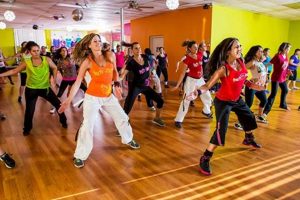
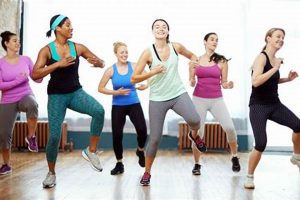
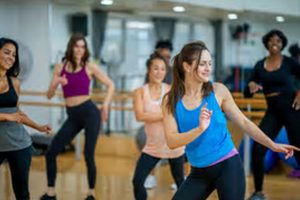
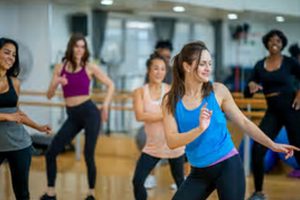
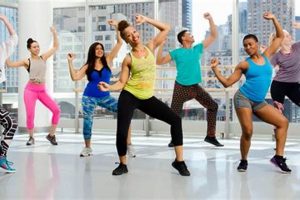
Zumba’s allure lies in its fusion of dance and fitness, creating an exercise regime accessible and enjoyable for a broad range of participants. This exercise method combines Latin and international music with dance moves, producing a dynamic and high-energy workout. An instance of the appeal is observed in increased cardiovascular fitness and improved coordination among individuals regularly participating in such activities.
The significance of this approach extends beyond mere physical activity; it fosters a sense of community and enhances psychological well-being. The rhythmic movements and social interaction contribute to stress reduction and improved mood. Historically, dance-based fitness programs have demonstrated efficacy in promoting adherence to exercise routines due to their inherently engaging nature.
The following sections will delve into specific advantages, covering aspects such as cardiovascular health, weight management, musculoskeletal benefits, and psychological enhancements, providing a detailed overview of the multifaceted effects of this popular fitness modality.
Guidance for Optimal Zumba Class Participation
The following recommendations are designed to maximize the effectiveness and safety of Zumba class participation. Adherence to these principles can enhance the overall fitness experience and reduce the risk of potential injury.
Tip 1: Consult with a Healthcare Professional. Prior to initiating any new exercise program, including Zumba, individuals should seek guidance from a qualified healthcare provider. This is particularly crucial for individuals with pre-existing medical conditions or those who have been sedentary.
Tip 2: Prioritize Proper Footwear. Wearing appropriate athletic shoes designed for lateral movement is essential. Shoes should provide adequate support and cushioning to minimize stress on joints during high-impact steps.
Tip 3: Maintain Hydration. Adequate hydration is critical for maintaining optimal performance and preventing dehydration. Participants should consume water before, during, and after the class.
Tip 4: Understand and Respect Personal Limitations. It is important to modify movements as needed to accommodate individual fitness levels and physical limitations. Avoid pushing beyond comfortable limits, especially when first starting.
Tip 5: Focus on Correct Form. Pay attention to the instructor’s guidance on proper technique. Correct form minimizes the risk of injury and maximizes the effectiveness of each movement.
Tip 6: Engage in a Proper Warm-up and Cool-down. A thorough warm-up prepares the muscles for activity, while a cool-down helps the body gradually return to a resting state. Both are essential components of a safe and effective exercise routine.
Tip 7: Listen to the Body. Pay attention to any pain or discomfort experienced during the class. If pain occurs, stop the exercise and consult with the instructor or a healthcare professional.
Consistent application of these strategies can lead to a more rewarding and injury-free experience within the Zumba fitness context, providing both short-term enjoyment and long-term health enhancements.
The subsequent section will offer further insights into optimizing the Zumba experience and maintaining long-term adherence to this fitness modality.
1. Cardiovascular Improvement

The positive impact on cardiovascular health is a central component of the overall advantages associated with regular Zumba participation. The dynamic nature of the workout engages multiple muscle groups, leading to a sustained elevation in heart rate and improved circulatory function.
- Elevated Heart Rate Response
Zumba’s choreography is designed to maintain target heart rate zones, promoting enhanced cardiovascular endurance. The alternating periods of high-intensity movements and active recovery optimize the heart’s efficiency in pumping blood and delivering oxygen to working muscles. This contributes to reduced risk of cardiovascular diseases.
- Improved VO2 Max
Consistent participation in Zumba classes can result in an increase in VO2 max, a measure of the body’s maximum capacity to transport and utilize oxygen during exercise. A higher VO2 max indicates improved cardiovascular fitness and overall aerobic capacity, leading to increased stamina and reduced fatigue during physical activities.
- Reduced Blood Pressure
Regular aerobic exercise, such as Zumba, has been shown to contribute to the lowering of blood pressure in individuals with hypertension or pre-hypertension. The increased blood flow and improved vascular function resulting from Zumba workouts can help to reduce the strain on the cardiovascular system, leading to lower blood pressure levels.
- Enhanced Lipid Profile
Zumba can positively influence lipid profiles, contributing to a decrease in levels of LDL cholesterol (“bad” cholesterol) and an increase in levels of HDL cholesterol (“good” cholesterol). This shift in lipid levels is beneficial for reducing the risk of atherosclerosis and other cardiovascular complications.
Collectively, these cardiovascular benefits underscore the utility of Zumba as a viable exercise option for promoting and maintaining heart health. The engaging nature of the activity encourages long-term adherence, maximizing its positive impact on cardiovascular function.
2. Weight Management

Effective weight management represents a key factor among the advantages derived from Zumba participation. The high-energy expenditure inherent in Zumba classes contributes to a caloric deficit, a fundamental principle in achieving and maintaining a healthy body weight. This aspect is of considerable relevance for individuals seeking to manage or reduce body mass.
- Caloric Expenditure
Zumba sessions typically involve continuous movement and a combination of aerobic and resistance exercises. This leads to a significant caloric burn, often exceeding that of more traditional workout routines. For example, a single hour-long class can result in the expenditure of several hundred calories, depending on the intensity and the individual’s physical characteristics. This contributes directly to the creation of a caloric deficit necessary for weight loss.
- Increased Metabolic Rate
Regular participation in Zumba can lead to an increase in basal metabolic rate (BMR), the rate at which the body burns calories at rest. This elevation in metabolism results from the increase in muscle mass and improved cardiovascular function, both of which are stimulated by Zumba workouts. A higher BMR facilitates weight management by increasing the body’s overall caloric consumption, even when not actively exercising.
- Fat Reduction
The combination of caloric expenditure and increased metabolic rate promotes the reduction of body fat. Zumba’s emphasis on dance-based movements engages multiple muscle groups, leading to a targeted reduction in fat stores. This is particularly evident in areas prone to fat accumulation, such as the abdomen, hips, and thighs. The sustained aerobic activity encourages the body to utilize stored fat as a primary energy source.
- Improved Body Composition
Weight management through Zumba extends beyond merely reducing the number on the scale. It facilitates improvements in body composition, characterized by a decrease in body fat percentage and an increase in lean muscle mass. This results in a more toned and defined physique, as well as enhanced overall health and functionality. The muscle-strengthening aspects of Zumba contribute to this favorable shift in body composition.
In conclusion, the benefits of Zumba in terms of weight management encompass multiple mechanisms, including direct caloric expenditure, increased metabolic rate, targeted fat reduction, and improved body composition. These factors collectively contribute to a more effective and sustainable approach to achieving and maintaining a healthy weight, further highlighting the comprehensive advantages of this exercise modality.
3. Enhanced Coordination

Zumbas impact on coordination is a significant yet often understated facet of its overall advantages. The choreographed routines require participants to synchronize movements with music, thereby stimulating neural pathways and improving motor skills. This necessitates the precise timing and control of body movements, fostering heightened kinesthetic awareness and response. Improved coordination directly enhances balance, agility, and reaction time, extending beyond the confines of the class into daily activities. For instance, individuals may find improvements in tasks requiring dexterity, such as driving or playing sports.
The requirement to learn and execute new dance steps cultivates cognitive flexibility, as participants must adapt to varying rhythms and movement patterns. This continuous process of learning and adapting enhances cognitive function, including memory and attention. A practical illustration is seen in the increased ability to multitask or learn new physical skills more readily. Moreover, the spatial awareness developed in navigating complex dance sequences translates to improved perception of the environment and safer movement in varied physical settings.
In summary, the correlation between Zumba and enhanced coordination encompasses not only physical dexterity but also cognitive agility. The activity’s focus on rhythmic movement and spatial awareness stimulates both motor and cognitive function, yielding practical improvements in everyday tasks and fostering a greater sense of physical competence. Addressing challenges such as initial difficulty with coordination can be overcome through consistent practice and modification of routines to suit individual capabilities, further emphasizing the accessibility and adaptability of Zumba as a fitness modality.
4. Stress Reduction
The relationship between Zumba participation and stress reduction constitutes a salient aspect of its benefits. The exercise modality facilitates the release of endorphins, neurotransmitters associated with mood elevation and pain reduction, thereby mitigating the physiological and psychological manifestations of stress.
- Endorphin Release
Physical exertion, such as that experienced during a Zumba class, triggers the release of endorphins. These neurochemicals act as natural mood elevators, reducing feelings of anxiety, depression, and general stress. The rhythmic and repetitive nature of the movements enhances this effect, inducing a sense of calm and well-being.
- Cortisol Regulation
Chronic stress is often associated with elevated levels of cortisol, a stress hormone that can have detrimental effects on various bodily systems. Engaging in regular Zumba activity can help regulate cortisol levels, preventing them from becoming chronically elevated. This, in turn, can mitigate the negative impacts of stress on the cardiovascular system, immune function, and mental health.
- Mindfulness and Distraction
The immersive nature of a Zumba class, characterized by its engaging music and dance routines, provides a form of distraction from daily stressors. The focus required to follow the choreography promotes a state of mindfulness, allowing participants to be fully present in the moment and temporarily detach from their worries and anxieties. This can provide a mental respite and reduce the cognitive load associated with stress.
- Social Interaction and Support
Zumba classes often foster a sense of community and social interaction among participants. Engaging with others in a positive and supportive environment can buffer against the negative effects of stress. Social support networks provide emotional validation, a sense of belonging, and opportunities for shared experiences, all of which contribute to improved mental well-being and reduced stress levels.
In summary, the stress-reducing effects of Zumba stem from a combination of physiological and psychological mechanisms. The release of endorphins, regulation of cortisol levels, promotion of mindfulness, and facilitation of social interaction collectively contribute to a reduction in perceived stress and an improvement in overall mental health, thereby highlighting the comprehensive advantage of Zumba as a stress-management tool.
5. Community Engagement

Participation in Zumba extends beyond individual physical activity, creating opportunities for community engagement with significant implications for overall well-being. The social dynamics inherent in group fitness settings contribute to a range of psychological and emotional benefits, enhancing the effectiveness and sustainability of the exercise regime.
- Shared Experience and Motivation
The collective nature of Zumba classes fosters a sense of shared experience among participants. Engaging in synchronized movements to music creates a bond, providing mutual support and encouragement. This shared experience can enhance motivation, leading to improved adherence to the fitness program and sustained participation over time. Individuals may be more likely to attend classes and exert greater effort when they feel a sense of connection with other participants.
- Social Support and Emotional Well-being
The community aspect of Zumba provides access to social support networks. Participants often form friendships and offer emotional support to one another, creating a positive and inclusive environment. This social interaction can buffer against stress, alleviate feelings of loneliness, and enhance overall emotional well-being. The supportive atmosphere can also increase self-esteem and confidence, as individuals feel accepted and encouraged by their peers.
- Increased Accountability
Participating in a group fitness class like Zumba can increase accountability. Individuals are more likely to adhere to their fitness goals when they know that others are relying on them and are aware of their progress. The social pressure to attend classes and maintain a consistent workout schedule can serve as a powerful motivator, particularly for those who struggle with self-discipline. The sense of responsibility to the group can enhance commitment and promote long-term adherence.
- Development of Social Skills
Zumba classes provide opportunities for the development of social skills. Interacting with other participants requires effective communication, cooperation, and empathy. These skills can be valuable in other areas of life, enhancing interpersonal relationships and fostering a greater sense of social competence. The inclusive and non-competitive nature of Zumba encourages individuals to interact with others from diverse backgrounds, promoting cross-cultural understanding and social integration.
In summation, the community engagement facilitated by Zumba enhances its value as a health-promoting activity. The shared experience, social support, increased accountability, and development of social skills collectively contribute to a more positive and sustainable fitness journey. These factors extend the benefits of Zumba beyond physical health, encompassing psychological and social dimensions that contribute to holistic well-being.
Frequently Asked Questions Regarding Zumba’s Advantages
The following section addresses common inquiries concerning the benefits associated with participation in Zumba classes, providing evidence-based responses to ensure clarity and accuracy.
Question 1: Does Zumba effectively contribute to weight loss?
Regular participation in Zumba can facilitate weight loss due to its high caloric expenditure. The intensity of the workouts, combined with the engaging nature of the activity, promotes a caloric deficit, which is essential for weight management.
Question 2: Are there cardiovascular advantages to attending Zumba classes?
Yes, Zumba provides a comprehensive cardiovascular workout. The rhythmic movements and varied intensity levels elevate heart rate, improving cardiovascular endurance and reducing the risk of cardiovascular diseases.
Question 3: Can Zumba improve coordination and balance?
Indeed, Zumba classes require participants to synchronize movements with music, enhancing coordination, balance, and motor skills. The need to learn and execute dance steps cultivates cognitive flexibility and spatial awareness.
Question 4: How does Zumba contribute to stress reduction?
Zumba promotes the release of endorphins, natural mood elevators that mitigate stress and anxiety. The immersive nature of the class, coupled with social interaction, provides a respite from daily stressors.
Question 5: Is Zumba suitable for individuals of all fitness levels?
Zumba can be adapted to suit various fitness levels. Instructors often provide modifications for different exercises, allowing participants to adjust the intensity according to their capabilities and limitations.
Question 6: What are the social advantages of attending Zumba classes?
Zumba fosters community engagement by providing a supportive and inclusive environment. The shared experience, social interaction, and increased accountability contribute to enhanced emotional well-being and sustained motivation.
The information provided here underscores the multifaceted advantages of Zumba, extending beyond mere physical fitness to encompass psychological and social dimensions.
The subsequent section will explore strategies for maximizing the Zumba experience and maintaining long-term adherence to this fitness modality.
Benefits of Zumba Class
This exploration has demonstrated the multifaceted nature of the advantages inherent in consistent Zumba participation. Cardiovascular improvement, effective weight management, enhanced coordination, significant stress reduction, and the fostering of robust community engagement represent key outcomes of this exercise modality. These elements collectively underscore the value of Zumba as a holistic approach to physical and mental well-being.
The observed benefits highlight the potential for integrating Zumba into a comprehensive wellness strategy. Continued investigation into the long-term impacts and the refinement of instructional methodologies will further optimize its efficacy as a public health tool. The sustained pursuit of physical and mental well-being through accessible and engaging avenues remains a critical endeavor.