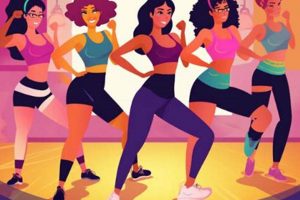
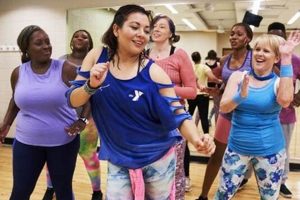
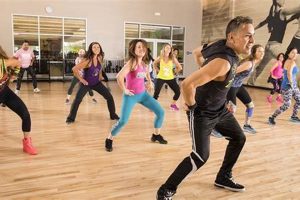
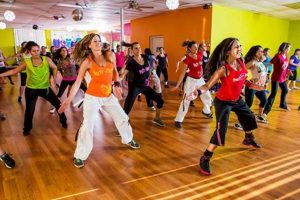
It is a fitness program that combines Latin and international music with dance moves. The routines incorporate interval training, alternating between fast and slow rhythms, and resistance training. This approach is designed to improve cardiovascular fitness, muscle conditioning, flexibility, and balance. An example involves following an instructor through a choreographed sequence set to upbeat Latin-inspired tunes.
The significance of this form of physical activity lies in its accessible and enjoyable approach to fitness. Its benefits extend beyond physical health, often enhancing mood and reducing stress due to the social and energetic nature of the classes. The program’s origins trace back to the mid-1990s, evolving from an accidental discovery by a fitness instructor into a globally recognized and widely practiced exercise regimen.
The following sections will delve into the specific dance styles integrated within the program, explore the various fitness components it addresses, and provide practical considerations for participation and potential modifications to suit individual needs.
Essential Guidance for Participation
Considerations prior to commencing this dance fitness program are outlined below to optimize the experience and mitigate potential risks.
Tip 1: Medical Consultation: Individuals with pre-existing health conditions, such as cardiovascular issues, musculoskeletal problems, or other chronic illnesses, should seek medical advice prior to participation. Medical clearance can ensure the activity is safe and appropriate.
Tip 2: Appropriate Attire: Opt for comfortable, breathable clothing that allows for a full range of motion. Athletic shoes providing adequate support and cushioning are crucial to prevent injuries to the feet and ankles.
Tip 3: Hydration: Adequate hydration is essential. Participants should drink water before, during, and after the activity to maintain fluid balance and prevent dehydration.
Tip 4: Proper Warm-up: A thorough warm-up prior to commencing the routines prepares the muscles for activity, reducing the risk of strains and sprains. Dynamic stretching exercises, such as arm circles and leg swings, are beneficial.
Tip 5: Gradual Progression: Beginners should start slowly and gradually increase the intensity and duration of the activity as their fitness level improves. Avoid overexertion in the initial stages.
Tip 6: Listen to the Body: Participants should pay attention to their body’s signals and stop if they experience pain, dizziness, or discomfort. Pushing through pain can lead to injuries.
Tip 7: Proper Form: Maintaining correct posture and form during the dance movements is crucial to prevent injuries. If uncertain about proper technique, seek guidance from the instructor.
Adhering to these guidelines can contribute to a safe and effective fitness experience. Prioritization of health and safety allows for the full enjoyment of the potential benefits.
The subsequent sections will explore modification strategies and long-term maintenance considerations for sustained participation.
1. Dance-fitness fusion

Dance-fitness fusion represents the foundational principle upon which a fitness program is built. The integration of dance movements with traditional fitness elements results in a workout regimen that is both engaging and effective. Specifically, the program derives its structure from this fusion by incorporating choreographed dance routines designed to elevate heart rate, improve coordination, and enhance muscular endurance. For example, the inclusion of salsa steps not only contributes to cardiovascular fitness but also strengthens core muscles. The combination of these dance-inspired actions with established fitness principles ensures a multifaceted workout that appeals to a broad range of participants.
The success of the program as a popular fitness modality stems directly from this dance-fitness fusion. By circumventing the monotony often associated with conventional exercise, it provides a motivating alternative. The inherent rhythm and musicality of the routines encourages sustained participation and adherence to the workout. Consider a scenario where an individual, initially hesitant about engaging in fitness activities, finds enjoyment and achieves consistent exercise through this style. This illustrates the tangible impact of the fusion, transforming a chore into an enjoyable pursuit, contributing to improved fitness levels and overall well-being.
In essence, dance-fitness fusion is not merely an incidental element but rather the core engine driving its effectiveness and appeal. Without this integration, it would devolve into either a standard dance class or a conventional fitness program, lacking the unique synergy that defines its widespread adoption. The understanding of this connection is critical for both instructors designing routines and participants seeking to optimize their experience. The program’s focus on dance-fitness fusion underscores the importance of making physical activity an engaging and sustainable lifestyle component.
2. Latin-inspired rhythms

The incorporation of Latin-inspired rhythms is a fundamental characteristic of the fitness program. These rhythms dictate the movement patterns, energy, and overall aesthetic of the exercise modality, distinguishing it from other fitness disciplines. The integration of specific musical and dance forms from Latin America and beyond is a deliberate strategy to enhance enjoyment and promote adherence to the program.
- Musical Foundation
The program draws extensively from genres such as salsa, merengue, cumbia, reggaeton, and samba. These musical styles provide a dynamic and diverse soundscape that influences the choreography. For instance, a salsa track will typically elicit quick, rhythmic steps, while a cumbia beat promotes a swaying, circular motion. This varied musical foundation prevents monotony and caters to diverse preferences.
- Choreographic Structure
The rhythms directly influence the choreography, dictating the sequence and tempo of movements. Instructors construct routines that synchronize with the musical phrasing, creating a cohesive and engaging experience. The emphasis on syncopation and polyrhythms challenges participants’ coordination and enhances their sense of rhythm. The combination of predictable structures with unexpected variations maintains interest and prevents plateauing.
- Cultural Authenticity
While adapted for fitness purposes, the program strives to maintain a degree of cultural authenticity in its integration of Latin dance styles. Instructors often incorporate traditional steps and movements, providing participants with a glimpse into the cultural context of the music and dance. This cultural element adds depth to the experience, fostering appreciation for the origins of the rhythms and movements.
- Motivational Impact
The upbeat and energetic nature of Latin-inspired rhythms contributes significantly to the motivational aspect of the program. The music evokes positive emotions and encourages participants to move with enthusiasm. The combination of familiar and novel rhythms creates a sense of discovery and excitement, promoting sustained engagement and adherence to the fitness regimen. The high-energy atmosphere fostered by the music is a key factor in its widespread appeal.
The integration of these Latin-inspired rhythms transforms a potentially mundane workout into a dynamic and culturally infused experience. The specific musical foundation, choreographic structure, pursuit of cultural authenticity, and motivational impact collectively define the program’s unique identity and contribute to its effectiveness as a widely adopted fitness method. The focus on making exercise enjoyable and engaging is a core principle realized through the strategic application of Latin musical traditions.
3. Interval-training dynamics

The integration of interval-training dynamics represents a core mechanism through which a specific dance fitness program achieves its physiological benefits. This methodology involves alternating between high-intensity bursts of activity and periods of lower-intensity recovery or rest. Within this dance-centered fitness approach, the choreography is strategically designed to incorporate these fluctuations in intensity, maximizing caloric expenditure and enhancing cardiovascular conditioning. For example, a routine might transition from a fast-paced salsa sequence (high intensity) to a slower, controlled cumbia movement (lower intensity recovery). The cause and effect are evident: the high-intensity intervals elevate heart rate and metabolic demand, while the recovery periods allow for partial replenishment of energy stores and prevent excessive fatigue. The importance of interval-training dynamics lies in its ability to stimulate greater improvements in aerobic capacity, anaerobic threshold, and fat oxidation compared to continuous moderate-intensity exercise.
The practical application of interval-training within a dance fitness class also allows for greater accessibility and participation across various fitness levels. Instructors often provide modifications and regressions of movements, enabling individuals to adjust the intensity of the high-intensity intervals to suit their personal capabilities. Consider a scenario where an experienced participant executes a high-impact jump during a specific dance sequence, while a beginner performs a modified low-impact version of the same movement. This adaptability ensures that individuals can safely and effectively engage in interval training without exceeding their physical limitations. This approach not only maximizes the fitness benefits but also fosters a sense of inclusivity and encourages continued participation.
In summary, the strategic integration of interval-training dynamics is a critical component of the discussed dance fitness program, contributing significantly to its effectiveness and broad appeal. The alternating periods of high and low intensity optimize physiological adaptations, while the adaptability of the choreography allows for inclusivity across fitness levels. While challenges may arise in precisely quantifying the intensity levels within a dance-based format, the overall benefits of interval training in enhancing cardiovascular fitness and promoting weight management are well-established and integral to the program’s success. The effectiveness depends on clear instruction and participants self-awareness of their physical limits.
4. Calorie-burning potential

The degree of energy expenditure during a specific dance fitness program is a prominent factor driving its popularity and perceived effectiveness as a weight-management tool. The energetic nature of the routines, coupled with the interval-training dynamics and the utilization of large muscle groups, contributes significantly to the total caloric output.
- Intensity Level and Caloric Expenditure
The intensity at which a dance fitness class is performed is directly correlated with the number of calories burned. Higher-intensity sequences, such as those involving rapid movements and jumps, require greater energy expenditure compared to lower-intensity recovery periods. The variability in intensity throughout a class results in an oscillating energy demand, further enhancing the overall caloric burn. For instance, a participant engaging in a vigorous routine for 60 minutes may expend a substantial amount of energy, contributing to a negative energy balance conducive to weight loss.
- Metabolic Impact of Muscle Engagement
The routines often incorporate movements that engage multiple muscle groups simultaneously. Compound movements, such as squats, lunges, and core-engaging steps, increase the metabolic demand during the exercise session. The greater the number of muscle groups involved, the higher the energy expenditure and the greater the potential for long-term metabolic adaptations. The activation of these muscles contributes not only to immediate calorie burn but also to an increase in resting metabolic rate over time.
- Influence of Class Duration and Frequency
The duration and frequency of participation in a dance fitness program directly influence the overall caloric deficit achieved. Longer classes and more frequent sessions result in a cumulative increase in energy expenditure. For example, attending three 60-minute classes per week will yield a significantly greater caloric burn compared to attending a single 30-minute session. Consistent participation is a critical determinant of the program’s effectiveness as a weight-management strategy.
- Individual Factors and Caloric Variance
Individual factors, such as body weight, fitness level, age, and metabolic rate, can significantly influence the number of calories burned during the activity. Individuals with higher body weights and lower fitness levels typically expend more calories compared to those with lower body weights and higher fitness levels. It is essential to acknowledge that caloric expenditure is not uniform across all participants. Individualized adjustments to intensity and duration may be necessary to optimize results.
The caloric expenditure associated with the dance fitness program is a multifaceted phenomenon influenced by various factors. The intensity level, muscle engagement, class duration and frequency, and individual characteristics all contribute to the overall caloric output. The effectiveness of the program as a weight-management tool is contingent upon consistent participation and personalized adjustments to optimize energy expenditure and promote a negative energy balance. The integration of this specific activity with a comprehensive dietary strategy is essential for achieving sustainable weight loss.
5. Cardiovascular enhancement

Cardiovascular enhancement is a primary benefit derived from participation in the aforementioned dance fitness program. The program’s structure, incorporating both aerobic and anaerobic elements, directly impacts cardiovascular function. The elevated heart rate and increased blood flow during the activity promote improved cardiovascular health.
- Aerobic Activity and Heart Health
The continuous rhythmic movements characteristic of the program qualify it as an aerobic activity. Regular aerobic exercise strengthens the heart muscle, increasing its efficiency and reducing the risk of cardiovascular diseases. For instance, consistent participation can lower resting heart rate and blood pressure, key indicators of cardiovascular fitness. The program’s emphasis on sustained movement ensures that the heart is consistently challenged, leading to tangible improvements in cardiovascular function.
- Interval Training and Cardiac Output
The incorporation of interval training, alternating between high and low-intensity segments, further enhances cardiovascular benefits. The high-intensity intervals demand a rapid increase in cardiac output, forcing the heart to pump more blood per beat. This adaptation strengthens the heart’s ability to respond to increased demands, improving overall cardiovascular performance. These bursts of activity contribute to enhanced cardiac output and oxygen delivery to working muscles.
- Improved Vascular Function
Regular participation promotes improvements in vascular function, specifically increasing the elasticity of blood vessels. This enhanced elasticity reduces the resistance to blood flow, lowering blood pressure and improving circulation. Improved vascular function can mitigate the risk of atherosclerosis and other vascular diseases. The consistent movement helps maintain healthy blood vessel walls, thereby fostering long-term cardiovascular well-being.
- Reduced Risk Factors for Cardiovascular Disease
Consistent engagement in the program is associated with a reduction in several risk factors for cardiovascular disease. These risk factors include elevated cholesterol levels, high blood pressure, obesity, and insulin resistance. The combination of aerobic activity, interval training, and potential weight management benefits collectively contribute to a reduced risk profile for cardiovascular ailments. This synergistic effect underscores the program’s comprehensive approach to promoting cardiovascular health.
The observed enhancements in cardiovascular function are directly attributable to the program’s unique blend of dance, music, and fitness principles. The sustained aerobic activity, coupled with the dynamic interval training, promotes a range of beneficial adaptations that contribute to improved heart health and reduced risk of cardiovascular disease. The integration of cardiovascular exercise within an enjoyable and accessible format enhances adherence and maximizes long-term benefits.
6. Group fitness setting

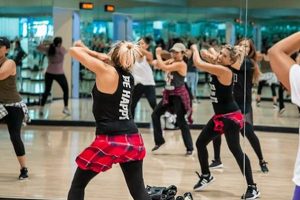
The group fitness setting is integral to the experience and perceived benefits of a dance-based fitness program. The cause is evident: participation in a collective exercise environment fosters motivation, adherence, and a sense of community, all of which directly impact an individual’s engagement and results. The importance of this setting lies in its ability to transform a potentially solitary activity into a shared, supportive experience. For instance, individuals new to exercise or intimidated by traditional gym settings often find comfort and encouragement in the non-competitive, social atmosphere of a group dance class. The presence of others striving toward similar goals provides a tangible source of motivation and accountability.
The effects extend beyond mere motivation. The collective energy of the group enhances the enjoyment of the activity, making it less of a chore and more of a social outlet. A real-world example involves participants forming friendships within the class, leading to increased attendance and sustained engagement over time. This social connection reinforces positive behavior and reduces the likelihood of individuals discontinuing the program. Moreover, the group setting facilitates learning through observation and imitation. Participants can learn new steps and improve their technique by watching others, creating a dynamic and interactive learning environment.
In conclusion, the group setting is not merely an incidental aspect but a crucial component contributing to its overall effectiveness and popularity. The social support, enhanced motivation, and improved learning environment foster adherence and contribute to positive outcomes. Challenges may arise in managing group dynamics and catering to diverse fitness levels, but the benefits of the group setting generally outweigh these challenges. Recognizing the importance of this element allows instructors to cultivate a supportive and inclusive environment, maximizing the positive impact on participants’ fitness journeys.
7. Adaptable intensity levels

The capacity to modify the strenuousness of a fitness program is a critical determinant of its accessibility and suitability for a diverse population. Within dance-based fitness, the adjustability of exertion levels is particularly salient due to the inherent variability in individuals’ physical capabilities and prior experience. This adaptability is a defining characteristic contributing to its widespread appeal and effectiveness.
- Movement Modification
The primary mechanism through which intensity is adjusted involves the modification of dance movements. Instructors can offer variations of steps that range from low-impact to high-impact, allowing participants to select the option that aligns with their fitness level and physical limitations. For example, a jump can be substituted with a step-touch, reducing the stress on joints while maintaining the rhythmic flow. This customization ensures that individuals can participate without risking injury or overexertion.
- Tempo Regulation
The speed at which a routine is performed directly influences the intensity of the workout. Instructors can manipulate the tempo of the music and the associated movements to either increase or decrease the overall exertion level. A slower tempo allows participants to focus on proper form and control, while a faster tempo elevates the cardiovascular demand. This flexibility in tempo regulation enables instructors to tailor the class to the collective abilities of the participants.
- Range of Motion Adjustment
The amplitude of movements can be modified to alter the intensity. Smaller, more controlled movements require less energy and place less stress on joints, while larger, more expansive movements increase the cardiovascular and muscular demands. Instructors can encourage participants to adjust the range of motion of their movements to match their individual comfort level and fitness goals. This individualized approach allows participants to progress gradually and safely.
- Addition of Resistance
While not always a standard component, resistance can be incorporated to further increase the intensity. This may involve using light dumbbells or resistance bands during specific portions of the routine. The addition of resistance challenges the muscles more directly, increasing strength and endurance. However, the use of resistance should be carefully monitored and adjusted to prevent injury, particularly for individuals with limited experience or pre-existing conditions.
The capacity to adapt the intensity of a dance fitness class is essential for promoting inclusivity and maximizing individual benefits. The modifications of movements, regulation of tempo, adjustment of range of motion, and potential addition of resistance collectively contribute to a versatile and accessible exercise modality. The strategic implementation of these adaptable features ensures that individuals of varying fitness levels can participate safely and effectively, realizing the program’s potential for improving cardiovascular health, muscular strength, and overall well-being.
Frequently Asked Questions Regarding Zumba Exercise Classes
This section addresses common inquiries and clarifies misconceptions surrounding the nature, benefits, and practical considerations of participation.
Question 1: What is the primary focus of a Zumba exercise class?
The primary focus is to provide a fitness program combining dance movements with aerobic exercise. The program aims to improve cardiovascular health, muscular endurance, and coordination through routines set to Latin and international music.
Question 2: Is prior dance experience a prerequisite for participation?
Prior dance experience is not a prerequisite. The classes are designed to be accessible to individuals of all fitness levels and with varying degrees of dance experience. Instructors typically provide modifications and variations of movements to accommodate beginners.
Question 3: What type of clothing and footwear is recommended?
Comfortable, breathable clothing that allows for a full range of motion is recommended. Athletic shoes providing adequate support and cushioning are essential to prevent injuries during the dynamic movements.
Question 4: How many calories can be expected to be burned in a typical session?
Caloric expenditure varies depending on individual factors such as body weight, fitness level, and intensity of participation. However, a typical 60-minute session can result in a significant calorie burn, contributing to weight management goals.
Question 5: Are there any potential risks or contraindications associated with participation?
Individuals with pre-existing health conditions, such as cardiovascular issues, musculoskeletal problems, or other chronic illnesses, should consult with a healthcare professional prior to participation. Adhering to proper form and listening to the body’s signals can mitigate the risk of injury.
Question 6: What is the role of the instructor in a class?
The instructor’s role is to lead the class through the routines, provide guidance on proper form, offer modifications for different fitness levels, and create a motivating and inclusive environment. The instructor’s expertise is crucial for ensuring a safe and effective exercise experience.
Understanding these fundamentals can help potential participants make informed decisions about incorporating this form of exercise into their fitness regimen.
The subsequent sections will present advanced strategies for maximizing benefits and maintaining long-term participation.
Conclusion
This article has comprehensively examined the essence of the fitness program. It has elucidated the core elements, including its dance-fitness fusion, Latin-inspired rhythms, interval-training dynamics, calorie-burning potential, cardiovascular enhancement, group fitness setting, and adaptable intensity levels. Each element contributes uniquely to the program’s overall effectiveness and appeal.
The information provided serves as a foundation for making informed decisions about participation. Further investigation into specific routines, instructor qualifications, and individual health considerations is encouraged. The potential benefits of consistent engagement extend beyond physical well-being, impacting social and emotional aspects of life. The exploration provided reinforces the program’s significance as an accessible and engaging fitness option.