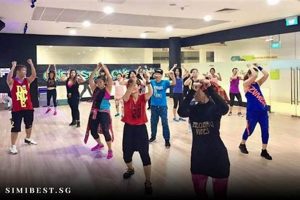
A carefully curated compilation of songs significantly impacts the effectiveness and enjoyment of a group fitness dance session. Selection criteria typically include tempo, rhythm, and genre, all tailored to motivate participants and facilitate specific movements. For example, a high-energy Latin beat might accompany a series of fast-paced steps, while a slower, more sensual rhythm could be used for cool-down exercises.
The impact of musical accompaniment extends beyond mere entertainment. Properly chosen audio tracks enhance participant engagement, improve cardiovascular fitness, and contribute to a positive emotional experience. Historically, instructors have recognized the value of music in exercise, adapting selections based on audience response and evolving trends in popular music. This careful consideration of sonic elements maximizes the physiological and psychological benefits derived from the physical activity.
Understanding the core attributes of effective musical accompaniment sets the stage for a deeper exploration. Subsequent sections will examine the specific criteria for selecting tracks, methods for creating a balanced and engaging flow, and strategies for adapting content to meet diverse participant needs and preferences.
Optimizing the Dance Fitness Session
Careful selection and structuring significantly enhance the effectiveness of a dance fitness session, contributing to improved participant engagement and fitness outcomes.
Tip 1: Tempo Variety. Incorporate a diverse range of tempos to target different energy levels and muscle groups. Alternating high-intensity tracks with moderate-intensity selections can improve overall cardiovascular endurance and prevent fatigue.
Tip 2: Genre Diversification. Explore various musical genres to broaden appeal and maintain participant interest. Latin, hip-hop, pop, and international rhythms can be integrated to create a dynamic and engaging experience.
Tip 3: Structure Considerations. Design the session with a clear arc, including a warm-up phase, a high-intensity core, and a cool-down period. Match musical selections to the intended intensity and activity level of each phase.
Tip 4: Beat Matching. Select tracks with consistent and easily identifiable beats to facilitate rhythmic movement and coordination. Avoid tracks with complex or unpredictable rhythms that may confuse participants.
Tip 5: Familiarity and Novelty. Balance familiar, popular tunes with lesser-known selections to cater to diverse preferences. Familiar tracks can provide a sense of comfort, while new selections introduce variety and prevent monotony.
Tip 6: Cultural Sensitivity. Exercise caution when incorporating music from different cultures, ensuring respect and accuracy in movement and interpretation. Research and understanding are essential to avoid cultural appropriation.
Tip 7: Legal Compliance. Ensure that all music used is properly licensed and complies with copyright regulations. Obtain necessary permissions or subscriptions to avoid legal issues.
Applying these guidelines enhances the overall impact of the dance fitness session. The strategic use of musical elements results in increased engagement, improved fitness outcomes, and a more positive experience for all participants.
The subsequent section will delve into specific strategies for creating a well-balanced and engaging session structure that caters to diverse participant needs.
1. Tempo and Rhythm

The interplay of tempo and rhythm forms the foundational structure of an effective dance fitness musical accompaniment. Its proper manipulation directly impacts participant engagement, physiological response, and the overall success of the choreographed session.
- Tempo Modulation
Tempo, measured in beats per minute (BPM), dictates the speed of the music and, consequently, the intensity of the exercise. A high BPM, typically above 130, is suitable for high-energy routines, stimulating cardiovascular activity. Conversely, lower BPM ranges, around 100-120, are appropriate for warm-up and cool-down segments, allowing for controlled movements and muscle recovery. Gradual tempo increases within a session can progressively elevate exertion levels, optimizing fitness benefits.
- Rhythmic Complexity
Rhythm encompasses the patterns of accented and unaccented beats. Simple, repetitive rhythmic structures are generally preferred for ease of following, particularly for participants with varying levels of dance experience. Syncopation, or the displacement of accents, can add complexity and challenge coordination, but should be used judiciously to avoid overwhelming participants. Complex rhythmic arrangements are often better suited for advanced classes.
- Synchronization with Movement
The congruity between musical rhythm and dance movements is paramount. When the rhythm of the music aligns seamlessly with the steps, participants experience a sense of flow and heightened engagement. This synchronization optimizes muscle activation and improves coordination. Mismatched rhythms can lead to frustration and decreased participation rates. Choreography must be meticulously adapted to the rhythmic structure of the selected music.
- Impact on Perceived Exertion
Music can effectively mask the feeling of physical exertion. Upbeat tempos and engaging rhythms can distract participants from fatigue, enabling them to sustain higher levels of activity for longer durations. Conversely, monotonous or poorly synchronized music can amplify the perception of effort, leading to premature fatigue and reduced motivation. The psychological effect of rhythm and tempo is a crucial factor in maximizing the effectiveness of a fitness session.
In summation, the careful calibration of tempo and rhythm is indispensable to crafting a successful selection of audio tracks. Its thoughtful implementation not only enhances the enjoyment of the activity but also optimizes the physiological and psychological benefits derived by participants. The synergy between music and movement is the cornerstone of an effective dance fitness experience.
2. Genre Variety

The incorporation of diverse musical genres significantly influences the efficacy and appeal of a dance fitness session. The strategic implementation of varied musical styles transcends mere entertainment, contributing to enhanced participant engagement, expanded physical benefits, and a more inclusive environment.
- Increased Participant Engagement
Exposure to a range of musical genres can maintain interest and prevent monotony. A session incorporating Latin rhythms, hip-hop beats, and pop melodies can cater to diverse preferences, leading to increased attendance and participation rates. A playlist that exclusively features one genre may alienate potential attendees or lead to disengagement over time.
- Expanded Physical Benefits
Different musical genres often correlate with distinct movement patterns and intensities. Latin music, for instance, may encourage hip movements and core engagement, while hip-hop can promote agility and lower body strength. Integrating various styles facilitates a more comprehensive workout, targeting a broader range of muscle groups and improving overall fitness levels.
- Enhanced Cultural Awareness
The incorporation of international music styles can expose participants to diverse cultures and traditions. When implemented respectfully and accurately, this integration can foster cultural awareness and promote inclusivity. Careful research and sensitivity are essential to avoid cultural appropriation and misrepresentation.
- Adaptability to Diverse Demographics
A varied musical selection allows instructors to tailor sessions to the specific preferences and needs of their participants. Considering the age, cultural background, and fitness levels of attendees, instructors can curate a playlist that resonates with the majority while still introducing new and exciting sounds. This adaptability is crucial for creating an inclusive and welcoming environment for all participants.
The strategic incorporation of musical styles into the dance fitness experience extends beyond mere entertainment. This careful curation fosters increased engagement, amplifies physical benefits, promotes cultural sensitivity, and facilitates adaptability. The thoughtful selection of diverse musical styles contributes significantly to the creation of a more inclusive and effective fitness program, optimizing benefits for participants.
3. Motivational Lyrics

The inclusion of lyrical content featuring motivational themes represents a significant element in the composition of an effective musical selection for group fitness activities. This aspect directly influences participant engagement, perceived exertion, and the overall efficacy of the exercise regimen.
- Enhancement of Psychological Engagement
Lyrical content that promotes empowerment, perseverance, and positive self-image can psychologically reinforce the benefits of exercise. Songs with themes of overcoming challenges or achieving goals can resonate with participants, fostering a sense of accomplishment and increasing motivation to continue. For example, tracks with affirmations of strength and resilience are frequently incorporated during high-intensity portions of a session to bolster participants’ mental fortitude.
- Synchronization of Movement and Meaning
When the lyrical message aligns with the physical movements, participants experience a heightened sense of connection to the exercise. For instance, a song about pushing limits can be strategically placed during a particularly challenging sequence, creating a synergistic effect that amplifies the impact of both the music and the movement. This synchronization strengthens the association between physical activity and positive emotions.
- Influence on Perceived Exertion
Motivational lyrics can divert attention from the physical discomfort associated with strenuous exercise. Engaging lyrical content can serve as a distraction, reducing the perception of fatigue and enabling participants to sustain higher levels of exertion for longer durations. The selection of tracks with uplifting and encouraging lyrics can be a valuable tool in mitigating the perceived difficulty of the workout.
- Promotion of a Positive Group Dynamic
Songs with universal themes of unity, support, and camaraderie can foster a sense of community within the group fitness environment. Lyrical content that encourages participants to support one another can create a more inclusive and welcoming atmosphere. This sense of shared purpose can enhance motivation and encourage continued participation. The careful selection of songs with positive social messages can contribute to a more cohesive and supportive group dynamic.
These characteristics underscore the importance of incorporating motivational lyrics within the musical selection. Thoughtful selection can increase engagement, decrease perceived exertion, and promote a more positive and supportive exercise environment. The strategic integration of motivational themes represents a key element in maximizing the overall benefit derived from dance fitness.
4. Cultural Appropriateness
The selection process for a group fitness dance session demands careful consideration of cultural origins and implications. The unexamined incorporation of music or dance styles can lead to cultural appropriation, which can be defined as the adoption or use of elements of a minority culture by members of the dominant culture in a way that disrespects the original meaning, gives credit to others, or benefits the dominant group. In the context of group fitness, this can manifest in the use of rhythms, movements, or musical arrangements without proper understanding or acknowledgment of their heritage. A cause-and-effect relationship exists between inadequate research and the perpetuation of harmful stereotypes, reinforcing power imbalances and misrepresenting traditions. Cultural appropriateness, therefore, is not merely a matter of etiquette but a fundamental component of responsible instruction.
The practical significance of this understanding is exemplified by instances where instructors have faced criticism for using sacred or culturally sensitive music or dance moves out of context. The misinterpretation of traditional dance forms, like those from Afro-Caribbean or Indigenous cultures, as merely “exotic” exercises, disregards their historical, spiritual, and social significance. Proper practice involves diligent research into the cultural origins of the music and movement, consultation with experts or members of the originating community, and the incorporation of educational elements into the session. These steps promote respect, authenticity, and a deeper understanding of the cultural heritage being represented. Instructors might also choose to feature artists and musicians from the cultures represented, thus providing visibility and economic support where it is due.
In summary, the ethical considerations of cultural representation are paramount in the development of musical content for dance fitness. The disregard for cultural appropriateness carries the risk of perpetuating harmful stereotypes and undermining the integrity of traditions. By emphasizing respectful research, authentic representation, and the inclusion of educational elements, instructors can foster an environment of cultural sensitivity and promote a more equitable and inclusive fitness experience. This commitment extends beyond simply choosing the “right” songs; it demands a conscious and ongoing engagement with the cultures represented, ensuring that respect and understanding are integral to the practice.
5. Licensing Compliance

The lawful utilization of musical compositions is a paramount consideration in the compilation of tracks for group fitness instruction. Failure to adhere to copyright regulations can result in legal repercussions and financial penalties for instructors and facilities alike. Navigating the complexities of licensing requires a comprehensive understanding of applicable laws and available resources.
- Performance Rights Organizations (PROs)
PROs, such as ASCAP, BMI, and SESAC in the United States, administer the public performance rights for copyright holders. Facilities and instructors typically require licenses from these organizations to legally play copyrighted music during fitness classes. The cost of these licenses varies depending on factors such as the size of the facility, the number of classes offered, and the scope of the musical repertoire. For instance, a large fitness center offering multiple daily sessions may incur significantly higher licensing fees than a smaller, independent studio.
- Synchronization Licenses
Synchronization licenses are necessary when music is combined with visual elements, such as in a fitness video or online class. These licenses are typically obtained directly from the copyright holder or their representative. The process of securing synchronization rights can be more complex and expensive than obtaining performance rights, particularly for well-known or popular tracks. For example, using a copyrighted song in a promotional video requires both performance and synchronization licenses.
- Digital Music Services and Streaming Platforms
While streaming platforms offer convenient access to vast music libraries, their terms of service often prohibit the use of music for commercial purposes, including group fitness instruction. Some platforms offer specialized licensing options for businesses, but it is crucial to carefully review the terms and conditions to ensure compliance. Utilizing a personal streaming account in a public class setting typically constitutes a violation of copyright law. The use of commercially licensed music streaming services designed for fitness instruction provides a legally compliant alternative.
- Royalty-Free Music
Royalty-free music provides an alternative to traditional licensing models. While often marketed as “free,” royalty-free music typically involves a one-time purchase of a license that grants the right to use the music in specific contexts, including fitness classes. It is imperative to carefully examine the terms of the license to understand the permitted uses and any restrictions. A common misconception is that royalty-free music is always free of charge; in most cases, a fee is required to acquire the usage rights.
The legal utilization of musical compositions is not merely a formality; it is a fundamental aspect of ethical and responsible practice. By understanding the nuances of performance rights, synchronization licenses, digital music services, and royalty-free options, instructors and facilities can ensure compliance with copyright laws and avoid potential legal ramifications. The selection of legally sound musical content contributes to the sustainability and integrity of the group fitness industry.
Frequently Asked Questions
This section addresses common inquiries and misconceptions concerning the selection and utilization of tracks in dance-oriented group fitness settings. The responses provided are intended to offer clarity and guidance on best practices.
Question 1: What are the primary criteria for selecting tracks?
Selection criteria encompass tempo, rhythm, genre, lyrical content, and cultural appropriateness. Tempo should align with the intended intensity of the exercise segment. Rhythm should be easily discernible to facilitate synchronized movement. Genre variety maintains participant engagement. Lyrical content should be motivational and appropriate. Cultural elements must be incorporated respectfully and accurately.
Question 2: How can instructors ensure compliance with copyright regulations?
Compliance is achieved through obtaining licenses from Performance Rights Organizations (PROs) such as ASCAP, BMI, and SESAC. If utilizing music in video format, synchronization licenses may also be required. The terms of service for digital music services and streaming platforms should be carefully reviewed to ensure commercial use is permitted. Alternatively, royalty-free music options can be considered, provided the licensing terms are thoroughly understood.
Question 3: What constitutes cultural appropriation in music selection?
Cultural appropriation occurs when elements of a minority culture are used without proper understanding, respect, or acknowledgment. Examples include using sacred or culturally significant music out of context, misrepresenting traditional dance forms, or failing to credit the originators. Responsible practice involves thorough research, consultation with cultural experts, and the incorporation of educational elements into the session.
Question 4: How important is genre variety in maintaining participant engagement?
Genre variety is critical for sustained participant engagement. Exposure to different musical styles prevents monotony and caters to diverse preferences. This can increase attendance rates and improve overall participant satisfaction. A selection limited to a single genre may alienate potential attendees and lead to disengagement over time.
Question 5: How can motivational lyrics enhance the effectiveness of a session?
Motivational lyrics can psychologically reinforce the benefits of exercise by promoting empowerment, perseverance, and positive self-image. When synchronized with movement, these lyrics can heighten the sense of connection to the exercise. Furthermore, motivational lyrics can divert attention from physical discomfort, reducing the perception of fatigue and enabling participants to sustain higher levels of exertion.
Question 6: How can instructors adapt musical selections to accommodate diverse participant needs?
Adaptation involves considering the age, cultural background, and fitness levels of attendees. Instructors should curate a collection that resonates with the majority while also introducing new and exciting sounds. This adaptability is crucial for creating an inclusive and welcoming environment for all participants. Sensitivity and awareness of individual differences are essential.
These responses provide a foundation for navigating the complexities of selecting tracks in group fitness. Adherence to these principles promotes a more effective, ethical, and legally sound practice.
The subsequent section will provide a concluding summary of the key principles discussed.
Conclusion
The preceding examination of the compilation of audio tracks for dance fitness has elucidated critical considerations impacting session efficacy and legal compliance. Key areas explored encompass tempo and rhythm manipulation, genre diversification, the incorporation of motivational lyrics, adherence to principles of cultural appropriateness, and the imperative of licensing compliance. The strategic application of these principles directly influences participant engagement, physiological outcomes, and the overall integrity of instructional practices.
The effective curation of this collection, therefore, represents more than a mere logistical task; it demands a comprehensive understanding of musical elements, cultural sensitivities, and legal requirements. Neglecting these factors risks diminished participant engagement, potential legal repercussions, and the perpetuation of cultural misrepresentation. Continued vigilance and a commitment to informed practice are essential to ensuring the sustained success and ethical operation of dance fitness programs. Further research and professional development remain crucial to navigating the evolving landscape of musical licensing and cultural awareness in the fitness industry.