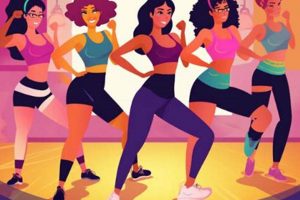
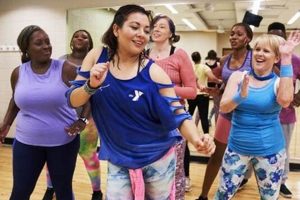
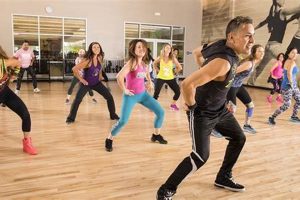
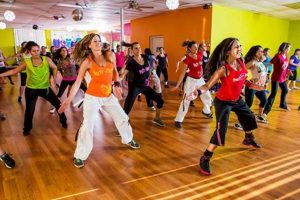
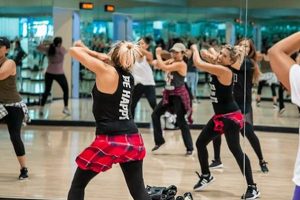
Appropriate attire for Zumba sessions involves garments that facilitate unrestricted movement and wick away moisture. The selection of clothing impacts comfort and performance during the physical activity. For example, breathable fabrics and supportive footwear are commonly recommended to enhance the exercise experience.
Adherence to suggested clothing guidelines promotes safety and allows for optimal participation. Selecting appropriate garments reduces the risk of injury and supports effective movement execution. Historically, emphasis on appropriate exercise wear has evolved alongside a growing understanding of biomechanics and physical activity requirements.
The subsequent sections will detail specific recommendations regarding tops, bottoms, footwear, and accessories suitable for this type of exercise. Considerations will also be given to how personal preferences can be accommodated within the framework of practical and safe clothing choices.
Guidelines for Zumba Attire
The following recommendations provide guidance for selecting appropriate garments for Zumba sessions, prioritizing comfort, safety, and unrestricted movement.
Tip 1: Prioritize Breathable Fabrics: Opt for materials like moisture-wicking synthetics or cotton blends to facilitate ventilation and prevent overheating during intense physical activity. Garments made of such materials enhance comfort and reduce the risk of skin irritation.
Tip 2: Ensure Unrestricted Range of Motion: Choose clothing that allows for a full range of movement without constriction. Avoid tight-fitting garments that may impede circulation or limit flexibility. Loose-fitting athletic wear generally provides the necessary freedom.
Tip 3: Select Supportive Footwear: Proper footwear is essential for impact absorption and stability. Cross-training shoes or dance sneakers with adequate cushioning and lateral support are recommended. Avoid running shoes with excessive tread, as they can hinder pivoting movements.
Tip 4: Layer Clothing as Needed: Be prepared to adjust clothing layers based on individual temperature preferences and the intensity of the workout. A light jacket or wrap can be removed as the body warms up.
Tip 5: Consider Studio Environment: Be mindful of the studio’s temperature and flooring. Adapt attire accordingly, opting for long sleeves or pants if the environment is cooler, and ensuring footwear is suitable for the floor surface.
Tip 6: Secure Accessories Appropriately: Ensure that jewelry, scarves, or other accessories are securely fastened to prevent them from becoming a hazard during activity. Avoid wearing dangling earrings or loose necklaces that could get caught or cause injury.
Tip 7: Maintain Personal Hygiene: Always wear clean workout clothes to prevent the spread of bacteria and maintain a hygienic environment. Change out of sweaty clothes promptly after the session to avoid skin irritation.
Adherence to these guidelines promotes a comfortable, safe, and productive Zumba experience. Making informed clothing choices allows participants to focus on the exercise and maximize its benefits.
The subsequent section will address frequently asked questions regarding specific wardrobe choices and offer additional insights into optimizing comfort and performance during Zumba sessions.
1. Comfort

Comfort serves as a foundational element within suitable attire for Zumba sessions. Garment choice directly impacts an individual’s ability to fully engage in physical activity without distraction or hindrance. Ill-fitting clothing, restrictive materials, or inadequate support can lead to discomfort, impeding performance and potentially causing injury. For instance, a participant wearing excessively tight leggings may experience limited range of motion, affecting their ability to execute dance steps effectively, whereas a participant dressed in baggy clothes may trip themselves during complicated dance moves. The cause-and-effect relationship is evident: appropriate garments directly foster a comfortable state, enabling optimal participation, while inappropriate choices detract from the experience.
The selection of breathable fabrics exemplifies the practical application of comfort considerations. Materials like moisture-wicking synthetics and certain cotton blends facilitate ventilation, preventing overheating and minimizing skin irritation. Supportive athletic footwear, designed with cushioning and stability features, mitigates the impact on joints during high-energy movements. Without these elements, participants may encounter fatigue, chafing, or strain, diminishing the benefits of the exercise. A real-life example includes a participant switching from a standard cotton t-shirt to a moisture-wicking top; the individual reported a significant reduction in discomfort and improved ability to maintain focus throughout the class.
In summary, integrating comfort considerations into attire selection for Zumba promotes a positive and effective exercise experience. Prioritizing breathable, flexible, and supportive garments allows participants to concentrate on the activity and maximize its health benefits. Acknowledging and addressing potential sources of discomfort through informed wardrobe choices is therefore essential for sustained engagement and optimal performance. Further research into specific garment features and their impact on physiological responses during Zumba sessions may provide additional insights and refine existing recommendations.
2. Flexibility
Flexibility, in the context of attire for Zumba sessions, refers to the capacity of clothing to accommodate a wide range of movements without restriction or impedance. The selection of garments directly impacts a participant’s ability to fully engage in the dynamic and varied choreography characteristic of Zumba.
- Fabric Elasticity and Range of Motion
Fabric elasticity determines the degree to which a garment can stretch and recover its shape. Materials with high elasticity, such as spandex blends, allow for unrestricted movement during complex steps like lunges, turns, and jumps. Rigid fabrics, conversely, limit range of motion and may cause strain. For example, denim jeans would severely impede performance, while athletic leggings would enhance it.
- Garment Design and Cut
The cut and design of clothing directly influence flexibility. Form-fitting garments that are strategically designed to move with the body, such as those with articulated seams or gussets, maximize range of motion. Conversely, loose-fitting or bulky clothing can create excess fabric that impedes movement and creates a safety hazard. An example is a tank top with racerback design versus a t-shirt; racerback design will enhance freedom of arm movement during class.
- Layering Options and Adaptability
Flexibility in attire extends to the ability to adapt to changing environmental conditions or personal preferences. Layering options, such as lightweight jackets or removable sleeves, allow participants to adjust their clothing based on the intensity of the workout or fluctuations in studio temperature. This adaptability promotes comfort and prevents overheating or chilling. For instance, a participant may start with a zip-up hoodie during the warm-up and remove it as the class progresses.
- Psychological Impact and Confidence
The feeling of freedom and unrestricted movement that comes with flexible attire can positively impact a participant’s psychological state. Clothing that allows for comfortable and confident execution of Zumba steps can enhance self-esteem and encourage greater participation. A participant who feels restricted or self-conscious due to their clothing may be less likely to fully engage in the activity.
In conclusion, the interplay between clothing flexibility and Zumba participation is multifaceted. By prioritizing fabrics, designs, and layering options that maximize range of motion and adapt to individual needs, participants can optimize their performance, comfort, and overall enjoyment of the exercise. A thoughtful approach to attire selection therefore contributes significantly to the success and sustainability of participation in Zumba classes.
3. Support
Support, within the parameters of attire for Zumba sessions, primarily addresses the need for stability and protection during high-impact movements. It involves selecting garments and accessories that minimize the risk of injury and maximize comfort, thereby enabling participants to fully engage in the activity. Inadequate support can lead to strain, pain, and potential long-term musculoskeletal issues. For instance, footwear lacking sufficient cushioning may result in shin splints or plantar fasciitis, conditions directly affecting one’s ability to participate.
Footwear serves as a crucial example of the significance of support. Cross-training shoes, characterized by their lateral stability and cushioning, are frequently recommended. These features mitigate the stress placed on joints during the rapid changes in direction inherent in Zumba choreography. Similarly, sports bras designed for high-impact activities provide essential support for female participants, minimizing breast movement and associated discomfort. A real-world instance involves a participant who upgraded from standard running shoes to cross-trainers; the individual reported a significant reduction in knee pain and improved balance during classes.
In conclusion, appropriate attire choice, with an emphasis on support, is essential for preventing injuries and enhancing the overall Zumba experience. Footwear that delivers cushioning and stability, and supportive undergarments, play a critical role in protecting the body during high-intensity movements. Acknowledging and addressing the need for support through informed clothing choices ensures that participants can safely and effectively engage in Zumba, realizing its physical and mental health benefits. The practical significance of understanding the correlation between appropriate dress and adequate support therefore cannot be overstated.
4. Breathability

Breathability, in the context of appropriate garments for Zumba sessions, refers to the extent to which fabric allows air and moisture to pass through, thereby regulating body temperature and minimizing discomfort. This characteristic of attire is critical for maintaining optimal performance and preventing overheating during the high-intensity activity inherent in Zumba classes.
- Fabric Composition and Ventilation
The type of fabric used directly influences breathability. Natural fibers, such as cotton, exhibit moderate breathability due to their inherent structure. Synthetic fabrics, like moisture-wicking polyester blends, are engineered with enhanced ventilation properties to facilitate the evaporation of sweat. Real-life examples include individuals reporting reduced skin irritation and improved comfort when switching from cotton to synthetic activewear during Zumba classes. This occurs because synthetic fabrics pull sweat away from the skin, promoting cooling.
- Garment Design and Airflow
Garment design contributes significantly to airflow and breathability. Loose-fitting garments allow for greater air circulation around the body, facilitating heat dissipation. Strategic placement of mesh panels or ventilation openings in areas prone to sweating, such as the back or underarms, further enhances breathability. For instance, tank tops with racerback designs promote airflow and reduce moisture buildup compared to tightly fitted t-shirts.
- Impact on Core Body Temperature
Breathable attire plays a vital role in regulating core body temperature during physical activity. When the body overheats, performance diminishes, and the risk of heat-related illnesses increases. Breathable fabrics facilitate the evaporation of sweat, which cools the skin and prevents overheating. Individuals who choose non-breathable fabrics, such as plastic-based materials, may experience a rapid increase in body temperature, leading to discomfort and potential health risks.
- Hygiene and Odor Control
The breathability of attire also influences hygiene and odor control. Fabrics that trap moisture create a breeding ground for bacteria, leading to unpleasant odors. Breathable fabrics, by wicking away sweat and promoting ventilation, help to minimize bacterial growth and maintain freshness. Many synthetic activewear fabrics are treated with antimicrobial finishes to further inhibit odor development. This is why wearing breathable clothes helps to avoid odor throughout the class.
The relationship between breathability and attire selection for Zumba sessions is fundamental to participant comfort, safety, and performance. By prioritizing breathable fabrics and strategically designed garments, individuals can effectively regulate body temperature, minimize discomfort, and maintain optimal hygiene during this high-intensity activity. A conscious effort to choose breathable clothing is essential for a positive and productive Zumba experience.
5. Safety
The relationship between attire selection and safety in Zumba sessions is direct and consequential. Appropriate garments and accessories minimize hazards associated with unrestricted movement, impact, and environmental factors. Ill-fitting clothing can impede agility, increasing the risk of trips or falls. Incorrect footwear can lead to ankle sprains or other lower extremity injuries. Unsecured jewelry or accessories may cause entanglement or abrasions. For example, long, dangling earrings can become entangled during rapid turns, posing a safety threat to the wearer and those nearby. Wearing footwear lacking adequate support and traction can increase the risk of slips on smooth studio floors.
Furthermore, certain fabrics can create or exacerbate safety concerns. Non-breathable materials may contribute to overheating and heat exhaustion, especially in enclosed or poorly ventilated spaces. Long, flowing skirts or excessively loose pants can obstruct movement and create a tripping hazard. The practical application of safety guidelines includes selecting snug-fitting athletic wear that allows a full range of motion without posing a risk of entanglement or obstruction. Proper footwear, such as cross-training shoes with good traction and ankle support, is also critical. Adhering to studio policies regarding appropriate attire ensures a safer environment for all participants.
In summary, safety considerations must be paramount when selecting attire for Zumba classes. The correlation between appropriate attire and injury prevention is significant and demonstrable. Prioritizing well-fitting, breathable garments and supportive footwear reduces the likelihood of accidents and promotes a more secure exercise environment. A comprehensive understanding of these safety factors contributes to the overall well-being of participants and the effectiveness of the exercise session. Neglecting these considerations can have serious, adverse consequences.
6. Hygiene

Maintaining hygiene through appropriate attire selection is critical in Zumba classes, given the high-intensity nature of the activity and the close proximity of participants. The choice of clothing directly impacts the management of sweat, the prevention of bacterial growth, and the overall cleanliness of the exercise environment. Neglecting hygiene considerations can lead to discomfort, skin irritation, and the spread of infection.
- Moisture Management and Fabric Choice
The selection of fabrics plays a crucial role in managing moisture during Zumba sessions. Breathable, moisture-wicking materials facilitate the evaporation of sweat, minimizing dampness and preventing the buildup of bacteria. Fabrics like synthetic blends are preferable to cotton, which absorbs sweat and remains wet, creating an environment conducive to microbial growth. For instance, wearing a moisture-wicking shirt can significantly reduce skin irritation compared to wearing a cotton shirt during a high-intensity Zumba class.
- Odor Control and Antimicrobial Properties
Certain fabrics are treated with antimicrobial agents to inhibit the growth of odor-causing bacteria. These treatments help maintain freshness and prevent unpleasant odors, contributing to a more pleasant exercise environment for all participants. Garments with antimicrobial properties are particularly beneficial for individuals who sweat heavily or attend multiple classes per week. A real-life example is wearing athletic apparel with silver-ion technology, which is known for its antimicrobial properties, in order to minimize odor retention.
- Garment Cleanliness and Washing Practices
Regular laundering of workout clothes is essential for removing sweat, bacteria, and dead skin cells. Washing garments immediately after each Zumba session prevents the buildup of microorganisms and reduces the risk of skin infections. Proper washing practices, including the use of appropriate detergents and water temperatures, ensure effective cleaning without damaging the fabric. The consequences of not washing clothes regularly could be skin irritation and bad odor.
- Personal Hygiene and Protective Measures
Maintaining personal hygiene, such as showering after each Zumba session and using clean towels, complements the benefits of appropriate attire selection. Additionally, wearing clean socks and using deodorant or antiperspirant helps minimize odor and maintain a sanitary environment. These practices, in conjunction with appropriate clothing choices, contribute to a healthier and more comfortable experience for all participants. The goal is to reduce the transfer of sweat to other people and make the classes more pleasant.
In conclusion, attention to hygiene through careful attire selection and personal practices is paramount in Zumba classes. Prioritizing moisture management, odor control, garment cleanliness, and personal hygiene measures promotes a healthier and more comfortable exercise experience for all participants. By adhering to these guidelines, individuals can minimize the risk of discomfort, skin irritation, and the spread of infection, contributing to a more positive and sustainable engagement in Zumba.
7. Studio Environment
The characteristics of the studio environment exert a significant influence on optimal attire selection for Zumba classes. Studio environment encompasses factors such as temperature, humidity, floor surface, and ventilation, each of which directly affects participant comfort and safety. A colder studio might necessitate additional layers for maintaining body temperature during warm-up periods, while a poorly ventilated space may require more breathable fabrics to prevent overheating. The floor surface dictates appropriate footwear; a slippery floor demands shoes with adequate traction to prevent falls. Ignoring these environmental variables can lead to discomfort, reduced performance, or increased risk of injury. The correlation between studio environment and clothing choices is a cause-and-effect relationship; modifications to attire should reflect prevailing conditions.
Specific examples illustrate the practical significance of considering the studio environment. In a tropical climate or during summer months, studios may become excessively warm and humid. Participants wearing heavy or non-breathable clothing are at increased risk of heat exhaustion. Opting for lightweight, moisture-wicking fabrics and breathable footwear can mitigate this risk. Conversely, studios located in colder regions may experience lower temperatures, particularly during winter. In such environments, layering options, such as jackets or long-sleeved shirts, become essential for maintaining body temperature and preventing muscle stiffness during the initial stages of the class. Likewise, a sprung wooden floor necessitates different footwear than a concrete or tile surface; the former requires shoes with more cushioning to absorb impact, while the latter demands shoes with superior grip to prevent slipping.
In conclusion, acknowledging and responding to the studio environment is a critical component of appropriate attire selection for Zumba classes. Failing to account for factors such as temperature, humidity, and floor surface can compromise participant comfort, safety, and performance. Prioritizing adaptable clothing options and informed footwear choices, based on the prevailing conditions of the studio environment, promotes a more secure and effective exercise experience. Further research into the ergonomic impact of various flooring types on Zumba participants may provide additional insights for optimizing attire recommendations.
Frequently Asked Questions
The following questions address common concerns regarding recommended attire for Zumba sessions.
Question 1: Is specialized athletic wear mandatory?
Specialized athletic wear is not strictly mandated; however, garments designed for physical activity often offer superior comfort, breathability, and support. Prioritizing functionality is more critical than adhering to specific brands or styles. Therefore, garments that facilitate movement and manage moisture effectively are suitable, regardless of their designation.
Question 2: Are there specific restrictions on footwear styles?
Footwear should provide adequate cushioning, lateral support, and traction. Running shoes, due to their excessive tread, may hinder pivoting movements. Cross-training shoes or dance sneakers are generally recommended. Bare feet or socks alone are discouraged due to the increased risk of injury.
Question 3: How does temperature influence attire selection?
The studio temperature should inform attire selection. Layering options, such as light jackets or removable sleeves, are advisable in cooler environments. Breathable fabrics are essential in warmer settings to prevent overheating. Adaptations based on individual comfort levels are also appropriate.
Question 4: Is jewelry permissible during Zumba sessions?
Jewelry should be minimized or securely fastened to prevent it from becoming a hazard during activity. Dangling earrings, loose necklaces, or bulky bracelets pose a risk of entanglement or injury and are generally discouraged.
Question 5: What is the impact of fabric choice on hygiene?
Breathable, moisture-wicking fabrics minimize the buildup of sweat and bacteria, reducing the risk of skin irritation and unpleasant odors. Synthetic blends are generally more effective than cotton in managing moisture. Regular laundering is essential to maintain hygiene, regardless of fabric type.
Question 6: Are there considerations for individuals with sensitivities or allergies?
Individuals with skin sensitivities or allergies should select hypoallergenic fabrics and avoid garments treated with potentially irritating dyes or chemicals. Testing new clothing prior to wearing it during a full Zumba session is advisable.
In summary, the careful selection of clothing can significantly enhance the safety, comfort, and overall experience of Zumba sessions.
The following section will provide a final overview, summarizing key recommendations and offering concluding insights on the importance of appropriate attire.
Dress Code for Zumba Classes
This exploration of attire for Zumba sessions underscores the direct relationship between garment selection and participant well-being. Key considerations include prioritizing breathability, flexibility, support, and safety to mitigate potential risks and maximize exercise benefits. Adherence to these parameters promotes a more secure and comfortable experience for all participants, enabling effective engagement in the physical activity.
The implementation of informed attire choices represents a commitment to personal health and a respect for the exercise environment. Consistent application of these principles contributes to a safer, more productive, and sustainable participation in Zumba, furthering the pursuit of physical fitness and overall well-being. Further adherence to the “dress code for Zumba classes” is not merely preferential, but a critical component of responsible participation.