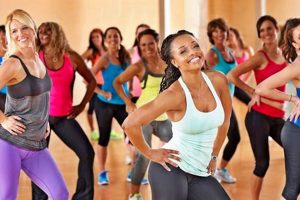
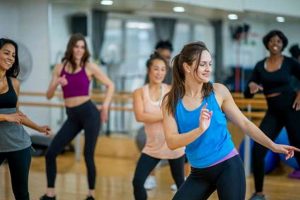
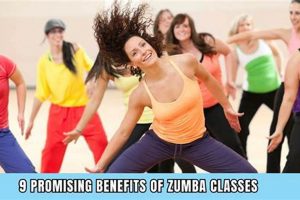
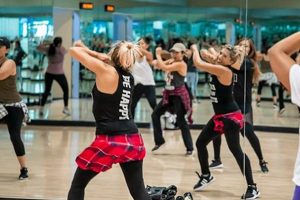
This fitness activity constitutes an introductory level program designed to introduce participants to the fundamental movements and rhythms of Zumba. It focuses on simplifying complex choreography into easy-to-follow steps, making it accessible for individuals with varying fitness levels and dance backgrounds. For example, instead of intricate salsa patterns, participants might learn basic side-to-side steps combined with arm movements that emulate salsa’s energy.
The value of this introductory program lies in its capacity to foster physical activity, improve cardiovascular health, and enhance coordination in a supportive and non-intimidating environment. Historically, Zumba emerged as a dance fitness phenomenon blending Latin rhythms with aerobics, and these beginner sessions serve as a gateway for individuals seeking to experience its benefits without the pressure of advanced routines. They are a popular option for those starting their fitness journey or returning after a break.
Having defined and contextualized this specific fitness offering, subsequent sections will delve into specific aspects, including what to expect during a typical session, suitable attire and preparation tips, and strategies for maximizing the benefits derived from participation.
Essential Guidance for Participation
The following recommendations aim to optimize the experience and outcomes of attending a basic Zumba class. Adherence to these suggestions can enhance enjoyment, safety, and overall fitness progression.
Tip 1: Arrive Prepared. Punctuality allows for adequate warm-up and familiarization with the environment. Prior to the session, ensure access to water and a towel to manage hydration and perspiration.
Tip 2: Wear Appropriate Attire. Opt for comfortable, breathable clothing that permits a full range of motion. Athletic shoes providing adequate support are crucial for minimizing the risk of injury. Cross-training shoes are often preferable to running shoes.
Tip 3: Prioritize Hydration. Consuming water before, during, and after the class is essential for maintaining energy levels and preventing dehydration. Dehydration can hinder performance and increase the likelihood of muscle cramps.
Tip 4: Follow the Instructor’s Guidance. Modifications are often provided for individuals with varying fitness levels or physical limitations. Pay close attention to the instructor’s cues and adapt movements as needed to prevent strain or injury.
Tip 5: Focus on Form Over Intensity. Maintaining proper technique is more important than keeping up with the pace. Correct form minimizes the risk of injury and ensures that the targeted muscle groups are effectively engaged.
Tip 6: Listen to the Body. If pain or discomfort arises, discontinue the activity immediately. Pushing through pain can exacerbate existing conditions and lead to more serious injuries. Rest or modification is advisable.
Tip 7: Engage Fully. Active participation and engagement enhance the enjoyment and effectiveness of the workout. Focus on the music, the movements, and the overall energy of the class.
These recommendations contribute to a safe and rewarding experience. By prioritizing preparation, appropriate attire, hydration, form, and listening to the body, participants can maximize the benefits derived from attending this introductory fitness session.
Following the discussion on optimizing class participation, the subsequent section will address potential variations within the program and strategies for progressing to more advanced levels.
1. Fundamental Steps
Fundamental steps are foundational components of a basic Zumba class. Mastery of these steps allows participants to progress and engage effectively in subsequent routines. Their presence is crucial for building confidence and familiarity with the Zumba format.
- Core Rhythms and Footwork
Basic Zumba classes incorporate core Latin rhythms such as salsa, merengue, cumbia, and reggaeton. Each rhythm is associated with distinct footwork patterns. For instance, the salsa step involves a quick-quick-slow sequence, while the merengue incorporates a marching-like step. Understanding these core rhythms and their corresponding footwork provides participants with a solid foundation for executing more complex choreography. Without this foundational knowledge, individuals may struggle to maintain rhythm and coordination.
- Basic Arm Movements and Coordination
Beyond footwork, fundamental steps encompass basic arm movements coordinated with the lower body. These arm movements often mimic or complement the steps, enhancing the overall dance experience and contributing to cardiovascular fitness. Examples include arm swings, claps, and simple hand gestures synchronized with the beat. Learning these coordinated movements improves overall coordination and enhances the effectiveness of the workout. Incorrect or absent arm movements can diminish the caloric expenditure and coordination benefits.
- Modifications and Adaptations for Accessibility
A crucial aspect of fundamental steps is their adaptability to accommodate varying fitness levels and physical limitations. Instructors typically offer modifications for each step, enabling participants to adjust the intensity and impact according to their individual needs. This may involve reducing the range of motion, lowering the impact of the steps, or providing alternative movements. The availability of modifications ensures that the class remains accessible to a broader range of individuals, including those with joint issues or limited mobility.
- Progressive Integration into Simplified Choreography
Fundamental steps are progressively integrated into simplified choreography, forming the building blocks of more complex routines. In a basic Zumba class, the choreography focuses on stringing together these core steps in a way that is easy to follow and remember. This progressive approach allows participants to gradually build their confidence and skill, preparing them for more challenging routines in the future. Without this structured progression, participants may become overwhelmed and discouraged.
In summary, the fundamental steps are the cornerstone of a basic Zumba class. They provide the necessary foundation in rhythm, coordination, and movement to enable participants of all fitness levels to engage effectively and safely. The focus on core rhythms, coordinated arm movements, modifications, and progressive integration ensures an inclusive and rewarding experience, setting the stage for continued participation and progression in Zumba.
2. Simplified Choreography
Simplified choreography is a defining characteristic of the introductory Zumba experience. It serves as the primary mechanism for enabling participation from individuals with diverse physical abilities and prior dance experience. Its relevance to the basic program cannot be overstated, as it directly influences accessibility and participant engagement.
- Reduced Complexity of Movement Sequences
The core principle of simplified choreography involves minimizing the intricacy of movement combinations. Basic steps are prioritized, and transitions between movements are made more gradual and predictable. For example, instead of a complex salsa sequence involving multiple turns and footwork patterns, participants might learn a basic side-to-side step followed by a simple grapevine. This reduction in complexity allows individuals with limited coordination or prior dance training to keep pace with the class and experience a sense of accomplishment.
- Repetitive Structures and Predictable Patterns
Simplified choreography often incorporates repetitive structures and predictable patterns. This repetition aids in memorization and allows participants to anticipate upcoming movements. For instance, a routine might feature a recurring sequence of four counts of merengue followed by four counts of cumbia, repeated several times throughout the song. The predictable nature of these patterns reduces cognitive load and allows participants to focus on executing the movements correctly and engaging with the music.
- Focus on Foundational Rhythms and Steps
Rather than introducing a wide array of dance styles, simplified choreography typically concentrates on a limited set of foundational rhythms and steps. These rhythms, such as salsa, merengue, cumbia, and reggaeton, are presented in their most basic form, emphasizing fundamental footwork and arm movements. This focus on core rhythms provides participants with a solid foundation in Latin dance and prepares them for more advanced choreography in the future. Introducing too many different styles or steps at once can overwhelm beginners and hinder their progress.
- Emphasis on Instructor Cues and Visual Demonstrations
To compensate for the reduced complexity of the choreography, basic Zumba classes place a strong emphasis on instructor cues and visual demonstrations. Instructors provide clear verbal cues, signaling upcoming movements and changes in direction. They also demonstrate each step and sequence visually, allowing participants to observe and imitate the correct form. This combination of verbal cues and visual demonstrations helps participants to learn the choreography quickly and effectively, even if they have little or no prior dance experience.
In conclusion, simplified choreography is fundamental to the success of basic Zumba classes. By reducing complexity, incorporating repetition, focusing on foundational rhythms, and emphasizing instructor guidance, these programs create an accessible and enjoyable fitness experience for individuals of all backgrounds and abilities. The simplified approach fosters a sense of accomplishment and encourages continued participation, paving the way for individuals to progress to more advanced levels of Zumba or other fitness activities.
3. Low-impact movements

The integration of low-impact movements into a basic Zumba class significantly broadens its accessibility and promotes adherence among a diverse population. Low-impact modifications emphasize joint protection and reduce the risk of injury, making it a safe option for beginners, older adults, and individuals with pre-existing physical limitations. The incorporation of these modifications is therefore critical to the ethos of an introductory Zumba program.
- Reduced Joint Stress
Low-impact exercises minimize the force exerted on joints during physical activity. In a basic Zumba class, this translates to modifications such as stepping instead of jumping, reducing the range of motion in certain movements, or opting for slower tempos. For example, during a merengue section, participants might be encouraged to march in place instead of performing high-impact hops. The lower stress contributes to decreased risk of injuries such as shin splints or ankle sprains, common in high-impact activities. It also makes the class suitable for individuals with arthritis or other joint conditions.
- Enhanced Accessibility for Diverse Populations
By incorporating low-impact options, the class becomes more inclusive and caters to a wider range of fitness levels and age groups. This adaptability allows individuals who might otherwise be excluded from participating in a standard Zumba class to engage safely and effectively. For example, older adults or individuals recovering from injuries can modify movements to suit their physical capabilities without feeling excluded or overwhelmed. The instructor’s ability to provide clear modifications and encouragement is key to fostering an inclusive environment.
- Cardiovascular Benefits with Reduced Risk
Low-impact movements can still provide significant cardiovascular benefits while minimizing the risk of injury. Maintaining a moderate intensity and focusing on continuous movement elevates heart rate and improves cardiovascular endurance. For example, the consistent execution of steps and arm movements, even at a lower impact level, contributes to calorie burning and enhanced cardiovascular health. This approach allows participants to achieve fitness goals without overexerting their joints or risking injury.
- Promoting Long-Term Adherence
The lower risk of injury and the increased accessibility associated with low-impact modifications contribute to higher rates of long-term adherence to the program. Participants are more likely to continue attending classes regularly if they feel safe, comfortable, and capable of performing the exercises. By prioritizing joint protection and providing adaptable movements, basic Zumba classes promote sustainable fitness habits and encourage participants to incorporate physical activity into their lifestyle on a consistent basis.
The strategic incorporation of low-impact movements is therefore central to the design and delivery of a basic Zumba class. It fosters inclusivity, minimizes injury risk, and enhances the long-term viability of the program, enabling participants to achieve their fitness goals in a safe and supportive environment. The accessibility facilitated by these modifications positions basic Zumba as an appealing option for those seeking a gentle yet effective introduction to dance-based fitness.
4. Rhythmic fitness
Rhythmic fitness, characterized by the synchronization of physical movements with musical beats, constitutes a central element of a basic Zumba class. Its implementation within this specific fitness format differentiates it from other exercise regimens and contributes significantly to participant engagement and overall effectiveness.
- Coordination and Motor Skill Enhancement
Rhythmic fitness necessitates the coordination of multiple muscle groups in time with the music. In a basic Zumba class, this manifests as participants executing dance steps and movements that align with the tempo and rhythm of Latin music. The repetitive execution of these synchronized movements enhances motor skills, improves body awareness, and cultivates a heightened sense of coordination. For example, performing a salsa step accurately requires precise timing and coordination between the feet, hips, and arms. Consistent practice within a basic Zumba class can translate into improved coordination in everyday activities.
- Cardiovascular Conditioning Through Musical Pacing
The integration of rhythmic patterns allows for the manipulation of workout intensity through variations in tempo. A basic Zumba class typically alternates between periods of higher-intensity movements, synchronized with faster musical rhythms, and periods of lower-intensity movements performed to slower beats. This modulation of intensity provides effective cardiovascular conditioning while simultaneously preventing monotony. For instance, a reggaeton segment might elevate heart rate, followed by a slower cumbia segment for active recovery. This rhythmic pacing optimizes the workout’s cardiovascular benefits.
- Psychological Engagement and Enjoyment
The incorporation of music and rhythm creates a positive and engaging environment, which can significantly impact motivation and adherence to the exercise program. The synchronization of movement with music stimulates the brain’s reward centers, promoting feelings of pleasure and enjoyment. In a basic Zumba class, this translates to participants feeling energized and motivated by the music, which encourages them to participate more actively and consistently. The rhythmic structure provides a framework for the workout, making it feel less like exercise and more like a dance party. This enhanced psychological engagement can lead to greater long-term adherence to the fitness routine.
- Cultural Immersion and Creative Expression
Rhythmic fitness, particularly in the context of Zumba, often incorporates movements and rhythms derived from diverse cultures. This provides participants with an opportunity to experience and appreciate different musical and dance traditions. A basic Zumba class may feature music and steps from Latin America, Africa, and other regions, exposing participants to new cultural influences and promoting a sense of global awareness. Furthermore, the rhythmic structure encourages creative expression through movement, allowing participants to personalize their interpretations of the steps and rhythms. This cultural immersion and creative expression adds another layer of enjoyment and engagement to the fitness experience.
These facets of rhythmic fitness are intrinsically linked to the defining characteristics of a basic Zumba class. The combination of enhanced coordination, cardiovascular conditioning through musical pacing, psychological engagement, and cultural immersion contributes to the format’s widespread popularity and effectiveness as a means of promoting physical activity and overall well-being. The rhythmic foundation provides structure, enjoyment, and a connection to cultural traditions, thereby transforming exercise into a holistic and engaging experience.
5. Cardio introduction
The “cardio introduction” aspect of a basic Zumba class is designed to gently acclimate individuals to aerobic exercise, particularly those who are new to structured fitness routines or are returning after a period of inactivity. It provides a structured, accessible, and enjoyable means of enhancing cardiovascular health.
- Gradual Increase in Heart Rate
The sessions are structured to facilitate a gradual increase in heart rate. Rather than beginning with high-intensity movements, instructors start with simpler steps and rhythms, slowly building the intensity as the class progresses. This approach allows the cardiovascular system to adapt to the demands of exercise without being overloaded, reducing the risk of discomfort or injury. For instance, a warm-up might consist of light marching and arm movements before transitioning to more energetic salsa steps. The measured progression provides a safe and effective introduction to cardiovascular exercise.
- Simplified Movements for Sustained Aerobic Activity
Basic Zumba classes utilize simplified dance movements to maintain sustained aerobic activity. These movements, which include modified salsa steps, cumbia rhythms, and merengue patterns, are designed to be easily executed and repeated over an extended period. The simplicity of the movements allows participants to focus on maintaining a consistent pace and elevating their heart rate, rather than struggling with complex choreography. This ensures continuous cardiovascular engagement throughout the session.
- Emphasis on Endurance Over Intensity
In a cardio introduction setting, emphasis is placed on building endurance rather than achieving peak intensity. Participants are encouraged to maintain a comfortable pace and focus on completing the entire class, rather than pushing themselves to their limits. The aim is to gradually improve cardiovascular fitness over time, rather than achieving immediate results. Instructors often provide modifications for participants who need to reduce the intensity, ensuring that everyone can participate safely and effectively. The focus is on sustainable fitness improvements through consistent participation.
- Positive and Supportive Environment
The cardio introduction element is enhanced by a positive and supportive environment. Instructors are trained to create a welcoming atmosphere that encourages participation and celebrates individual progress. Participants are encouraged to work at their own pace and to listen to their bodies, avoiding overexertion. The focus is on building confidence and fostering a sense of community, rather than competition or comparison. This supportive environment contributes to higher adherence rates and a more positive overall experience, making basic Zumba an appealing entry point to cardiovascular exercise.
The various facets of the cardio introduction, when effectively integrated within the framework of a basic Zumba class, provide a gentle yet effective means of improving cardiovascular health, fostering adherence, and cultivating a positive attitude toward physical activity. The emphasis on gradual progression, simplified movements, endurance, and a supportive environment ensures that participants have a positive and rewarding experience, laying the foundation for continued engagement in fitness activities.
6. Accessible adaptation

Accessible adaptation is intrinsically linked to the fundamental purpose of a basic Zumba class. Its presence ensures that the program’s physical activity is not restricted to a select few but is instead available to a broad demographic, irrespective of pre-existing fitness levels, physical limitations, or prior dance experience. The adaptations are not merely optional modifications but rather a core design element facilitating inclusivity. Without accessible adaptations, the basic Zumba class would inherently fail to achieve its intended purpose of providing an entry-level fitness option for the general population. The direct causal relationship is that adaptation directly drives accessibility, determining who can participate and benefit. This understanding is practically significant for instructors, program designers, and participants, influencing teaching methodologies, curriculum development, and individual participation strategies.
A practical example illustrates this point: Consider a participant with knee pain. A standard Zumba routine might involve high-impact jumps or rapid pivots that exacerbate their condition. However, an accessible adaptation might involve replacing those movements with low-impact steps or modifications that reduce stress on the knee joint. This adaptation not only allows the individual to participate but also enables them to experience the cardiovascular and social benefits of the class without risking injury. The adaptive capacity, therefore, transforms the class from a potential source of harm into a beneficial activity. Furthermore, accessible adaptation extends beyond physical modifications. It also encompasses aspects such as clear verbal cues, visual demonstrations, and a supportive environment that caters to diverse learning styles and comfort levels.
In summary, accessible adaptation is not a supplementary feature but rather an indispensable component of a basic Zumba class. Its effective implementation determines the program’s reach, safety, and overall value. The ability to modify movements, provide clear instruction, and create a welcoming environment is crucial for ensuring that the class is truly accessible to all. Challenges may arise in tailoring adaptations to meet individual needs within a group setting, requiring instructors to possess a high level of skill and sensitivity. Ultimately, however, prioritizing accessible adaptation is essential for realizing the full potential of the basic Zumba class as a means of promoting physical activity and well-being across diverse populations.
Frequently Asked Questions
This section addresses common inquiries and misconceptions pertaining to the basic Zumba class, providing clear and concise information to prospective participants.
Question 1: Is prior dance experience required to participate in a basic Zumba class?
No prior dance experience is necessary. These classes are designed for individuals of all fitness levels and backgrounds. The choreography is simplified, and instructors provide modifications to accommodate varying levels of coordination and ability.
Question 2: What is the recommended attire for attending a basic Zumba class?
Comfortable, breathable clothing that allows for a full range of motion is advisable. Athletic shoes providing adequate support are essential to minimize the risk of injury. Cross-training shoes are generally preferable to running shoes.
Question 3: Is a basic Zumba class an effective form of cardiovascular exercise?
Yes, a basic Zumba class can provide a beneficial cardiovascular workout. The rhythmic movements and sustained activity elevate heart rate and improve cardiovascular endurance. The intensity can be adjusted based on individual fitness levels.
Question 4: Are there any age restrictions for participating in a basic Zumba class?
There are typically no strict age restrictions; however, participants should possess the physical capacity to engage in moderate-intensity exercise. Individuals with pre-existing medical conditions should consult with a healthcare professional prior to participation.
Question 5: What if one is unable to keep up with the pace of the class?
Instructors often provide modifications for movements, allowing participants to adjust the intensity and impact to suit their individual needs. It is acceptable to slow down, modify movements, or take breaks as needed. The emphasis is on participating at a comfortable and safe pace.
Question 6: How does a basic Zumba class differ from more advanced Zumba classes?
A basic Zumba class focuses on fundamental rhythms and steps, utilizes simplified choreography, and incorporates low-impact movements. Advanced classes typically involve more complex choreography, faster tempos, and a wider variety of dance styles.
In summary, basic Zumba classes offer an accessible and enjoyable introduction to dance fitness. They are suitable for individuals of all fitness levels, requiring no prior dance experience. The focus is on participation, enjoyment, and gradual improvement in cardiovascular health and coordination.
Having addressed these frequently asked questions, subsequent discussions will focus on the evolution of Zumba and the availability of specialized classes tailored to specific populations or fitness goals.
Conclusion
This exposition has detailed the fundamental aspects of the fitness offering “basic zumba class”. It has encompassed its defining attributes, including simplified choreography, low-impact movements, rhythmic fitness, and accessible adaptation. The analysis underscored the program’s potential to serve as an effective and inclusive entry point into cardiovascular exercise and dance-based fitness.
The comprehensive understanding gained emphasizes the potential for widespread participation and benefit. Future research and program development should focus on optimizing the accessibility and effectiveness for diverse populations. The foundational Zumba program holds significance as a model for adaptable and inclusive fitness initiatives.