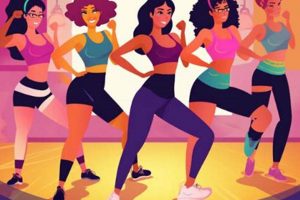
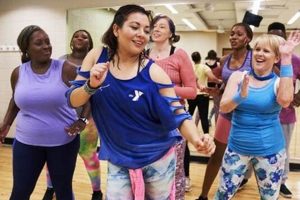
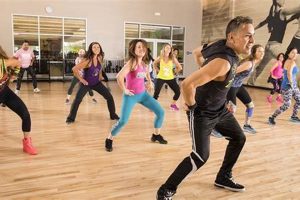
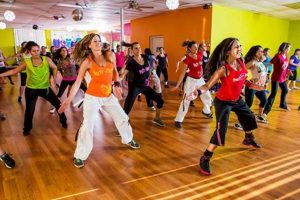
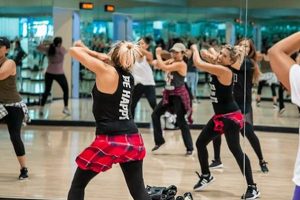
Selecting appropriate attire for a Zumba session enhances the overall fitness experience. The primary consideration revolves around clothing that allows for a full range of motion and breathability. For instance, a participant might choose moisture-wicking athletic wear consisting of a tank top or t-shirt paired with leggings or shorts designed for physical activity. Footwear should provide adequate support and cushioning to minimize the risk of injury during high-impact movements.
Proper clothing contributes significantly to both comfort and performance. The ability to move freely without restriction allows participants to fully engage in the dance-fitness routines. Breathable fabrics help regulate body temperature, preventing overheating and maximizing comfort during the workout. Historically, Zumba participants have adopted various styles of athletic wear reflecting current trends while prioritizing functionality.
Consequently, this analysis will explore specific recommendations for tops, bottoms, footwear, and supportive accessories, ensuring participants can optimize their Zumba experience through informed wardrobe choices. Considerations will also be given to variations based on class setting and personal preference.
Essential Attire Guidelines for Zumba Participation
The following recommendations are provided to maximize comfort, performance, and safety during Zumba fitness classes. These guidelines focus on functionality and support, enabling participants to fully engage in the workout routines.
Tip 1: Prioritize Moisture-Wicking Fabrics: Select athletic wear made from synthetic materials that effectively draw sweat away from the body. This helps regulate body temperature and prevents discomfort associated with damp clothing.
Tip 2: Opt for Breathable Tops: Choose lightweight, breathable shirts or tank tops that allow for unrestricted arm movements. Avoid overly restrictive garments that may hinder performance.
Tip 3: Select Supportive Bottoms: Leggings, capri pants, or athletic shorts designed for high-intensity activity are recommended. Ensure the waistband provides adequate support without being overly constrictive.
Tip 4: Invest in Proper Footwear: Cross-training shoes or athletic sneakers with good cushioning and lateral support are essential. Avoid running shoes, as they are designed primarily for forward motion and may not provide sufficient stability during Zumba’s varied movements.
Tip 5: Consider a Supportive Sports Bra: For female participants, a sports bra with adequate support is crucial for minimizing discomfort and preventing injury during high-impact movements.
Tip 6: Accessorize with Caution: Limit jewelry and accessories that could pose a safety hazard or impede movement. Consider a sweatband to manage perspiration and keep hair out of the face.
Tip 7: Test Your Outfit: Before attending a class, try on the chosen attire and perform a few basic Zumba movements to ensure comfort and freedom of movement. Adjustments can be made before the actual session.
Adherence to these guidelines promotes a more comfortable and effective Zumba experience, allowing participants to focus on the workout and enjoy the benefits of the dance-fitness program.
These recommendations will be further expanded upon in subsequent sections, which will address specific considerations for different body types and workout environments.
1. Breathable materials

The selection of breathable materials is paramount when determining appropriate attire for Zumba classes. The high-intensity nature of Zumba generates significant body heat, necessitating fabrics that facilitate efficient moisture evaporation and airflow to maintain a comfortable core temperature.
- Moisture Wicking and Evaporation
Breathable fabrics, such as polyester blends, nylon, and merino wool, possess inherent moisture-wicking properties. These materials draw perspiration away from the skin’s surface, promoting rapid evaporation. The reduced moisture content against the skin minimizes the risk of discomfort, chafing, and the growth of bacteria that can lead to unpleasant odors. For example, a polyester-spandex blend top allows for sweat to evaporate quickly, keeping the wearer drier compared to a cotton shirt which would retain moisture.
- Enhanced Airflow and Ventilation
Fabrics characterized by open weaves or strategic ventilation panels promote airflow, further contributing to temperature regulation. These designs allow for the exchange of air between the skin and the surrounding environment, facilitating the dissipation of heat. Mesh panels integrated into activewear designs, common in athletic shirts and leggings, exemplify this principle. This feature prevents the buildup of heat and enhances the overall comfort during vigorous physical activity like Zumba.
- Reduced Risk of Overheating
During a Zumba class, the body’s core temperature rises significantly due to the sustained physical exertion. The use of breathable materials helps to mitigate the risk of overheating, a condition that can lead to decreased performance, fatigue, and potentially heat-related illnesses. By facilitating efficient heat dissipation, breathable fabrics allow the body to maintain a more stable internal temperature, enabling participants to sustain their energy levels and focus on the workout.
- Improved Comfort and Performance
The cumulative effect of moisture wicking, enhanced airflow, and reduced risk of overheating translates to improved comfort and overall performance. When participants are comfortable and dry, they are less likely to experience distractions related to their clothing, allowing them to fully engage in the Zumba routines. This enhanced comfort contributes to a more positive and effective workout experience.
In summary, breathable materials play a critical role in the selection of attire for Zumba classes. Their ability to manage moisture, promote airflow, and regulate body temperature directly impacts comfort, performance, and overall well-being. Choosing garments made from these fabrics is essential for optimizing the Zumba experience and maximizing the benefits of the dance-fitness program.
2. Supportive footwear
The selection of appropriate footwear is a critical component of appropriate attire for Zumba classes. The dynamic and high-impact nature of Zumba routines places considerable stress on the feet, ankles, and lower extremities. Without adequate support, participants risk injury and diminished workout effectiveness. Supportive footwear serves as a crucial foundation for safe and efficient participation.
Specifically, cross-training shoes are generally recommended over running shoes. Running shoes are designed primarily for forward motion and linear impact absorption, whereas Zumba involves lateral movements, pivots, and changes in direction. Cross-training shoes provide the necessary stability and cushioning to accommodate these multi-directional movements. Furthermore, features such as reinforced ankle support and a non-slip sole are essential for preventing ankle sprains and falls. A participant wearing running shoes may experience instability during lateral movements, potentially leading to an ankle injury, while a cross-training shoe would provide the necessary stability to execute the same movement safely. The consequences of inadequate footwear range from minor discomfort to severe injuries requiring medical intervention.
In summary, the role of supportive footwear cannot be overstated when considering attire for Zumba classes. It is a fundamental element that directly impacts safety, performance, and overall enjoyment. Proper footwear not only mitigates the risk of injury but also enhances the ability to execute Zumba movements effectively. Choosing the right shoe style is a vital investment in a positive and injury-free Zumba experience. Failing to consider footwear appropriately is a significant oversight that can detrimentally affect workout outcomes.
3. Freedom of movement
Freedom of movement is a paramount consideration when selecting attire for Zumba classes. The unrestricted ability to perform a wide range of dance steps and aerobic exercises is fundamental to both the effectiveness and enjoyment of the workout. Clothing that inhibits movement can detract from the experience, increase the risk of injury, and limit the potential fitness benefits.
- Range of Motion Enhancement
Garments designed for athletic activity, particularly those with stretchable fabrics and articulated designs, facilitate a full range of motion. A participant wearing loose-fitting or overly restrictive clothing may be unable to execute specific dance steps accurately, whereas clothing engineered for movement allows for the full expression of each exercise. This optimized range of motion translates to a more effective workout and reduced risk of muscle strain.
- Fabric Flexibility and Stretch
The inherent properties of fabrics such as spandex, elastane, and knit blends contribute significantly to freedom of movement. These materials stretch and recover with the body’s movements, preventing binding or constriction. Conversely, rigid or non-stretch fabrics can restrict limb movement and torso rotation, hindering participation. For instance, a pair of leggings with a high percentage of spandex allows for deep squats and lunges without restricting circulation or causing discomfort.
- Garment Design and Construction
The cut and construction of garments also play a crucial role. Raglan sleeves, gusseted crotches, and strategically placed seams minimize friction and maximize mobility. Clothing with excessive bulk, tight seams, or restrictive waistbands can impede movement and cause discomfort. Consider a t-shirt with raglan sleeves, which allows for greater shoulder rotation during arm movements compared to a standard t-shirt with seams directly on the shoulder.
- Psychological Impact
Beyond the physical aspects, clothing that promotes freedom of movement can also have a positive psychological impact. Participants who feel comfortable and uninhibited in their attire are more likely to engage fully in the workout and enjoy the experience. This, in turn, can lead to increased motivation and adherence to the fitness program. Feeling confident in one’s ability to move freely can positively influence one’s enthusiasm and willingness to try new or challenging Zumba steps.
In conclusion, freedom of movement is an indispensable element in the selection of appropriate attire for Zumba classes. Athletic garments that facilitate a full range of motion, constructed from flexible materials and designed for unrestricted activity, are essential for maximizing the benefits and enjoyment of the dance-fitness program. The connection extends beyond the physical, encompassing psychological advantages of comfort and enhanced confidence.
4. Moisture wicking

The selection of attire engineered for moisture wicking is paramount in the context of physical activities such as Zumba. Garments designed with this functionality directly address the challenges posed by perspiration during intense exercise, significantly impacting both comfort and performance.
- Fabric Composition and Capillary Action
Moisture-wicking fabrics, typically composed of synthetic fibers like polyester, nylon, or microfiber blends, possess a unique capability to draw moisture away from the skin’s surface. This occurs through a process known as capillary action, where the fabric’s structure creates a network of tiny channels that transport liquid molecules. For instance, a participant wearing a moisture-wicking shirt experiences a significant reduction in skin wetness compared to one wearing a cotton shirt, which absorbs and retains moisture. This results in a drier, more comfortable workout environment.
- Evaporation Enhancement and Temperature Regulation
Once moisture is transported to the outer layer of the fabric, its evaporation rate is significantly increased. This enhanced evaporation process promotes cooling, helping to regulate the body’s core temperature during exertion. When engaged in Zumba, maintaining a stable body temperature prevents overheating, thereby improving endurance and minimizing the risk of heat-related illnesses. Clothing that facilitates this process ensures the body’s natural cooling mechanisms function efficiently.
- Odor Control and Hygiene
The presence of moisture on the skin creates a breeding ground for bacteria, which contributes to unpleasant odors. Moisture-wicking fabrics mitigate this effect by reducing the amount of moisture available for bacterial growth. Some fabrics are even treated with antimicrobial finishes to further inhibit bacterial proliferation. The use of such materials promotes better hygiene and helps maintain a sense of freshness during and after a Zumba session.
- Performance and Comfort Optimization
The combined effects of moisture wicking contribute to improved overall performance and comfort. When participants are not distracted by the discomfort of damp or sweaty clothing, they can focus more fully on the workout routines. This increased concentration, coupled with improved temperature regulation and reduced odor, leads to a more positive and effective exercise experience. Wearing the appropriate attire positively influences the psychological aspects of the workout as well.
The principles of moisture wicking are fundamental to the selection of appropriate attire for Zumba classes. Prioritizing garments with these properties ensures a more comfortable, hygienic, and effective workout experience, enabling participants to maximize their fitness gains while minimizing potential discomforts. Attire selection should therefore include the presence and efficacy of moisture-wicking technology.
5. Appropriate support

The concept of appropriate support is a crucial consideration when determining suitable attire for Zumba classes. Insufficient support can lead to discomfort, potential injury, and a compromised workout experience. Properly chosen garments provide the necessary stability and cushioning to mitigate these risks.
- Sports Bras and Breast Support
For female participants, a well-fitting sports bra is indispensable. High-impact movements inherent in Zumba can place significant stress on breast tissue, leading to discomfort and long-term damage if not adequately supported. Sports bras are designed to minimize bounce and provide compression, thereby reducing strain. Examples include encapsulation bras, which support each breast individually, and compression bras, which hold the breasts firmly against the chest wall. The level of support required varies based on breast size and the intensity of the workout.
- Arch Support in Footwear
Footwear with adequate arch support is essential for maintaining proper foot alignment and preventing injuries such as plantar fasciitis. Arch support helps distribute weight evenly across the foot, reducing stress on the plantar fascia, a ligament that runs along the bottom of the foot. Orthotics or insoles can be used to supplement the arch support provided by the shoe itself. Footwear lacking adequate arch support may contribute to foot pain, knee pain, and even back pain.
- Waistbands and Core Stability
Leggings or shorts with a supportive waistband can enhance core stability during Zumba routines. A high-waisted design provides gentle compression around the abdomen, which can improve posture and reduce strain on the lower back. The waistband should be snug but not restrictive, allowing for a full range of motion while providing subtle support to the core muscles. Insufficient support in this area can lead to muscle fatigue and an increased risk of lower back pain.
- Joint Support via Compression Gear
Compression sleeves or socks can provide support to joints such as the knees and ankles during high-impact Zumba movements. These garments apply gentle pressure to the joint, which can improve circulation, reduce swelling, and enhance proprioception (awareness of body position). While not always necessary, compression gear can be beneficial for individuals with pre-existing joint issues or those seeking to minimize the risk of injury during intense workouts. The use of compression gear aligns with preventative measures for joint health.
Appropriate support, therefore, encompasses various aspects of attire selection, each contributing to a safer and more comfortable Zumba experience. The correct choices mitigate risks, enhance performance, and improve overall participation. Ignoring these considerations can result in discomfort, injury, and ultimately, a less effective workout. A comprehensive approach to attire selection integrates these support features to optimize the Zumba experience.
6. Avoid Restriction

The principle of “avoid restriction” is fundamentally linked to appropriate attire selection for Zumba classes. Restrictive clothing impedes the execution of dynamic movements, diminishing workout effectiveness and increasing the potential for injury. Garments that limit range of motion or compress vital areas of the body directly counteract the fluidity and intensity inherent in Zumba routines. Consequently, adherence to this principle is a critical component of choosing the correct clothing.
Clothing that is too tight across the torso, for example, can inhibit breathing during periods of exertion, causing discomfort and limiting performance. Similarly, overly constricting waistbands can impede core engagement, hindering the execution of dance steps that require balance and coordination. A practical example is wearing rigid jeans; the lack of flexibility significantly restricts leg movements, hindering the ability to perform lunges, pivots, and other foundational Zumba steps. In contrast, athletic leggings made from a stretchy, breathable fabric allow for a full range of motion, enabling the participant to fully engage in the workout. The direct effect of restrictive clothing is a reduced ability to perform the movements correctly and safely, leading to less effective results and a higher risk of muscle strain.
Therefore, “avoid restriction” serves as a guiding principle in determining “what should i wear for Zumba class.” It underscores the need for clothing that supports, rather than hinders, the body’s natural movements. This necessitates selecting fabrics that stretch, designs that allow for a full range of motion, and fits that are neither too tight nor too loose. By prioritizing garments that promote unrestricted movement, participants can maximize the benefits of Zumba while minimizing the risk of injury. Overlooking this aspect can lead to a compromised workout experience and potential physical harm, making it a central consideration in wardrobe planning for this fitness activity.
Frequently Asked Questions
The following questions address common concerns and misconceptions regarding appropriate clothing for Zumba participation, offering guidance to enhance workout effectiveness and minimize potential risks.
Question 1: Are cotton garments suitable for Zumba classes?
Cotton, while comfortable for casual wear, retains moisture, becoming heavy and potentially causing chafing during high-intensity workouts such as Zumba. Moisture-wicking fabrics are recommended.
Question 2: Is specialized Zumba-branded apparel necessary for participation?
While Zumba-branded clothing exists, it is not a prerequisite for participation. The primary consideration is functionality. Comfortable, breathable athletic wear is suitable, regardless of branding.
Question 3: What type of footwear is discouraged for Zumba activities?
Running shoes, designed primarily for linear movement, lack the lateral support required for Zumba’s dynamic routines. High heels, sandals, and boots are also unsuitable due to safety concerns.
Question 4: Can jewelry be worn during Zumba sessions?
Excessive jewelry, particularly dangling earrings or necklaces, poses a safety hazard and can impede movement. Minimal jewelry, such as a fitness tracker, is generally acceptable, provided it does not interfere with the workout.
Question 5: Are there considerations for attire based on the workout environment (e.g., studio vs. outdoors)?
Outdoor Zumba classes may necessitate sun protection (e.g., hats, sunscreen) and weather-appropriate layers. Indoor settings typically require lighter, breathable clothing. Regardless of environment, functionality remains paramount.
Question 6: Is it acceptable to wear loose-fitting clothing to Zumba classes?
While freedom of movement is essential, excessively loose clothing can become a hindrance or safety hazard. Form-fitting athletic wear that allows for a full range of motion is generally preferred.
These responses provide a clear understanding of optimal attire selection for Zumba, emphasizing the importance of functionality, safety, and comfort.
The subsequent section will discuss strategies for maintaining athletic wear and prolonging its lifespan.
Attire Optimization for Zumba Participation
This examination of appropriate attire for Zumba classes has underscored the criticality of selecting garments that promote comfort, safety, and performance. Considerations such as moisture-wicking fabrics, supportive footwear, unrestricted movement, and adequate support systems collectively contribute to an optimized fitness experience. Attention to these factors ensures that participants can fully engage in Zumba routines without impediment or unnecessary risk.
Informed decision-making regarding wardrobe choices empowers individuals to maximize the benefits of Zumba, contributing to enhanced physical well-being and sustained participation. Prioritizing functionality and carefully evaluating individual needs within the context of activity-specific demands remains paramount for achieving optimal outcomes. The effective application of these principles extends beyond mere aesthetics, fostering a proactive approach to health and fitness.